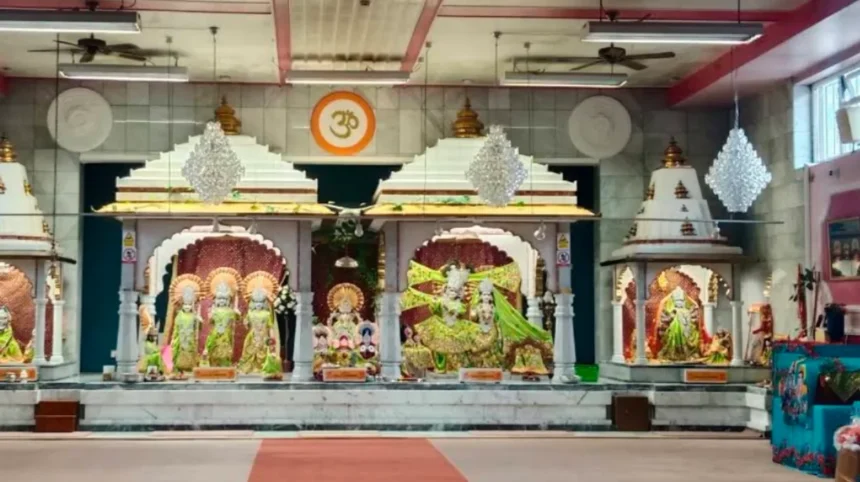
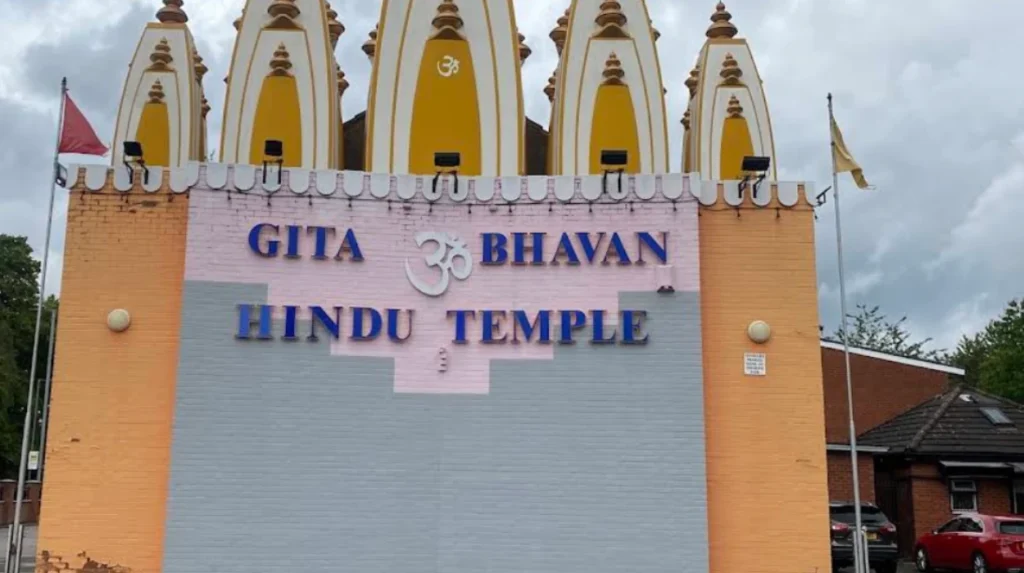
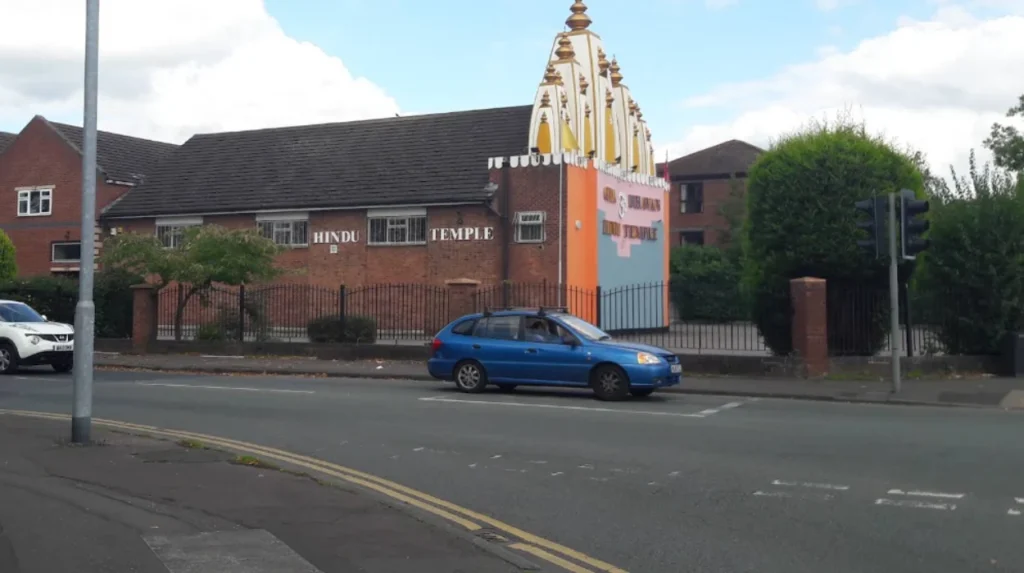
Gita Bhavan Manchester is one of Greater Manchester’s established Hindu temples, serving as a place of worship, religious education, cultural preservation, and community engagement. Dedicated primarily to Sanatan Dharma traditions, the temple welcomes devotees throughout the year for daily prayers, major Hindu festivals, and educational activities. It has become an important religious institution for Hindu families living across Manchester and surrounding areas.
- What Is Gita Bhavan Manchester?
- What Is the History of Gita Bhavan Manchester?
- What Religious Services and Worship Take Place at Gita Bhavan Manchester?
- Which Hindu Festivals Are Celebrated at Gita Bhavan Manchester?
- How Does Gita Bhavan Manchester Support the Local Community?
- What Can Visitors Expect When Visiting Gita Bhavan Manchester?
- What Is the Cultural and Educational Importance of Gita Bhavan Manchester?
- How Does Gita Bhavan Manchester Reflect the Growth of Hinduism in Britain?
- Frequently Asked Questions
- Is Gita Bhavan Manchester open to non-Hindus?
- Which festivals are the biggest celebrations at Gita Bhavan Manchester?
- Can families attend religious programmes at Gita Bhavan Manchester?
- Why is the Bhagavad Gita important to Gita Bhavan Manchester?
- What makes Gita Bhavan Manchester important to the local community?
Unlike a temple that functions only as a place for worship, Gita Bhavan Manchester also acts as a cultural centre where traditions, languages, scriptures, and values are passed to younger generations. The temple hosts regular devotional programmes, community gatherings, and celebrations that strengthen cultural identity while encouraging social unity among people from different backgrounds.
Manchester has one of the largest Hindu communities in North West England. According to the 2021 Census for England and Wales, more than one million people identified as Hindu across England and Wales, while Greater Manchester continues to experience increasing cultural diversity. Religious institutions such as Gita Bhavan contribute significantly to preserving faith, traditions, and community heritage within this multicultural region.
The temple reflects the wider role of Hindu places of worship across the United Kingdom. Besides daily religious activities, temples provide educational programmes, charitable initiatives, youth engagement, and cultural celebrations that encourage understanding between communities. This combination of spirituality and public service explains why Gita Bhavan Manchester continues to attract regular visitors throughout the year.
What Is Gita Bhavan Manchester?
Gita Bhavan Manchester is a Hindu temple dedicated to Sanatan Dharma that provides daily worship, religious ceremonies, spiritual education, and cultural activities. It serves devotees across Greater Manchester while preserving Hindu traditions, promoting community engagement, and celebrating important festivals throughout the year.
The name “Gita Bhavan” combines two Sanskrit words. “Gita” refers to the Bhagavad Gita, one of Hinduism’s most respected scriptures, while “Bhavan” means a house or sacred place. Together, the name represents a spiritual centre inspired by the teachings of the Bhagavad Gita and the wider principles of Hindu philosophy.
The temple welcomes individuals and families from different linguistic and regional backgrounds within the Hindu community. Although many devotees have roots in India, worshippers also include people whose families originated from Nepal, Sri Lanka, Mauritius, Fiji, East Africa, and other parts of the global Hindu diaspora. This diversity reflects the multicultural nature of modern Manchester.
Religious services include daily prayers known as Aarti, devotional singing called Bhajans, scripture readings, and priest-led ceremonies. Families regularly visit the temple for life events including naming ceremonies, weddings, anniversaries, memorial prayers, and other traditional rituals that remain important within Hindu culture.
Beyond worship, Gita Bhavan Manchester functions as a community institution. Educational sessions introduce children and young adults to Hindu scriptures, cultural traditions, festivals, and moral values. Many temples across Britain recognise this educational role as essential for preserving cultural heritage among future generations.
The temple also encourages charitable work through food distribution, community support, fundraising initiatives, and volunteer programmes during religious festivals. These activities reflect the Hindu principle of Seva, which means selfless service for the benefit of society.
What does Sanatan Dharma mean?
Sanatan Dharma is the traditional name used by many Hindus to describe their religion. The phrase means “eternal duty” or “eternal way of life.” It represents a broad spiritual tradition that includes sacred texts, philosophical teachings, devotional worship, ethical conduct, meditation, and respect for all living beings.
Why is the Bhagavad Gita important?
The Bhagavad Gita is one of Hinduism’s most influential scriptures. It presents a dialogue between Lord Krishna and Prince Arjuna on duty, righteousness, self-discipline, devotion, and spiritual knowledge. Its teachings continue to guide millions of Hindus around the world in both religious practice and daily life.
What Is the History of Gita Bhavan Manchester?
Gita Bhavan Manchester developed to meet the religious and cultural needs of the growing Hindu population in Greater Manchester. The temple became an important community institution by providing organised worship, preserving traditions, supporting new generations, and strengthening cultural identity within Britain’s multicultural society.
Large-scale migration from the Indian subcontinent during the second half of the twentieth century increased demand for permanent Hindu places of worship across Britain. Many families settled in Manchester because of employment opportunities, education, and established community networks. Religious centres soon became essential gathering places for these growing communities.
Early Hindu organisations often held religious meetings in rented halls and community buildings before establishing permanent temples. As local Hindu populations expanded, fundraising efforts enabled communities to develop dedicated places of worship that offered daily religious services and larger facilities for festivals and educational activities.
Gita Bhavan Manchester reflects this wider historical development seen across many British cities. Community leaders, volunteers, and devotees worked together to create a stable institution that could support worship, preserve traditions, and provide religious education for future generations.
Over time, the temple expanded its role beyond traditional religious functions. It introduced youth activities, cultural performances, language classes, spiritual lectures, and charity events that encouraged participation from people of all ages. These programmes strengthened community ties while helping younger generations remain connected to their cultural heritage.
Today, Gita Bhavan Manchester continues to balance traditional Hindu practices with the needs of modern British society. It welcomes both regular devotees and visitors interested in learning about Hindu beliefs, festivals, architecture, and religious customs within a respectful environment.
How have Hindu temples changed in Britain?
Hindu temples in Britain have evolved from small community gathering spaces into established religious and cultural institutions. Many now provide educational programmes, charitable services, youth engagement, cultural celebrations, and interfaith activities alongside their traditional religious responsibilities.
What Religious Services and Worship Take Place at Gita Bhavan Manchester?
Gita Bhavan Manchester provides daily worship, priest-led ceremonies, devotional singing, scripture readings, festival celebrations, and family rituals. These services allow devotees to practise their faith regularly while preserving Hindu customs, strengthening community relationships, and supporting important religious milestones throughout life.
Daily worship begins with prayers offered before the temple’s sacred deities. Priests perform Aarti by presenting lighted lamps while devotees chant hymns and devotional songs. This ceremony symbolises gratitude, devotion, and the removal of spiritual darkness through divine guidance.
Bhajans form another important part of temple worship. These devotional songs praise Hindu deities while encouraging collective participation among worshippers. Music has remained an important aspect of Hindu religious practice for centuries because it promotes concentration, devotion, and spiritual reflection.
Priests also conduct individual and family ceremonies known as Pujas. These rituals mark important occasions such as birthdays, anniversaries, house blessings, naming ceremonies, weddings, and remembrance services for deceased relatives. Each ceremony follows established religious traditions based on Hindu scriptures and regional customs.
The temple regularly organises readings from sacred texts including the Bhagavad Gita, Ramayana, and other respected Hindu scriptures. These sessions explain religious teachings, ethical principles, and philosophical ideas in ways that are accessible to both adults and younger audiences.
Religious festivals bring together large numbers of devotees throughout the year. Celebrations often include extended prayers, devotional music, cultural performances, community meals known as Prasad, and opportunities for families to participate in shared religious traditions.
Why is community worship important in Hinduism?
Community worship encourages spiritual learning, shared devotion, cultural preservation, and stronger social relationships. Collective celebrations also help younger generations understand Hindu traditions while providing opportunities for families to participate together in religious and cultural life.
Which Hindu Festivals Are Celebrated at Gita Bhavan Manchester?
Gita Bhavan Manchester celebrates major Hindu festivals throughout the year with prayers, devotional music, cultural programmes, scripture readings, and community meals. These celebrations preserve religious traditions, strengthen family connections, encourage cultural learning, and bring together devotees from across Greater Manchester.
Festival celebrations form an important part of the temple’s annual calendar. Each festival honours a significant event, deity, or spiritual teaching within Hinduism. Devotees gather to offer prayers, participate in religious ceremonies, and celebrate their shared heritage through music, dance, and traditional customs.
Diwali, known as the Festival of Lights, is among the temple’s largest celebrations. The festival symbolises the victory of light over darkness and righteousness over evil. The temple is decorated with lamps, colourful decorations, and floral displays while special prayers, devotional singing, and community gatherings take place throughout the day.
Navratri is another major festival observed at Gita Bhavan Manchester. Celebrated over nine nights, it honours Goddess Durga in her different forms. Devotees participate in daily prayers, scripture recitations, devotional singing, and traditional cultural performances that highlight the spiritual importance of the festival.
Janmashtami marks the birth of Lord Krishna and attracts many families to the temple. Celebrations include readings from the Bhagavad Gita and the Bhagavata Purana, devotional songs, dramatic performances based on Krishna’s life, and midnight worship to commemorate his birth according to Hindu tradition.
Other important festivals observed during the year include Ram Navami, celebrating the birth of Lord Rama, Maha Shivaratri dedicated to Lord Shiva, Ganesh Chaturthi honouring Lord Ganesha, Hanuman Jayanti, Raksha Bandhan, Holi, and Makar Sankranti. Each festival reflects different aspects of Hindu beliefs while encouraging community participation.
How Does Gita Bhavan Manchester Support the Local Community?
Gita Bhavan Manchester supports the local community through religious education, charitable activities, youth programmes, cultural events, volunteer initiatives, and social support. The temple strengthens community relationships while preserving Hindu traditions and encouraging cooperation within Greater Manchester’s multicultural society.
The temple serves people of all ages through educational activities that introduce Hindu philosophy, scriptures, languages, and cultural traditions. Children and young adults benefit from structured learning that helps them understand both their religious heritage and its relevance in contemporary society.
Volunteer programmes play a central role in the temple’s daily operations. Community members assist with festival preparations, food distribution, educational events, cleaning, and charitable initiatives. This reflects the Hindu principle of Seva, which encourages selfless service without expectation of personal reward.
Community meals remain an important feature of temple life. Following religious ceremonies, Prasad is shared among worshippers as a symbol of gratitude, equality, and fellowship. These shared meals encourage social interaction while reinforcing the sense of belonging within the wider Hindu community.
Cultural programmes organised throughout the year include devotional music, classical dance performances, language classes, youth competitions, and celebrations marking important national and religious occasions. These activities preserve cultural traditions while helping younger generations remain connected to their heritage.
The temple also participates in charitable initiatives that benefit both Hindu families and the wider public. Donations, fundraising campaigns, food support, and community outreach demonstrate the broader social role that many Hindu temples perform across the United Kingdom.
What Can Visitors Expect When Visiting Gita Bhavan Manchester?
Visitors to Gita Bhavan Manchester experience a peaceful place of worship where respectful behaviour, modest clothing, and quiet observation are encouraged. The temple welcomes people interested in Hindu culture, religious traditions, architecture, festivals, and spiritual learning regardless of their background.
The temple provides an atmosphere designed for prayer, meditation, and reflection. Visitors often notice traditional Hindu architecture, sacred images, devotional music, and ceremonial rituals taking place throughout the day. These features reflect centuries of religious tradition that continue to shape Hindu worship worldwide.
Respectful dress is encouraged when entering the temple. Visitors generally wear modest clothing that covers the shoulders and knees. Shoes are removed before entering the main prayer hall as a sign of respect for the sacred space, following long-established Hindu customs observed in temples around the world.
Photography policies differ depending on the occasion and location within the temple. During important religious ceremonies, visitors are expected to avoid disrupting worship. Seeking permission before taking photographs demonstrates respect for both devotees and religious practices.
Many first-time visitors attend during major festivals because they provide an opportunity to observe Hindu traditions, devotional music, cultural performances, and community celebrations in a welcoming environment. Festivals also highlight the temple’s role as both a religious institution and a cultural centre.
Visitors interested in learning about Hinduism benefit from observing temple etiquette, listening to scripture readings, and speaking respectfully with volunteers or community members when appropriate. This approach encourages meaningful cultural understanding while maintaining the sanctity of religious worship.
What Is the Cultural and Educational Importance of Gita Bhavan Manchester?
Gita Bhavan Manchester plays an important cultural and educational role by preserving Hindu traditions, promoting religious literacy, supporting youth education, and encouraging community participation. The temple helps future generations understand their heritage while strengthening cultural diversity within Greater Manchester through inclusive educational and cultural programmes.
The temple serves as a learning centre where children, teenagers, and adults study Hindu beliefs, scriptures, languages, and traditional values. Educational programmes explain the significance of important texts such as the Bhagavad Gita, Ramayana, Vedas, and Upanishads while introducing the historical development of Hindu philosophy.
Many families encourage younger generations to participate in religious classes because these sessions help preserve language, customs, and cultural identity. Students learn devotional songs, traditional prayers, festival meanings, and ethical teachings that remain central to Hindu family life. This educational foundation helps connect modern generations with centuries of spiritual heritage.
Cultural activities organised throughout the year include classical music performances, traditional dance presentations, drama productions, and festival exhibitions. These programmes celebrate India’s diverse cultural traditions while creating opportunities for people from different communities to appreciate Hindu art, literature, and religious expression.
Intergenerational learning remains one of the temple’s greatest strengths. Older community members share knowledge with younger participants through storytelling, scripture discussions, and volunteer activities. This exchange preserves customs that have been passed from one generation to another for centuries.
The temple also promotes social responsibility by encouraging volunteer work, charitable giving, and respect for people of all backgrounds. These principles reflect core Hindu teachings about compassion, service, honesty, and mutual respect. By combining education with community service, Gita Bhavan Manchester continues to strengthen both religious understanding and civic engagement across Greater Manchester.
How Does Gita Bhavan Manchester Reflect the Growth of Hinduism in Britain?
Gita Bhavan Manchester reflects the growth of Hinduism in Britain by serving an expanding Hindu population through worship, education, charitable activities, and cultural preservation. The temple represents how Hindu communities have established lasting religious institutions that contribute positively to British society and multicultural life.
Hinduism is one of the largest religions in the United Kingdom. According to the 2021 Census for England and Wales, more than one million people identified as Hindu, representing continued population growth and increasing religious diversity. This demographic development has strengthened the importance of temples across major cities, including Manchester.
During the twentieth century, migration from India, East Africa, Sri Lanka, Nepal, and other regions contributed to the establishment of permanent Hindu communities throughout Britain. As these communities grew, they created temples that served not only as places of worship but also as educational, cultural, and charitable centres.
Gita Bhavan Manchester reflects this wider national pattern. The temple supports daily religious practice while preserving traditions that have remained important for generations. It also demonstrates how religious institutions adapt to changing social environments while maintaining their spiritual foundations.
The temple contributes to Britain’s multicultural landscape by welcoming visitors from different backgrounds and encouraging mutual respect between faith communities. Educational visits, cultural celebrations, and public events help increase understanding of Hindu beliefs, customs, and festivals among people who wish to learn about one of the world’s oldest religions.
Looking ahead, Gita Bhavan Manchester continues to play an important role in supporting future generations. Through worship, education, volunteer service, and cultural preservation, the temple remains a lasting symbol of Hindu faith and community life in Greater Manchester. Its continued contribution reflects the enduring importance of religious institutions in preserving heritage while encouraging inclusion, understanding, and community cohesion within contemporary Britain
Gita Bhavan Manchester stands as an important Hindu temple that combines religious worship, cultural preservation, education, and community service under one institution. It serves thousands of devotees and visitors by providing a welcoming environment where Hindu traditions continue to flourish within one of Britain’s most diverse cities.
The temple’s significance extends beyond its daily religious ceremonies. Through festival celebrations, youth education, charitable activities, cultural programmes, and volunteer initiatives, it strengthens community relationships while preserving centuries of Hindu philosophy and spiritual practice. These activities also help younger generations maintain meaningful connections with their heritage.
As Greater Manchester continues to grow as a multicultural region, institutions such as Gita Bhavan Manchester contribute to greater understanding between different communities. By promoting respect, education, and service alongside traditional worship, the temple remains an enduring example of how faith and community work together to enrich modern British society.
Frequently Asked Questions
Is Gita Bhavan Manchester open to non-Hindus?
Yes. Gita Bhavan Manchester welcomes respectful visitors from all backgrounds who want to learn about Hinduism or observe temple traditions. Visitors should wear modest clothing, remove their shoes before entering prayer areas, and follow temple etiquette during religious ceremonies.
Which festivals are the biggest celebrations at Gita Bhavan Manchester?
The temple celebrates major Hindu festivals including Diwali, Navratri, Janmashtami, Ram Navami, Maha Shivaratri, Ganesh Chaturthi, Holi, and Hanuman Jayanti. These events include prayers, devotional music, cultural performances, scripture readings, and community meals
Can families attend religious programmes at Gita Bhavan Manchester?
Yes. Families regularly attend worship services, festival celebrations, religious education classes, and cultural programmes. Many parents encourage children to participate so they can learn Hindu traditions, scriptures, values, and cultural practices from an early age.
Why is the Bhagavad Gita important to Gita Bhavan Manchester?
The temple’s name reflects the importance of the Bhagavad Gita, one of Hinduism’s most respected scriptures. Its teachings on duty, devotion, self-discipline, and ethical living guide many of the temple’s educational and spiritual activities.
What makes Gita Bhavan Manchester important to the local community?
Beyond being a place of worship, the temple supports cultural preservation, youth education, charitable initiatives, volunteer programmes, and community gatherings. These activities help strengthen social connections while preserving Hindu traditions for future generations.