Key Points
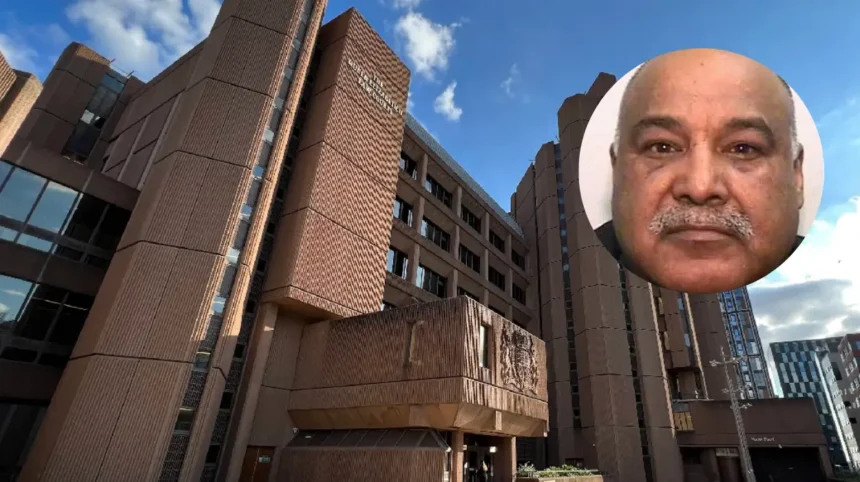
- Shabir Ahmed, 73, known to victims as “Daddy”, is due to be released from prison on July 2 after serving a long sentence for child sexual offences.
- He was convicted in 2012 at Liverpool Crown Court of multiple counts of rape and sexual offences against girls.
- Ahmed was one of nine men convicted in the Rochdale grooming gang trial, which involved offences against five girls.
- Victims were reportedly told he will be released and supervised in the community until June 10 2033.
- Documents said to be from the Probation Service state he cannot be deported to Pakistan because of provisions in the Immigration Act 1971.
- He is understood to have arrived in the UK before 1973 and to have lived here for at least five years before deportation was considered.
- The Home Office says he will face strict licence conditions, including an exclusion zone, curfews, an electronic tag and a ban on contact with children.
- Greater Manchester MPs Paul Waugh and Jim McMahon have raised concerns and said they are disgusted by the release.
Rochdale (Manchester Mirror) June 30, 2026 – Its grooming gang leader Shabir Ahmed is due to be released from prison on July 2, according to documents reportedly sent to one of his victims, after serving the custodial part of his sentence for serious child sex offences. The case has prompted anger because Ahmed was described at trial as the leader of a grooming gang that committed horrific abuse against vulnerable girls in Rochdale.
Ahmed was jailed for 19 years in 2012 at Liverpool Crown Court after being convicted of multiple rapes and sexual offences. He was one of nine men convicted in the Rochdale grooming gang trial, which concerned offences against five girls.
What crimes was Shabir Ahmed convicted of?
As reported in the case summary, Ahmed and other defendants abused girls over a two-year period from early 2008. Girls as young as 12 were given alcohol and drugs before being gang-raped in rooms above takeaway shops and moved between flats in taxis where money was paid for sex.
Judge Gerald Clifton told the court that the victims were treated
“as though they were worthless and beyond any respect”
because they were not part of the gang’s community or religion. That language reflected the severity of the abuse and the way the court viewed the impact on the victims.
Why can’t he be deported?
Documents published online and reported in the story state that Ahmed cannot be deported back to Pakistan because of provisions in the Immigration Act 1971. Those provisions are understood to apply because he arrived in the UK before 1973 and had lived here for at least five years before deportation was considered.
That means, despite being stripped of British citizenship after conviction, he falls within a narrow legal category that prevents removal. The case has therefore become a wider example of how older immigration rules can still affect modern criminal justice decisions.
What conditions will he face after release?
Ahmed is understood to be released on licence and will be supervised in the community until June 10 2033. He will initially live in staffed accommodation with 24-hour supervision and be subject to an exclusion zone centred on Rochdale.
The Home Office says he will also be placed on the sex offenders’ register for life, ordered to stay away from victims, banned from contacting any child or young person, monitored with an electronic tag, and subject to curfews and restriction zones. Officials say any breach could mean he is sent back to prison immediately.
How have politicians reacted?
Greater Manchester MPs Paul Waugh and Jim McMahon have raised the alarm over the release. Mr McMahon said he had been “disgusted” to learn Ahmed was due out later this week and criticised the fact that local MPs were not informed in advance.
He also argued that the idea Oldham is unaffected is “ridiculous”, saying that for every victim who went through the court process, others did not. The comments reflect continuing political pressure around grooming gang cases and the wider question of whether sentencing and post-release rules are strong enough.
What is the wider background?
A 2022 review into historic child sexual exploitation in Oldham found that children were being exploited and let down by services that failed to protect them. The same reporting said Ahmed had worked as a welfare officer at Oldham council for a year without proper checks despite being accused of serious child sexual abuse.
That background has intensified criticism of public agencies and deepened concern among survivors and local communities. The release now lands in a case already tied to years of debate over institutional failure, victim protection and the handling of sexual exploitation cases.
What could happen next?
The most immediate effect will be further distress for victims and renewed public anger, particularly if residents feel the authorities were too slow to warn them. His release conditions may reduce the risk of direct contact, but they will not remove the emotional impact of his return to supervised freedom.
For the government, the case is likely to increase pressure to review deportation law, parole communication and the management of dangerous offenders after release. For victims and campaigners, it may strengthen calls for tougher action against serious sexual offenders and clearer safeguards around community supervision.
Background of the development
This case sits within the long-running Rochdale grooming gang scandal, one of the most notorious child exploitation cases in modern British criminal history. The original convictions in 2012 exposed how multiple girls were abused over time by a group of men operating across Rochdale.
Since then, public scrutiny has extended beyond the offenders to the councils, police, probation services and immigration rules connected to the case. The current release decision shows how those legal and institutional issues continue to shape the story more than a decade later.
Prediction
For victims, this development is likely to reopen old trauma and intensify fears about safety, even with electronic monitoring and exclusion zones. For Rochdale and nearby areas, the release may trigger protests, political statements and calls for more visible police and probation oversight.
For the wider public audience, the case may keep pressure on ministers to close legal loopholes that stop certain foreign-born offenders from being deported. It could also become a reference point in future debates about how Britain handles the release of convicted sex offenders and the duty to protect survivors after sentencing.