Manchester offers an exceptional array of cultural institutions that charge zero admission fees. The city prioritizes public education by funding expansive historical, scientific, and artistic repositories. Visitors access world class exhibitions without encountering financial barriers. This civic strategy transforms the urban center into a premier destination for budget conscious tourism. The local government and academic bodies collaborate to maintain these accessible public assets. Exploring these venues reveals the deep industrial and social heritage of the region.
- What Are The Best Free Museums In Manchester For Science And Industry?
- Which Free Manchester Museums Focus On Social And Political History?
- Where Can Visitors Find Free Art And Culture Museums In Manchester?
- How Do Free University Museums In Manchester Operate?
- What Free Military And Police History Museums Exist In Manchester?
- Which Free Museums In Manchester Feature Sports And Transport History?
- How Can Visitors Navigate Between The Best Free Museums In Manchester?
- FAQs About Free Museums In Manchester
What Are The Best Free Museums In Manchester For Science And Industry?
The Science and Industry Museum stands as the premier free institution for scientific history in Manchester. This facility operates on the site of the world’s oldest surviving passenger railway station and showcases centuries of technological advancements and industrial machinery.
Manchester served as the global center of the Industrial Revolution during the 19th century. The city pioneered mechanized production, textile manufacturing, and early computing technologies. This industrial heritage defines the urban landscape and informs the local cultural institutions today. Preserving these technological milestones provides vital context for modern engineering and software development. The Science and Industry Museum captures this transition from steam power to digital networks. This historical preservation directly supports modern scientific literacy.
The museum features multiple permanent galleries, such as the Textiles Gallery, the Experiment Gallery, and the Revolution Manchester Gallery. Visitors interact with various historical machines, including functional steam engines, early textile looms, and replica computer systems. These interactive exhibits demonstrate the physical processes behind mass production. The facility spans across several historic buildings, namely the Great Western Warehouse, the 1830 Station, and the 1830 Warehouse. The layout forces visitors to engage directly with the architectural history.
The Science and Industry Museum preserves 250 years of innovation across its expansive campus. The facility manages a vast collection of industrial artefacts, totaling over 400,000 individual historical objects. In 2023, the institution completed significant renovations to modernize its structural infrastructure. The venue attracts hundreds of thousands of annual visitors from international locations. Entrance requires zero payment, although the institution accepts voluntary financial donations. The operational budget relies heavily on national government grants.
Maintaining open access to scientific history encourages educational development among young visitors. Free entry removes financial barriers for lower income families seeking interactive learning environments. The museum directly supports school curricula through structured educational programs. Understanding industrial history enables citizens to contextualize modern technological shifts. This free resource ultimately strengthens the cultural economy of Greater Manchester. The institution ensures scientific knowledge remains a public commodity.
Which Free Manchester Museums Focus On Social And Political History?
The People’s History Museum serves as the national museum of democracy and highlights social history. This free institution documents the development of voting rights, labor movements, and equality campaigns across British history through extensive visual archives and historical banners.
Manchester holds a foundational place in the history of global political movements. The city hosted the birth of the Trades Union Congress and the early Suffragette movement. Working class citizens in the region consistently demanded political representation and fair labor conditions. These localized struggles translated into national legislative reforms over the subsequent decades. The People’s History Museum safeguards the physical evidence of these democratic milestones. The exhibits connect historical protests to contemporary civic responsibilities.
The museum displays diverse political artefacts, such as protest banners, election posters, and union badges. The permanent exhibition covers several key historical events, including the Peterloo Massacre, the Match Girls Strike, and the formation of the Labour Party. The facility houses multiple specialized collections, namely the Labour Party archive, the Communist Party of Great Britain archive, and the Department for Work and Pensions archive. These primary sources provide unmatched resources for historical researchers.
The People’s History Museum occupies a restored Edwardian pump house located on the Left Bank of the River Irwell. The main galleries open daily, providing completely free admission to the general public. The institution maintains the largest collection of political banners in the world, totaling more than 400 textile pieces. The building underwent a 12.5 million pound redevelopment in 2010 to expand the primary exhibition spaces. The museum operations depend on a combination of public funding and private trusts.
Free access to democratic history fosters civic engagement among modern populations. Visitors analyze historical protest methods to understand contemporary social movements. The preservation of working class history validates the struggles of ordinary citizens against systemic inequalities. Educational workshops at the venue train students in critical thinking and political literacy. This institution ensures that democratic heritage remains accessible to all economic classes. The resulting civic awareness directly benefits the modern democratic process.
Where Can Visitors Find Free Art And Culture Museums In Manchester?
Manchester Art Gallery and The Whitworth represent the most prominent free art museums in the city. These institutions offer public access to vast collections of historic fine art, contemporary installations, textiles, and sculptures without charging mandatory admission fees.
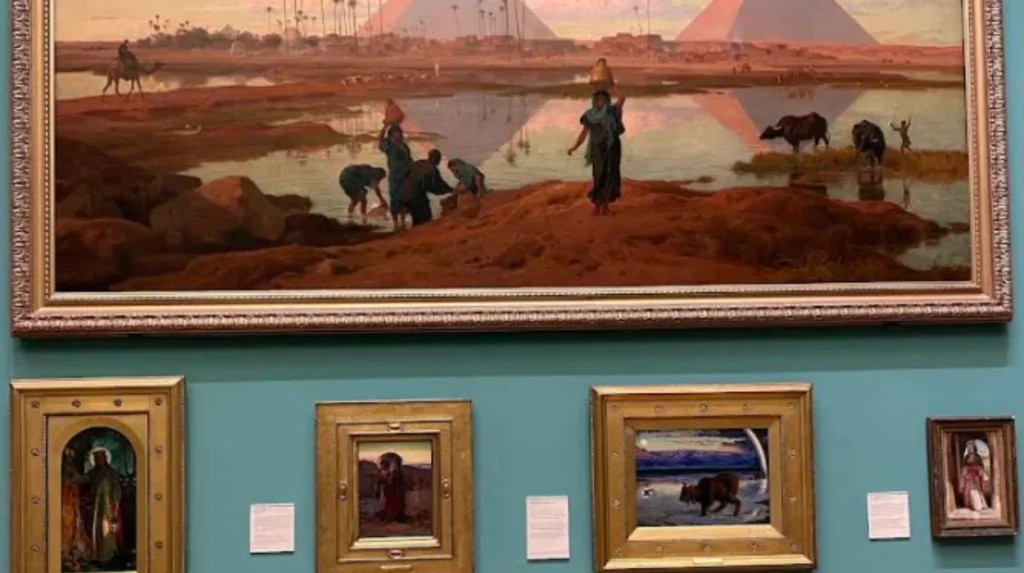
Public art galleries emerged during the Victorian era to elevate the cultural education of industrial workers. Philanthropists funded these institutions to provide aesthetic relief from the heavily polluted urban environment. Today, these venues serve as vital centers for community engagement and artistic expression. Manchester maintains a strong commitment to funding public arts infrastructure. The city ensures residents interact with global artistic heritage freely. This ongoing investment secures the position of the city within the international arts community.
The city supports multiple visual arts venues, such as Manchester Art Gallery, The Whitworth, and Castlefield Gallery. Manchester Art Gallery houses various distinct collections, including Pre Raphaelite paintings, 17th century Dutch works, and modern British art. The Whitworth specializes in several creative mediums, namely historic textiles, wallpapers, and contemporary prints. These galleries regularly host rotating temporary exhibitions, like the South Asian Design showcase and the Everyday Art School program. The dynamic rotation ensures repeat visitation from local residents.
Manchester Art Gallery holds a permanent collection of approximately 46,000 objects spanning six centuries of artistic production. The venue occupies three connected buildings situated directly in the civic center. The Whitworth, located adjacent to Whitworth Park, underwent a 15 million pound renovation in 2015 to double its exhibition space. Both institutions operate from Tuesday to Sunday with zero admission cost. The galleries employ dozens of professional curators to manage these extensive municipal assets.
Eliminating entrance fees for fine art democratizes cultural consumption across society. Citizens from all socioeconomic backgrounds engage with museum quality artwork regularly. The galleries function as therapeutic spaces, reducing urban stress and improving overall mental wellbeing. Exposure to diverse artistic perspectives encourages creative thinking within the local workforce. These free cultural assets significantly enhance the international tourism appeal of the region. A robust free arts sector ultimately drives indirect economic growth through cultural tourism.
How Do Free University Museums In Manchester Operate?
The University of Manchester operates major free museums to support public education and academic research. The Manchester Museum and the John Rylands Research Institute and Library welcome all visitors to explore extensive natural history, archaeology, and literary collections freely.
Academic institutions traditionally restricted their vast archives to enrolled students and registered researchers. However, modern civic universities prioritize public engagement and active community knowledge transfer. The University of Manchester integrates its collections into the broader cultural landscape of the city. Opening these academic vaults to the public democratizes access to elite educational resources. These university owned venues operate simultaneously as active research hubs and public tourist attractions. The dual mandate ensures the collections serve the widest possible audience.
The university manages several specialized cultural sites, such as the Manchester Museum, the John Rylands Library, and the Jodrell Bank Discovery Centre. The Manchester Museum features diverse scientific departments, including Egyptology, Botany, and Herpetology. The John Rylands Library preserves numerous rare literary formats, namely illuminated manuscripts, early printed books, and personal archives. Visitors explore various historic environments, like the neo Gothic reading room and the newly constructed South Asia Gallery. The architecture itself functions as a primary attraction.
The Manchester Museum recently completed a 15 million pound transformation in 2023 to expand its inclusive spaces. The institution houses over 4.5 million individual specimens and historical artefacts. The John Rylands Library building, located on Deansgate, opened to the general public in 1900. The library holds 250,000 printed volumes and over one million distinct archival items. Both venues provide completely free access, though special research viewing requires formal prior appointments.
Free university museums bridge the gap between academic research and general public knowledge. High school students utilize these facilities to prepare for higher education environments. The presence of world class research materials inspires local youth to pursue careers in science and humanities. The university builds trust with the surrounding community by sharing its intellectual wealth. This open door policy establishes Manchester as a premier destination for specialized educational tourism. The regional economy benefits from the constant influx of visiting scholars and tourists.
What Free Military And Police History Museums Exist In Manchester?
The Imperial War Museum North and the Greater Manchester Police Museum offer free entry to explore conflict and law enforcement history. These specialized institutions preserve the physical artefacts of global warfare and regional policing through immersive and historical exhibits.
Documenting the realities of war and civil law enforcement provides essential context for modern societal structures. Conflict shapes geopolitical boundaries, technological advancements, and civilian experiences. Similarly, the evolution of policing reflects changing social values and complex legal frameworks. Greater Manchester preserves these intense historical narratives through dedicated institutional spaces. Providing free access ensures citizens reflect on the profound impacts of human conflict and justice systems. The exhibits demand serious contemplation from all visiting demographics.
The Imperial War Museum North explores several dimensions of modern conflict, such as the First World War, the Second World War, and contemporary global peacekeeping missions. The Greater Manchester Police Museum features multiple reconstructed historical spaces, including Victorian holding cells, an 1895 magistrates court, and a vintage police transport section. These venues display various operational artefacts, namely military uniforms, archived case files, and historic weapons. The curated objects provide tangible connections to intense historical events.
The Imperial War Museum North occupies a striking aluminum clad building designed by architect Daniel Libeskind, situated in Trafford Park. The venue opened in 2002 and utilizes a 360 degree cinematic experience to immerse visitors. The Greater Manchester Police Museum operates out of a former police station on Newton Street in the Northern Quarter. The police museum opens to the public entirely free of charge on Tuesdays. Both institutions rely heavily on dedicated volunteer staff to conduct expert guided tours.
Studying military and police history fosters critical thinking regarding state power and international relations. Free admission allows veterans and retired officers to share their historical experiences without facing financial barriers. The police museum facilitates positive interactions between law enforcement history and modern urban communities. The Imperial War Museum North promotes peace education by confronting visitors with the stark realities of warfare. These institutions perform vital roles in public moral education and historical remembrance.
Which Free Museums In Manchester Feature Sports And Transport History?
The National Football Museum offers free entry for Manchester residents, while the Museum of Transport provides extensive public access to transit history. These institutions celebrate the deeply rooted sporting culture and the evolution of public mobility across Greater Manchester.
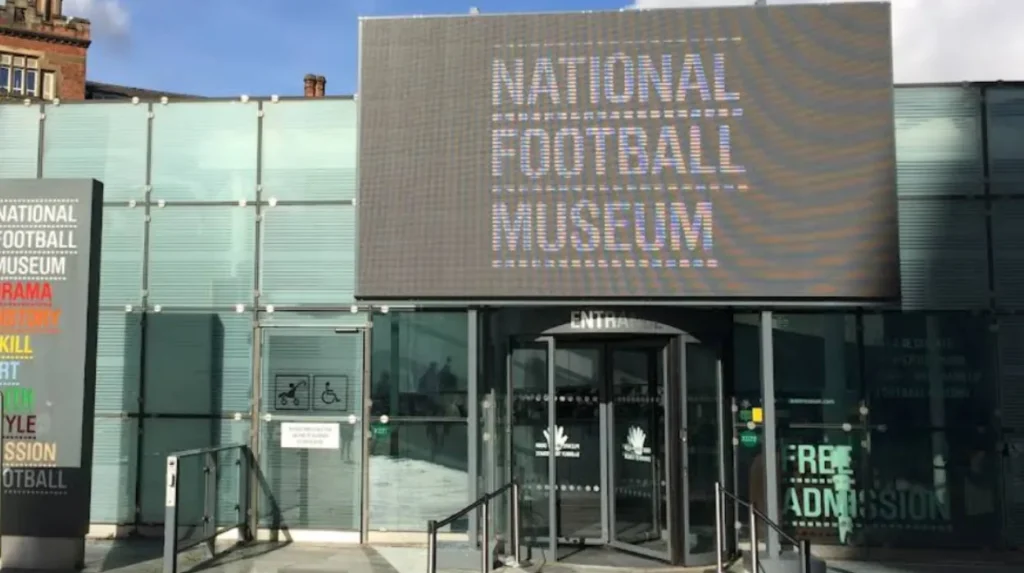
Sports and public transportation fundamentally define the daily experiences of the urban working class. Football emerged as a primary cultural export for Manchester, uniting local communities and generating immense global fandoms. Concurrently, efficient public transit networks enabled the massive expansion of the industrial metropolis. Preserving the heritage of these everyday activities validates popular culture as legitimate historical study. These museums capture the social history of leisure and geographic movement. The exhibits reflect the authentic daily lives of historical residents.
The National Football Museum features numerous interactive zones, such as the Penalty Shootout, the Discovery Zone, and the Match of the Day commentary challenge. The facility houses several distinct trophy collections, including the FA Cup, the Jules Rimet Trophy replica, and the English Football League trophies. The Museum of Transport displays various historical vehicles, namely horse drawn buses, vintage electric trams, and classic double decker motorbuses. These large scale artefacts require specialized warehouse environments for proper preservation.
The National Football Museum occupies the iconic Urbis building located directly in Cathedral Gardens. While standard adult admission costs 15 to 18 pounds, all residents paying Manchester City Council tax receive entirely free entry. The Museum of Transport, located in Cheetham Hill, operates from a restored 1901 transport depot. The facility preserves over 80 vintage vehicles documenting 100 years of public transit history. Both venues require simple proof of address or small voluntary donations for optimal public access.
Recognizing popular sports within a museum context engages demographics that traditionally avoid formal cultural institutions. The football museum leverages global sports passion to educate visitors on social history and media evolution. The transport museum highlights the critical importance of sustainable public transit infrastructure. Preserving vintage buses and trams connects older generations with their youth while educating children on technological progress. These venues demonstrate that history encompasses everyday leisure and daily commuting patterns.
How Can Visitors Navigate Between The Best Free Museums In Manchester?
Visitors easily navigate between the best free museums in Manchester using the highly integrated public transport system. The Metrolink tram network, the free Metroshuttle bus service, and extensive pedestrian pathways connect all major cultural institutions across the city center.
Urban mobility dictates the success of public cultural infrastructure. Concentrating museums within a connected geographic zone maximizes tourist engagement and overall accessibility. Manchester designed its transit network to facilitate seamless movement between key historical and commercial districts. Efficient transportation reduces the carbon footprint of tourism and prevents severe city center congestion. A cohesive transit strategy ensures that free cultural assets remain genuinely accessible to the wider population. Transport planning acts as a direct extension of cultural policy.
The city offers multiple transit options, such as the Metrolink tram, regional trains, and zero emission electric buses. Visitors utilize several key transit hubs, including Piccadilly Station, Victoria Station, and St Peter’s Square. The free Metroshuttle service operates along multiple distinct routes, namely Route 1, Route 2, and Route 3. These services link directly to primary cultural sites, like the Manchester Art Gallery, the People’s History Museum, and the Science and Industry Museum. The routes maximize convenience for visiting tourists.
The Metrolink tram system covers 99 individual stops across Greater Manchester, making it the largest light rail network in the United Kingdom. Visitors purchase day travel cards for exactly 6 to 8 pounds to access all central zones. The free city center bus services run every 10 minutes during standard operational hours. Walking between central venues, such as from the Central Library to the Manchester Art Gallery, requires less than five minutes of pedestrian travel. The compact geography benefits all travelers.
Providing efficient and low cost transit amplifies the economic benefits of free museum infrastructure. Tourists spend saved admission money on local hospitality, dining, and retail sectors. Accessible infrastructure ensures disabled visitors and families with young children navigate the cultural districts safely. The integration of transit and culture defines Manchester as a modern, highly progressive European destination. This urban planning strategy maximizes the public return on long term cultural investments.
Read more: Indigo Cuts Manchester Flights As Costs Rise
Read more: Maya Manchester Closes After Two Years Amid Hospitality Crisis
Related article: Greater Manchester Fire Service Celebrates Bicentenary Milestone
FAQs About Free Museums In Manchester
Are all museums in Manchester completely free to enter?
Many major institutions offer completely free entry to their permanent collections all year round. Some venues charge admission fees for specific temporary exhibitions or highly specialized events. The National Football Museum charges non residents but grants free access to local taxpayers. Visitors must always check the official policies of individual venues before planning a trip.
Do visitors need to book tickets for free Manchester museums in advance?
Several major institutions require visitors to book free timed entry tickets online prior to arrival. The Science and Industry Museum and the Manchester Museum strongly recommend advance booking during school holidays. Reserving tickets guarantees entry during peak operational hours. Walk in visitors risk denial of entry when buildings reach maximum capacity limits.
Which free Manchester museums are best for children?
The Science and Industry Museum provides extensive interactive science exhibits tailored specifically for younger audiences. The Manchester Museum features highly popular dinosaur skeletons and live animal enclosures. These venues construct dedicated family zones to ensure children engage safely with the collections. Educational staff frequently host free interactive workshops during weekend hours.
How much time is needed to visit the Science and Industry Museum?
Visitors typically require three to four hours to fully explore the permanent galleries and historical machinery. The expansive site encompasses multiple distinct historical buildings connected by outdoor courtyards. Engaging with the interactive physics experiments significantly extends the total duration of the visit. Planning a half day itinerary ensures guests observe the live textile machinery demonstrations.
Is the National Football Museum free for everyone?
The National Football Museum operates a tiered pricing structure based on the primary residential address of the visitor. All individuals residing within the Manchester City Council boundary receive entirely free admission upon presenting valid identification. Visitors living outside this specific geographic zone must purchase standard admission tickets. The venue uses these admission revenues to maintain the extensive sporting archives.