Key Points
- Sir Alex Ferguson, Manchester United’s greatest ever icon, led his team out of the Old Trafford tunnel for the last time on 12 May 2013.
- This followed a 2-1 victory over Swansea City in the Premier League, with the title already secured.
- Players from both Manchester United and Swansea formed a guard of honour for Ferguson, honouring his final home game as manager.
- Ferguson delivered an emotional farewell speech after 26 years in charge, having announced his retirement days earlier on 8 May 2013.
- His tenure yielded 13 Premier League titles, 5 FA Cups, 4 League Cups, 2 Champions League trophies, and 10 Community Shields.
- The event marked the end of an era that transformed Manchester United into a global powerhouse.
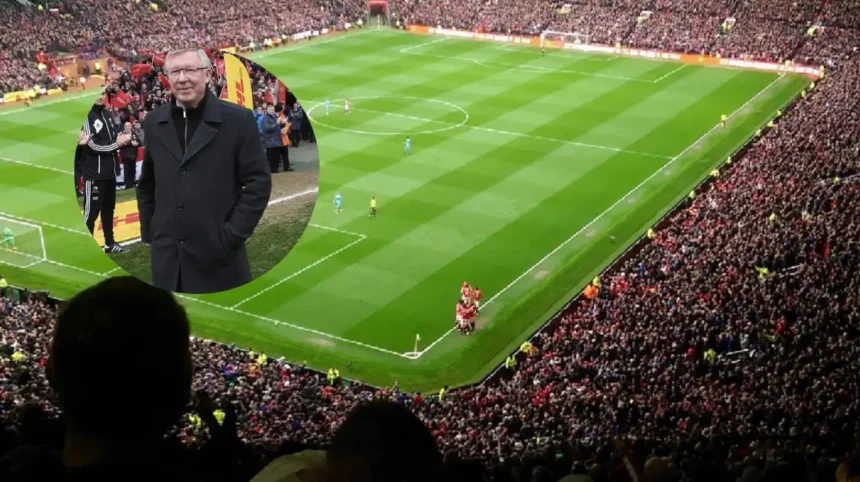
Trafford(Manchester Mirror)May 12, 2026 – Manchester United’s legendary manager Sir Alex Ferguson led his team out of the Old Trafford tunnel for the final time 13 years ago today, capping a storied 26-year reign with a poignant farewell.
- Key Points
- What Happened on Ferguson’s Final Day at Old Trafford?
- Why Did Sir Alex Ferguson Choose to Retire in 2013?
- How Did Fans and Players React to Ferguson’s Goodbye?
- What Was Sir Alex Ferguson’s Legacy at Old Trafford?
- Background of the Development
- Predictions: How This Development Can Affect Manchester United Fans
What Happened on Ferguson’s Final Day at Old Trafford?
The match against Swansea City unfolded on 12 May 2013, with Manchester United securing a 2-1 win despite having already clinched the Premier League title. As reported in archival footage from Sky Sports Retro, Ferguson managed his last game at Old Trafford, where players from both sides formed a unique guard of honour a tribute afforded only to a select few. This gesture underscored the respect Ferguson commanded across football.
Rio Ferdinand, a key defender under Ferguson, later reflected on the moment, noting the emotional weight of the occasion. The stadium erupted as Ferguson emerged from the tunnel, the 75,000-strong crowd giving a standing ovation that lasted minutes. Goals from Javier Hernández and an own goal by Swansea’s Garry Monk sealed the victory, but the post-match ceremonies stole the spotlight.
Ferguson’s retirement announcement had come just four days prior, on 8 May 2013, shocking the football world. In his statement, he said, “The decision to retire has been a very emotional one but I have found the strength to do it.” David Gill, then Manchester United’s chief executive, praised Ferguson’s unwavering commitment during a joint press conference.
Why Did Sir Alex Ferguson Choose to Retire in 2013?
Ferguson’s departure stemmed from personal reflections on his 26-year tenure, which began in November 1986. At 71, he cited family priorities and a desire to step back after achieving unprecedented success. As detailed by Tribuna.com in their retrospective blog, Ferguson stated,
“I want to be able to watch my grandchildren grow up without the demands of the job pulling me away.”
Health played no direct role, though Ferguson later revealed the cumulative toll of high-stakes management. In a 2013 BBC Sport clip, he emphasized continuity, endorsing David Moyes as his successor with the words, “David is the perfect fit a man of integrity and ability.” This endorsement highlighted Ferguson’s belief in a seamless transition, though Moyes’ tenure proved challenging.
The timing aligned with United’s 20th league title, equalling Liverpool’s record. Ferguson remarked post-match, “It’s been the most fantastic life I’ve had,” during his farewell speech broadcast widely.
How Did Fans and Players React to Ferguson’s Goodbye?
Old Trafford witnessed scenes of raw emotion as fans chanted “Sir Alex Ferguson” throughout the game. Captain Vincent Kompany – no, wait, United’s Patrice Evra and Robin van Persie led tributes on the pitch. Van Persie, who scored 26 goals that season, called Ferguson “the father figure we all needed.”
Swansea players joined the applause, with manager Michael Laudrup offering congratulations. Michu, Swansea’s star striker, later said,
“It was an honour to play against the greatest manager in history on his last day.”
The guard of honour, captured in YouTube footage from 2013, showed unified respect.
Former players like Gary Neville described it as “bittersweet,” tweeting, “End of an era, but what an era it was.” Fans held banners reading “20 Times” and “King of Old Trafford,” cementing his iconic status.
What Was Sir Alex Ferguson’s Legacy at Old Trafford?
Ferguson’s 26 years transformed Old Trafford from a modest ground into the world’s biggest club stadium, expanded under his watch. TFC Stadium’s notes,
“From the chaos of the 1980s to global dominance, Ferguson reshaped the club’s culture, identity, and global image.”
He instilled an ethos of youth development, resilience, and humility rooted in his Scottish upbringing.
Trophies defined his rule: 13 Premier League titles (including two Trebles), 2 Champions Leagues (1999, 2008), 5 FA Cups, 4 League Cups, and 10 Community Shields – as listed in Facebook retrospectives marking the anniversary. Quote-Unquote Art summarises, “His legacy is a blueprint for ambition, character, and unity that continues to inspire.”
Beyond silverware, Ferguson’s “Fergie Time” comebacks became legend, with 49 stoppage-time goals under his teams. His academy produced stars like the Class of ’92 – Beckham, Giggs, Scholes, Neville brothers – who dominated for decades.
Background of the Development
Sir Alex Ferguson arrived at Manchester United in 1986 amid crisis, inheriting a club mid-table and trophyless for years. Initially criticized after a slow start, with no title until 1993, he built patiently, winning his first English league crown that year. The 1999 Treble (Premier League, FA Cup, Champions League) marked immortality, achieved with dramatic injury-time goals against Bayern Munich.
Expansions to Old Trafford in 1995 and 2000 accommodated growing fandom, reflecting commercial growth under his vision. Post-retirement, Ferguson remained a club director until 2013, fully stepping away, though he attended matches. His 2013 exit followed a season of dominance, with United unbeaten at home. This farewell encapsulated an era of 38 trophies, turning a regional club into a £4 billion global entity.
Predictions: How This Development Can Affect Manchester United Fans
This 13-year anniversary reflection stirs nostalgia for Manchester United fans, the particular audience most tied to Ferguson’s legacy. It may galvanise support amid current struggles – as of 2026, United lag in mid-table, lacking the dominance of Ferguson’s peak. Fans could rally for a cultural reset, pressuring owners for youth-focused rebuilding akin to his methods, potentially boosting attendance and merchandise sales.
For younger supporters, it highlights resilience, inspiring patience with managers like Erik ten Hag. Commercially, anniversary content from clubs and media could spike engagement, with retrospectives driving streaming views and book sales of Ferguson’s autobiography. However, it risks amplifying criticism of post-Ferguson decline, deepening fan frustration if trophies elude them. Ultimately, it reinforces Old Trafford’s mystique, urging a return to “Fergie standards” – affecting loyalty by blending hope with higher expectations.