Key Points
- TransPennine Express (TPE) is launching an all‑night train service between Manchester Piccadilly and Manchester Airport from 17 May 2026.
- The new timetable adds eight extra services, providing an approximately hourly connection 24 hours a day, seven days a week.
- The change is framed as a major upgrade to late‑night and early‑morning connectivity for airport passengers, shift workers and night‑time travellers.
- The service will operate as part of TPE’s wider May timetable shake‑up, aimed at improving regional and airport‑city links across the North of England.
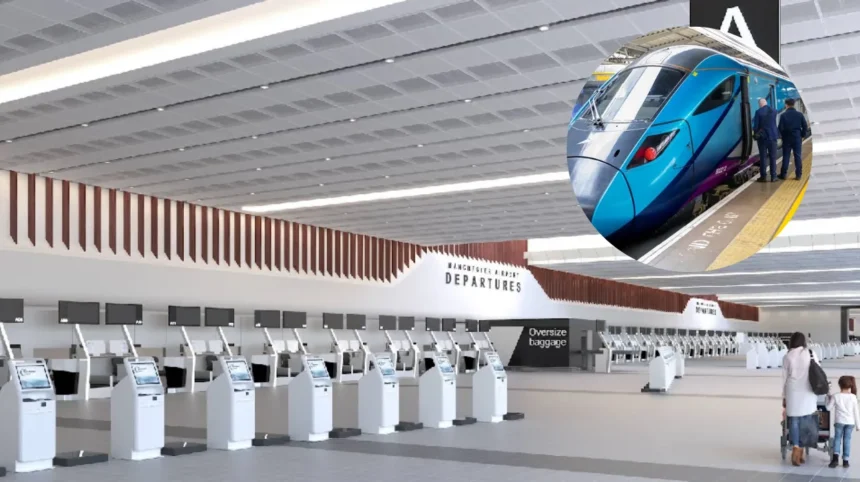
Manchester(Manchester Mirror)May 12, 2026 – TransPennine Express (TPE) is set to switch on a new round‑the‑clock train service to Manchester Airport later this week, marking one of the most significant upgrades to the city’s rail‑to‑airport links in recent years. The operator will introduce eight additional trains to and from Manchester Piccadilly from Sunday 17 May, paving the way for an hourly connection at all hours of the day and night.
What exactly is changing on the ground?
As reported by ITV News Granada, trains will now run all night to Manchester Airport in a major new timetable shake‑up, with TransPennine Express saying the eight new services will mean there will be a train roughly every hour between Manchester Piccadilly and the airport all day, every day. The Independent’s travel desk notes that Manchester city centre and the airport will be connected “throughout the night” under the new schedule, allowing passengers travelling early in the morning or returning from late‑night flights to stay linked to the terminals at all times.
BBC News adds that the new overnight services will see TransPennine Express step up its frequency on the airport route, with the company aiming to improve connectivity for passengers who rely on early‑morning departures or late‑night arrivals. Rail Technology Magazine underscores that the all‑night offering will be embedded within TPE’s broader timetable changes next month, which are designed to strengthen regional links in the North.
Why is this happening now?
In a statement released via the TPE media centre, the company explained that the introduction of all‑night services is a response to growing demand for more flexible airport‑city travel, particularly among shift‑workers, night‑time economy staff and long‑haul passengers. The Independent’s coverage characterises the move as part of a wider push to “future‑proof” rail access to major UK airports, with Manchester’s status as the country’s third‑largest airport cited as a key driver.
ITV News Granada quotes a TPE spokesperson as saying the new timetable will “make life easier” for people catching early flights or returning on late‑night services, while also supporting Greater Manchester’s ambition to position itself as a 24‑hour economic hub. Rail Technology Magazine notes that the operator is aligning the change with planned upgrades to rolling stock and signalling along the cross‑Pennine corridor, although the company has not yet confirmed whether the new overnight trains will run with new or refurbished units.
How will passengers experience the new service?
According to the BBC, the addition of eight services will mean that, instead of facing gaps in the evening and early‑morning hours, passengers will be able to expect a train roughly every hour between Manchester Piccadilly and the airport at all times. The Independent highlights that this will particularly benefit those travelling between roughly 22:00 and 06:00, a period when connections have historically been thinner and more reliant on taxis or night buses.
Manchester‑based transport commentators quoted by Granada‑area outlets suggest that the change could reduce congestion around the airport perimeter and around Piccadilly, as more passengers may choose the train over private cars or ride‑hail vehicles for late‑night drop‑offs and pick‑ups. However, TPE has also warned that the all‑night service may not carry the same level of staffing as daytime trains, a point which the BBC says the operator is aiming to communicate clearly through its timetables and customer‑information channels.
What are the wider implications for the region?
Rail Technology Magazine frames the new all‑night service as part of a broader pattern of “air‑rail” investment in the North, with cities such as Manchester, Leeds and Newcastle all seeing enhanced or upgraded links to regional airports in recent years. The Independent’s analysis suggests that the move could make Manchester a more attractive destination for passengers connecting from other UK regions, as TPE services heading into Piccadilly will now feed into an always‑running airport shuttle.
ITV News Granada quotes local business leaders who argue that the 24‑hour rail link will support Greater Manchester’s night‑time economy, helping airport workers, hospitality staff and late‑shift employees travel more reliably between the city and terminals. At the same time, transport campaigners have called on TPE and Network Rail to ensure that the new timetable is implemented without cutting other regional services, warning that any “zero‑sum” reallocation of rolling stock could dilute gains elsewhere on the network.
Background to the development
The push for more frequent and all‑night airport rail services in Manchester has been building for several years. Prior to the May 2026 timetable change, TransPennine Express ran a limited number of late‑evening and early‑morning services, but gaps of several hours could still occur, particularly during off‑peak hours. As the airport’s passenger numbers grew and night‑time flights expanded, pressure mounted from local authorities, business groups and passenger‑advocacy bodies to close those gaps.
The new night‑time service is therefore the latest stage in a longer‑running effort to treat Manchester Airport as a 24‑hour transport node rather than a facility that effectively “switches off” when most mainline services stop. It also sits alongside earlier investments in Metrolink extensions and bus‑rail interchange improvements, all of which are intended to reduce car dependency around the airport and improve access for nearby communities.
Predictions: How this could affect local passengers and the wider region
For Manchester residents and airport‑area workers, the introduction of hourly night‑time trains is likely to make shift work more manageable, especially for those finishing late or starting early shifts. Many employees who currently rely on taxis or friends for lifts may gravitate towards the train, which is expected to be cheaper and more predictable than road‑based options during late‑night hours.
For tourists, business travellers and visiting families, the round‑the‑clock service could reduce stress around missed transport connections and make it easier to plan flights that arrive or depart outside conventional “peak” rail hours. This, in turn, may nudge more passengers to choose Manchester as a UK hub over other cities where airport‑city rail links remain more limited by timetable constraints.
For the wider North of England, the move reinforces the role of TransPennine Express as a key connector between major cities and regional airports, potentially encouraging further timetable enhancements on other TPE routes. If the night‑time airport service proves popular and financially sustainable, it could set a precedent for similar 24‑hour or “near‑24‑hour” airport‑city links in other UK regions, reshaping how passengers around the country think about late‑night and early‑morning travel.