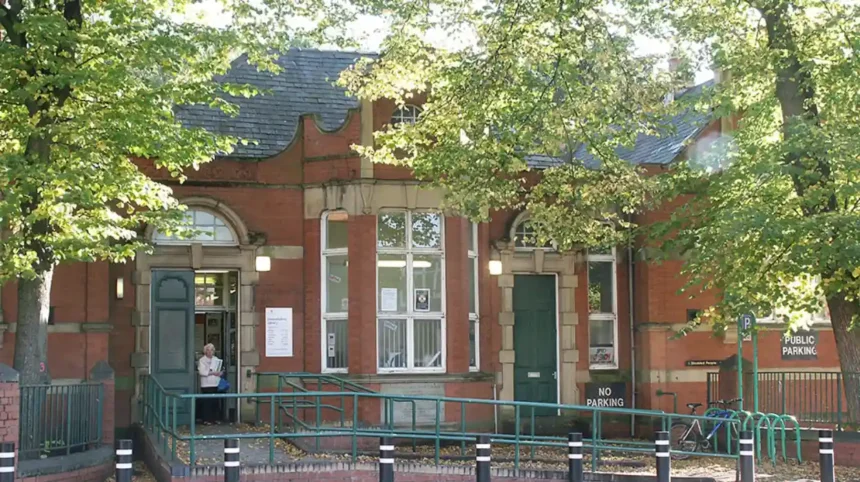
Gorton and Levenshulme are two adjacent Manchester neighbourhoods with the same postcode district (M18 / M19) but sharply different trajectories. Over the past two decades, Levenshulme has become a gentrifying hub for young professionals and students, while Gorton has remained more economically constrained by older housing stock, lower incomes, and weaker investment. This article explains, in a strictly factual and data‑oriented way, why one area thrives while the other sinks.
- What makes Gorton and Levenshulme different as places
- Why does Levenshulme appear to thrive over Gorton?
- What economic and housing factors explain the gap?
- How do transport and location shape their trajectories?
- What do population and demographic data show?
- What are the social and health‑inequality implications?
- How has political and policy focus affected each area?
- What examples of real‑world change illustrate the divide?
- What are the long‑term implications for each area?
- How can this pattern be understood beyond Gorton and Levenshulme?
What makes Gorton and Levenshulme different as places
Gorton and Levenshulme are neighbouring electoral and neighbourhood areas in east Manchester, both within the Gorton and Levenshulme neighbourhood partnership and the wider Manchester City Council authority area. They share a similar postcode boundary line along routes such as South Mount Road, with M18 generally tied to Gorton and M19 to Levenshulme. Together they form a single neighbourhood‑level Integrated Neighbourhood Team and Primary Care Network, covering about 53,500 registered residents.
Gorton is historically a working‑class, industrial area with a large proportion of social housing and older terraced properties. Levenshulme lies further south‑west, closer to Fallowfield and the Metrolink tram line, and has a stronger mix of owner‑occupation and private rental stock. This baseline difference in housing type, transport access, and demographic profile underpins the divergence in how each place develops over time.
Manchester City Council classifies Gorton and Levenshulme within the same neighbourhood profile for health and wellbeing, yet the two areas show distinct patterns in population change, income levels, and housing demand. Gorton’s streets are dominated by semi‑detached and older terraced houses with high social‑rental density, while Levenshulme’s streets include more modern flats, renovated Victorian housing, and a visible student‑landlord presence.
Why does Levenshulme appear to thrive over Gorton?
Levenshulme is identified in local commentary and political reporting as a “rapidly gentrifying” neighbourhood with a growing population of young professionals, students, and renters. This shift is driven by its proximity to the University of Manchester, the Metrolink line, and the city centre, which compress journey times and raise land‑value expectations. As a result, Levenshulme attracts more private investment in housing refurbishment, café culture, and small‑scale retail compared with Gorton.
Manchester City Council’s neighbourhood profiles show that Levenshulme has higher levels of owner‑occupation and private renting than Gorton, where social housing and council stock are more dominant. The Joint Strategic Needs Assessment notes that Levenshulme’s housing mix and connectivity foster stronger demand from mobile, higher‑earning households, while Gorton’s older stock and lower‑income base reduce private‑sector incentives.
From a policy‑and‑investment standpoint, Levenshulme has benefited from transport‑led regeneration, including Metrolink extensions and walkable routes to the city centre. These upgrades make it attractive for developers converting older houses into flats for students and professionals, whereas Gorton’s infrastructure has not kept pace in the same way.
What economic and housing factors explain the gap?
Economically, Gorton has higher proportions of households in fuel poverty and absolute poverty than Levenshulme. The Gorton and Levenshulme Integrated Neighbourhood Team reports that over 3,000 children in the combined neighbourhood live in absolute poverty, with the heaviest concentration in Gorton‑centred wards. Income‑deprivation data from the Manchester Joint Strategic Needs Assessment show that Gorton neighbourhoods sit in the highest deprivation deciles in the city, while Levenshulme is less deprived on average.
Housing‑type data reveal that Gorton has a higher share of social‑rent properties and older, lower‑value housing. Council neighbourhood profiles list a large proportion of older terraced homes and ex‑council stock, with fewer private‑rent or owner‑occupied flats. In contrast, Levenshulme’s housing is described as more mixed, with a visible share of flats, newer conversions, and private‑sector managed blocks.
These differences translate into investment behaviour. Private investors and landlords focus on Levenshulme because converted properties can command higher rents from students and professionals linked to the university and the city centre. Gorton’s lower‑income base and higher dependence on social housing reduce the expected return on such conversions, so fewer capital‑intensive refurbishments occur.
How do transport and location shape their trajectories?

Levenshulme’s location places it on or near the Metrolink line to the city centre, significantly reducing travel time and improving labour‑market access. Manchester City Council’s neighbourhood assessment notes that areas with Metrolink or high‑frequency bus links experience stronger demand for housing and commerce than those without. Levenshulme’s position along these corridors also exposes it to spillover demand from the university and the city’s knowledge‑based economy.
Gorton, by contrast, is further east and has less direct public‑transport connectivity to the core employment and education hubs. While bus routes exist, they are not as frequent or as fast as Metrolink‑served corridors, which limits the catchment of higher‑earning commuters. This geographic‑access gap means Gorton’s housing market is more local and price‑sensitive, reinforcing its lower‑value profile.
The proximity of Levenshulme to the Wilmslow Road corridor and the university district also feeds footfall and business opportunities. Shops, cafés, and takeaways in Levenshulme benefit from student traffic, which does not spill as strongly into Gorton. Over time, this retail‑and‑service advantage feeds a virtuous cycle of investment and business viability that Gorton finds harder to replicate.
What do population and demographic data show?
The combined Gorton and Levenshulme neighbourhood partnership area has a registered population of about 53,000 people, with a slightly higher share of males than females. The population is younger on average than the city baseline, with around 65 per cent aged between 19 and 67 and a smaller share over 68. This age structure reflects the presence of students, young families, and working‑age adults in both areas.
Ethnically, the neighbourhood is more diverse than Manchester as a whole, with a large Asian population, a growing African population, and a more transient Roma population. However, demographic surveys show that Levenshulme has a higher proportion of white‑British and international students, while Gorton has a higher concentration of long‑standing minority‑ethnic communities.
Manchester’s Mosaic neighbourhood profile indicates that around 21,600 households lie within the Gorton and Levenshulme area, with “renting a room” being the single most common household type at nearly 30 per cent. This reflects the heavy reliance on private‑rent tenancy and shared housing, especially in Levenshulme.
What are the social and health‑inequality implications?
The Gorton and Levenshulme neighbourhood is explicitly described in local health documents as experiencing significant socio‑economic and health inequalities. Common health problems include hypertension, obesity, diabetes, and asthma, with higher prevalence in the more deprived parts that align closely with Gorton‑centred wards.
Poverty data show that about 20 per cent of households in the broader neighbourhood are in fuel poverty, and more than 3,000 children live in absolute poverty. These figures are denser in Gorton, where unemployment and economic inactivity rates are higher than in Levenshulme. The Manchester Joint Strategic Needs Assessment links this pattern to lower educational attainment, poorer housing quality, and limited access to high‑paying jobs.
In response, the Integrated Neighbourhood Team has prioritised social‑prescribing schemes, community‑health initiatives, and partnerships with voluntary organisations to address social isolation and health‑related deprivation. These efforts are more urgently targeted in Gorton, reflecting the steeper inequality gradient there compared with Levenshulme.
How has political and policy focus affected each area?
Politically, Gorton is treated as a traditional Labour‑leaning, working‑class constituency with periodic pressure from left‑wing and Green challengers. Recent by‑election coverage describes Gorton as a “diverse working‑class area” where Labour’s hold is stable but not unchallenged, indicating long‑term, entrenched socio-economic conditions.
Levenshulme, by contrast, is described in the same analyses as a gentrifying area with a strong appeal for Green voters and younger, more mobile demographics. This political‑identity shift reflects the changing electorate and the influx of higher‑education‑linked residents, which can influence local‑council priorities and resource allocation.
Manchester City Council’s neighbourhood plans and inequalities data reports show that Gorton receives more targeted anti‑poverty and health‑improvement funding, while Levenshulme benefits more from transport‑led regeneration and private‑sector schemes. This policy mix can inadvertently reinforce divergence: direct welfare and health support in Gorton does not automatically raise land values, whereas transport upgrades and university‑proximity in Levenshulme do.
What examples of real‑world change illustrate the divide?
In Levenshulme, the transformation since the 2010s includes the conversion of older houses into flats, the opening of independent coffee shops and cafés, and the growth of short‑term and student‑let businesses. Local‑government assessments note that retail and leisure spending in Levenshulme has increased more than in Gorton, driven by younger, mobile consumers.
In Gorton, visible change is more mixed. Examples include the regeneration of the Gorton Monkhouse estate, the partial redevelopment of the former Gas Works site, and targeted community‑centre refurbishments. However, these projects do not yet match the scale and density of private‑sector‑led change seen in Levenshulme’s core streets.
The Manchester City Council neighbourhood profile also records that vacancies and substandard housing remain higher in parts of Gorton than in Levenshulme, which constrains any rapid uplift in perceived desirability. By contrast, Levenshulme’s housing‑market activity is characterised by higher turnover and more frequent refurbishment, which signals investor confidence.
What are the long‑term implications for each area?
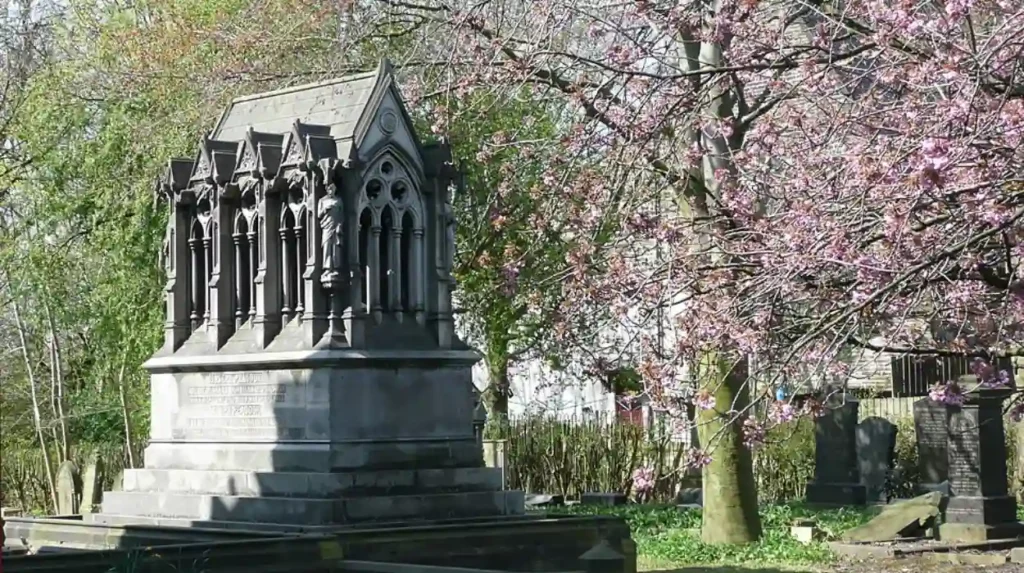
For Levenshulme, continued gentrification risks rising housing costs, reduced affordability for lower‑income residents, and potential displacement of long‑standing communities. Local‑authority data and neighbourhood strategies acknowledge that increased demand can push up rents and property prices, which may erode the social diversity that once defined the area.
For Gorton, the long‑term challenge is how to stimulate investment without excluding existing residents. Without stronger transport links, higher‑income inflows, or large‑scale housing‑stock upgrades, Gorton risks staying in a “low‑value, high‑deprivation” equilibrium where public‑sector support covers basic needs but does not lift the area into the higher‑value band occupied by Levenshulme.
The broader implication for Manchester is that small‑scale spatial differences, such as being on or off the Metrolink line, or 500 metres closer to the university can compound into major economic and social divides. This pattern highlights the need for deliberate, place‑based interventions that distribute transport‑infrastructure gains and private‑sector opportunities more evenly across neighbouring wards.
How can this pattern be understood beyond Gorton and Levenshulme?
The Gorton–Levenshulme contrast illustrates a wider urban‑development principle: physical proximity does not guarantee equal outcomes when transport, housing‑market structure, and labour‑market access differ. Similar patterns appear in other UK cities where areas just a few streets apart diverge into “hot” and “cold” property markets based on connectivity and demographic demand.
In policy terms, the key variables are transport infrastructure, housing‑stock composition, and local labour‑market linkages. When all three tilt in favour of one neighbourhood, as in Levenshulme, land values and investment rise; when they lag, as in Gorton, the area stays economically constrained even if welfare and health‑support services improve.
For urban planners and policymakers, this case suggests that anti‑deprivation strategies must be paired with proactive spatial‑investment decisions. Upgrading transport links, modernising housing stock, and actively steering skilled‑worker and student demand into deprived but adjacent areas can help narrow gaps like the one between Gorton and Levenshulme rather than widening them.
What celebrities were born in Gorton?
Several British public figures have roots in Gorton, including broadcaster and politician George Galloway, who was born in the Gorton area of Manchester.
What is the loveliest town in England?
Many people consider places like Bath, Harrogate, or Rye among the loveliest towns in England, often cited for their historic architecture and high quality of life.
Where in England has the best quality of life?
Areas such as Wychavon in Worcestershire, Tunbridge Wells in Kent, and parts of the South West are frequently ranked among the best places to live in England for quality of life.
What is the best state secondary school in London?
While rankings vary, schools like Henrietta Barnett School in Hampstead and Hurlingham Academy in Fulham are often listed among the top‑performing state secondary schools in London.
What is the girl’s version of Eton?
The school most often described as the “girl version of Eton” is Cheltenham Ladies’ College, a leading independent boarding school for girls in Gloucestershire.