Key Points
- A long‑running family funfair in North Wales, located about 90 minutes from Manchester, has been abandoned after 53 years of operation.
- The site, formerly known as the Rhyl Funfair (also tied to the Ocean Beach and likely Children’s Village area), once drew thousands of Welsh and English visitors each summer.
- The park offered classic seaside attractions such as bumper cars, carousels, roller coasters and spinning tea‑cup rides during its peak years.
- A major accident in July 2005, when a roller coaster derailed after being struck by another car, injured five people and damaged the park’s reputation and safety image.
- Visitor numbers began to decline, and investment in new rides slowed, leading owners to announce permanent closure on 2 September 2007.
- Since then, many machines have been dismantled or sold, while others have been left to rot, with images showing rusting rides and derelict structures.
- The coastal land has since been earmarked for commercial redevelopment, including a proposed mixed‑use retail or leisure complex, but most plans have stalled or been abandoned.
- Today, the site is described as “eerily silent”, with only remnants and memories of the former attraction remaining, while the seaside town of Rhyl has continued to seek new leisure and tourism anchors.
Beloved North Wales funfair closed after 53 years, now abandoned in 2026
Manchester(Manchester Mirror) April 06, 2026 – A cherished seaside funfair just 90 minutes from Manchester has lain abandoned for years after 53 years of operation, marking the end of a generation‑defining family day‑out destination once central to Rhyl’s tourism economy. Multiple outlets, including the Mirror and WalesOnline, describe the former Rhyl Funfair site as “hauntingly quiet” and “desolate”, now occupied in part by commercial retail development, while many of its rides have been left to decay.
What happened to the theme park?
As reported by Oliver Radcliffe of Manchester Evening News, the funfair in Rhyl, North Wales, “exists only in the memories” of former visitors, after the attraction was shut for good in 2007. A 2026 article by WalesOnline notes that on the day of closure, the people of Wales lost “a large and cherished chunk of their childhood”, underscoring how deeply embedded the funfair was in regional summers.
A 2026 piece in the Mirror titled “Iconic theme park open for 53 years now abandoned and forgotten” explains that the site operated for more than half a century as a seaside amusement park serving families from across North Wales and North West England. The park featured bumper cars, carousels, roller coasters, spinning tea‑cup rides, and other classic fairground attractions, creating what writers describe as a “vibrant centre” for family outings.
Why did it close after 53 years?
The Mirror article notes that declining visitor numbers, ageing infrastructure and a lack of investment in new rides were key factors in the decision to shut the funfair permanently. Commenting on the long‑term viability of such seaside attractions, the report explains that, as the park aged, the costs of maintaining rides and meeting modern safety standards began to outweigh the revenue.
A significant blow came in July 2005, when a roller coaster derailed after being struck by another car, injuring five people and marking the first major accident at the site in around 40 years. Writing for the Mirror, the journalist points out that the incident damaged the park’s reputation and deepened public concerns about safety, prompting stricter inspections and higher operating costs.
On 2 September 2007, the owners announced the permanent closure of the funfair, stating that the site would no longer open to the public. As described by WalesOnline in its 2026 recap
“On that significant day, the residents of Wales bid farewell to a treasured part of their childhood”
, framing the shutdown as both a commercial and cultural loss.
How has the site changed since its closure?
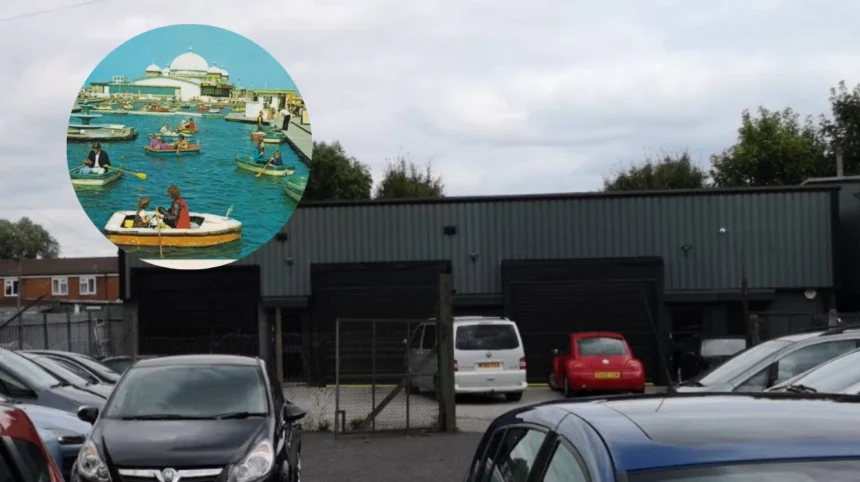
Since the 2007 closure, the former funfair grounds have been slowly repurposed and left to decay in parallel. According to WalesOnline, much of the area where the rides once stood is now occupied by a commercial retail complex, illustrating how the seaside town has shifted from leisure‑focused attractions to more retail‑driven developments.
However, the Mirror notes that not all structures have been removed; many rides and buildings have remained in place, succumbing to rust and weather. Photographs shared by the Manchester Evening News and referenced by national outlets show “eerily silent” scenes of corroded metal, overgrown pathways and abandoned show buildings, with the park described as “frozen in time”.
The WalesOnline report adds that over the years, various redevelopment plans have been floated, including a mixed‑use retail and leisure complex slated to start construction in 2009. These proposals were later postponed and ultimately shelved, leaving parts of the site in a “limbo” state between demolition, redevelopment and pure neglect.
What impact did it have on the local community?
For decades, the Rhyl Funfair acted as a magnet for holidaymakers staying in cheap seafront hotels and guesthouses, filling the town with the sounds of children laughing, fairground music and the occasional shriek from roller‑coaster riders. As highlighted by WalesOnline, the attraction was
“the beating heart of the popular seaside town”,
helping to sustain local businesses, from fish‑and‑chip shops to arcades and souvenir stalls.
The Mirror piece underlines that the closure altered the tourism equation for Rhyl, which had already been grappling with changing coastal holiday patterns and the decline of traditional “bucket‑and‑spade” tourism. Journalists note that, while the town has since invested in other leisure and leisure‑retail projects, none have yet fully replaced the emotional and economic footprint of the old funfair.
Are there plans to revive or redevelop the site?
Urban explorers and local residents have repeatedly drawn attention to the derelict state of the site, with images circulating on social media and news platforms. In 2026, the Manchester Evening News repost highlighted eerie footage of the abandoned area, describing it as
“reclaimed by nature and remains abandoned”,
which has reignited local discussion about whether the land should be converted into housing, green space, or new leisure facilities.
Official bodies and private developers have, at various points, floated schemes involving a mix of retail, dining and possibly low‑key entertainment venues, but as of 2026, no major, cohesive project has materialised on the former funfair footprint.
What do visitors remember most?
Those who visited the Rhyl Funfair in its heyday often recall the sensory overload of bright lights, the smell of candyfloss and the rumble of roller‑coasters, as reported by WalesOnline in its 2026 retrospective. The Mirror notes that many former guests now describe the site as “a ghost town”, with the rusting structures serving as a bittersweet monument to their own childhood summers.
Friends of Rhyl and local nostalgia pages on social media regularly share photos and anecdotes of dodgems, carousels and children’s rides, underlining how the funfair continues to live on in memory long after the rides have stopped turning.