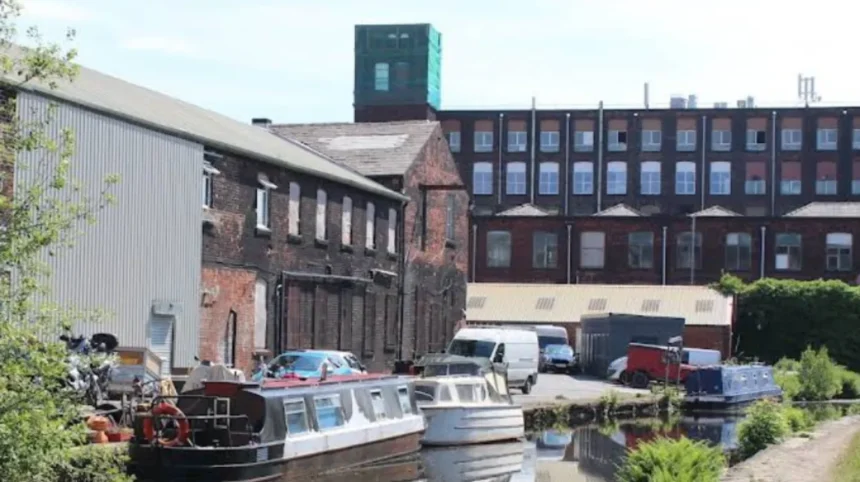
Ashton’s roots as a market town go back to the 13th and 14th centuries, with formal market rights appearing by the late medieval period. Over time, the town grew into a major textile and manufacturing centre, and its cavernous market became one of the largest outdoor markets in the UK, a status it still holds. In the 1970s, Ashton was incorporated into the new Metropolitan Borough of Tameside, and its town centre gradually evolved to include shopping centres, arcades and civic spaces anchored around the market square.
- The £20 million Levelling Up investment
- Restoring Ashton Town Hall
- Renewing Ashton Market Square and the outdoor market
- Breathing new life into the former bus interchange site
- Walking, cycling and public‑realm improvements
- Linking Ashton Town Centre to the Mayoral Development Zone
- What these changes mean for local residents
- Long‑term vision for Ashton Town Centre
Like many northern town centres, Ashton felt the impact of de‑industrialisation, changing retail patterns and the rise of online shopping. Vacant units, under‑used public spaces and a faltering inward‑investment pipeline made regeneration a priority. The arrival of the Ashton Mayoral Development Zone and the Long‑Term Plan for Towns created a framework for coordinated change, and the £20 million Levelling Up Fund allocation has now become the main engine driving that vision.
The £20 million Levelling Up investment
Ashton was awarded almost £20 million from the UK Government’s Levelling Up Fund, specifically targeting the town centre’s public realm, key buildings and transport links. The bid, submitted by Tameside Council in partnership with the Greater Manchester Combined Authority, focused on four main strands: restoring Ashton Town Hall, redeveloping the former bus interchange site, improving walking and cycling infrastructure, and enhancing the wider public realm around the market square and surrounding streets.
This sum is part of a broader regeneration ecosystem in Tameside, including additional grants from Homes England and the GMCA’s own investment programmes. The £135,000 Homes England grant, for example, is being used to refine masterplans and explore the repurposing of shopping‑centre sites and the land around the former bus station, ensuring that the £20 million works fit into a realistic, long‑term strategy. In essence, the £20 million is both a capital injection and a catalyst for attracting further private‑sector investment into Ashton Town Centre.
Restoring Ashton Town Hall
A central element of the £20 million package is the restoration of Ashton Town Hall, a Grade II listed building that has overlooked the town since its opening in 1840. The hall has historically housed council offices, the Museum of the Manchester Regiment and a range of public functions, but it has been closed, along with the museum, since 2015 due to structural and maintenance issues. The Levelling Up allocation will fund major repairs to the roof and other fabric works, aiming to bring the building back into productive public use.
Planned improvements include reinstating the art gallery and museum spaces, upgrading accessibility and mechanical services, and creating flexible rooms for community events, exhibitions and civic functions. By anchoring the town centre’s regeneration around this historic landmark, the project signals that heritage and modernity can coexist: the hall will remain a recognisable symbol of Ashton’s civic pride while also serving as a contemporary hub for culture and local democracy.
Renewing Ashton Market Square and the outdoor market
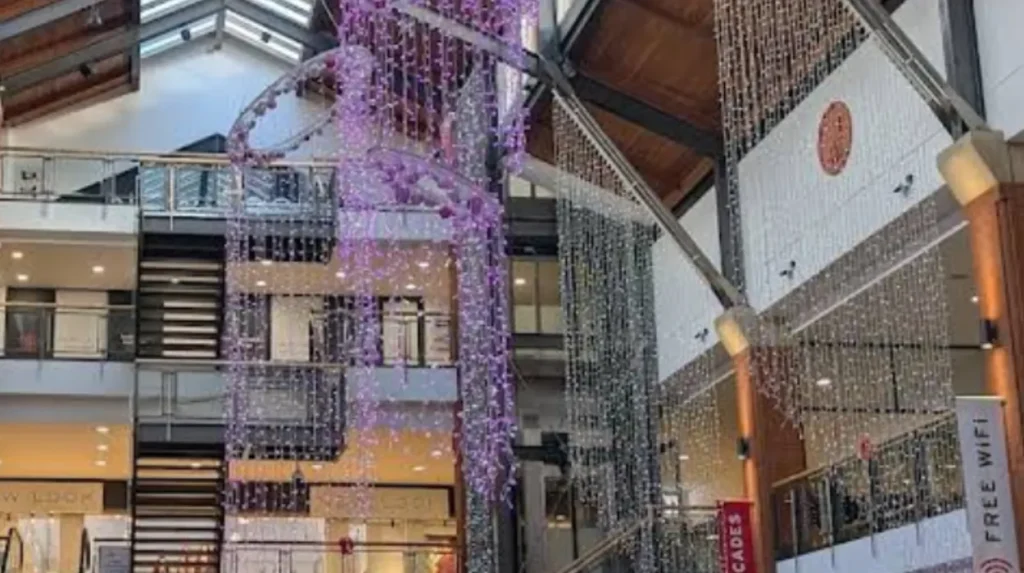
Ashton’s market square is widely described as the “heart of Ashton”, and it is also where the largest chunk of the £20 million Levelling Up funding is being physically realised. The first phase of the Ashton Town Centre Public Realm Strategy allocates around £10.8 million to completely re‑imagining the square, with the full £14.6 million market‑square redevelopment incorporating both national Levelling Up money and council funding.
The revamped space will feature new, high‑quality paving, improved lighting, attractive planting, enhanced CCTV and better‑designed seating to create a safe, welcoming environment for shoppers, traders and visitors. A large canopy structure and modular kiosks are being installed to provide flexible space for the outdoor market, food and drink traders, and seasonal events such as Christmas markets and community festivals.
For locals who have grown up with the market, the changes are designed to amplify its existing strengths rather than erase them. The new layout improves accessibility for people with mobility needs, widens pedestrian routes around the square and reduces the dominance of traffic, making the town centre feel more like a place for people as well as goods.
Breathing new life into the former bus interchange site
Another key site tied to the £20 million transformation is the former bus interchange, a long‑standing piece of under‑used land in the very core of Ashton Town Centre. Under the Levelling Up scheme, the land will undergo remediation, then be redeveloped into a mixed‑use zone combining residential, retail and commercial space.
The ambition is to bring more people into the town centre by creating new homes above or alongside shops, cafes and small businesses, reinforcing the idea that Ashton can be a place where people live as well as shop. Early feasibility work suggests that the wider town centre strategy could support around 500 new homes, along with additional food‑and‑drink outlets and flexible workspaces, helping to fill empty units and attract more footfall.
This kind of mixed‑use development is central to modern town‑centre thinking: by combining housing with shops and services, councils can reduce the “dead‑after‑5pm” feel that plagues many older town cores. In Ashton, the former bus interchange will move from being a car‑oriented transit node to a vibrant, people‑centric quarter that connects seamlessly to the market square and surrounding streets.
Walking, cycling and public‑realm improvements
Beyond buildings and squares, the £20 million is helping to reshape how people move through Ashton Town Centre. The Levelling Up bid includes dedicated funding for new cycle routes and broader public‑realm upgrades across streets adjoining the market square, including Fletcher Square, Bow Street, Warrington Street, Market Street and Market Avenue.
These improvements are intended to prioritise walking and cycling, making short journeys safer and more convenient and reducing reliance on cars for accessing the town centre. Works will include resurfacing, better‑signposted crossings, cycle‑lane treatments or filtered‑permeability schemes, and improved street furniture and lighting that help residents and visitors orient themselves more easily.
For a town like Ashton, where many residents live within walking distance of the town centre, better pedestrian and cycling infrastructure can significantly boost local trade. When people find it pleasant and safe to stroll into the centre, they are more likely to stop at independent shops, cafes and markets, creating a positive feedback loop for economic activity.
Linking Ashton Town Centre to the Mayoral Development Zone
The £20 million investment does not sit in isolation; it is part of a wider growth programme known as the Ashton Mayoral Development Zone (AMDZ). The AMDZ covers Ashton Town Centre, Ashton Moss and St Petersfield, with the overall goal of creating around 3,000 new jobs, 1,500 homes and roughly 150,000 square metres of employment space over the long term.
Within this framework, St Petersfield is being developed into a “cutting‑edge business park” focused on innovation and technology firms, with additional funding from the GMCA and Homes England supporting feasibility and early works. The idea is that people can live in or near the town centre, work in nearby business parks, and shop and socialise in a revitalised Ashton Town Centre, creating a self‑reinforcing growth ecosystem.
By linking the £20 million town‑centre works to the AMDZ, Tameside Council and the GMCA are trying to avoid the common pitfall of “beautification without jobs”. The revamped market square and restored town hall are not just aesthetic upgrades; they are intended to support the wider economic and social ambitions of the borough, including skills development, business growth and improved quality of life.
What these changes mean for local residents

For people who live in Ashton or nearby parts of Tameside, the most tangible question is: what will this look like on the ground and how will it affect daily life? In practical terms, residents can expect to see new paving, seating and lighting in the town centre, a more attractive and easier‑to‑navigate market square, improved safety and accessibility, and a wider range of shops and services as the town centre evolves.
The restoration of Ashton Town Hall also reintroduces a major local employer and cultural venue, with the potential to host exhibitions, community events and civic functions that bring people together. If the housing element of the former bus‑interchange redevelopment is realised, more residents may find short‑term or long‑term homes in the town centre, increasing the population density and supporting local businesses.
From an equity standpoint, Levelling Up and town‑centre regeneration are explicitly framed as ways to address historical imbalances and ensure that investment flows into areas that have been overlooked. For Ashton, that means not just spending money on infrastructure but also creating genuinely inclusive spaces where people of all ages, backgrounds and abilities can feel welcome.
Long‑term vision for Ashton Town Centre
While the £20 million is a substantial one‑off allocation, its true impact depends on how well it integrates into a long‑term strategy. The Ashton Town Centre Public Realm and Movement Strategy, the Long‑Term Plan for Towns, and ongoing masterplanning work are all designed to make sure that each phase of investment builds on the last.
In this context, the market square becomes a versatile civic space that can adapt to changing needs, while residential and commercial developments around the former bus interchange and arcades help diversify the town’s economic base. At the same time, walking and cycling improvements and the revitalised Ashton Town Hall create a more resilient town centre that can withstand future shifts in retail and work patterns.
For policymakers and investors, Ashton’s transformation offers a template for how modest but well‑targeted Levelling Up funds can be combined with local planning, private‑sector partnerships and long‑term economic strategies to produce lasting change. For Manchester‑area residents who commute to or through Ashton, the town centre is likely to become a more attractive place to stop, shop and spend time, reinforcing its role as a key node in Greater Manchester’s wider economic geography.
What is the Ashton Market going to be?
Under the £20M transformation of Ashton Town Centre, Ashton Market is being redeveloped into a modern, mixed‑use public space with a new canopy, modular kiosks and flexible event areas, designed to serve shoppers, traders and visitors all week. The goal is to turn the outdoor market into a year‑round “unique landmark destination” that supports the wider regeneration of Ashton Town Centre.
What day is Ashton Outdoor market on?
Ashton Outdoor Market now operates seven days a week, typically from early morning until mid‑afternoon, with specific theme events such as the Tuesday flea‑style “mixed market” and the Sunday Table Top Market. These regular trading days are central to the town’s plan to keep the market square lively and draw footfall into the newly redeveloped Ashton Town Centre.
What ethnicity is Ashton?
Ashton‑under‑Lyne has a diverse population, with around seven‑in‑ten residents identifying as White, about one‑fifth as Asian, Asian British or Asian Welsh, and smaller proportions identifying as Black, Mixed or other ethnic groups. This mix is reflected on the high street and in the Market Square, where the £20M regeneration aims to create inclusive spaces that serve all communities in Ashton Town Centre.
Is Ashton-under-Lyne a deprived area?
Local data profiles show that a large share of neighbourhoods in Ashton‑under‑Lyne fall within the most deprived areas of England, particularly on measures such as income, health and crime. The £20M investment in Ashton Town Centre, including the market square and public‑realm improvements, forms part of a wider Levelling Up strategy to tackle deprivation and improve opportunities for local residents.
Where were the slums in Manchester?
Historically, Manchester’s slums were concentrated in tightly packed inner‑city districts such as Ancoats, Angel Meadow and parts of Hulme, where rapid industrial growth led to overcrowded housing and poor living conditions in the 19th and early 20th centuries.