Anti-social behaviour in Fallowfield includes actions that cause harassment, alarm, or distress to residents, specifically noise nuisance, rowdy parties, and littering. Local authorities utilize the Anti-social Behaviour, Crime and Policing Act 2014 to enforce community safety and maintain order.
- How Does UK Law Define Anti-Social Behaviour in Residential Areas?
- What Are the Most Common Types of ASB Reported in Fallowfield?
- How Can Residents Report Anti-Social Behaviour to the Authorities?
- What Measures Are Universities Taking to Curb Student ASB?
- What Is the Role of Public Spaces Protection Orders (PSPOs) in Fallowfield?
- How Do Police Operations Like Operation Vulcan Impact Fallowfield?
Fallowfield is a suburban district in South Manchester characterised by a high density of students from the University of Manchester and Manchester Metropolitan University. This demographic structure leads to a phenomenon known as studentification, where the influx of temporary residents alters the social and physical environment. Anti-social behaviour (ASB) in this area frequently manifests as late-night noise, street drinking, and large house parties. The Greater Manchester Police (GMP) and Manchester City Council categorise these incidents into three main types: personal, nuisance, and environmental. Examples of environmental ASB in Fallowfield include fly-tipping and graffiti on Wilmslow Road.
The historical context of Fallowfield involves its transition from a traditional family-oriented neighbourhood to a primary student hub. This shift accelerated in the late 1990s and early 2000s, leading to increased tensions between long-term residents and the transient student population. Consequently, the Fallowfield Community Guardians and other resident associations formed to advocate for stricter enforcement of noise regulations. By 2026, data indicates that proactive policing and partnership interventions have stabilized incident rates, though seasonal peaks remain prevalent during the start of academic terms. Specific operations like Operation Avro target crime hotspots within the ward to reduce the frequency of public order offences.
How Does UK Law Define Anti-Social Behaviour in Residential Areas?
UK law defines anti-social behaviour under the Anti-social Behaviour, Crime and Policing Act 2014 as conduct that causes or is likely to cause harassment, alarm, or distress to any person or nuisance to a person’s occupation.
The legal framework provides various tools for local authorities and the police to address disruptive conduct. A primary mechanism is the Civil Injunction, which replaces the former Anti-Social Behaviour Order (ASBO). These injunctions prevent individuals from engaging in specific activities, such as entering a particular street or playing loud music after 11:00 PM. Failure to comply with an injunction results in a breach of court, which carries penalties including fines or imprisonment. For young offenders under 18, the court prioritizes rehabilitative requirements to prevent future offending. These legal instruments are used in Fallowfield to manage repeat offenders involved in persistent street disturbances.
Another critical component is the Community Protection Notice (CPN), which targets individuals or businesses whose conduct has a persistent and detrimental effect on the quality of life. In Fallowfield, CPNs are frequently issued to households responsible for excessive noise or accumulated waste in front gardens. A written warning must precede a CPN, giving the person an opportunity to rectify the behaviour. If the warning is ignored, the notice is issued, and a breach can lead to a Fixed Penalty Notice (FPN). There are 3 types of enforcement under this category: community protection warnings, community protection notices, and criminal behaviour orders.
What Are the Most Common Types of ASB Reported in Fallowfield?
The most common types of anti-social behaviour reported in Fallowfield are noise nuisance from house parties, street drinking, and littering. These incidents often cluster around student-heavy streets such as Egerton Road, Amherst Road, and Landcross Road.
Noise nuisance remains the highest volume complaint received by Manchester City Council’s environmental health team. High-intensity sound systems and large gatherings of more than 50 people often disrupt the sleep of neighbouring residents. Street drinking and rowdy behaviour during late-night commutes between bars and halls of residence contribute to the perception of instability. Statistics from 2025 show that noise complaints in South Manchester peak between September and October, coinciding with the university “Freshers” period. The council utilizes noise recording equipment and night-time patrols to gather evidence against properties that violate the Noise Act 1996.
Environmental ASB also poses a significant challenge to the local infrastructure. Fly-tipping, specifically the abandonment of furniture and household waste during student “move-out” periods in June, degrades the visual appeal of the neighbourhood. Graffiti and vandalism on public property, such as bus stops and utility boxes, are also prevalent. Greater Manchester Police reports indicate that vehicle-related nuisance, including speeding and illegal parking on residential pavements, has increased in recent years. There are 3 examples of vehicle nuisance: revving engines, performing stunts, and obstructing emergency access. These behaviours often prompt the use of Public Spaces Protection Orders (PSPOs) to restrict specific activities.
How Can Residents Report Anti-Social Behaviour to the Authorities?
Residents should report anti-social behaviour to Manchester City Council for environmental issues like noise and litter, or to Greater Manchester Police via the 101 non-emergency number for criminal conduct or immediate public disturbances.
The reporting process requires residents to provide specific details, including the date, time, and location of the incident. For persistent noise, the council encourages the use of a noise diary to document the frequency and duration of the disturbance. This evidence is crucial for the council to take formal enforcement action, such as seizing sound equipment or issuing a noise abatement notice. For non-urgent criminal activity, the GMP online reporting portal allows residents to submit videos or photos of ASB. In emergencies where there is a threat to life or a crime is in progress, the public must dial 999 immediately.
Another reporting mechanism is the ASB Case Review, formerly known as the Community Trigger. If a resident has reported three or more incidents within a six-month period and is dissatisfied with the response, they can request a multi-agency review. This process forces the council, police, and housing providers to collaborate and develop an action plan to resolve the issue. The review ensures that no single report is overlooked and that persistent problems receive high-level attention. Key stakeholders in these reviews include Manchester University’s off-campus student affairs team. There are 3 outcomes of a review: no further action, recommendations for improvement, or a new multi-agency strategy.
What Measures Are Universities Taking to Curb Student ASB?
Universities in Manchester employ a Code of Conduct that applies to students living off-campus, allowing for disciplinary action including fines, community service, or expulsion for those involved in anti-social behaviour.
The University of Manchester and Manchester Metropolitan University (MMU) contribute funding to the Nuisance Experience (NEx) patrols, which operate on Friday and Saturday nights. These patrols consist of police officers and university staff who visit properties reported for noise. If a student is identified as a perpetrator, the university initiates an internal disciplinary process. The “Good Neighbour” campaign is another initiative designed to educate students on their responsibilities within the Fallowfield community. This program emphasizes the impact of late-night noise on families and workers who live in the same streets as students.
Restorative justice is also used as a tool to bridge the gap between students and long-term residents. This involves meetings where students listen to the impact their actions have had on their neighbors. The goal is to foster mutual respect and long-term behavioral change rather than just punishment. Universities also collaborate with the Manchester City Council to limit the number of Houses in Multiple Occupation (HMOs) through Article 4 Directions. This planning policy prevents the further conversion of family homes into student rentals, aiming to create a more balanced demographic. Examples of university sanctions include a 200 pound fine, mandatory community service, and final warnings before suspension.
What Is the Role of Public Spaces Protection Orders (PSPOs) in Fallowfield?
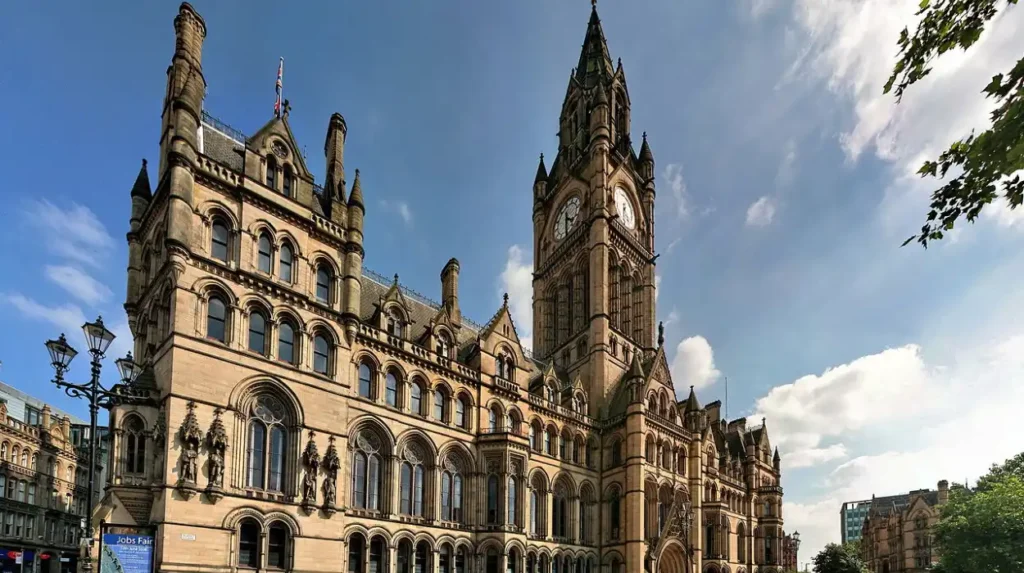
Public Spaces Protection Orders (PSPOs) are legal tools used by Manchester City Council to prohibit specific anti-social activities within a defined geographic area to ensure public safety.
A PSPO can ban activities such as street drinking, the use of legal highs, or aggressive begging if they are shown to be detrimental to the community. In Fallowfield, the PSPO covers several parks and main thoroughfares like Wilmslow Road. If an individual violates the conditions of a PSPO, they can be issued an on-the-spot fine of up to 100 pounds. Persistent offenders may face prosecution in a magistrates’ court, where the fine can increase to 1,000 pounds. These orders are reviewed every three years to ensure they are still necessary and proportionate to the issues they aim to solve.
The implementation of a PSPO requires public consultation, where residents and businesses provide feedback on the proposed restrictions. This ensures that the powers are used to address the actual concerns of the Fallowfield community. For example, a PSPO might specifically target the “car cruising” culture that occasionally occurs in large car parks. By making these actions a criminal offence within the zone, the police have a more direct way to disperse groups. There are 3 benefits of PSPOs: immediate enforcement, clear boundaries, and deterrence. They provide a visible sign that certain behaviours will not be tolerated in public residential spaces.
How Do Police Operations Like Operation Vulcan Impact Fallowfield?
Operation Vulcan is a Greater Manchester Police initiative that targets organized crime and associated anti-social behaviour through high-visibility patrols, intelligence-led raids, and community engagement.
While Operation Vulcan began in the Cheetham Hill area, its principles are applied across South Manchester to dismantle the networks that fuel ASB. This includes targeting drug dealing, which often correlates with increased foot traffic and noise in residential areas. In Fallowfield, police use Section 35 dispersal powers to remove individuals from a specific area for up to 48 hours if they are suspected of causing harassment. This power is particularly effective during large-scale street parties or when gangs of youths congregate in shopping precincts. Data from 2024 to 2026 shows a 15% reduction in public order offences in areas where these proactive operations are focused.
The effectiveness of these operations depends on community intelligence. Residents are encouraged to provide anonymous tips through Crimestoppers regarding drug activity or criminal damage. The police then use this data to map “hotspots” and allocate resources where they are most needed. In Fallowfield, this often means increased foot patrols around the central bus terminal and Platt Fields Park during evening hours. There are 3 tactics used in Operation Vulcan: undercover surveillance, disruption of illicit markets, and multi-agency cooperation with the Home Office. These efforts aim to create a hostile environment for criminals while reassuring law-abiding citizens.
What should I do if my neighbour in Fallowfield is constantly playing loud music?
You should first attempt to speak with your neighbour if you feel safe doing so. If the noise persists, report the incident to Manchester City Council’s environmental health team or use the university’s off-campus reporting line if the occupants are students.
Can a student be evicted for anti-social behaviour?
Yes, landlords can initiate eviction proceedings under Ground 14 of the Housing Act 1988 if a tenant is guilty of anti-social behaviour. Furthermore, universities may terminate a student’s license to live in halls of residence or take disciplinary action that affects their enrollment.
What is the Fallowfield Community Guardians group?
The Fallowfield Community Guardians is a resident-led organisation that works with the police and council to tackle local issues. They attend community safety meetings, organise neighbourhood clean-ups, and provide a collective voice for long-term residents regarding ASB and planning.
How long does it take for the council to act on a noise complaint?
Response times vary depending on the severity and frequency of the noise. Generally, the council will issue a warning letter within 5 to 10 working days; however, if the noise is part of an active large-scale party, the night-time patrol may attend the same night.
Is street drinking illegal in Fallowfield?
Street drinking is restricted in Fallowfield through a Public Spaces Protection Order (PSPO). While not an outright ban on alcohol, the police have the power to confiscate open containers and fine individuals if their drinking is causing a nuisance to the public.