Key Points
- What Triggered the Anti-Glazer Protest After the Derby?
- Who Organised the Old Trafford Sit-In Demonstration?
- Why Are Ticket Prices Fuelling Manchester United Fan Anger?
- How Does This Fit Into Broader Fan Campaigns?
- What Chants and Banners Marked the Protest?
- What Is The 1958 Group’s Stance on Sir Jim Ratcliffe?
- How Does This Protest Compare to Past Manchester United Demonstrations?
- What Do Fans Say About Club Ownership and Future?
- Manchester United fans, led by The 1958 group, staged a peaceful sit-in protest after the full-time whistle of the 196th Manchester derby against Manchester City at Old Trafford.
- The derby ended in a 0-0 stalemate, described as dull and lacking quality by pundits.
- Protesters remained seated to highlight rising ticket prices up to £66 per match, end of 50% OAP concessions, and relocation of fans in Sir Bobby Charlton Stand for VIP areas.
- Chants of “We want Glazers out” echoed around Stretford End; banners included “£66 your debt not ours,” “Love United Hate Glazers,” and “Glazers out.”
- Chris Haymes of The 1958 urged fans: “We’re going to tell you to sit in your seat, that’s your seat, that’s the seat you paid for that you probably have done for the last 50 or 60 years.”
- Manchester United Supporters Trust (MUST) survey indicates 7,000 concession/OAP fans may not renew season tickets due to prices.
- Protest aligns with Football Supporters Association’s ‘Stop Exploiting Loyalty’ campaign, uniting fans against pricing out match-goers.
- The 1958 spokesman Steve Crompton stated: “We need to protect the game so that we are still able to hate each others’ clubs in future.”
- Ongoing frustration with Glazer family ownership persists despite Sir Jim Ratcliffe’s involvement in football operations.
- Previous protests by The 1958 include marches before Arsenal game and joint action with FC United.
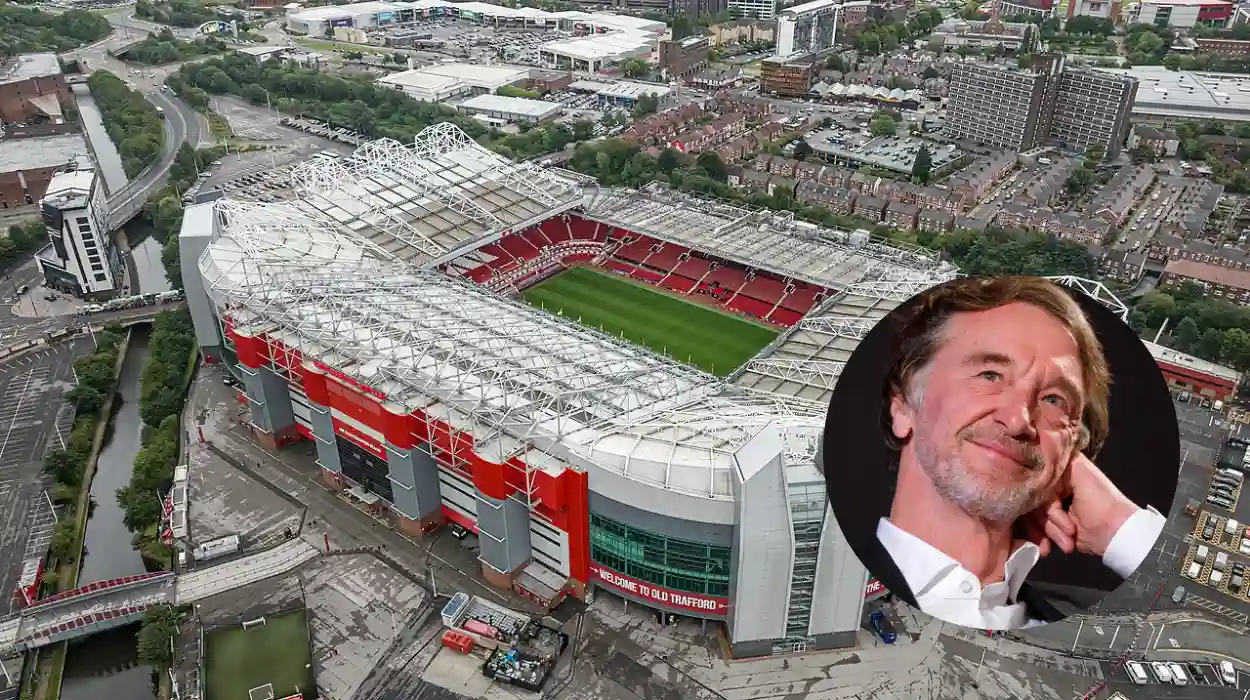
Old Trafford (Manchester Mirror) February 14, 2026 – Supporters of Manchester United remained in their seats long after the final whistle in a goalless Manchester derby against Manchester City, launching a coordinated sit-in demonstration organised by fan group The 1958 to protest against the Glazer family’s ownership. The action highlighted deep-seated grievances over escalating ticket prices and policies perceived as alienating loyal, long-term fans from Old Trafford. This peaceful yet vocal display unfolded amid a match lacking excitement, amplifying frustrations on and off the pitch.
What Triggered the Anti-Glazer Protest After the Derby?
The protest directly followed a lacklustre 0-0 draw in the 196th Manchester derby, where neither Manchester United nor Manchester City created meaningful chances, leaving the home crowd deflated. As reported by staff writers at AllFootball, United fans stayed behind after over 90 minutes of “dull football” to voice discontent. Sky Sports pundits, including Micah Richards, described the game as “laboured, flat” with “no energy,” noting United’s 13 shots but only two on target, while Bruno Fernandes stood out with precise passing.
Who Organised the Old Trafford Sit-In Demonstration?
The 1958 fan group spearheaded the action, designing it as an “easy one for us” accessible to all ages, particularly those seated at Old Trafford for decades. Chris Haymes, a member of The 1958, explained pre-match: “It is an easy one for us, and we will stay in our seats. People around the stadium have been in their seats for 50 or 60 years.” As detailed by GB News reporters, the group rallied supporters to remain seated post-whistle, echoing prior demonstrations like the largest anti-ownership march before the Arsenal fixture.
Why Are Ticket Prices Fuelling Manchester United Fan Anger?
Rising costs form the core complaint, with match tickets now at £66 following a five per cent increase, alongside scrapping 50 per cent concessions for over-65s (OAPs) and under-16s. A banner proclaimed “£66 your debt not ours,” linking prices to the club’s debt under Glazers. Haymes cited a MUST flash survey: “MUST did a flash survey and they reckon there are going to be about 7,000 concessions, OAP people, are not going to renew their seats, so they are trying to price them out of their seats.” The Independent noted this as part of broader outcry, with fans relocated from Sir Bobby Charlton Stand for a “lucrative new VIP dug-out club.”
How Does This Fit Into Broader Fan Campaigns?
The demonstration supports the Football Supporters Association’s ‘Stop Exploiting Loyalty’ initiative, uniting Premier League fans against dynamic pricing. Steve Crompton of The 1958 told AllFootball: “Over at City, the fans are being priced out. Same at Chelsea and Tottenham. The clubs are trying to squeeze out the low-revenue match-going fans, and the atmosphere in every stadium is suffering. The fan culture is dying before our eyes.” ITV News Granada reported similar sentiments: “Our voices matter. Our community matters. Our club matters. Stadium atmosphere and passion matter too.”
What Chants and Banners Marked the Protest?
“We want Glazers out” chants resounded from Stretford End long after full-time, providing a stark backdrop to global broadcast analysis. Banners targeted ownership directly: “Love United hate Glazers” and a straightforward “Glazers out,” per AllFootball coverage. GB News highlighted the peaceful nature, allowing participation from elderly fans most impacted.
What Is The 1958 Group’s Stance on Sir Jim Ratcliffe?
Frustration extends to Sir Jim Ratcliffe, despite his minority stake and control of football operations. A 1958 spokesman remarked to AllFootball: “Nothing good has come out of the club since Ratcliffe got involved. There’s nothing to cling on to, not a glimmer of hope.” The group previously organised joint protests with FC United of Manchester against both Glazers and Ratcliffe’s influence.
How Does This Protest Compare to Past Manchester United Demonstrations?
The 1958 has a history of action, including a mass march before Arsenal and a blockade of the club megastore during kit launch amid ownership bids. ITV noted it as the biggest since Ratcliffe’s involvement. Earlier BBC-covered protests, like against Aston Villa in 2023, saw 1,000 march with anti-Glazer songs. This sit-in emphasised inclusivity over marches.
What Do Fans Say About Club Ownership and Future?
Supporters view policies as “exploitation of loyalty,” per MUST and The 1958. Crompton added: “I’d love nothing more than tomorrow’s news being all about City being found guilty of the 115 Premier League charges,” underscoring rivalry amid shared pricing fights. The action underscores demands for affordable access to preserve atmosphere.
This event reflects enduring tensions at Manchester United, where fan passion collides with commercial decisions, keeping anti-Glazer sentiment alive into 2026.