Key Points
- According to police in Manchester, curfew in various communities has helped to curb criminal acts.
- The Manchester Police Division reported that there was a 26 percent decline in major crimes when compared to the same period last year.
- This year so far, the police reported 167 major crimes which is 61 less compared to last year during the same period.
- Curfews continue to be maintained within the Williamsfield-to-Melrose corridor and the Mandeville-to-Newport corridor.
- These communities identified by the police include Brokenhurst, Old England, Barnstaple, May Day, Albion, Green Street, Tulsa, Belretiro, Richmond, New Hall and Knockpatrick.
- According to Deputy Superintendent Odean Dennis, intelligence suggests that removing the curfews will result in more violence.
- There has been a major decline in break-ins, larceny and sexual offenses such as rape.
- Murders, aggravated assaults and shooting have increased even with the decline in major crimes.
- The report is brought to us by Halshane Burke from Radio Jamaica News.
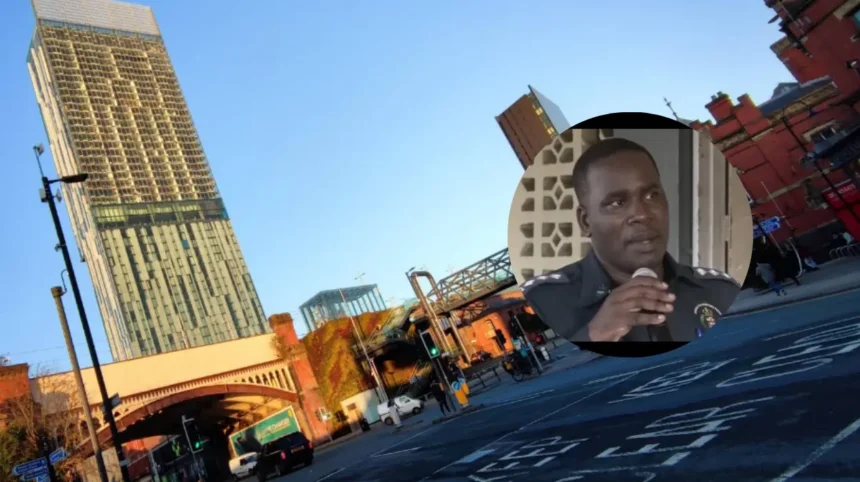
Manchester Police (Manchester Mirror) 2026 — Police say curfews imposed in several communities across the parish have contributed to a reduction in criminal activity, with major crimes falling by 26 per cent compared with the corresponding period last year.
- Key Points
- Which Manchester communities remain under curfew?
- What did Deputy Superintendent Odean Dennis say?
- How much have major crimes fallen in Manchester?
- Which crimes have recorded the largest reductions?
- Which serious crimes are still increasing?
- Why are Manchester police maintaining the curfews?
- What do the figures show about the security situation?
- What has Radio Jamaica News reported?
- Background: Why are curfews being used in Manchester?
- Prediction: How could Manchester curfews affect residents?
The Manchester Police Division has recorded 167 major crimes so far this year, according to a report by Halshane Burke published by Radio Jamaica News. The figure represents an overall reduction of 61 cases compared with the same period last year.
The division said the decline had been recorded while curfews remained in force in a number of communities affected by security concerns. Police authorities have linked the restrictions to efforts to limit movement and prevent further violence in areas where gang disputes and other criminal activity have been identified.
Deputy Superintendent Odean Dennis, the commanding officer for the Manchester Police Division, said several areas remained under police attention. He indicated that curfews were being maintained because intelligence gathered by the police continued to point to a risk of renewed violence if the restrictions were removed.
Which Manchester communities remain under curfew?
What did Deputy Superintendent Odean Dennis say?
As reported by Halshane Burke of Radio Jamaica News, Dennis said the Williamsfield-to-Melrose corridor remained under curfew because of gang feuds in the area.
“The Williamsfield to Melrose corridor, these areas remain under curfew and that is as a result of some gang feuds that are going on in that space,” Dennis said, according to the Radio Jamaica News report.
He also identified the Mandeville-to-Newport corridor as another area where curfew measures remained in effect. The corridor includes several communities named by the police: Brokenhurst, Old England, Barnstaple, May Day, Albion, Green Street, Tulsa, Belretiro, Richmond, New Hall and Knockpatrick.
Dennis said police intelligence suggested that removing the curfews could result in an increase in violence in those areas.
“The intelligence is still suggesting that if it is that we remove the curfews from these areas, then we will have an upsurge in violence,” he said, as quoted by Radio Jamaica News.
The senior police officer defended the continued use of the restrictions, saying they had helped to prevent further bloodshed.
“But I can’t apologise for us having the curfews in case because they have been seen to stem the bloodshed,” Dennis said, according to the report.
The statement indicates that police intend to maintain the measures while they assess the security situation and monitor intelligence linked to possible disputes or retaliatory violence.
How much have major crimes fallen in Manchester?
The Manchester Police Division reported 167 major crimes so far this year. That total is 61 fewer cases than the number recorded during the corresponding period last year.
The reduction amounts to 26 per cent, according to figures cited in the Radio Jamaica News report. The police presented the decrease as evidence that security measures, including curfews, were having an effect on criminal activity across parts of the parish.
The figures cover major crime categories rather than every offence reported in Manchester. The report did not state that all categories of crime had fallen. Instead, it identified specific offences that had recorded the largest decreases and separately noted that some serious categories had increased.
This distinction is important because the overall reduction does not represent a uniform decline across all forms of serious crime.
Which crimes have recorded the largest reductions?
According to Dennis, the most significant reductions were recorded in break-ins, larceny and sexual offences, including rape.
Break-ins generally involve unlawful entry into premises, while larceny refers to the theft of property. The report did not provide separate figures for each category, so the exact number of cases reduced in each offence was not stated.
The police also reported a decline in sexual offences, including rape. However, the available report did not give a detailed breakdown of the cases or identify the specific communities in which the reductions occurred.
The reported decline in these categories formed part of the overall 26 per cent reduction in major crimes recorded by the Manchester Police Division.
Which serious crimes are still increasing?
Despite the overall reduction, three major crime categories continued to show an increase: murders, aggravated assaults and shootings.
Radio Jamaica News reported that these offences had recorded an uptick in cases. The report did not provide the precise number of murders, aggravated assaults or shootings, nor did it identify the percentage increase in each category.
The continuing rise in these offences means that the overall crime figures do not indicate that the security situation has improved equally across Manchester. While the police reported fewer break-ins, larceny cases and sexual offences, violent crimes remained a concern.
The police decision to keep curfews in selected locations was linked specifically to concerns about violence and gang-related disputes. Dennis’s comments suggested that the restrictions were being used as a preventive measure in communities where police intelligence indicated a risk of further bloodshed.
Why are Manchester police maintaining the curfews?
The police said the curfews were being maintained because of continuing intelligence about possible violence.
Dennis linked the restrictions along the Williamsfield-to-Melrose corridor to gang feuds. He also said intelligence indicated that violence could increase if the curfews in the affected areas were removed.
The remarks suggest that the police are basing their decision on the assessed risk in particular corridors and communities rather than applying one parish-wide restriction. The curfews appear to be focused on areas where authorities believe movement restrictions can help prevent confrontations or reduce opportunities for criminal activity.
However, the Radio Jamaica News report did not specify the exact hours of the curfews, how long they had been in place, the legal orders under which they were imposed or the process for reviewing them.
It also did not include comments from residents, business operators, community organisations, legal representatives or other public officials. The available information therefore records the police position and the crime figures cited by the division, but it does not provide a full account of how the measures have affected residents and local economic activity.
What do the figures show about the security situation?
The figures present two developments at the same time.
First, the Manchester Police Division reported a substantial overall reduction in major crimes. The division recorded 167 major crimes, 61 fewer than during the comparable period last year. Police attributed the largest reductions to break-ins, larceny and sexual offences, including rape.
Second, some of the most serious violent crimes continued to increase. Murders, aggravated assaults and shootings were all reported to be rising.
This means that the 26 per cent decline should be read as an overall figure covering different crime categories. It does not mean that every type of serious offence has fallen or that all communities face the same level of risk.
The police response has therefore combined reporting the overall reduction with continued restrictions in selected areas. Dennis’s comments indicate that authorities consider the risk of violent escalation sufficiently serious to keep the curfews in place despite the wider decline in major crime.
What has Radio Jamaica News reported?
The development was reported by Halshane Burke for Radio Jamaica News under the headline “Manchester Police Say Curfews Aiding In Crime Reduction”.
The report attributed the crime figures and comments about curfews to Deputy Superintendent Odean Dennis, head of the Manchester Police Division. It stated that the division had seen a 26 per cent reduction in major crimes since the beginning of the year compared with the corresponding period last year.
The report also listed the communities and corridors that remained under curfew and stated that the most notable reductions were recorded in break-ins, larceny and sexual offences. It noted, however, that murders, aggravated assaults and shootings had increased.
No additional independent crime data, community response or statement from an opposing source was included in the available report. The figures and explanations presented here are therefore attributed to the Manchester Police Division as reported by Radio Jamaica News.
Background: Why are curfews being used in Manchester?
Curfews are being used in parts of Manchester as a police measure linked to concerns about gang feuds and possible violence. Deputy Superintendent Odean Dennis said the Williamsfield-to-Melrose corridor remained under curfew because of disputes involving gangs.
The Mandeville-to-Newport corridor and several surrounding communities also remained under curfew. Police said intelligence continued to suggest that lifting the restrictions could result in an increase in violence.
The latest figures place the curfews within a wider security picture. Manchester has recorded fewer major crimes overall than during the corresponding period last year, but murders, aggravated assaults and shootings have continued to rise.
The report did not provide the start date for each curfew, the legal basis for the restrictions, their scheduled review dates or the number of residents affected. It also did not state whether the police had announced conditions under which the measures would be lifted.
Prediction: How could Manchester curfews affect residents?
Manchester residents living in the affected communities are likely to continue experiencing restrictions on movement while police assess the risk of further violence. People travelling through the Williamsfield-to-Melrose and Mandeville-to-Newport corridors may need to plan around the curfew conditions announced by the authorities.
If the police assessment remains that lifting the curfews could trigger renewed violence, the restrictions may continue in the named areas. Their duration will depend on the security intelligence available to the Manchester Police Division and any subsequent decision by the authorities.
Residents could see continued pressure on evening travel, work schedules, businesses and community activities if the curfews remain in force. At the same time, the reported reduction in break-ins, larceny and sexual offences may be viewed by police as support for maintaining the measures.
The increase in murders, aggravated assaults and shootings means that residents may continue to face security concerns even as the overall major-crime total declines. The available report does not provide enough information to predict when the curfews will end or whether the current reduction in crime will continue.