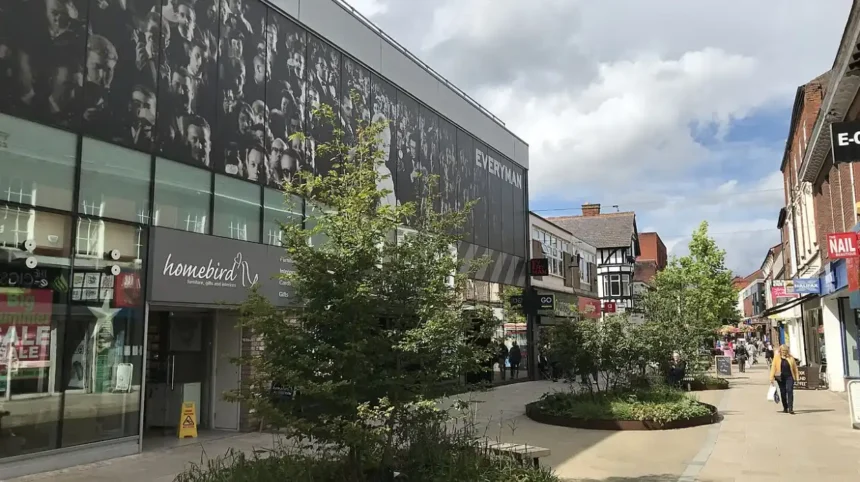
Ashton-under-Lyne is a market town in Tameside, Greater Manchester, offering an established infrastructure for remote workers, freelancers, and hybrid employees. The town combines direct light rail connections via the Manchester Metrolink with accessible commercial hubs, reliable public Wi-Fi networks, and laptop-friendly dining venues.
- Which Cafés Offer the Best Wi-Fi and Power Outlets in Ashton-under-Lyne?
- How Do You Select a Laptop-Friendly Workspace in Tameside?
- What Is the Etiquette for Remote Working in Local Coffee Shops?
- What Are the Future Trends for Remote Work Spaces in Ashton-under-Lyne?
- Frequently Asked Questions
- Are there quiet cafés in Ashton-under-Lyne suitable for taking video calls?
- Is public Wi-Fi secure for remote work in local coffee shops?
- How long can you stay in a café with a laptop in Ashton-under-Lyne?
- Do independent cafés in Ashton-under-Lyne charge extra for using power sockets?
- Where can freelancers find free public Wi-Fi in Ashton-under-Lyne besides cafés?
Remote working in Tameside has expanded following the growth of hybrid employment models across Greater Manchester. Ashton-under-Lyne serves as a key economic node with historic market spaces, central retail precincts like the Ladysmith Shopping Centre, and modern transport interchanges. Digital infrastructure investments have introduced high-speed fibre broadband across the borough, enabling local hospitality venues to supply stable wireless internet.
The layout of Ashton-under-Lyne features distinct commercial zones, including Market Avenue, Stamford Street Central, and Wellington Road. These corridors host independent hospitality businesses and established chains equipped with physical workspace infrastructure. Power accessibility, acoustic control, and spatial layouts vary between venues, requiring remote professionals to evaluate specific operational conditions before selecting a work environment.
Economic data indicates that suburban workspace utilization reduces commuting times while sustaining local high-street commerce. By choosing work-friendly establishments in Ashton-under-Lyne, professionals gain access to productive working environments outside traditional office setups while supporting local business retention.
Which Cafés Offer the Best Wi-Fi and Power Outlets in Ashton-under-Lyne?
Network Café, Peony & Parchment Café, Market Grounds Coffee Bar, and Rosie’s Coffee Bar and Kitchen stand out as top-rated venues in Ashton-under-Lyne offering dedicated power sockets, high-speed Wi-Fi, and laptop-friendly seating arrangements.
Network Café, located on Wellington Road, operates with structured indoor seating and accessible wall outlets near main tables. The establishment provides a steady environment suitable for data-heavy tasks, online document editing, and extended research sessions. The average Wi-Fi download speed supports standard cloud application operations, while ambient noise remains moderate throughout morning trade hours.

Peony & Parchment Café, situated on Market Avenue, features dedicated seating areas with accessible power outlets. The venue caters to independent professionals requiring quiet surroundings during off-peak morning and mid-afternoon windows. Market Grounds Coffee Bar within the central market area offers quick access for short working bursts, featuring reliable public Wi-Fi and compact table setups suited for micro-tasks.
Rosie’s Coffee Bar and Kitchen, located in the Ladysmith Shopping Centre, provides spacious booths and wall-adjacent seating fitted with electrical charging points. The layout allows remote workers to maintain laptop productivity without encroaching on foot traffic. Alternative options like Lilly’s Bistro and Coffee Lounge on Stamford Street Central supply secondary options with basic internet connectivity.
How Do You Select a Laptop-Friendly Workspace in Tameside?
Selecting an effective laptop-friendly workspace involves assessing internet bandwidth, power socket distribution, seating ergonomics, background acoustics, and venue policies regarding extended laptop usage.
Evaluating digital connectivity requires verifying upload and download speeds suitable for specific task demands. Standard email transmission and web browsing function on modest bandwidths, whereas video conferencing and large file transfers require minimum speeds of 15 Mbps. Testing connection stability upon arrival prevents workflow interruptions.
Physical infrastructure assessment includes checking table heights, seat padding, and socket proximity. Perimeter seating, booth arrangements, and wall-facing counters consistently offer higher concentrations of power outlets than central floor tables. Workers requiring long sessions should prioritize supportive seating over decorative low benches.
Noise management directly impacts professional performance and concentration levels. Venues with carpeted floors, soft furnishings, or separated back rooms absorb sound better than open-plan spaces with hard tile surfaces. Peak trading periods between 12:00 and 14:00 typically generate higher noise levels, making early mornings or mid-afternoons preferred windows for focused tasks.
What Is the Etiquette for Remote Working in Local Coffee Shops?
Remote work etiquette in coffee shops requires regular food and beverage purchases, respecting seating limits during busy periods, managing voice volume during calls, and keeping physical footprints contained.
Financial etiquette dictates purchasing items throughout the stay to compensate the establishment for power consumption, space utilization, and Wi-Fi access. Standard protocol involves buying a beverage or food item every 60 to 90 minutes. Occupying large group tables during peak lunch hours while making minimal purchases negatively impacts small business revenues.
Spatial etiquette requires keeping personal belongings contained within the designated seating footprint. Using single-occupancy tables or bar seating frees up larger booths for dining parties. Managing extension cords safely prevents trip hazards for staff and patrons.
Acoustic etiquette involves using headphones for audio playback and keeping voice levels low during video meetings or phone calls. Highly confidential calls or lengthy group discussions should be conducted in private meeting rooms or dedicated co-working hubs rather than public dining spaces.
What Are the Future Trends for Remote Work Spaces in Ashton-under-Lyne?
Future workspace developments in Ashton-under-Lyne focus on hybrid hospitality models, municipal workspace integration, expanded public Wi-Fi infrastructure, and sustainability-focused business practices.
Town center regeneration plans across Tameside aim to integrate flexible working facilities into existing civic and commercial hubs. Commercial spaces are increasingly adopting hybrid operational models, combining traditional food service with dedicated quiet zones, power-integrated furniture, and tiered membership options for remote workers.
Digital infrastructure enhancements across Greater Manchester continue to roll out full-fibre connections and public 5G networks. This expanded coverage improves network reliability in independent venues, reducing connection drops during peak operational hours.
Environmental considerations are driving venues to adopt energy-efficient charging stations and low-energy lighting systems. As remote and hybrid employment remains an established working pattern, Ashton-under-Lyne is positioned to expand its ecosystem of laptop-friendly venues to support local productivity.
Frequently Asked Questions
Are there quiet cafés in Ashton-under-Lyne suitable for taking video calls?
Network Café and Rosie’s Coffee Bar offer quiet off-peak hours in the early morning. Taking calls requires using headphones and keeping voice levels low to respect other patrons. For confidential calls, dedicated co-working rooms are recommended over public spaces.
Is public Wi-Fi secure for remote work in local coffee shops?
Public Wi-Fi networks in cafés are open and shared, which presents security risks for unencrypted data. Remote workers should use Virtual Private Networks (VPNs) and avoid accessing sensitive financial data on open networks. Using a mobile hotspot provides a more secure alternative.
How long can you stay in a café with a laptop in Ashton-under-Lyne?
Staying 2 to 3 hours is acceptable if regular purchases are made every 60 to 90 minutes. During peak lunch hours, moving to smaller tables or leaving frees up space for dining customers.
Do independent cafés in Ashton-under-Lyne charge extra for using power sockets?
Cafés in Ashton-under-Lyne do not charge extra fees for using power sockets. Customers are expected to support the venue by purchasing food and drinks throughout their stay.
Where can freelancers find free public Wi-Fi in Ashton-under-Lyne besides cafés?
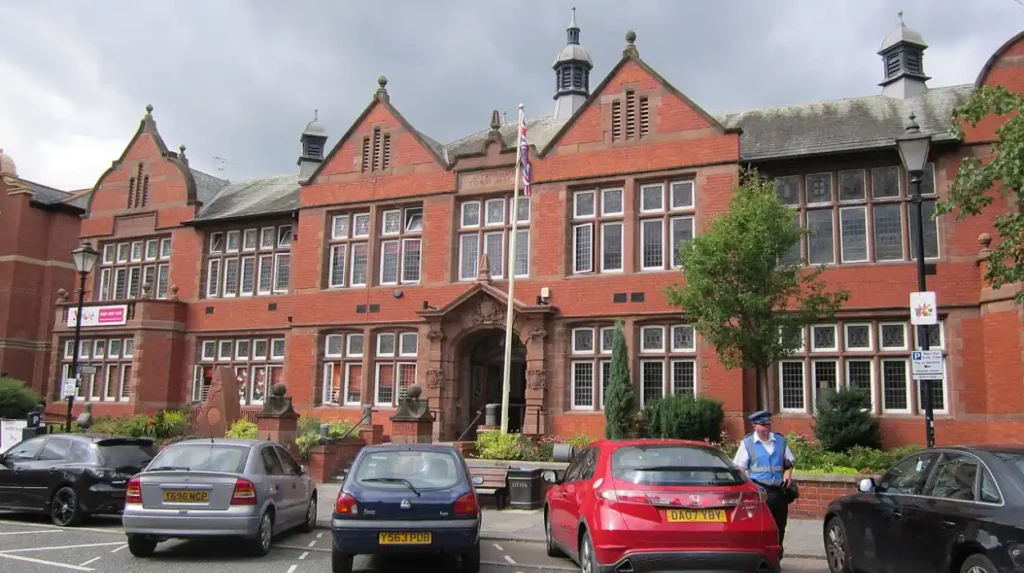
Ashton Library at the Tameside Centre for Enterprise provides free Wi-Fi, power sockets, and quiet study areas. It serves as a reliable civic alternative to commercial coffee shops.