Key Points
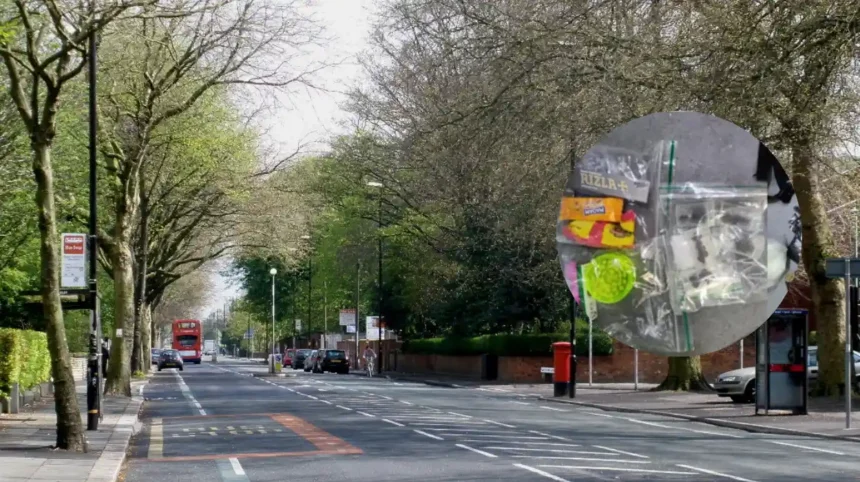
- The Whalley Range PCSOs conducted proactive neighbourhood policing at Whalley Range, Manchester, on 30 September 2026.
- There was the confiscation of two vehicles in the process.
- The police officers were able to seize about 50 bags of suspected drugs.
- These were alleged to be class A drugs.
- This came after the observation made by the eagle-eyed police community support officers.
- The exercise is a part of the neighbourhood policing carried out by the Greater Manchester Police.
- The above items continue to undergo police evaluation and investigation.
Manchester Crime (Manchester Mirror) October 01, 2026 — Whalley Range PCSOs helped disrupt suspected drug supply activity during proactive neighbourhood policing, leading to the seizure of two vehicles and the recovery of around 50 bags of suspected Class A drugs.
- Key Points
- What did officers seize in Whalley Range?
- Why were the PCSOs described as eagle-eyed?
- What is known about the investigation?
- What did Greater Manchester Police say?
- How does the operation fit into neighbourhood policing?
- What should residents understand about the report?
- What happens after suspected drugs are seized?
- What is the background to suspected drug supply in Whalley Range?
- How could the Whalley Range operation affect local residents?
The development was announced by Greater Manchester Police in its report, “Eagle-eyed PCSOs disrupt suspected drug supply in Whalley Range.” The police force said the activity took place in Whalley Range on Wednesday, 30 September 2026.
According to Greater Manchester Police, the neighbourhood policing work resulted in two vehicles being seized. Officers also recovered approximately 50 bags containing substances suspected to be Class A drugs.
The police account describes the action as part of proactive local policing. The force did not present the seized items as confirmed drugs at the time of the announcement. The substances will therefore need to undergo appropriate examination and assessment before their exact composition can be established.
The report also did not establish, on the information available, whether anyone had been charged or prosecuted in connection with the seizures. Any future action will depend on the outcome of the police investigation and any decisions made by the Crown Prosecution Service.
What did officers seize in Whalley Range?
Greater Manchester Police said two vehicles were seized during the operation. The force also reported the recovery of around 50 bags of suspected drugs.
The description of the substances as suspected Class A drugs is significant because Class A is the highest category under the UK’s drug classification system. However, the police wording indicates that the material had not necessarily been confirmed through forensic testing when the news release was issued.
The seizure of vehicles may form part of the investigation into the suspected supply activity. Police vehicles can be retained when officers believe they may be connected to an offence, may contain evidence or may require further examination. The precise legal basis for the seizure and the next steps were not provided in the published report.
No information was given about the make, model, registration numbers or ownership of the vehicles. Those details may not be released while an investigation remains active, particularly if disclosure could affect evidence-gathering or future proceedings.
Why were the PCSOs described as eagle-eyed?
The phrase “eagle-eyed” was used by Greater Manchester Police in the title of its own report to describe the PCSOs’ observations during neighbourhood policing activity.
PCSOs are uniformed members of police staff who support police officers and work closely with local communities. Their duties can include visible patrols, engagement with residents, identifying concerns, gathering information and supporting wider policing operations.
In this case, the police force linked the PCSOs’ work with the identification of suspected drug-supply activity. The published report did not provide a detailed timeline explaining precisely what the PCSOs observed, how the vehicles were identified or whether specialist officers later attended the scene.
The operation nevertheless demonstrates how visible neighbourhood patrols can contribute to wider enforcement activity. Local officers are often positioned to notice unusual behaviour, vehicles or patterns that may otherwise be difficult to identify through isolated incidents.
What is known about the investigation?
The available police report confirms the seizure of two vehicles and the recovery of around 50 bags of suspected Class A drugs. It does not provide further details about arrests, named suspects, charges or court proceedings.
That means several aspects of the case remain unconfirmed. These include:
- Whether anyone was arrested during the operation.
- Whether any person has been interviewed under caution.
- Whether the suspected drugs have been forensically tested.
- Whether the vehicles will be permanently retained or subject to a later legal process.
- Whether further arrests or searches are expected.
- Whether the investigation is linked to other suspected drug-supply activity in Manchester.
A police seizure does not, by itself, prove that an offence has been committed by a particular person. Evidence must be examined, and any prosecution must meet the required legal test. If a case reaches court, the prosecution would need to prove the relevant allegations beyond reasonable doubt.
What did Greater Manchester Police say?
The information was published by Greater Manchester Police in its news release about the Whalley Range operation. The force identified proactive neighbourhood policing as the context for the activity and said that the work led to two vehicles being seized and around 50 bags of suspected Class A drugs being recovered.
The report’s wording attributes the information directly to Greater Manchester Police rather than to an independent media organisation or named journalist. No separate newspaper report or independently verified statement was supplied with the source material.
For that reason, details not contained in the police report should not be treated as established facts. In particular, the identities of any suspects, the value of the suspected drugs and the intended destination of the substances cannot be confirmed from the available announcement.
How does the operation fit into neighbourhood policing?
Neighbourhood policing is intended to address local concerns through a combination of patrols, community engagement, intelligence gathering and enforcement. In Whalley Range, activity involving suspected drug supply can affect residents, businesses and people travelling through the area.
Drug-supply investigations can involve several stages. Officers may first identify behaviour or information that raises concern. They may then preserve evidence, seize relevant property, carry out searches where legally authorised and submit suspected substances for examination.
The operation reported by Greater Manchester Police appears to have begun with local policing activity rather than a publicly announced major investigation. The force’s account places emphasis on the observations made during patrols and the resulting seizure of vehicles and suspected drugs.
However, the report does not indicate whether the operation has concluded. Police investigations can continue after a seizure, especially when officers need to establish ownership, identify the people involved or determine whether the suspected substances are linked to a wider supply network.
What should residents understand about the report?
Residents should understand that the police announcement records an enforcement action, not the final outcome of a criminal case.
The suspected substances must be assessed before they can be confirmed as Class A drugs. Similarly, the seizure of vehicles does not establish who used them or whether their owners were involved in suspected criminal activity.
The report does show that Greater Manchester Police is using neighbourhood policing activity to identify and disrupt suspected drug-related offences in Whalley Range. It also illustrates the potential role of PCSOs in identifying matters that can then be investigated by the wider force.
People who have information about suspected drug activity should use the appropriate Greater Manchester Police reporting channels. They should not approach suspected offenders or place themselves at risk. Information can also be provided anonymously through independent crime-reporting services where appropriate.
What happens after suspected drugs are seized?
Following a seizure, suspected substances may be recorded, secured and submitted for forensic analysis. Testing can help establish whether the material is a controlled drug and, if so, its classification.
Investigators may also examine packaging, fingerprints, DNA, mobile phones, vehicle records, CCTV and other evidence. The purpose is to determine how the substances were obtained, transported or supplied and whether particular individuals can be linked to the activity.
The vehicles may also be examined for evidence. Their ownership, registration history, location and contents could become relevant to the investigation. Whether they remain in police possession depends on the evidence and the applicable legal process.
If a suspect is arrested, officers may question them and either release them while enquiries continue or take further action. A charging decision depends on the available evidence and the applicable legal test.
What is the background to suspected drug supply in Whalley Range?
Whalley Range is an area of Manchester covered by a Greater Manchester Police neighbourhood policing team. The force’s local policing information includes community updates, police priorities and crime-related information for the area.
Greater Manchester Police has previously published reports involving suspected drug offences in Whalley Range and nearby parts of Manchester. Those reports involve separate incidents and should not automatically be connected to the 30 September 2026 operation unless police investigators confirm a link.
The latest announcement is specifically about proactive neighbourhood policing, two seized vehicles and around 50 bags of suspected Class A drugs. It does not state that the operation forms part of a wider organised-crime investigation, nor does it identify any suspect or confirm any charge.
The distinction matters because early police reports often contain only the information that can safely be released while enquiries continue. Further details may emerge through later police updates, court records or statements from other relevant authorities.
How could the Whalley Range operation affect local residents?
The immediate effect for local residents is likely to be increased awareness of police activity and reassurance that reports of suspected drug-related behaviour may be investigated through neighbourhood policing.
The seizure of vehicles and suspected drugs could temporarily affect people who use the relevant roads or parking areas, particularly if officers need to examine vehicles or preserve a scene. The police report does not indicate any prolonged closure or major disruption.
In the longer term, the operation could lead to additional patrols, intelligence-gathering or enforcement activity if investigators identify wider concerns. It could also encourage residents to share information with police, although the outcome will depend on the evidence available.
The operation should not be interpreted as evidence that all residents or businesses in Whalley Range face a generalised threat. It concerns suspected activity identified during a particular policing operation, and no wider conclusion can responsibly be drawn without further verified information.