Key Points
- St Elisabeth’s Church of England Primary School in Reddish, Stockport, has received a ‘good’ Ofsted report for the first time after criticism that the school had “lost its way”.
- In 2019 the school received a rating of ‘inadequate’ followed by ‘requires improvement’ in 2024 before the latest inspection.
- Inspectors cited the “unwavering dedication” of staff, “high aspirations” and quality provision for the early years of children as pupils now do well in their work.
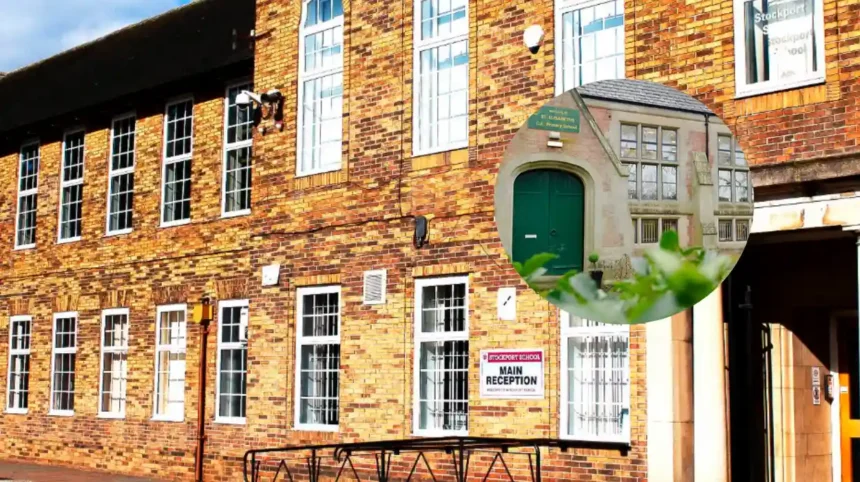
- The Grade II-listed building has recently had filming done there for Harlan Coben’s adaptation of The Woods on Netflix starring Tom Bateman, Michelle Keegan, Mandeep Dhillon, and Pearce Quigley.
- The deputy headteacher Jo Mullen stated the school retained its “family feeling” and increased standards, attendance and inclusiveness.
- Filming was done over holiday periods, changing signs created “a bit of confusion”, but also raised money for cultural events.
Stockport (Manchester Mirror) September 19, 2026 — A Stockport primary school due to appear in a Netflix drama has restored a ‘good’ Ofsted rating after previously being slammed by the schools watchdog. St Elisabeth’s Church of England Primary School, in Reddish, was judged ‘inadequate’ in 2019 and later ‘requires improvement’ in 2024, but its latest inspection report recognises significant progress and awards the ‘good’ grade.
- Key Points
- How did Ofsted describe the school’s latest inspection?
- Why was the school previously rated inadequate and requires improvement?
- Who led the turnaround at St Elisabeth’s?
- What does the report say about SEND and inclusion?
- How is the school linked to a Netflix production?
- Background: How did St Elisabeth’s move from inadequate to good?
- Prediction: How could this development affect parents, pupils and the local community?
How did Ofsted describe the school’s latest inspection?
As reported by the Manchester Evening News and Nub News, lead inspector Nichola Tomkow highlighted the school’s “unswerving commitment” and “high ambition”, adding that children are now generally achieving well. The report states: “Each morning, St Elisabeth’s Church of England Primary School’s playground is a hive of activity. From the moment they arrive, staff encourage pupils to believe in themselves, work hard and aim high.” Inspectors also noted that learning is “practical, interactive and connected to real-life experiences”, with staff encouraging pupils to ask questions, think independently and work collaboratively. Early years provision received particular praise, with the report saying youngsters “get off to a flying start in a warm and caring environment”.
Why was the school previously rated inadequate and requires improvement?
The school was taken over by Thrive Academy Trust in 2019 after its predecessor was downgraded from ‘outstanding’ following a damning inspection. That earlier report criticised “ineffective” leadership and “unskilled” teachers, and found pupils were left “unprepared for high school”. By 2024, the school had improved but remained at ‘requires improvement’, setting the stage for the latest turnaround to ‘good’.
Who led the turnaround at St Elisabeth’s?
Since the 2019 intervention, headteacher Amanda Lancashire has led efforts to rebuild the school’s reputation and raise standards. Deputy headteacher Jo Mullen, who has been at the school since 2001, told the Local Democracy Reporting Service (LDRS):
“We’ve been on a rapid journey of keeping our family feel while also driving improvements in standards and attendance.”
She added:
“Our children behave beautifully because they want to be here, and we received a strong outcome for inclusion.”
Ms Mullen also emphasised staff dedication, saying:
“What we’re most proud of is that the Ofsted report recognised the dedication of the teachers at this school. Teaching isn’t a nine-to-five job. Every member of our staff put the children at the heart of what they do all the time.”
What does the report say about SEND and inclusion?
The school, which cares for around 240 pupils, was commended for its work with children with special educational needs and disabilities (SEND). It has an above‑national‑average proportion of pupils with additional needs, and inspectors highlighted strong inclusion outcomes in the latest judgement.
How is the school linked to a Netflix production?
The Grade II-listed school building was recently used as an on‑site filming location for Harlan Coben’s UK adaptation of The Woods for Netflix. The drama features Tom Bateman, Michelle Keegan, Mandeep Dhillon and Pearce Quigley, and is due to be released early next year. Ms Mullen said:
“It was very exciting,” though she acknowledged it “did cause a bit of confusion” when parents and children noticed signage being changed for the production over the holidays. She added that the filming “brought in a bit of money for the school, which is being used to fund cultural activities for the kids”.
Background: How did St Elisabeth’s move from inadequate to good?
The school’s trajectory began with a sharp downgrade of its predecessor from ‘outstanding’ to ‘inadequate’ in 2019, prompting academy trust intervention. Under Thrive Academy Trust and headteacher Amanda Lancashire, the school focused on leadership stability, teaching quality and pupil outcomes, moving to ‘requires improvement’ in 2024 before achieving ‘good’ in the latest inspection. Inspectors’ comments on behaviour, attendance, early years and inclusion indicate sustained improvement across core areas, rather than a single‑issue fix. The school’s use as a filming location for a high‑profile Netflix drama underscores the building’s architectural significance as a Grade II-listed site, while also providing a small but practical boost to school funds for enrichment activities.
Prediction: How could this development affect parents, pupils and the local community?
For parents in Reddish and across Stockport, the restored ‘good’ rating is likely to increase confidence in the school’s day‑to‑day provision and may strengthen demand for places as families weigh up local options. For pupils, the inspection findings suggest continued emphasis on practical, collaborative learning and strong support for those with SEND, which could translate into steadier progress and better readiness for secondary school.
For staff, the public recognition of dedication and high ambition may aid retention and recruitment, particularly if the trust leverages the positive report in staffing communications. For the wider community, the Netflix link raises the profile of the school and the Reddish area, potentially encouraging further cultural or creative partnerships, though the direct financial impact from filming remains modest and is already earmarked for pupil activities.