Key Points
- A hearing into the deaths of Michelle Pearson and her four children in an arson attack in Walkden, Salford in December 2017 is due to commence on 5 October 2026.
- Senior coroner Timothy Brennand fixed the date at a short hearing at Bolton Coroners’ Court and anticipates the inquest will last up to two months.
- The pre-hearing involved a number of interested persons, such as seven individually represented police officers, Greater Manchester Police (GMP), Salford City Council, two hospital trusts, Wigan Council, Greater Manchester Fire and Rescue Service, and the Independent Office for Police Conduct (IOPC).
- It has been claimed that relatives of the victims believe that the deaths were “wholly preventable” and there were “missed opportunities” in safeguarding the family by the state.
- Zak Bolland and David Worrall received life sentences in 2018 for the petrol bomb attack; Bolland’s girlfriend, Courtney Brierley, received 21 years imprisonment for four counts of manslaughter.
- Mr Bolland attended the pre-inquest hearing by video-link from prison; Mr Worrall and Ms Brierley will not be taking part in the inquest.
- An IOPC investigation into the family’s contact with GMP concluded in 2019 and was not published; also, a significant safeguarding inquiry took place but was
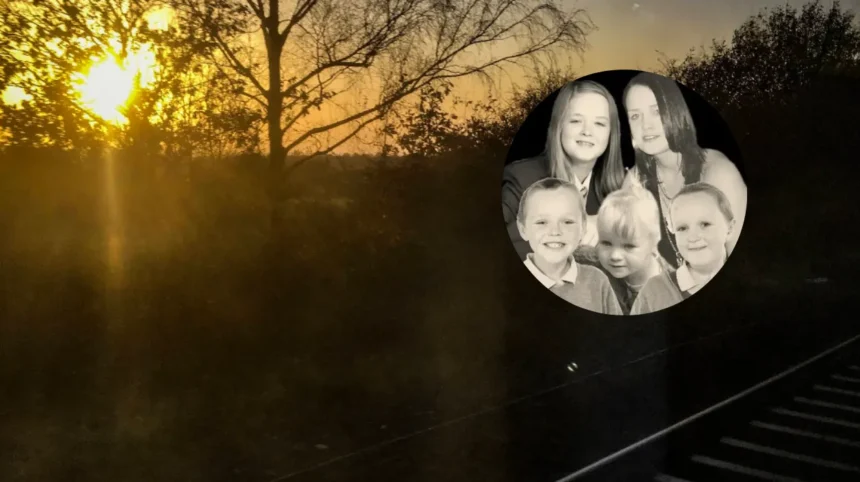
Manchester (Manchester Mirror) September 03, 2026 — An inquest date has finally been set almost nine years after the murder of a family in an arson attack in Salford, with proceedings due to commence on 5 October 2026. The blaze in December 2017 claimed the lives of Demi Pearson, 15, her brother Brandon, eight, and sisters Lacie, seven, and Lia, three. Their mother, Michelle Pearson, suffered 68% burns to her body and “clung on to life” until she died, aged 37, on 25 August 2019 — 20 months after the attack in Walkden.
- Key Points
- Who are the victims and what occurred on the night of the attack?
- What did the coroner’s hearing decide and who will take part?
- What is known about the convictions and sentencing?
- What investigations have been conducted into police and safeguarding actions?
- Background to the development
- Prediction: how might this inquest affect the local community and public bodies?
After a series of delays following the trial, on Tuesday Timothy Brennand, senior coroner for Manchester West, finally set a date of October 5 for the inquest to begin. The brief hearing at Bolton Coroners’ Court was told the inquest is scheduled to last up to two months with seven police officers individually represented, along with their force Greater Manchester Police (GMP), Salford City Council, two hospital trusts, Wigan Council, Greater Manchester Fire and Rescue Service and the Independent Office for Police Conduct (IOPC).
Relatives of the family believe their deaths were “wholly preventable”, and have raised the question of “missed opportunities” to protect them by state agencies. Ms Pearson had “begged” to be rehoused and called police on five occasions in the two weeks before the fatal attack, the trial of her killers heard. Zak Bolland and David Worrall were jailed for life for the attack in 2018.
Who are the victims and what occurred on the night of the attack?
The Pearson family were targeted in a petrol bomb attack on their home on Jackson Street in Walkden in the early hours of 11 December 2017. Four members of the Pearson family — Demi, then 14 or 15 depending on source; Brandon, eight; Lacie, seven; and Lia, three — were killed after petrol bombs were launched at the house. Michelle Pearson, their mother, survived the initial blaze with severe injuries but died in August 2019.
As reported by Pat Hirst of the Press Association (via Salford Now), the family’s deaths have been described by relatives as “wholly preventable”, with longstanding concerns about whether state agencies missed chances to intervene. The BBC noted that Michelle Pearson had “begged” to be rehoused and contacted police multiple times in the fortnight before the attack, evidence that emerged during the killers’ trial.
What did the coroner’s hearing decide and who will take part?
Timothy Brennand, senior coroner for Manchester West, set the inquest date during a short hearing at Bolton Coroners’ Court. The hearing was told the inquest is scheduled to last up to two months. A wide range of interested parties will be represented, including seven police officers individually, alongside their force GMP, Salford City Council, two hospital trusts, Wigan Council, Greater Manchester Fire and Rescue Service and the IOPC.
Bolland was present on a video-link from prison for the hearing, while Worrall, along with Brierley, no longer want to participate in the inquest, the court heard. The scale of representation underscores the breadth of scrutiny expected over the circumstances surrounding the family’s contact with public services prior to the attack.
What is known about the convictions and sentencing?
Zak Bolland and David Worrall were both given four life sentences and told they would serve a minimum of 40 and 37 years respectively for the petrol bombing on the Pearson family home on Jackson Street in Walkden in the early hours of 11 December 2017. Bolland’s girlfriend, Courtney Brierley, 20, was jailed for 21 years for four counts of manslaughter. The convictions followed a trial in 2018 that established the deliberate nature of the attack and the roles of the three defendants.
What investigations have been conducted into police and safeguarding actions?
The IOPC investigated the family’s contact with GMP involving incidents and threats from their killers, and a report was completed in 2019, but not made public. A major safeguarding review has also been undertaken, but not made public. These unpublished reports have been a point of contention for those seeking a fuller public account of what authorities knew and how they responded in the period leading up to the attack.
Background to the development
The inquest follows a protracted legal and investigative process that began with the December 2017 arson attack and continued through the 2018 criminal trial, subsequent sentencing, and Michelle Pearson’s death in 2019. Coroners’ inquests in England and Wales are typically held to establish who died, and how, when and where they died, and can examine broader systemic issues where relevant.
In this case, the involvement of multiple public bodies as interested persons indicates the inquest will consider not only the immediate circumstances of the fire but also the family’s interactions with police, housing and safeguarding services in the months beforehand. Delays between the trial’s conclusion and the setting of an inquest date have been noted in reporting, with the October 2026 start marking the first fixed timetable for the full hearing.
Prediction: how might this inquest affect the local community and public bodies?
The inquest is likely to affect several audiences in distinct ways. For the local community in Walkden and wider Salford, the hearing may renew attention on long-standing concerns about domestic abuse, housing vulnerability and multi-agency safeguarding, potentially prompting calls for greater transparency and earlier intervention in high-risk cases. For GMP, Salford City Council and other named bodies, the prospect of detailed evidence being aired over up to two months could influence internal reviews of policies on threat assessment, rehousing requests and information sharing between agencies.
For families in similar circumstances, the inquest’s findings particularly if they identify specific “missed opportunities” may shape future expectations of how police and councils respond to repeated calls for help and requests for relocation. At a national level, any conclusions that point to systemic gaps could feed into ongoing debates about the resourcing and coordination of safeguarding arrangements, although the extent of any policy impact will depend on the coroner’s final determinations and any subsequent recommendations.