Key Points
- The cost of Tilbury Douglas’ refurbishment of Oldham Coliseum Theatre has risen by 70% after further structural issues and asbestos were uncovered.
- Oldham Council said the theatre is now expected to reopen in 2027, not 2026, after more detailed surveys found additional work was needed.
- The project had already been under way as a £10 million restoration of the historic Fairbottom Street venue.
- An extra £7 million has been agreed to fund the newly identified works, including asbestos removal and fixing structural defects.
- The discovery of a basement beneath the entrance foyer was among the unexpected findings during the refurbishment.
- Oldham Council said no extra burden will fall on council taxpayers because the additional funding comes from a grant and contingency funds.
- The theatre has been closed since April 2023 and is being restored as a high-quality and safe venue for the borough.
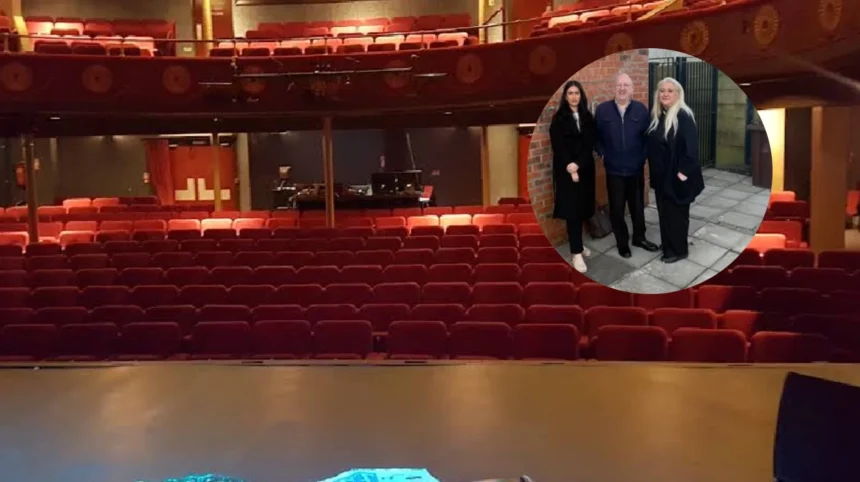
Oldham (Manchester Mirror) July 23, 2026 — Coliseum Theatre, where detailed surveys uncovered more asbestos, structural defects and other hidden problems that were not fully visible at the start of the project.
As reported by Construction News, the original refurbishment of the Oldham venue had to be expanded after the building was opened up further during works. The discoveries included widespread asbestos and structural issues, with the council and contractor describing the building as a historic property where unknown faults can emerge once construction progresses.
What is Oldham Council saying?
The council said partners on the project remain committed to delivering a safe and high-quality venue, even though reopening has now been pushed back to 2027.
The council also said the extra £7 million is being used to carry out necessary works rather than to improve the scheme beyond its original purpose. Matthew Bulmer, the project director for Oldham Council, said the asbestos problem was more extensive than expected, while structural defects beneath one staircase also required attention.
What was found on site?
The project team found structural problems, building services issues, fire protection-related issues and additional asbestos after opening up parts of the building.
The council also reported that a basement was discovered beneath the entrance foyer. In addition, work already completed included a new roof and a redesigned backstage area, but more detailed surveys showed more work was still needed.
How large is the project?
The wider scheme was previously described as a £10 million project funded by £6.1 million from the Towns Fund and the rest from the council’s regeneration budget.
That budget has since been affected by the newly identified problems, which led to the 70% cost increase reported by Construction News. The theatre was first due to reopen in 2026, but the timetable has now slipped to 2027.
Why does the theatre matter?
The theatre is a long-standing cultural venue on Fairbottom Street and has been the subject of a campaign to save and restore it.
According to BBC reporting, the project is intended to return the Coliseum as a high-quality and safe venue for the borough. The delays show how older public buildings can carry hidden risks that affect both cost and schedule once restoration begins.
Background of the development
Oldham Council confirmed in early 2024 that the historic Fairbottom Street building would be restored and brought back into use as the home of Oldham Coliseum.
The council’s earlier plan for a new theatre on Union Street was replaced by the decision to preserve and improve the existing venue. Tilbury Douglas was appointed as the main contractor, with work including a new entrance, better access, a new roof and asbestos removal.
The project was later disrupted when additional issues emerged during construction, including more asbestos than expected and structural defects that required redesign and resequencing of the programme. As a result, the reopening timetable moved from 2026 to 2027.
Prediction
For theatre-goers in Oldham, the most immediate effect is a longer wait before the venue reopens.
For local residents, the council’s position that no extra cost will fall on council tax payers may limit public concern over the budget increase. For the wider arts community, the case is a reminder that restoring historic buildings can uncover hidden faults that reshape timelines, funding and delivery plans.