Key Points
- Manchester City Council is proposing a development of 126 new flats just 5 metres from independent venue Stage & Radio in the Northern Quarter
- The venue states its community space is under direct threat from the neighbouring residential development
- The public has an urgent deadline of 10 June 2026 to submit comments and letters of representation to Manchester City Council Planning Department
- The proposed site has been promoted by the council as regeneration of a “derelict” part of the Northern Quarter
- Stage & Radio is urgently asking the public to voice concerns to support the venue’s future
- This development is owned and promoted by This City, a Manchester City Council-owned company
- The case has sparked a petition calling for the venue to be kept open and protected from the new build
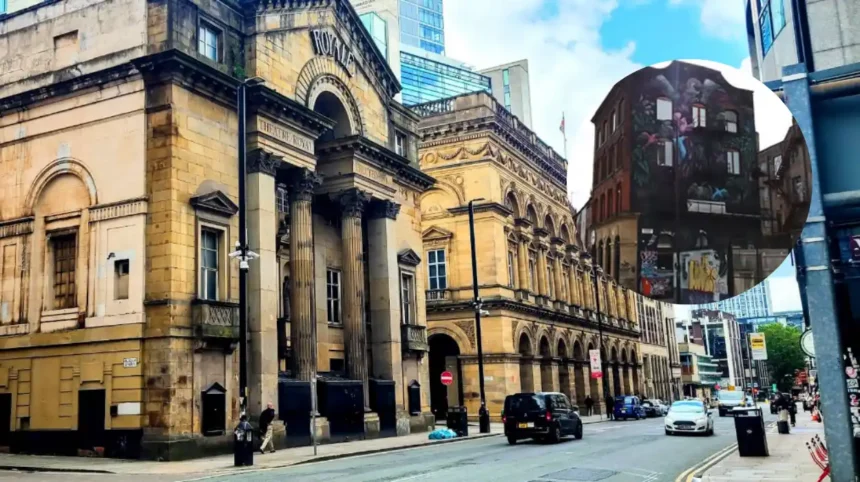
Northern Quarter(Manchester Mirror)May 30, 2026-Manchester’s Northern Quarter is at the centre of a planning dispute after Manchester City Council proposed building 126 new flats just five metres from the independent music and community venue Stage & Radio. The development, promoted by This City, a Manchester City Council-owned company, is being described by the council as regeneration of a “derelict” part of the Northern Quarter, but the venue warns it directly endangers its ability to operate.
- Key Points
- How Does the Proposed Development Threaten Stage & Radio?
- What Did Manchester City Council Say About the Plans?
- Why Is Stage & Radio Urging Public Support Before June 10?
- What Does This Mean for Manchester’s Independent Venue Scene?
- Who Can Comment on the Planning Application and How?
- Background: How This Development Came to Be
- Prediction: How This Development Could Affect Manchester Musicians, Venue Staff, and Local Residents
- For Musicians and Performers
- For Venue Staff and Local Businesses
- For Local Residents and Cultural Community
- For Manchester’s Independent Venue Sector
How Does the Proposed Development Threaten Stage & Radio?
As reported by The Tab, Manchester City Council is considering building 126 flats next to Stage & Radio, and the venue states its community space is under threat from the new residential block. The proposed development would be located just 5 metres away from the venue, raising serious concerns about noise complaints, loss of cultural space, and the long-term viability of an independent venue that has become a cornerstone of Manchester’s live music scene.
Stage & Radio has publicly stated: “OUR COMMUNITY VENUE IS UNDER THREAT FROM 126 NEW FLATS PROPOSED JUST 5 METERS AWAY”. The venue’s statement emphasises that the proximity of the new flats could lead to increased noise complaints from residents, which in turn could force restrictions on live music events or even lead to the venue’s closure.
Mixmag reported that the venue is “urgently asking for the public to support Stage & Radio by voicing concerns by June 10, 2026, about a future development going up within” walking distance. The short distance between the proposed flats and the venue is central to the threat, as residential noise regulations often restrict live music hours and volume once people move into nearby homes.
What Did Manchester City Council Say About the Plans?
Manchester City Council has promoted the proposed development as the regeneration of a “derelict” part of the Northern Quarter. The council’s ownership company, This City, is behind the project, which aims to convert what the council describes as underused land into modern residential accommodation.
The council has not publicly detailed how it plans to balance the residential development with the continued operation of Stage & Radio, nor has it addressed concerns about noise compatibility between the new flats and the venue’s live music programming. The planning application is currently open for public consultation, with the deadline for submissions set for 10 June 2026.
Why Is Stage & Radio Urging Public Support Before June 10?
Stage & Radio is urging the public to submit comments and letters of representation to the Manchester City Council Planning Department before the 10 June 2026 deadline. The venue has launched a petition asking people to sign before it is “too late” to stop the development.
As Mixmag reported, “We’re urgently asking for the public to support Stage & Radio by voicing concerns by June 10, 2026, about a future development going up within” close proximity. The urgency stems from the fact that once the planning decision is made, it will be extremely difficult to reverse the development or protect the venue from future noise complaints and operational restrictions.
The petition described by The Manc states that the venue is “issue[ing] a defiant statement in response to concerning development plans” and is “asking people to sign the petition before its too late”.
What Does This Mean for Manchester’s Independent Venue Scene?
Independent venues like Stage & Radio play a critical role in Manchester’s cultural economy, hosting live music, comedy, spoken word, and community events. The potential loss of Stage & Radio due to a council-owned residential development raises questions about how the city balances housing needs with cultural preservation.
The Northern Quarter is already known for its independent businesses, creative spaces, and live music venues. A council-backed development that threatens one of its cornerstone venues could set a precedent for other independent venues across Greater Manchester, where housing pressure continues to intensify under the city’s £10bn “growth locations” plan aimed at creating 75,000 new residences.
BBC News reported on other Manchester regeneration projects, including a £500m town centre regeneration in Wythenshawe that includes a new cultural hub with live music venues, showing that the council is capable of integrating culture into development. However, the Stage & Radio case suggests that not all developments are being planned with existing venues in mind.
Who Can Comment on the Planning Application and How?
Any member of the public can submit comments and letters of representation to the Manchester City Council Planning Department regarding the proposed 126-flat development. The venue has clearly stated that “the public has an urgent chance to make their comments” before the planning decision is made.
Submissions can be made through the official Manchester City Council planning portal, where the application is listed for public consultation. The deadline for all comments is 10 June 2026, after which the planning committee will consider all representations before making a final decision.
Venue supporters are encouraged to reference the specific planning application number, which is available on the Stage & Radio website and through the council’s planning portal.
Background: How This Development Came to Be
The proposed development is being promoted by This City, a Manchester City Council-owned company tasked with regenerating council-owned land across Manchester. The site next to Stage & Radio has been classified by the council as “derelict” and part of a wider effort to regenerate the Northern Quarter.
Manchester City Council has been pursuing a broader strategy known as the “growth locations” plan, a 10-year strategy aimed at boosting Greater Manchester’s economy and creating tens of thousands of new homes and jobs. The plan targets six “growth areas” across all ten boroughs, with an investment influx of £10 billion and approximately 75,000 new residences.
The Stage & Radio conflict emerges within this context of intense housing pressure and regeneration. While the council has shown willingness to integrate cultural spaces into some developments—such as the Wythenshawe Civic Centre regeneration that will feature a venue for live music and a theater —this particular proposal has not included provisions for protecting the existing independent venue.
The venue itself has been a community hub in the Northern Quarter, hosting live music, comedy, and cultural events for years. Its potential loss has triggered a public campaign, including a petition and widespread calls for the council to reconsider the development’s impact on Manchester’s cultural infrastructure.
Prediction: How This Development Could Affect Manchester Musicians, Venue Staff, and Local Residents
If the planning application is approved, the 126 flats built just 5 metres from Stage & Radio could have immediate and long-term effects on multiple groups.
For Musicians and Performers
Independent musicians who rely on Stage & Radio for gigs, rehearsals, and community events may lose a key venue in the Northern Quarter. Noise complaints from new residents could force the venue to reduce live music hours, lower volume limits, or stop hosting live acts altogether. This would reduce performance opportunities for local and touring artists, particularly those in indie, punk, electronic, and underground scenes that depend on smaller, independent venues.
For Venue Staff and Local Businesses
Stage & Radio employs staff who work in ticketing, bar service, security, and event management.Closure of the venue would result in job losses for these workers. Additionally, nearby independent businesses that benefit from venue footfall—such as cafes, bars, and record shops—could see reduced revenue if the venue closes or operates at reduced capacity.
For Local Residents and Cultural Community
Residents who value Manchester’s cultural identity may lose access to a venue that has hosted community events, local gigs, and cultural programming for years. The Northern Quarter’s reputation as a creative hub could be weakened if more independent venues are replaced with residential developments. Conversely, new residents moving into the 126 flats would gain housing but may not support live music culture, potentially creating ongoing tension between residential peace and venue operations.
For Manchester’s Independent Venue Sector
Approval of this development could set a precedent where council-owned residential projects take priority over existing cultural venues. Other independent venues across Greater Manchester may face similar threats if housing pressure continues to drive regeneration without adequate cultural impact assessments. This could accelerate the decline of Manchester’s independent venue scene, despite the city’s reputation as a music capital.
However, if the public campaign succeeds and the council rejects or modifies the development, it could establish a stronger precedent for protecting independent venues in future planning decisions. The outcome of this case will likely be watched closely by venue owners, musicians, and cultural activists across the UK.