Key Points
- An alleyway within the center of Manchester, with only 29 parking slots, has reportedly collected around £733,000 from parking tickets within three years.
- The street has been referred to as a “cash cow” for council parking by the press
- According to reports, the Manchester Evening News found that the Town Hall collected around £724,000 from the spot within three years
- The issue has raised concerns regarding how parking revenue is generated through such enforcement actions
- Under the Road Traffic Regulation Act 1984, councils are obliged by law to set aside surplus parking revenues for transport-related uses
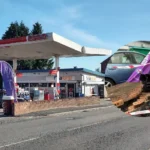
Manchester (Manchester Mirror) September 16, 2026 – A notorious Manchester city centre street dubbed a council parking “cash cow” has earned the town hall up to £724,000 in just three years despite having only 29 parking spaces, according to reporting by the Manchester Evening News. The street, which has become one of the most controversial parking enforcement locations in Greater Manchester, has generated approximately £733,000 in penalty charge notices over the same period, raising questions among drivers and local businesses about the proportionality of enforcement measures.
- Key Points
- How Much Revenue Has This Street Generated?
- What Do Councils Do With Parking Fine Revenue?
- Why Has This Street Become Controversial?
- What Has the Council Said?
- How Does This Compare to Other Manchester Streets?
- What Are Drivers’ Rights and Appeal Options?
- Background: How Did This Situation Develop?
- Prediction: How Could This Affect Manchester Drivers and Businesses?
How Much Revenue Has This Street Generated?
As reported by journalists at the Manchester Evening News, the street in question has produced between £724,000 and £733,000 in parking fines across a three-year period. The variation in reported figures appears to stem from different calculation methods, with some figures representing confirmed payments and others representing total fines issued. The Manchester Evening News described the location as having earned the town hall “up to £724,000” while other references in coverage cite the £733,000 figure as the total generated from penalty charge notices.
The revenue per parking space works out to approximately £25,000 per space over the three-year period, or roughly £8,300 per space annually. This represents one of the highest per-space penalty revenues recorded in Greater Manchester’s on-street parking enforcement data.
What Do Councils Do With Parking Fine Revenue?
Under Section 55 of the Road Traffic Regulation Act 1984, local authorities operating on-street parking under civil enforcement powers are legally required to ring-fence any surplus from parking enforcement. That surplus cannot simply be absorbed into general council spending. Instead, it must be directed towards transport-related purposes, which can include highway maintenance, public transport improvements, road safety schemes, and environmental initiatives connected to transport.
Manchester City Council, like other English local authorities, must account for parking enforcement surplus separately in its annual financial statements. According to broader reporting on council parking profits, English councils made almost £1.1 billion in parking surpluses in the most recent financial year. The Manchester Evening News has previously reported that Manchester City Council accumulated approximately £50 million from parking fines over a three-year period across the entire city.
Why Has This Street Become Controversial?
The street has attracted criticism from drivers, local businesses, and motoring organisations who argue that enforcement levels appear disproportionate to the parking capacity. With only 29 spaces available, the volume of fines issued has led to the location being characterised as a “cash cow” operation designed to generate revenue rather than manage parking availability.
Critics have pointed to several factors that may contribute to high fine volumes on the street. These include short maximum stay limits, strict enforcement of loading bay restrictions, and high penalty charge notice values. The Manchester Evening News coverage has highlighted that the street’s reputation has grown among drivers as one to avoid, with many opting for alternative parking locations despite potentially longer walking distances.
What Has the Council Said?
Manchester City Council has not issued a detailed public statement specifically addressing the £733,000 figure as of the time of writing. However, in response to previous parking enforcement controversies, council spokespeople have typically emphasised that penalty charge notices are issued to ensure parking availability for all users and to maintain traffic flow in busy city centre locations.
Council enforcement teams operate under statutory guidance that requires penalty charge notices to be issued where vehicles are parked in contravention of restrictions. The council maintains that enforcement levels reflect violation rates rather than revenue targets, and that all parking surplus is reinvested in transport improvements as required by law.
How Does This Compare to Other Manchester Streets?
The Manchester Evening News has reported on several other high-enforcement parking locations across Greater Manchester. In Oldham, Waterloo Street saw 273 fines issued in 2026 alone as of September 1, with around 59% of those fines paid. That street became notorious after videos posted online claimed up to 125 cars were parked illegally in a single evening.
Other parking controversies in the region have included Manchester Airport’s pick-up and drop-off charges, where drivers faced £100 fines for overstaying in designated zones. The airport waived overstay fees during periods of air traffic control disruption after numerous complaints. Metrolink passengers have also faced erroneous £60 fines due to technical faults with ticket inspection devices, though Transport for Greater Manchester has apologised and arranged refunds.
What Are Drivers’ Rights and Appeal Options?
Drivers who receive penalty charge notices in Manchester have the right to appeal through the council’s formal process. Appeals can be made on several grounds, including that the alleged contravention did not occur, that the vehicle was taken without the owner’s consent, or that the penalty charge exceeded the relevant amount.
If a council rejects an appeal, drivers can escalate to the independent Traffic Penalty Tribunal for on-street parking enforcement in England (outside London). The tribunal provides a free, independent review of disputed penalty charge notices. Statistics from various councils show that a significant proportion of fines go unpaid or are successfully appealed, though payment rates vary considerably by location and enforcement type.
Background: How Did This Situation Develop?
The high volume of parking fines on this Manchester street has developed over several years as part of broader trends in local authority parking enforcement. Councils across England have faced significant budget pressures since the 2010s, with many turning to parking enforcement as a source of legally ring-fenced revenue that can support transport budgets.
Manchester City Council, like many urban authorities, has maintained civil enforcement of parking restrictions to manage demand in busy city centre areas. The introduction of decriminalised parking enforcement gave councils greater control over setting penalty levels and enforcement priorities. Over time, certain locations have emerged as particularly high-yield sites for penalty charge notices, often due to a combination of high demand, strict restrictions, and consistent enforcement presence.
The specific street in question appears to have accumulated its £733,000 total gradually across the three-year period, with enforcement levels remaining consistent throughout. Local media coverage has periodically highlighted the location, with the “cash cow” characterization gaining traction among drivers and business owners in the area.
Prediction: How Could This Affect Manchester Drivers and Businesses?
This development is likely to have several effects on Manchester drivers, local businesses, and parking policy in the coming months. Drivers may become increasingly cautious about parking in city centre locations, potentially reducing footfall in affected areas. Some motorists may opt for longer walks from cheaper or less strictly enforced parking locations, while others may choose alternative transport modes entirely.
Local businesses near high-enforcement streets could experience reduced customer visits if parking is perceived as prohibitively expensive or risky. The “cash cow” characterization may damage the reputation of affected areas among visitors unfamiliar with local parking restrictions. Business groups may lobby for revised enforcement approaches or additional short-stay parking options to support commercial activity.
For Manchester City Council, the publicity surrounding this street may prompt a review of enforcement practices at high-yield locations. While councils are entitled to enforce parking restrictions, perceptions of revenue-focused enforcement can damage public trust and provoke political scrutiny. The council may face questions at committee meetings or from local councillors about whether enforcement levels at specific sites remain proportionate.
At a broader level, this story contributes to ongoing national debate about local authority parking enforcement and the role of penalty charge notices in municipal finance. With English councils collectively generating over £1 billion in parking surpluses annually, individual high-profile cases like this Manchester street often become reference points in discussions about whether current arrangements appropriately balance enforcement objectives with fairness to motorists.
Drivers in Manchester and other cities would be advised to carefully review parking restrictions before leaving vehicles, use parking apps where available to receive expiry reminders, and consider whether alternative transport options may be more practical for city centre journeys. Those who receive penalty charge notices should review appeal options promptly, as time limits apply to both informal and formal challenge processes.