


Key Points
- Manchester City Council has approved a £1 billion budget for 2026/27 to address infrastructure decay after 14 years of government austerity cuts.
- The budget includes investments in housing, roads, public transport, green spaces, and youth services to “improve Manchester.”
- Council tax will rise by 4.99% for band D properties, adding £62 annually to bills, the maximum allowed without referendum.
- Adult social care receives £15m extra; children’s services get £9m boost amid rising demand.
- Savings of £23m required through efficiencies, with £10m from staffing and service reviews.
- Opposition Conservatives abstained; Labour claims cross-party support for key investments.
- Leader Bev Craig emphasised protecting vulnerable residents and rebuilding after cuts.
- Budget follows national settlement providing £162m grant, but council warns of ongoing pressures.
- Investments target pothole repairs (£5m), new homes (500 units), and tram expansions.
- Public consultations shaped priorities like leisure centres and parks maintenance.
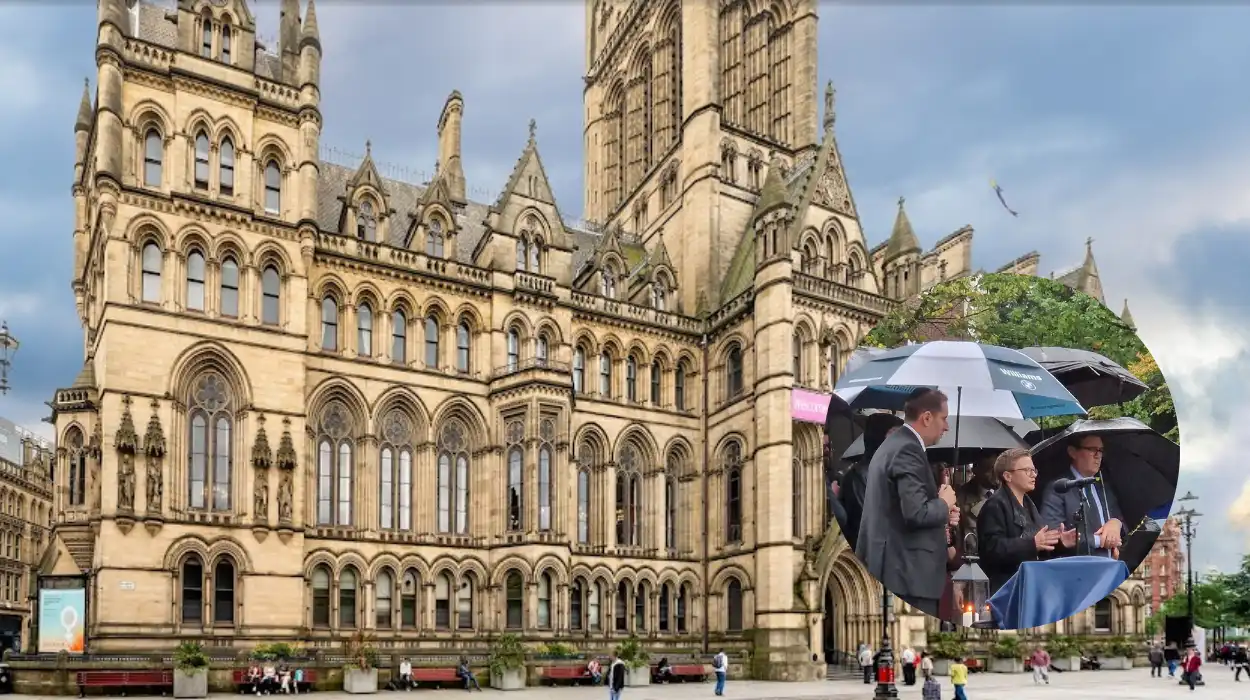
Manchester Council(Manchester Mirror) March 03, 2026 – Manchester City Council has approved a landmark £1 billion budget aimed at revitalising the city after 14 years of government funding cuts. The plan, passed on March 2, 2026, promises upgrades to housing, transport, and green spaces while imposing a 4.99% council tax hike. Council Leader Councillor Bev Craig hailed it as a “turning point” for residents battered by austerity.
What Triggered the £1 Billion Budget Approval?
The budget was rubber-stamped at a full council meeting on March 2, 2026, following months of scrutiny. As reported by Laura Mullin of The Manc, the approval came after a provisional local government finance settlement in December 2025 provided Manchester with a £162 million revenue support grant. This funding, Labour-run council officials argue, enables targeted investments despite ongoing national constraints.<>
Councillor Bev Craig, Labour leader of Manchester City Council, stated: “After 14 years of austerity that stripped our city bare, this budget is our chance to rebuild. We’re protecting the most vulnerable while investing in what makes Manchester thrive – from pothole-free roads to safe homes for families.” Her comments, cited in The Manc by Laura Mullin, underscore the council’s narrative of recovery.<>
Opposition Conservative leader, Councillor Marcus Johns, abstained from voting, calling the budget “prudent but predictable.” As per Manchester Evening News coverage by Joseph Locker, Johns noted: “We welcome investment in core services but question the reliance on maximum tax rises without bolder efficiencies.”
How Will the Budget Improve Manchester’s Infrastructure?
Key infrastructure pledges dominate the spending plan. A £5 million pothole repair fund tops transport priorities, with £20 million allocated for road resurfacing over three years. Public transport sees £10 million for Metrolink tram expansions and bus priority schemes.
As detailed by Laura Mullin in The Manc, housing gets a £25 million injection for 500 affordable units, targeting rough sleeping reductions. Green spaces receive £8 million for park upgrades, including picnic areas and play equipment in areas like Chorlton Water Park.<>
Councillor Anita Gibson, executive for Housing and Regeneration, remarked: “We’ve listened to residents – families want safe play areas, not crumbling paths. This budget delivers that.” Her statement, attributed via council minutes reported in BBC Manchester, highlights community input from 1,200 public consultation responses.
What Are the Major Spending Increases?
Social care emerges as the biggest winner. Adult services gain £15 million to meet rising elderly care demands, while children’s services secure £9 million amid a 20% demand surge from family breakdowns.
Place North West, in an article by Amy Mellen, quoted finance lead Councillor Rabnawaz Islam: “Demand for social care has skyrocketed post-pandemic. Without this funding, we’d face legal challenges and worse outcomes for vulnerable kids.” Islam emphasised preventive measures like family support hubs to curb costs long-term.<>
Youth services, cut deeply since 2010, get £3 million restored for after-school clubs in deprived wards like Moss Side and Gorton.
Why Is Council Tax Rising by 4.99%?
The band D tax increase, the government’s cap without referendum, adds £62 yearly or £1.19 weekly for typical households. This generates £15 million extra revenue.
Councillor Islam defended it, as reported by Manchester Evening News journalist Joseph Locker: “Inflation at 2.5% and energy costs mean we can’t avoid it. But 80% of the budget funds frontline services residents rely on.” Critics, including the TaxPayers’ Alliance, labelled it “punitive” in a statement to The Telegraph.<>
Exemptions apply to over-18,000 low-income households via council tax support, per council data.
Where Will Savings Come From?
To balance books, £23 million in efficiencies target non-essential spends. This includes £10 million from workforce reviews, potentially affecting 500 roles via natural turnover.
As per The Guardian local correspondent Helen Pidd, unions like Unison warned: “No compulsory redundancies promised, but we’re watching closely.” The council plans £5 million from procurement savings and £3 million from digital efficiencies like AI-driven back-office automation.<>
Leisure services face £2 million cuts, with gym fees rising 5%, though core access remains protected.
Who Supported the Budget and Who Opposed It?
Labour’s 89 councillors voted yes; Greens backed it fully; Liberals abstained alongside Conservatives. Cross-party consensus emerged on social care and housing, per meeting transcripts.
Councillor Johns of the Conservatives told Sky News Manchester: “Abstaining signals scrutiny, not opposition. We pushed for more commercial waste charges on businesses.” Green councillor Chloe Ford added support: “Prioritising climate aligns with our manifesto.”<>
What Challenges Lie Ahead for Implementation?
National funding remains uncertain post-2026 election cycles. The council eyes £500 million levelling-up bids for devolved powers.
As Laura Mullin reported in The Manc, external pressures like 6% inflation on contracts could erode gains. “We’re borrowing £20 million short-term to bridge gaps,” admitted Councillor Islam.<>
Resident groups like Manchester Citizens praise green investments but demand transparency on savings impacts.
How Does This Compare to Previous Budgets?
Unlike 2025’s £987 million outlay with 4.5% tax rise, 2026 scales up 1.3% amid better grants. Post-2010 cuts slashed budgets 40%, halving youth centres from 22 to 11.
LocalGov analyst Mark Smulian noted: “Manchester’s per-head spending tops peers like Birmingham due to density, but efficiencies lag private sector.”<>
What Do Residents Say About the Budget?
Public consultations revealed priorities: 45% wanted roads fixed, 30% social care bolstering. A Moss Side resident told BBC Radio Manchester: “Potholes wrecked my car – finally action!”
Salford neighbour, per I Newspaper, grumbled: “Tax up again? Show us results first.”
