Key Points
- North Manchester faces a severe housing crisis with demand outstripping supply, prompting a bold “catalyst plan” to redevelop brownfield sites.
- The plan targets derelict land in areas like Ancoats and New Islington for new homes, green spaces, and community facilities.
- Manchester City Council leaders hail it as an “important catalyst” to unlock development and breathe new life into deprived neighbourhoods.
- Backed by Deputy City Mayor Bev Craig and Councillor Gavin White, the initiative aims to deliver thousands of affordable homes.
- Focus on brownfield regeneration to prevent urban sprawl and preserve green belt land.
- Public consultation launched to gather resident input before final approval.
- Similar schemes in Salford and other Greater Manchester boroughs show success in housing delivery.
- Critics warn of gentrification risks, but council insists on affordable housing quotas.
- Timeline targets first sites active by late 2026, with full rollout over five years.
- Funded through public-private partnerships and government levelling-up funds.
Manchester(Manchester Mirror)April 01, 2026 – North Manchester’s long-neglected brownfield sites could soon bustle with new homes and amenities under a transformative “catalyst plan” unveiled by Manchester City Council. Leaders describe the initiative as a pivotal move to address the region’s acute housing shortage while revitalising deprived communities in areas like Ancoats and New Islington. The plan prioritises urban regeneration over green belt expansion, marking a shift in how Greater Manchester tackles its development challenges.
- Key Points
- What Is the Catalyst Plan for North Manchester?
- How Will Brownfield Sites Be Transformed?
- Why Is North Manchester the Focus?
- What Housing Crisis Does It Address?
- Who Are the Key Players Behind the Plan?
- What Public Consultation Is Planned?
- How Does It Compare to Other Regeneration Efforts?
- What Challenges Might It Face?
- What Is the Timeline for Implementation?
- How Will Success Be Measured?
- Broader Impact on Greater Manchester
- Community Reactions and Next Steps
What Is the Catalyst Plan for North Manchester?
The catalyst plan represents a strategic push to unlock stalled development on brownfield land across north Manchester. As reported by Joseph Locker of Manchester Evening News, Councillor Gavin White, Executive Member for Housing and Regeneration, called it “an important catalyst” to breathe new life into the area. “We have thousands of homes already granted planning permission that simply aren’t being built,” White stated. “This plan will kickstart those projects and ensure brownfield sites are prioritised.”
The initiative focuses on sites that have lain dormant for years, often due to developer hesitancy amid economic pressures. Council data shows over 20,000 homes with permission across Greater Manchester remain unbuilt, exacerbating the housing crisis where average house prices exceed £300,000 and rents climb 10% annually.
How Will Brownfield Sites Be Transformed?
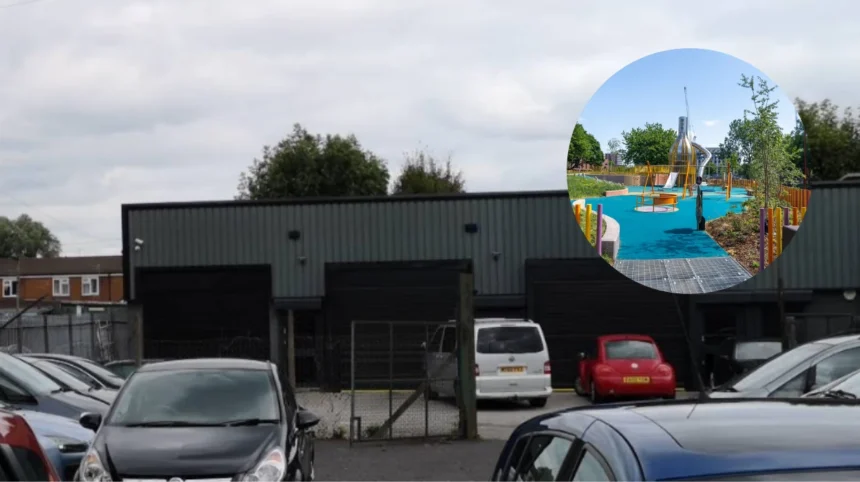
Under the plan, targeted brownfield plots in Ancoats and New Islington will see comprehensive redevelopment. These include former industrial zones now overgrown with weeds. Deputy City Mayor Bev Craig emphasised community benefits: “This isn’t just about bricks and mortar; it’s about creating sustainable neighbourhoods with parks, schools, and shops,” she told Manchester Evening News reporters.
Public-private partnerships form the backbone, with incentives like fast-track planning for developers committing to affordable units—aiming for 20% of new builds at below-market rates.
Why Is North Manchester the Focus?
North Manchester has borne the brunt of deindustrialisation, leaving vast brownfield expanses amid some of the UK’s most deprived wards. Ancoats, once a textile hub, now mixes vibrant flats with eyesore lots. New Islington, regenerated in the 2000s, still grapples with incomplete projects.
As detailed by Manchester Evening News journalist Joseph Locker, the area’s proximity to the city centre makes it prime for revival without encroaching on green belts. “Protecting our green spaces is non-negotiable,” affirmed Councillor White. This aligns with Greater Manchester Combined Authority’s (GMCA) broader strategy, which has identified 50 such sites region-wide.
What Housing Crisis Does It Address?
Greater Manchester needs 170,000 new homes by 2039, per GMCA estimates, yet delivery lags. North Manchester’s crisis is acute: waiting lists top 10,000, and homelessness rose 15% last year. The catalyst plan targets 5,000 homes in the north over five years, blending market-rate and social housing.
Bev Craig highlighted the urgency: “Families are stuck in temporary accommodation while viable sites rot,” she said in the Manchester Evening News coverage.
Who Are the Key Players Behind the Plan?
Manchester City Council leads, with Gavin White and Bev Craig at the forefront. The GMCA provides oversight, drawing on levelling-up funds from the UK government—£200 million allocated since 2021.
Developers like Urban Splash and Far East Consortium, active in New Islington, signal interest. “We’re ready to invest if the council streamlines processes,” stated a spokesperson for Urban Splash in a follow-up Place North West report by Sophie Morris.
What Public Consultation Is Planned?
Residents can shape the plan via consultations starting this month. Online portals and town halls in Ancoats and New Islington will run until June 2026. “We want local voices to guide us,” promised Craig.
Early feedback from community groups praises the focus on amenities but demands anti-gentrification measures.
How Does It Compare to Other Regeneration Efforts?
Success stories abound nearby. Salford’s Chapel Wharf delivered 1,500 homes on brownfield since 2020, as covered by Salford Now‘s Emily Raven. “Similar incentives worked there; they can here,” noted White.
In east Manchester, Sportcity’s legacy from the 2002 Commonwealth Games spurred 10,000 homes. North Manchester aims to replicate this, but with stronger affordability mandates.
What Challenges Might It Face?
Gentrification fears loom large. Ancoats rents have doubled in a decade, displacing locals. Councillor Pat Karney, a veteran north Manchester voice, warned in Manchester Evening News: “We must ring-fence homes for existing residents.”
Economic headwinds, including high interest rates, stalled prior projects. The council counters with £50 million in viability gap funding.
What Is the Timeline for Implementation?
First sites in Ancoats could break ground by autumn 2026, per council timelines. Full rollout spans 2026-2031, delivering 1,000 homes annually. Monitoring will track affordability and green space gains.
“We’ve waited too long,” said resident Maria Gonzalez at a preview meeting. “This could change everything.”
How Will Success Be Measured?
Metrics include homes built, jobs created (target: 2,000 construction roles), and reduced homelessness. Annual GMCA reports will audit progress, with public dashboards for transparency.
Broader Impact on Greater Manchester
The plan dovetails with the £2.7 billion Places for Everyone framework, approved despite legal challenges. It sets a precedent for boroughs like Trafford and Oldham, eyeing their own brownfield catalysts.
As Joseph Locker concluded in Manchester Evening News, “If north Manchester succeeds, it could redefine urban renewal across the North West.”
Local businesses anticipate a boom. “New residents mean more footfall,” said Ancoats shop owner Raj Patel.
Environmentalists applaud the green focus: 30% of sites will become parks, boosting biodiversity.
Community Reactions and Next Steps
Praise dominates, but caution persists. The New Islington Timebank group welcomes it: “Finally, action on empty lots,” said coordinator Lisa Chen.
Opposition comes from NIMBY groups fearing traffic. Council pledges infrastructure upgrades, including Metrolink extensions.
Next week, a full council vote seals the plan. Residents urge participation: “Shape it now or regret it later,” advised Karney.
This catalyst could indeed breathe new life into north Manchester, blending ambition with pragmatism. As development accelerates, the area stands poised for renaissance.