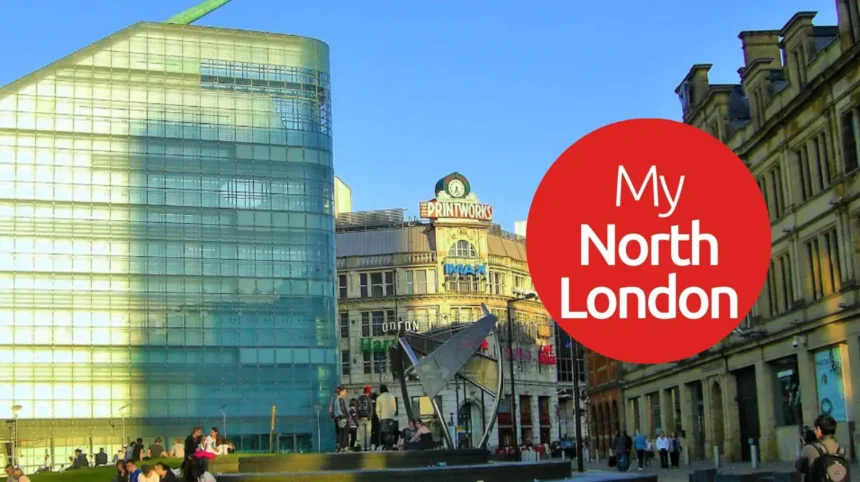
Manchester stands as one of the most historically and culturally rich locations in the UK, with its roots placing it as the world’s first industrial city due to its global status for the cotton trade. Since its reinvention in the late 1990s, Manchester has since been known as the modern capital of culture, media and technology, birthing some of the greatest musicians in the world. It was the cheap rent prices in abandoned textile mills and warehouses that provided these artists with a space to flourish, embedding an element of history and culture into the modern development of the city.
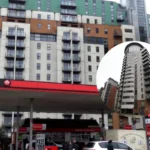
When we examine Manchester under the developmental lens today, it reveals a dramatically changed city. In a push for regeneration, the city has been coined as the ‘London of the north’ due to the ever-changing skyline and influx of new architectural development. This new identity poses both benefits and threats to the people of Manchester, leaving many feeling as though the cities low prices and northern perks are being exploited by upper classes from the south. For many years, the rent increases in London and surrounding areas have forced young people to relocate for cheaper alternatives, with recent generations settling on Manchester as the ‘next best thing’; a bustling city with high-rises and transport links. In 2019, “Manchester saw a net inflow of 16- to 21-year-olds from all regions [with] the largest inflows from the West Midlands, South East and London”, however it is to be debated as to the intention being brought to the city 7 years on, as what was once a cheap alternative to London has now morphed into an overpriced, gentrified replica of a charming city.
This same study found in terms of migration out of Manchester, that the most common location was Yorkshire, “to which there was a net outflow of young people driven by movements to Leeds and Sheffield”. We could argue that these cities hold an undeniable charm, interlinked with lower rent and rich historical culture, something Manchester used to have. The influx of southern residents in the city has brought alongside it a southern atmosphere, and in turn, southern prices. Whilst it is relevant to consider the opportunities for small businesses and young people’s employment, we must note the impact on local residents who can no longer afford to live in the area due to an inflated cost of living in the city. Just a decade ago, rent prices hovered at an average of £900 per month in city centre locations, and around £500 in outer boroughs, whereas now they soar as high as £1,358 in city centre locations, and the revamped areas of Ancoats and Deansgate demand higher than £1,500 for one-to-two-bedroom apartments. When we situate these prices alongside the average £961 per-month rent in the rest of the northwest, and the UK average of £1388, it becomes abhorrently clear that the city is harbouring some of the highest rent prices in the country.
A major catalyst for the UK migration and soaring rent prices is the Good Growth Fund, that focuses on high-density housing, and is responsible for the city rising higher and higher above sea level. The scheme recently secured funding for a 76-storey skyscraper project in the city centre, which would be a “ 246-meter skyscraper featuring 452 private flats, a 160-bed Nobu hotel, a restaurant, and an adjoining 23-storey block with 133 social rent homes” (BBC), with prices starting at £600,000 for one-bedroom apartments, and reaching up to £10 million for penthouses. We can track this exponential increase in Ancoats, which was once a site for working class industrial housing with house prices beginning at just £18,000 in the early 2000s, to a gentrified hub for overpriced coffee shops and London-priced eateries, where house prices sit at over £300,000, and new-build townhouses soaring as high as £750,000. It is notable that regeneration was required in Ancoats and other working-class areas, yet this was not introduced in the form of public funding and housing quality, but rather the introduction of overpriced businesses and gentrification, forcing working class locals from their homes with no viable option but to migrate to other northern towns and cities.
There are many opinions surrounding this new regeneration of Manchester, some viewing it as a benefit, with funding being fed into transport links and job opportunities, making the city a hub for commuting and relocation, whereas others recognise the impact this has on existing locals who are struggling to keep up with the ever-growing rent and cost of living in a city that was once a reflection of northern culture. This exponential gentrification of Manchester has led to a surge in the displacement of long-term residents, where alongside the loss of community, there is a devastating erasure of a long-standing and inspirational historical culture situated in the sacred northern spirit.