Key Points
- Gorton and Denton by-election marks a dramatic collapse in Labour support post-2024 general election landslide.
- Andy Burnham, dubbed the “King of the North,” was blocked from standing by Keir Starmer, sparking fury among unions, Labour members, and fifty Labour MPs who wrote to protest.
- Starmer’s stated reason was avoiding the expense of a mayoral election soon after the by-election, but No.10 briefings against Burnham suggest fear of a leadership challenge.
- Polls show Burnham’s popularity far exceeds potential rivals like Angela Rayner and Wes Streeting, amid Starmer’s all-time low ratings.
- Labour won Gorton and Denton with a 13,000 majority in 2024, one of only seventy seats with an absolute majority, but Reform UK overturned a similar 14,000 Labour majority in Runcorn and Helsby last May.
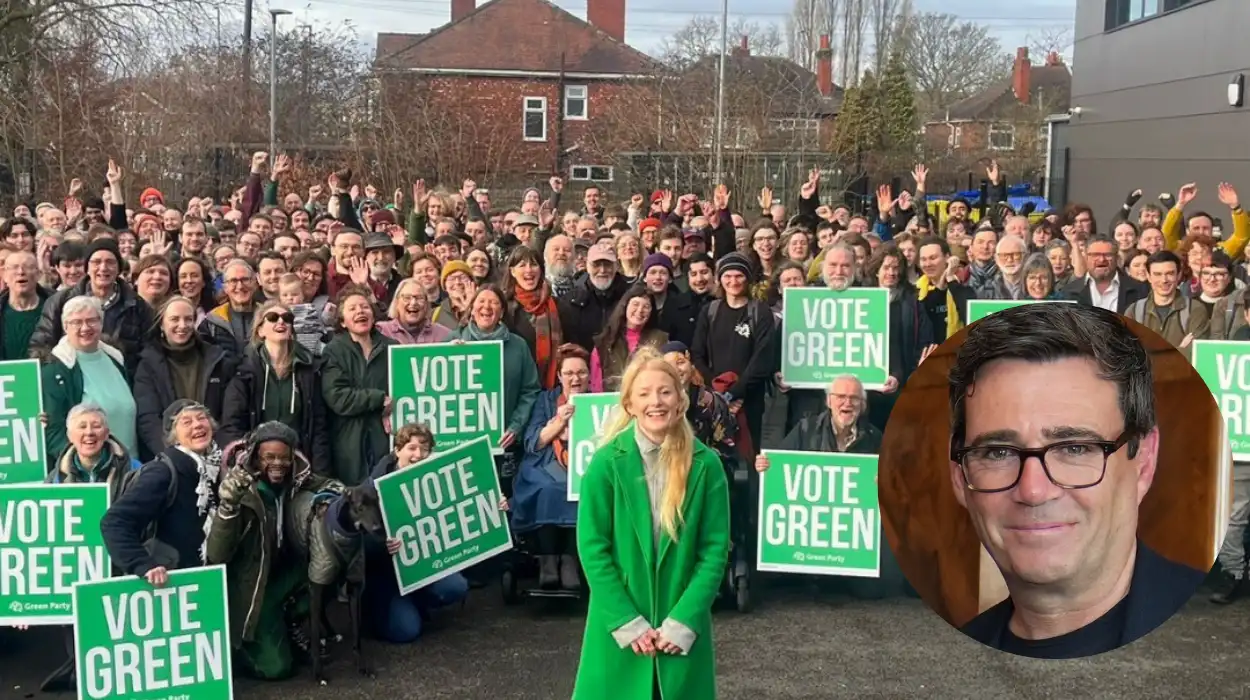
- Now a three-horse race: Labour, Reform UK, and Greens’ Hannah Spencer, polling well on a “Hope not hate” anti-Reform campaign.
- Labour’s 2024 landslide masked decline, criticised for Gaza stance, timid policies; Starmer’s majority fell by over 9,000 votes.
- Starmer’s post-election moves: cut winter fuel payments for pensioners, refused to scrap two-child benefit limit, worsening poverty.
- Further policies deemed authoritarian: war on refugees, protest curbs, NHS privatisation push, Gaza complicity, Trump sycophancy, arms spending over public services.
- Victory built on Tory collapse, not endorsement; Starmer accused of out-Torying Tories and out-Reforming Reform, abandoning working class.
- Broader crisis: Tories irrelevant, Starmer universally hated with no recovery path.
- Left must build mass movements on Palestine, war opposition, anti-austerity, anti-fascism to defeat Reform and far-right, beyond elections.
- Pro-Palestine independents succeeded in 2024 due to mass Palestine movement, not leaflets.
Gorton (Manchester Mirror) February 05, 2026 – The Gorton and Denton by-election has ignited explosive political drama, with Labour facing a potential catastrophe in one of its safest seats as Reform UK and the Green Party mount serious challenges. Andy Burnham’s exclusion from candidacy by Keir Starmer has inflamed tensions within the party, unions, and among MPs, exposing deep fractures at a time of national unpopularity for the Prime Minister. This contest underscores a haemorrhaging of Labour support since the 2024 general election, transforming a once-secure stronghold into a precarious three-way battle.
Why Was Andy Burnham Blocked from Standing?
The saga began before nominations closed, turning the by-election into a theatre of high drama. As argued by Steph Pike in her analysis, the “King of the North,” Andy Burnham, was barred from standing as a candidate by Keir Starmer, described as the “middle-manager of the South.” This decision outraged unions, Labour Party members, and Labour MPs, with fifty MPs penning a letter to Starmer in protest.
Starmer’s public excuse centred on fiscal prudence. He cited the unwanted expense of running a mayoral election so soon after the by-election. However, ongoing briefings from No.10 against Burnham reveal a deeper motive, according to Pike: Starmer fears Burnham positioning himself for a leadership challenge. Recent polls bear this out, placing Burnham’s popularity ratings well above other contenders such as Angela Rayner and Wes Streeting, while Starmer languishes at an all-time low.
This internal rift has amplified external pressures on Labour, making the by-election a litmus test for Starmer’s beleaguered leadership.
What Does This Mean for Labour’s 2024 Landslide Victory?
Gorton and Denton exemplifies Labour’s vulnerability, even in its safest seats—one of only seventy held with an absolute majority post-2024. Labour secured victory there with a 13,000-vote majority. Yet, Pike contends the real story is Labour’s collapse and support haemorrhaging since then. The 2024 landslide masked a party already in decline, heavily criticised for its Gaza genocide stance and timid policies. Starmer’s own majority shrank by over 9,000 votes, a pattern across the elections.
Pike describes Labour’s win as an “unpopular one built on quicksand,” reflecting Tory collapse rather than genuine endorsement. Instead of leveraging his large majority to aid ordinary people after fourteen years of Tory austerity and cuts, Starmer has pursued divisive policies. One early act was slashing winter fuel payments for pensioners and refusing to abolish the two-child benefit limit, exacerbating poverty.
These choices have painted Starmer as abandoning Labour’s working-class roots, attempting to “out-Tory the Tories and out-Reform Reform.”
Which Policies Have Fueled Starmer’s Unpopularity?
A litany of measures has cemented Starmer’s status as “universally hated,” per Pike’s assessment, with no conceivable recovery. These include authoritarian curbs on refugees, attacks on protest rights, further NHS privatisation, complicity in Gaza, and a fawning relationship with US President Donald Trump. Prioritising arms spending and warmongering over public services has intensified backlash.
In this climate, no Labour seat feels safe. Reform UK’s precedent—overturning a 14,000 Labour majority in Runcorn and Helsby last May—looms large. Gorton’s 13,000 edge now appears fragile, potentially a self-inflicted disaster for Labour.
Who Are the Key Contenders in the Race?
The by-election has devolved into a three-horse race: Labour, Reform UK, and the Green Party. Green candidate Hannah Spencer stands as the sole left-wing option, polling strongly on a “Hope not hate” platform targeting Reform. This contest transcends the North West, raging nationally beyond electoral bounds.
Pike emphasises stopping Nigel Farage and Starmer at the ballot box matters, but true change stems elsewhere. The 2024 success of pro-Palestine independent MPs hinged on the mass Palestine movement, not mere leaflets. Elections alone cannot defeat Reform or the far-right.
How Can the Left Counter Reform and Far-Right Gains?
Pike urges the left to prioritise mass movements over electoral tactics. Building campaigns on Palestine, anti-war efforts, austerity opposition, and anti-fascism is essential. Without commitment to these, left parties will fail. Stopping Reform demands grassroots mobilisation, not isolated votes.
This by-election encapsulates Britain’s political crisis: Tories arguably irrelevant, Starmer deeply unpopular. Gorton and Denton tests whether Labour’s decline is terminal, with Burnham’s snub as another nail in its coffin. As unions and MPs rebel, and challengers circle, the outcome could redefine Starmer’s tenure.
The drama unfolds amid broader discontent. Burnham’s blocking has not quelled speculation of his ambitions. Fifty Labour MPs’ protests signal widespread unease. Starmer’s No.10 continues briefing against Burnham, underscoring paranoia. Polls consistently rank Burnham highest among successors.
Labour’s policy reversals dominate discourse. Cutting pensioner winter fuel aid sparked uproar, hitting vulnerable amid rising costs. Retaining the two-child cap entrenches child poverty, defying manifesto pledges. Refugee policies evoke “war on refugees,” alienating progressives. Protest restrictions threaten civil liberties. NHS privatisation fears grow despite denials. Gaza complicity draws moral outrage. Trump alignment jars with UK values. Arms budgets eclipse strained services.
Reform’s Runcorn triumph haunts Labour strategists. Gorton’s demographics—working-class, North West—mirror vulnerabilities. Spencer’s Green surge taps anti-Reform sentiment, blending hope with anti-hate messaging. Her campaign resonates amid Farage’s rise.
Pike’s piece, framing this as Labour’s unmasking, warns of quicksand foundations. The 2024 vote was anti-Tory recoil, not pro-Starmer fervour. Blundering rightward has eroded that.
Unions’ anger over Burnham festers. Their letter to Starmer decried the block as undemocratic. Members echo this, viewing it as Southern elite disdain for Northern voices. Burnham’s mayoral record bolsters his case: popular, pragmatic, resonant.
Starmer’s rationale—election costs—rings hollow to critics. Mayoral races occur routinely; timing excuses mask power plays. No.10 leaks portray Burnham as threat, validating Pike’s thesis.
Nationally, polls confirm Starmer’s nadir. Burnham leads hypotheticals. Rayner, Streeting trail. Crisis grips: Tory irrelevance meets Labour implosion.
By-election mechanics amplify stakes. Nominations’ pre-deadline fireworks set tone. Gorton-Denton’s safe status evaporates. Absolute majority seat now battleground.
Left strategy pivots to movements. Palestine protests propelled independents. Anti-war, anti-cuts rallies build momentum. Anti-fascism counters Reform. Pike insists parties embed here or perish.
As votes near, eyes fix on turnout. Reform eyes upset. Greens consolidate left. Labour defends amid revolt. Burnham watches, sidelined but potent. Starmer governs, exposed. Gorton and Denton may hammer that final nail.