Key Points
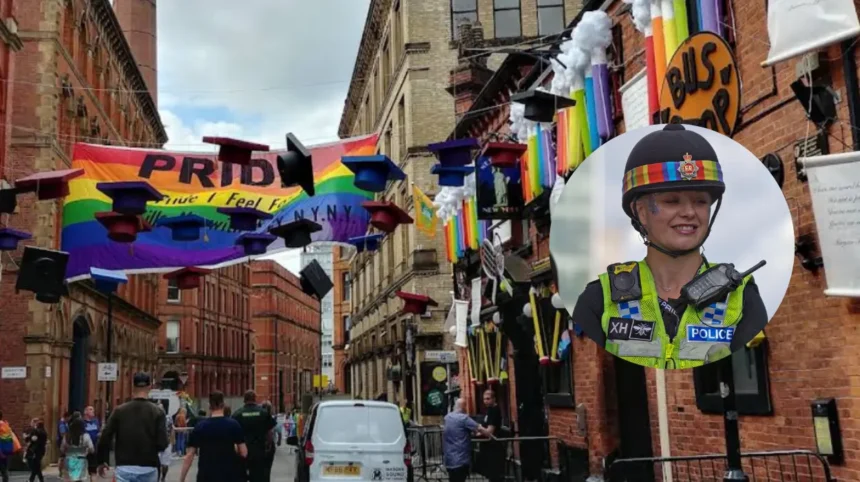
- Greater Manchester Police (GMP) will have additional policing around the city centre of Manchester from Friday 28th August 2026 to Monday 31st August 2026 for Manchester Pride.
- Chief Superintendent Dave Meeney has said that the officers will be interacting with the people, providing reassurances and dealing with the incidents during the day and night celebrations.
- GMP stated its intolerance towards hate crime and called for the reporting to the officers or stewards or by using 101 or their website (gmp.police.uk) or 999 in emergencies of anything which does not “look or feel right.”
- Manchester Village Pride takes place over the bank holiday weekend with a parade on Saturday 29th August starting at 12pm along with live music and entertainment.
- Transport for Greater Manchester (TfGM) has warned about the road closure and disruption to buses and trams on Saturday; for further information please visit Bee Network and TfGM website.
Manchester (Manchester Mirror) August 29, 2026 – Greater Manchester Police (GMP) have confirmed they are prepared to support Manchester Pride 2026, with an enhanced operational presence across the city centre as thousands are expected for the bank holiday weekend celebrations. The force said officers will be visible throughout the four-day event, which runs from Friday 28 August to Monday 31 August, to help ensure a safe and inclusive environment for attendees.
- Key Points
- How will Greater Manchester Police keep Manchester Pride 2026 safe?
- What should Pride-goers do if they see something wrong?
- When and where is Manchester Pride 2026 taking place?
- What transport changes and road closures are in place for Manchester Pride 2026?
- Who is running Manchester Pride 2026 and what is different this year?
- Background: how did Manchester Pride 2026 develop?
- Prediction: how could this development affect LGBTQ+ residents and visitors in Greater Manchester?
How will Greater Manchester Police keep Manchester Pride 2026 safe?
GMP’s City of Manchester Division, led by Chief Superintendent Dave Meeney, outlined the policing approach for the weekend. As reported by Stan Tomkinson of Hits Radio Manchester, Meeney said: “We’re looking forward to supporting the annual Manchester Pride festival.” He added that there would be “an increased presence of police officers around the city centre during all festivities, day and night, engaging with members of the public and providing reassurance”. Officers would be “on hand if needed and ready to respond to any incidents that may arise”, with members of the public encouraged to speak to them directly.
The force emphasised its experience managing large-scale events in the region. Meeney said: “Manchester hosts some of the country’s largest gatherings and events, and we are well-versed in working with partners and providing resources and expertise to support community safety.” He advised attendees to “have fun, stay safe, and look out for each other”, and to trust their instincts if something appeared wrong.
What should Pride-goers do if they see something wrong?
GMP set out clear reporting routes for concerns during the weekend. As reported by Usma Raja of the Oldham Reporter (via Not Really Here Media), Meeney said: “If you see something that doesn’t look or feel right, please trust your instincts and bring it to the attention of an officer or a steward.” Members of the public can also call 101 or report incidents online via www.gmp.police.uk, with 999 reserved for emergencies.
The force reiterated that Pride is a celebration for the LGBTQ+ community and that attendees should be able to take part “free from discrimination, abuse, or fear”. GMP stated there would be “no tolerance of hate crime or criminality of any kind”, and urged victims or witnesses to speak to officers immediately so action can be taken.
When and where is Manchester Pride 2026 taking place?
Manchester Village Pride is scheduled across the bank holiday weekend from Friday 28 August to Monday 31 August, centred on Canal Street and the Gay Village. The headline parade takes place on Saturday 29 August, starting at midday on Liverpool Road and proceeding via Deansgate, Peter Street, Oxford Street, Portland Street and Whitworth Street before arriving in the Village, with the procession expected to conclude around 4pm. Organisers have promoted the theme “No Place Like Home”, with more than 12,000 participants across 177 groups expected to take part in the parade, according to coverage by Hits Radio network outlets.
Beyond the parade, the Gay Village will host a day-long programme of live music and performances on Saturday, with headliners including Cascada, Kate Nash, Nadine Coyle and Gareth Gates, alongside LGBTQ+ artists and local acts, as reported by the BBC and Manchester Evening News. Additional programming includes family-friendly events outside the Village, such as Proud Fest at the Great Northern Warehouse, and a dedicated “Calm Space” run by Neuroqueerz at the Holiday Inn on Aytourn Street for those seeking a low-stimulation environment. Monday is designated as family day, with free entry into the Gay Village, and the weekend will conclude with a vigil in Sackville Gardens run by the George House Trust.
What transport changes and road closures are in place for Manchester Pride 2026?
A major travel warning has been issued ahead of the bank holiday weekend, with Transport for Greater Manchester (TfGM) advising people to plan ahead due to road closures and disruption to bus and tram services on Saturday. As reported by Emily Sergeant of The Manc, roads will be closed between 9am and 7pm on Saturday 29 August to allow the parade to pass safely, with bus diversions expected. Updated information on buses and trams is available on the TfGM website and via the @BeeNetwork on X, GMP noted in its guidance.
Who is running Manchester Pride 2026 and what is different this year?
A new not-for-profit community interest company (CIC) has taken over running the four-day event, with organisers saying the festival will be more community-focused this year. LGBTQ+ charities and grassroots groups have had their parade entrance fees waived, according to BBC reporting. The Gay Village Party will require wristbands for entry and an admission fee, while Monday’s family day offers free access to the Village. Stalls for local organisations and charities will operate throughout the weekend.
Background: how did Manchester Pride 2026 develop?
Manchester Pride has long been one of the UK’s prominent LGBTQ+ celebrations, anchored in the city’s Gay Village and Canal Street area. This year’s event follows a period of organisational change, with a new CIC taking responsibility for delivering the festival and introducing a stronger community focus, including waived parade fees for LGBTQ+ charities and grassroots groups. The “No Place Like Home” theme underscores efforts to reinforce a sense of belonging and safety for LGBTQ+ people in the city, with more than 12,000 participants across 177 groups expected in the parade. Policing arrangements build on GMP’s established role supporting large public events in Greater Manchester, with the force coordinating with partners to manage crowd safety, road closures and transport impacts over the bank holiday weekend.
Prediction: how could this development affect LGBTQ+ residents and visitors in Greater Manchester?
The combination of an enhanced police presence, explicit zero-tolerance messaging on hate crime and clear reporting routes is likely to increase perceived safety among LGBTQ+ residents and visitors attending Manchester Pride 2026. Visible officers engaging with the public day and night may deter disorder and enable quicker responses to incidents, potentially encouraging higher attendance from families and community groups who prioritise a secure environment. However, the scale of expected crowds, road closures and transport disruptions on Saturday could affect accessibility for some attendees, particularly those relying on buses and trams, meaning journey times and route planning will be critical factors in how different audiences experience the weekend. If reporting mechanisms are used effectively and any incidents are addressed promptly, the overall effect could be to reinforce Manchester’s reputation as a welcoming destination for LGBTQ+ communities while highlighting the importance of continued partnership between organisers, police and transport authorities in future years.