Key Points
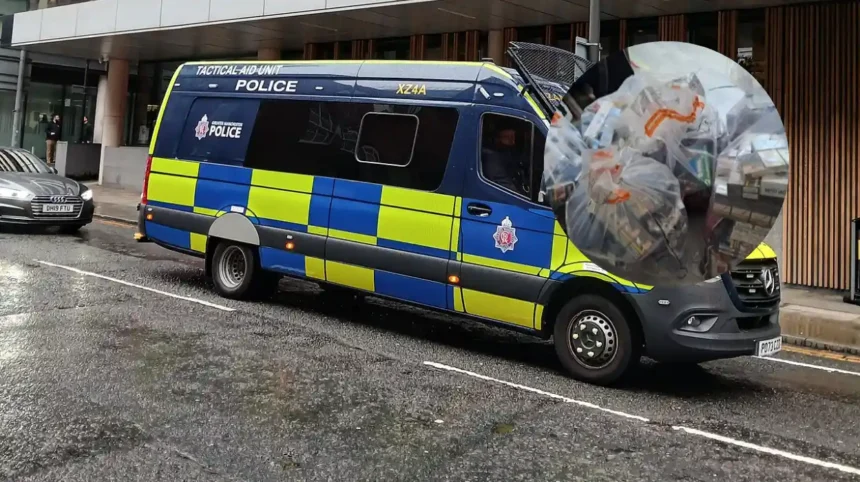
- GMP are set to receive a funding boost for action against dodgy high street shops.
- The crackdown is tied to a wider national effort targeting criminal gangs using retail premises as fronts.
- Enforcement activity is expected to focus on hotspot areas across Greater Manchester, including Rochdale, Bury and Bolton.
- Police and trading standards will use the extra support for raids, closures and cash seizures over the next three years.
- The campaign follows wider concerns about money laundering and the criminal exploitation of shops such as barbers, vape stores and mini-marts.
Local Manchester(Manchester Mirror)May 19, 2026 – Greater Manchester Police are set to receive extra funding for a fresh crackdown on dodgy high street shops, as part of a broader push to disrupt organized crime gangs using local businesses as fronts.
What is the new funding for?
The funding is intended to strengthen enforcement against shops suspected of being linked to organized criminal activity, including money laundering and the sale of illicit goods. According to reporting on the announcement, the money will support police action in key parts of Greater Manchester, with Rochdale, Bury and Bolton identified as focus areas. The wider programme includes raids, closures and cash seizures, alongside trading standards work.
Why are high streets being targeted?
High streets have become a focus because criminal groups have increasingly used ordinary-looking businesses to hide illegal activity. Earlier national enforcement operations found that barbers, vape shops, mini-marts, nail salons and similar premises can be used to move or disguise criminal cash. Police have also previously seized substantial sums from criminal activity in Greater Manchester, showing the scale of the issue that local agencies are trying to address.
What did the reports say?
The reporting linked to the new funding says the offensive is part of a national crackdown on “dodgy” high street shops. BBC reporting on a related announcement said a new police unit would target crime gangs fronting high street shops, with around £20m in funding tied to work over the next three years. Other coverage has described the issue as a wider effort to tackle rogue premises in towns and city centres across the region.
How does this fit into wider enforcement?
This move follows a series of broader anti-money laundering and retail crime operations across the UK. One large national operation saw thousands of premises visited, hundreds of arrests made, and millions of pounds seized or destroyed in illegal goods. In Greater Manchester, authorities have already shut down more than 200 counterfeit shops in previous work targeting fake goods and related criminal activity.
What are the local priorities?
Greater Manchester’s focus appears to be on hotspots where criminal exploitation of premises may be most visible. Reporting suggests enforcement teams will concentrate on retail parks, shopping precincts and town centres, rather than taking a blanket approach to all businesses. That approach is designed to combine intelligence-led policing with trading standards action and longer-term disruption of criminal supply chains.
Who is affected?
The immediate impact is likely to be felt by businesses under suspicion of unlawful activity, especially those in sectors already linked in reporting to cash-heavy trading and illicit goods. Legitimate shop owners may also see more inspections and compliance checks as the crackdown intensifies. For residents, the aim is to reduce visible crime, improve confidence in local shopping areas and make high streets feel safer.
Background of the development
Concerns about “dodgy shops” have grown as police and national agencies have linked some high street businesses to organized crime, money laundering and counterfeit trading. National initiatives such as Operation Machinize have already shown how widespread the problem can be, while Greater Manchester Police have previously run separate operations against counterfeit goods and other offending linked to local premises. The latest funding boost suggests a move toward more sustained enforcement rather than short, isolated interventions.
Prediction
For local audiences, this development is likely to mean more visible police activity, more business checks and a greater chance of closures or enforcement action in areas flagged as hotspots. If the funding is deployed effectively, shoppers may see cleaner and more compliant high streets, while legitimate traders could benefit from reduced criminal competition. Over time, the success of the policy will depend on whether enforcement can keep pace with how quickly criminal groups adapt their business fronts.