Key Points
- Bolton Council approved plans for two new homes near Castle Street in Bolton town centre.
- The site is in the Croal Valley area of the town centre, between Bark Street and Back Bark Street.
- The scheme was brought forward by Bolton-based Forshaw Land & Property Group Ltd.
- The development sits within Bolton’s wider town-centre regeneration pipeline, which has already included other residential schemes nearby.
- The approved project forms part of continued housing growth in and around the town centre.
Bolton(Manchester Mirror)16, 2026 — Bolton Council has approved plans for two new homes near Castle Street in the town centre, marking another small but notable addition to the area’s housing stock. As reported by The Bolton News, the decision adds to a wider pattern of residential development in Bolton’s central district.
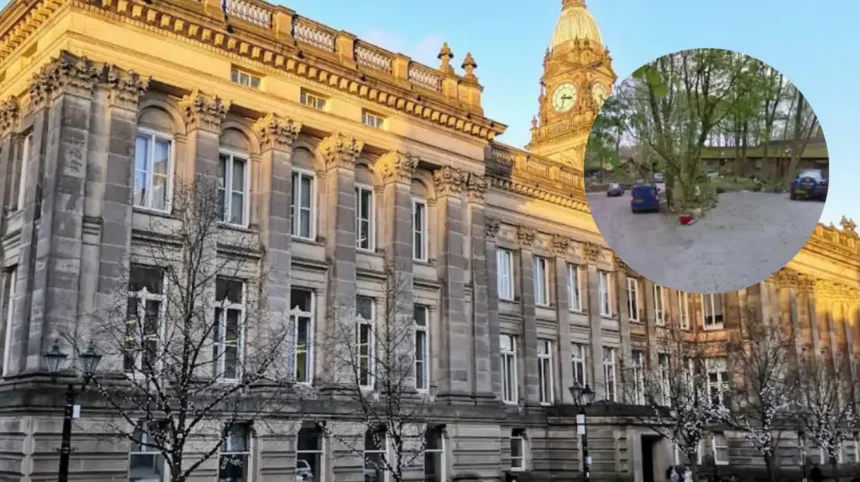
The scheme was approved on the basis of a planning application submitted by Bolton-based Forshaw Land & Property Group Ltd. The homes are set to be built on land in the Croal Valley part of the town centre, fronting St George’s Road between Bark Street and Back Bark Street.
Where is the site?
The approved site is close to Bolton town centre, in the Croal Valley area, which has seen several redevelopment proposals over recent years. This location places the homes within an area that the council has increasingly targeted for regeneration and new housing delivery.
Bolton Council’s previous regeneration updates have shown that town-centre housing has been a recurring priority, including larger schemes elsewhere nearby. The Castle Street approval is smaller in scale, but it sits within the same broader direction of travel.
Why does it matter?
The approval matters because even modest housing schemes can contribute to the gradual reshaping of town centres, especially where councils are trying to bring more residents into central areas. In Bolton’s case, the decision adds to an existing pipeline of homes that aim to support long-term regeneration.
It also reflects the continuing use of brownfield and underused urban land for housing, a pattern visible in other Bolton town-centre projects. For local planners, this is part of a wider effort to make the town centre more active and more residential.
Background of the development
Bolton has spent several years pushing forward town-centre regeneration through a mix of new homes and mixed-use schemes. Earlier council updates highlighted developments such as the Chorley Street estate and the Moor Lane scheme, both part of the wider masterplan approach.
The Castle Street approval fits into that same strategy, although on a much smaller scale. The council has also previously backed larger residential schemes in the Croal Valley area, showing that this part of town has long been part of Bolton’s housing plans.
What could happen next?
The most likely next step is that the developer will move towards delivery of the approved homes, subject to any remaining planning conditions and construction arrangements. Small schemes like this can be less visible than major apartment blocks, but they often form part of the practical housing supply in town centres.
For local residents, the impact is likely to be limited in scale but still relevant, particularly in terms of how the area looks and functions over time. For Bolton town centre, each approved residential project adds another layer to the long-term shift toward a more lived-in urban core.