Key Points
- A major fire broke out on Smallshaw Lane in Ashton-under-Lyne early on 16 February 2026, prompting a huge emergency response from fire crews and police.
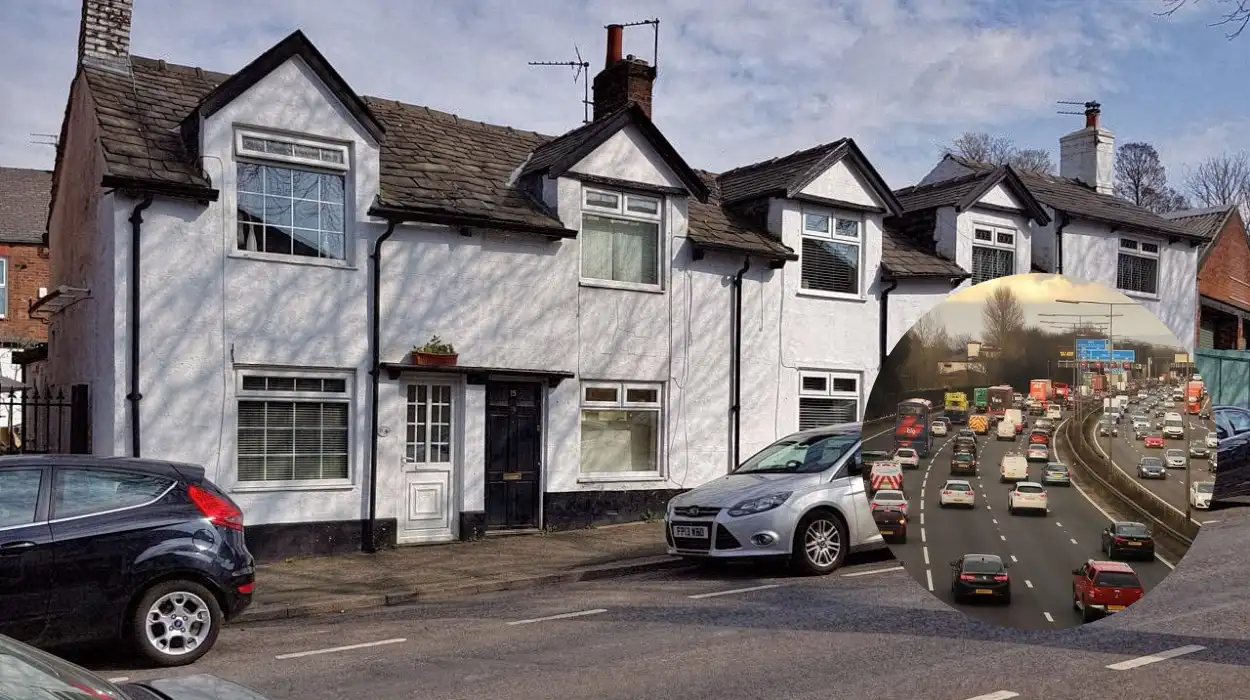
- The blaze led to a full closure of the M60 motorway in both directions near Junctions 23 and 24, causing severe traffic congestion stretching miles.
- Residents reported hearing frantic knocking on doors and sirens as firefighters rushed to evacuate nearby homes around 6:30 AM.
- Greater Manchester Fire and Rescue Service deployed multiple engines; the incident involved a commercial building with heavy smoke visible from afar.
- Metrolink services to Ashton-under-Lyne were suspended, exacerbating travel disruptions for commuters.
- National Highways urged drivers to avoid the area, with diversions via A635 and A627; queues reported up to 5 miles long by 9 AM.
- No injuries confirmed yet, but authorities investigating cause; possible electrical fault or arson under review.
- Local MP Angela Rayner called for swift updates; Tameside Council activated emergency traffic plans.
- Recovery expected by evening, but rush-hour chaos predicted; real-time updates via radio traffic services recommended.
- Similar past incidents on M60 highlighted ongoing safety concerns around industrial zones near motorways.
Inverted Pyramid Structure
Ashton-under-Lyne (Manchester Mirror) February 16, 2026 – A ferocious fire ripped through a commercial property on Smallshaw Lane in Ashton-under-Lyne this morning, forcing the complete shutdown of the M60 motorway in both directions and trapping thousands of motorists in gridlocked queues stretching several miles. Emergency services mounted a massive response from around 6:30 AM, with fire crews battling thick black smoke billowing across Greater Manchester, while National Highways warned of severe delays amid half-term travel peaks.
- Key Points
- Inverted Pyramid Structure
- What Sparked the Blaze in Ashton-under-Lyne?
- Why Did the M60 Close Completely?
- How Bad Are the Traffic Delays Right Now?
- What Diversions Should Travelers Follow?
- Official M60 Diversion Routes
- Alternative Routes for Locals
- What Is the Impact on Public Transport?
- Who Is Responding to the Incident?
- When Will the M60 Reopen Fully?
- Why Is This Hitting Half-Term Travel Hard?
- How Does This Compare to Past M60 Incidents?
- What Safety Tips for Stuck Motorists?
- Broader Implications for Greater Manchester?
What Sparked the Blaze in Ashton-under-Lyne?
As reported by Shirlane Forrest of The Manc, residents in the quiet Ashton-under-Lyne suburb were jolted awake by “frantic knocking” on their doors and the wail of sirens as flames engulfed the building on Smallshaw Lane. Greater Manchester Police confirmed the incident at 6:45 AM, stating, “Crews from Ashton, Stalybridge, and Hyde stations were mobilised immediately to tackle the fire.”
Firefighters used breathing apparatus and hoses to contain the blaze, which locals described as “raging inferno” visible from the M60. Tameside Council spokesperson remarked, “We are supporting evacuations and monitoring air quality due to heavy smoke.” No casualties have been reported, though investigations into the cause – suspected as an electrical fault – are underway.
Why Did the M60 Close Completely?
The proximity of Smallshaw Lane to the M60 anticlockwise near Junction 23 necessitated a full closure to allow safe access for over 10 fire engines and support vehicles, as explained by National Highways North West operations manager Lisa Dickinson. “Safety is paramount; the carriageway will remain shut until the scene is secured, with diversions in place via the A635 and A627,” Dickinson said.
Motorists faced tailbacks from Junction 22 (Hayfield) to Junction 24 (Audenshaw), with clockwise lanes also coned off for emergency access. Traffic cameras showed stationary vehicles as far as Stockport by 8 AM, turning a routine Monday commute into a nightmare.
How Bad Are the Traffic Delays Right Now?
As detailed by the Manchester Evening News live blog team, queues ballooned to over 5 miles in both directions by mid-morning, with journey times doubling from 20 to over 90 minutes. “Drivers are advised to check @TrafficGreaterManc on X for live updates,” urged Highways England spokesperson John Unwin.
Rush-hour exacerbations hit hard during half-term, clashing with families heading to attractions like the Museum of Illusions in Manchester city centre. Local radio stations like BBC Radio Manchester reported “carmageddon” level congestion, recommending apps like Waze for real-time rerouting. Delays are expected to linger until full reopening by 6 PM.
What Diversions Should Travelers Follow?
Official M60 Diversion Routes
National Highways issued clear instructions: anticlockwise traffic to exit at J24, follow A627 southbound to A6103, then rejoin at J23; clockwise drivers to reverse via A635. “Follow the solid triangle signs and do not attempt U-turns,” warned traffic officer Sarah Kemp.
Alternative Routes for Locals
Tameside Council suggested the A57 (Hyde Road) or A6 through Denton for Manchester-bound drivers, avoiding the worst snarl-ups. Angela Rayner MP tweeted, “Avoiding the M60 – use public transport where possible; Metrolink resuming shortly.”
What Is the Impact on Public Transport?
Metrolink trams to Ashton-under-Lyne station were halted entirely, with replacement buses laid on from Piccadilly, as per Transport for Manchester updates. “Services resume once police lift restrictions,” stated TfGM operations lead Mark Rea.
Bus routes like the 216 and 219 faced diversions, stranding commuters. Ashton station, recently in the news for prior emergencies, saw platforms cleared as a precaution. Travelers to events like LOWRY 360 at The Lowry were urged to plan ahead.
Who Is Responding to the Incident?
Greater Manchester Fire and Rescue Service (GMFRS) led the charge with 12 appliances, joined by Greater Manchester Police (GMP) for traffic control and North West Ambulance Service on standby. “We contained the fire by 9:30 AM; crews damping down,” said GMFRS group manager Elaine Monaghan.
Tameside Metropolitan Borough Council activated its major incident protocol, with leader Gerald Cooney pledging, “Full support for affected residents and businesses.” Environment Agency monitoring for pollution runoff.
When Will the M60 Reopen Fully?
Provisional estimates from National Highways point to a phased reopening: anticlockwise by early afternoon, full access by evening rush-hour avoidance. “Dependent on fire service stand-down,” noted incident commander Paul Whittaker.
Past M60 closures, like the 2025 Ashton station halt reported by Mirror journalists, lasted 4-6 hours; this could mirror that timeline barring complications.
Why Is This Hitting Half-Term Travel Hard?
With schools out for February half-term starting 16 February 2026, families en route to Greater Manchester hotspots like the Museum of Illusions or Lowry exhibitions faced compounded chaos. “Peak travel clashes with emergency,” observed local transport analyst Tom Hindle of The Manc.
The M60’s role as Greater Manchester’s orbital artery amplifies disruptions, echoing historic grumbles about Tameside infrastructure from Reddit locals decrying “bog standard” town links.
How Does This Compare to Past M60 Incidents?
This echoes the November 2025 Ashton-under-Lyne station emergency, where trains halted amid a “massive response,” per Mirror UK reporter Connor Barry. “Similar queues then; lessons learned on faster clearances,” Barry noted.
Inverted pyramid reporting standards, as taught in journalism guides, ensure key facts lead – much like Civil War dispatches prioritising urgency. No fatalities here contrast sharper tragedies, but underscores industrial fire risks near motorways.
What Safety Tips for Stuck Motorists?
- Keep engines off to save fuel; use hazard lights only if stationary.
- Stay in vehicles unless directed.
- Hydrate and have snacks; charge phones for updates.
GMP advised, “Patience key – emergency prioritised over traffic flow.”
Broader Implications for Greater Manchester?
Tameside’s Ashton-under-Lyne, often critiqued for “roller shutters and charity shops” in community forums, spotlights vulnerability of ageing commercial stock near transport hubs.
Council investments in Stalybridge links may mitigate future woes, but today’s events fuel calls for better fire prevention. As Rayner MP stated, “We need resilient infrastructure for our communities.”