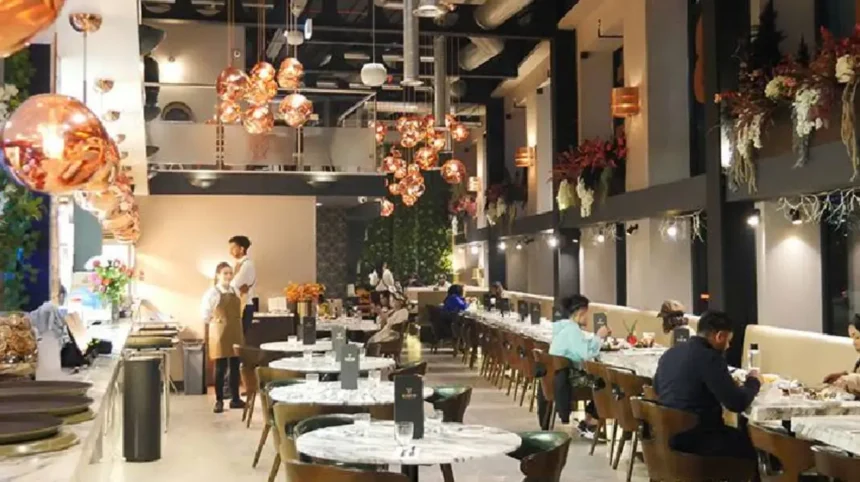
Manchester is one of the UK’s most vibrant food‑loving cities, with a mix of historic markets, modern restaurants, and independent cafés that suit tourists, long‑term visitors, and locals alike. Whether you are in the city for a weekend, a work trip, or a digital‑nomad stay, Manchester offers a wide range of dining options that blend local heritage with global flavours. This guide explains how to navigate the city’s food scene, what types of places to prioritise, and how to choose the right spots for your budget, schedule, and dietary needs.
- What is Manchester’s food scene like?
- Where should first‑time tourists eat in Manchester?
- How can digital nomads find work‑friendly cafés and restaurants?
- What are the best low‑cost food options for budget travellers?
- How can residents discover hidden or “local” dining spots?
- What should business travellers eat when they have limited time?
- How easy is it to eat with special dietary needs in Manchester?
- When are the best times to eat in Manchester?
- What are Manchester’s signature dishes and food experiences?
- How can visitors use Manchester’s transport links to move between eating areas
- How important is Manchester’s culinary heritage for modern dining venues?
- What data‑based trends can visitors use to choose restaurants?
- What future‑oriented trends should visitors watch in Manchester’s food scene?
- FAQs About Where to Eat in Manchester
What is Manchester’s food scene like?
Manchester’s food scene is a mix of traditional British and international cuisine, with a strong emphasis on accessibility and variety. The city has more than 2,000 registered food‑service outlets, including pubs, café chains, fine‑dining restaurants, and street‑food venues. This density means that most visitors can find something within a 10–20‑minute walk from central hotels, transport hubs, and co‑working spaces.
Food‑service data from the UK government and local business registers show that the highest concentration of restaurants is in the city centre, particularly around Deansgate, Spinningfields, and the Northern Quarter. These areas mix international fast‑casual brands with independent restaurants, creating a “layered” dining environment where tourists and business travellers can choose between quick, low‑cost meals and more formal, higher‑price experiences.
For leisure tourists, Manchester’s food scene is notable for its affordability compared with other UK core cities such as London or Edinburgh, especially at lunchtime and in smaller independent venues. For residents and digital nomads, the city’s mix of cafés, co‑working‑friendly restaurants, and late‑night options makes it easy to combine work, socialising, and casual dining in a single day.
Where should first‑time tourists eat in Manchester?
First‑time visitors should focus on compact, walkable areas where restaurants, cafés, and bars are clustered. The most practical starting points are Manchester city centre, the Northern Quarter, and the Spinningfields area, because they combine food, transport, and attractions within a short distance.
In the city centre, streets such as Deansgate, King Street, and Oxford Street host a mix of British pub‑style restaurants, Mediterranean and Indian eateries, and international chains. Many of these venues position themselves as “tourist‑friendly” by offering set menus, English‑language menus, and staff who speak multiple languages. This makes them suitable for visitors who want to eat close to major hotels, shopping areas, and attractions such as Manchester Cathedral and the Manchester Arndale shopping centre.
The Northern Quarter, located just north‑east of St Peter’s Square, is popular for brunch, coffee‑shop culture, and independent restaurants. Here, tourists can find vegetarian and vegan‑friendly venues, as well as “instagram‑friendly” cafés that appeal to younger visitors. For a more relaxed, local‑style experience, the Northern Quarter is often recommended over the more formal city‑centre streets.
Spinningfields, to the south of the city centre, focuses on higher‑end restaurants and bars that attract business travellers and city‑centre workers. The area is useful for tourists who want a “business‑style” dining experience, such as pre‑theatre menus or post‑afternoon‑tea venues, while still staying close to cultural attractions such as the Opera House and the Lowry Theatre.
How can digital nomads find work‑friendly cafés and restaurants?
Digital nomads need venues where they can sit for an hour or more, use Wi‑Fi, and order at least basic food and drinks without pressure. In Manchester, many cafés and restaurants in the Northern Quarter and city‑centre side streets meet these criteria.
Independent cafés in the Northern Quarter, such as those on Oldham Street and Tib Street, typically offer free Wi‑Fi, power sockets, and larger tables suitable for laptops. These venues often have “coffee plus light bites” menus, such as sandwiches, pastries, and salads, which allow a digital nomad to work for several hours while topping up food and drink.
Chain cafés and restaurants located near co‑working spaces, such as those surrounding the Corn Exchange and the city‑centre business district, also provide long‑stay‑friendly environments. These locations usually have stable Internet connections, indoor seating, and clear pricing so that visitors can budget for a full‑day stay without surprise costs.
For a more flexible option, some digital nomads use “hybrid” venues such as café‑bookshops or co‑working spaces with in‑house cafés. These places combine workspace infrastructure with food and drink service, reducing the need to switch locations between work and meals.
What are the best low‑cost food options for budget travellers?
Manchester offers several low‑cost food strategies that combine affordability with convenience. The most effective options are fast‑casual chains, food‑court‑style venues, and market‑hall food stalls, which typically charge between £5 and £15 per main meal.
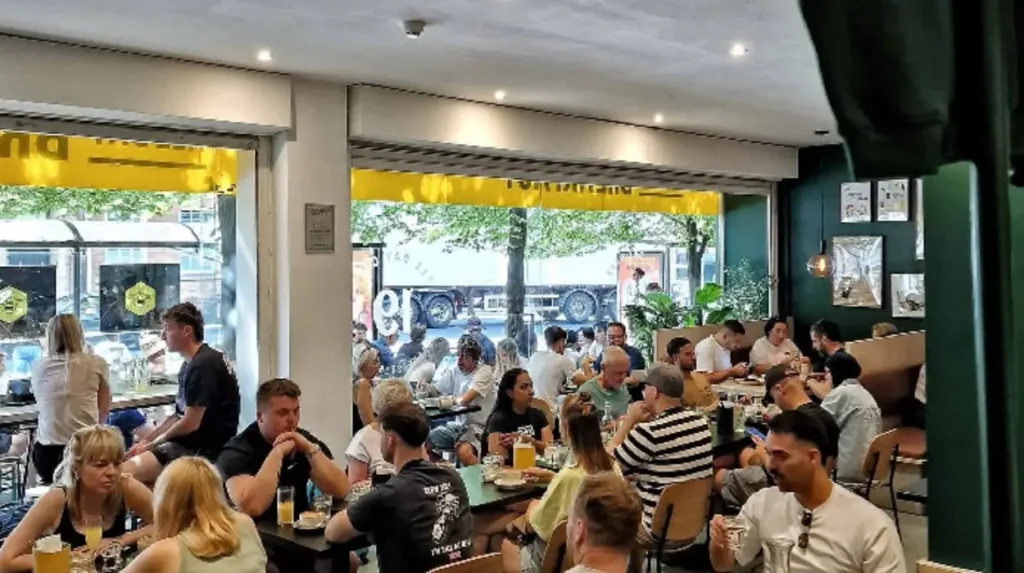
Fast‑casual restaurants such as sandwich chains, noodle bars, and kebab outlets are common in the city centre and near transport hubs. These venues usually display clear menu prices and allow customers to order at counters, reducing the time spent at the table and keeping costs low.
Food‑court‑style areas, such as the Corn Exchange and the Arndale food‑court level, bring together multiple small vendors in one covered space. This layout lets visitors compare prices, sample different cuisines, and choose dishes that suit dietary restrictions such as vegetarian, vegan, or halal requirements.
Street‑food markets and food‑hall events, held in venues such as the Corn Exchange and various weekend markets, provide additional low‑cost options. These markets rotate vendors regularly, so prices and menus can change, but they often maintain a mid‑range price point that is lower than full‑service restaurants.
How can residents discover hidden or “local” dining spots?
Local dining spots in Manchester are often found away from the main tourist streets and in residential neighbourhoods such as Ancoats, Chorlton, and Withington. These areas combine independent restaurants, cafés, and takeaways with a more relaxed atmosphere than the city centre.
Ancoats, north of the city centre, has developed a reputation for small, independent restaurants and coffee‑focused venues. Many of these places are located in converted industrial buildings, which gives them a distinctive character and attracts visitors who want to explore beyond the main tourist routes.
Neighbourhoods such as Chorlton and Withington host a mix of local restaurants, cafés, and pubs that cater to long‑term residents. These venues often appear on resident‑based review platforms and local‑news sites, which can help touristic visitors identify “hidden” spots that are not widely advertised to tourists.
Residents can also use local‑event listings and community boards to find pop‑up food events, neighbourhood markets, and seasonal food‑park gatherings. These events often feature independent chefs and small‑scale producers, giving visitors a chance to taste dishes that are not available in standard restaurants.
What should business travellers eat when they have limited time?
Business travellers with tight schedules benefit from quick, predictable meals that are easy to order and consume. In Manchester, the most practical options are city‑centre cafés, quick‑service restaurants, and hotel‑area venues that offer set menus.
Many hotels in the city centre and Spinningfields area have on‑site restaurants or partner cafés that serve breakfast, lunch, and light dinner options. These venues typically publish menu prices in advance, allowing business travellers to budget for meals without needing to explore unfamiliar streets.
Quick‑service restaurants near major transport hubs, such as Manchester Piccadilly Station and Manchester Victoria, provide fast turnover and simple ordering. These include sandwich chains, coffee shops, and casual‑dining outlets that can serve a full meal in 15–20 minutes, which is useful for short layovers or early‑morning meetings.
For more formal business meals, Spinningfields and the city‑centre “corporate” strips offer mid‑to‑high‑price restaurants that specialise in business‑lunch and pre‑meeting menus. These venues often provide table service, set‑price options, and private‑dining areas for larger groups, making them suitable for client dinners or networking events.
How easy is it to eat with special dietary needs in Manchester?
Manchester has a wide range of options for visitors with special dietary needs, including vegetarian, vegan, gluten‑free, halal, and dairy‑free diets. Many restaurants and cafés in the city centre and Northern Quarter explicitly label these options on menus or online platforms.
Vegetarian and vegan‑friendly venues are particularly common in the Northern Quarter and Ancoats, where independent restaurants and cafés often design menus around plant‑based ingredients. Some of these venues offer “fully vegan” or “vegan‑friendly” branding, which simplifies menu choices for visitors who avoid animal products.
Gluten‑free and allergy‑aware restaurants are increasingly visible in Manchester’s city‑centre and Spinningfields areas. Many venues now state allergen information either on printed menus or via QR‑code links, which helps visitors with coeliac disease or severe allergies to choose safe dishes.
For halal‑food requirements, Manchester has a number of restaurants and takeaways that cater specifically to Muslim communities, particularly in areas such as Rusholme and around the city centre. These venues often advertise halal certification and can be located using online‑review platforms and local‑listing sites.
When are the best times to eat in Manchester?
The best times to eat in Manchester depend on your goals, whether you want to avoid crowds, save money, or enjoy a more relaxed atmosphere. City‑centre restaurants are busiest during standard lunch hours (12:00–14:00) and evening peak (18:00–21:00), while quieter hours are earlier in the morning and later in the evening.
For lower crowds and shorter waiting times, visiting restaurants between 10:00 and 11:30 or after 21:00 can be effective. Many cafés and casual‑dining venues remain open beyond 21:00, especially on weekdays, which suits visitors who want to combine sightseeing with a late meal.
Weekends see higher footfall in the Northern Quarter and Spinningfields, particularly around brunch‑time and evening social hours. For a more local‑style experience, arriving just before or after the main weekend rush can help you secure a table without long waits.
What are Manchester’s signature dishes and food experiences?
Manchester’s food identity blends traditional British dishes with international influences, particularly from South Asia, the Middle East, and West Africa. Signature experiences include classic British pub meals, curry‑house culture, and modern independent‑restaurant concepts.
Traditional British dishes such as fish and chips, roast dinners, and pies are widely available in pubs and casual restaurants across the city. These meals are often served in family‑style portions and accompanied by a drink, making them suitable for casual social dining.
The city’s South Asian and Middle Eastern food scene is concentrated in areas such as Rusholme and the city centre, where curry houses and kebab shops offer spiced rice dishes, grilled meats, and bread‑based meals. These venues often attract visitors who want to try “authentic” regional flavours rather than standardised chain menus.
Modern independent restaurants in Ancoats and the Northern Quarter focus on seasonal, locally sourced ingredients and small‑plate formats. These venues are popular with visitors who want to sample contemporary British cuisine, tasting menus, and ingredient‑led dishes that reflect current food trends.
How can visitors use Manchester’s transport links to move between eating areas
Manchester’s tram and bus network connects the main dining districts to hotels, attractions, and transport hubs with relatively short journey times. Using public transport allows visitors to sample different food areas without relying on taxis or walking long distances.
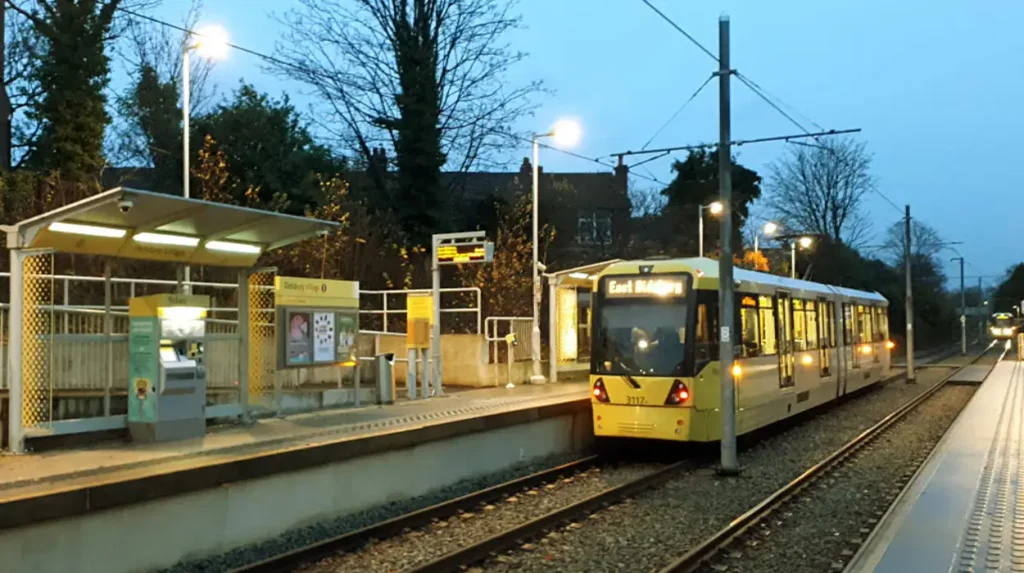
The city‑centre Metrolink stops, such as St Peter’s Square, Deansgate‑Castlefield, and Piccadilly, provide quick access to Deansgate, Spinningfields, and the Northern Quarter. From these points, visitors can walk directly to restaurants or take short tram rides to areas like Salford or Ancoats.
Bus routes that serve the city centre, Northern Quarter, and residential neighbourhoods such as Chorlton and Withington also connect to major hotels and co‑working spaces. These services usually operate on frequent schedules during daylight hours, making it easy to plan return trips to familiar areas.
For visitors staying in hotels outside the city centre, combining a short tram or bus ride with a short walk to a chosen restaurant minimises travel time while still allowing access to central‑area dining options. This approach suits leisure tourists, business travellers, and digital nomads who want to explore multiple food districts in a single day.
How important is Manchester’s culinary heritage for modern dining venues?
Manchester’s culinary heritage influences the types of dishes, menus, and restaurant concepts found across the city. Historical trade links, industrial‑era working‑class food culture, and post‑war migration have all contributed to the city’s current food landscape.
As you explore the modern site, you are walking through land with a deep heritage. Read our complete guide to the [Insert Extracted Historical Anchor Text Here] to understand its structural and political origins.
Industrial‑era Manchester relied on affordable, filling meals such as meat‑and‑potato dishes, pies, and pub‑style food, which remain visible in many contemporary restaurants. Modern venues often reinterpret these traditional dishes using higher‑quality ingredients or local sourcing, but the core preference for hearty, savoury meals persists.
Post‑war migration brought South Asian, Middle Eastern, African, and Caribbean communities into the city, which expanded Manchester’s food options beyond standard British fare. Today, these influences are visible in curry houses, halal butchers, and independent restaurants that blend global flavours with local tastes.
What data‑based trends can visitors use to choose restaurants?
Restaurant‑review platforms, local‑listing sites, and government‑style business‑registration data can help visitors identify reliable, high‑quality venues. These sources provide quantitative information such as average ratings, price ranges, and opening hours.
Average star ratings on major platforms, combined with a high volume of recent reviews, are strong indicators of consistent service and food quality. Venues with many reviews over several years are less likely to be short‑term pop‑ups or under‑performing restaurants.
Price‑range labels and “value for money” comments help visitors match restaurants to their budgets. For example, reviewers often note whether a venue offers generous portions, set menus, or daily specials that reduce the cost per meal.
Government‑style business‑registration data shows which areas have higher concentrations of food‑service outlets, helping visitors focus on districts with the widest choice. This information supports efficient planning, especially for short‑stay visitors who want to maximise their dining experiences in limited time.
What future‑oriented trends should visitors watch in Manchester’s food scene?
Manchester’s food scene is evolving toward greater sustainability, digital ordering, and hybrid‑space formats that combine dining with work or leisure. These trends are likely to shape which venues visitors prefer in the coming years.
Sustainability‑focused restaurants are increasingly common in Ancoats, the Northern Quarter, and other independent‑led areas. These venues often highlight local sourcing, low‑waste packaging, and plant‑based menus, which appeal to environmentally conscious diners.
Digital ordering, including app‑based reservations, QR‑code menus, and online takeaway platforms, is now standard in many Manchester restaurants. This shift improves convenience for visitors who want to plan meals in advance or avoid long queues.
Hybrid formats, such as café‑co‑working spaces and restaurant‑retail hybrids, are expanding in the city centre and surrounding neighbourhoods. These venues allow visitors to combine dining with work, socialising, or shopping, making them attractive to digital nomads and multi‑purpose travellers.
FAQs About Where to Eat in Manchester
What are the best food areas to explore in Manchester for first-time visitors?
First-time visitors usually search for walkable food districts where they can try different cuisines in one trip. Manchester city centre, the Northern Quarter, and Spinningfields are the most recommended areas because they combine restaurants, cafés, bars, and attractions within a short distance. These districts are also well connected by tram and bus routes, making them easy for tourists to explore.
Is Manchester good for budget-friendly food options?
Yes, Manchester is considered more affordable than cities like London or Edinburgh for casual dining and street food. Budget travellers often look for food courts, fast-casual chains, and market stalls where meals typically cost between £5 and £15. Areas such as the Arndale food court and Corn Exchange are popular because they offer multiple cuisines at lower prices.
Where can digital nomads work and eat in Manchester?
Digital nomads frequently search for cafés with Wi-Fi, charging points, and comfortable seating. The Northern Quarter is one of the best areas because many independent cafés there are laptop-friendly and allow longer stays. Café-bookshops and co-working cafés are also popular for combining work, coffee, and light meals in one place.
Does Manchester have good options for vegan, halal, and gluten-free food?
Manchester is known for its wide variety of dietary-friendly restaurants and cafés. Vegan and vegetarian venues are especially common in the Northern Quarter and Ancoats, while halal restaurants are popular around Rusholme and the city centre. Many restaurants now clearly label allergens and dietary options on menus, making dining easier for international visitors.
What food should tourists try in Manchester?
Tourists often search for Manchester’s “must-try” food experiences before visiting the city. Traditional British meals such as fish and chips, pies, and roast dinners remain popular, while Rusholme is famous for curry houses and grilled dishes. Visitors looking for modern dining experiences usually explore Ancoats and the Northern Quarter for contemporary British and international cuisine.