A comprehensive athletic, social, and cultural programming for the local population. Located on a five-acre site in Prestwich, Greater Manchester, the charity delivers structured sports activities and inclusive recreational services. The facility serves the Jewish community specifically while maintaining open access policies for the wider public across the Greater Manchester region.
- What Is the Background of the Manchester Maccabi Community & Sports Club?
- How Did the Club Establish Its Presence in Greater Manchester?
- What Sports Programs and Facilities Are Available at the Site?
- How Does the Club Foster Wider Community Integration?
- What Are the Long-Term Impacts and Future Relevance of the Club?
- Frequently Asked Questions
What Is the Background of the Manchester Maccabi Community & Sports Club?
Manchester Maccabi Community & Sports Club operates as an independent charitable organization registered under the Charity Commission for England and Wales. The institution maintains a permanent headquarters at the Brooklands site on Bury Old Road within the Metropolitan Borough of Bury. The foundational objective of the club centers on promoting physical wellbeing and social cohesion through structured community engagement. The organization provides fully regulated facilities that meet specific local demographic requirements, including religious compliance and physical accessibility infrastructure.
The legal framework of the charity places management responsibilities under an elected Executive Committee and a minimum of three individual Trustees. Operational compliance requires strict adherence to institutional standards, such as comprehensive Disclosure and Barring Service validation for all personnel. The organization coordinates directly with regional bodies, including the Lancashire Football Association and the Bury Local Authority, to manage local sports initiatives. Financing relies on programmatic revenue, private donations, and strategic financial partnerships with specialized social sector lenders.
The physical complex features multi-purpose internal and external installations designed for continuous year-round utilization by various civic groups. The facilities incorporate professional-grade 3G artificial grass pitches, traditional outdoor grass fields, and an air-conditioned indoor multi-sport hall. Indoor provisions also include a dedicated community lounge, functional meeting spaces, and a specialized Kosher Bistro operating under the strict supervision of the Manchester Beth Din. This precise integration of athletic facilities and religious infrastructure allows the club to maintain cultural preservation while expanding public accessibility.
How Did the Club Establish Its Presence in Greater Manchester?
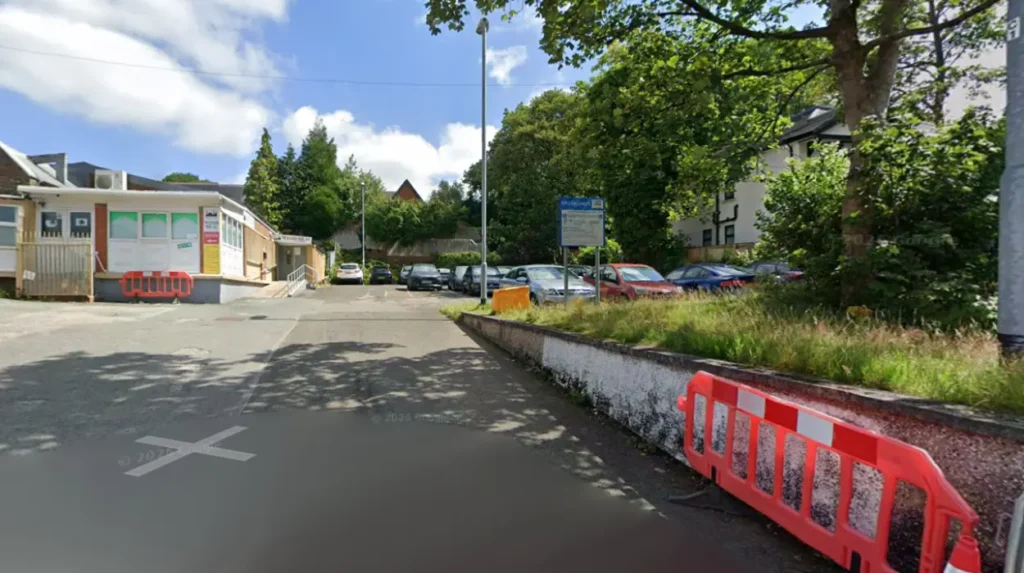
The historical trajectory of the organization dates back to the 1920s when the Manchester arm of the international Maccabi movement formed. During the initial decades of operation, the club did not own permanent property and relied exclusively on rented premises to conduct athletic events. These distributed temporary arrangements restricted programmatic expansion and limited total membership capacity across North Manchester for approximately eighty years. The leadership initiated a long-term capital development plan during the early 2000s to secure a permanent, consolidated operational headquarters.
The organization transitioned to its current five-acre location at Brooklands in Prestwich in the year 2006 following a major construction campaign. The development project required a total capital investment supported significantly by a three hundred and fifty thousand pound loan from Charity Bank. This specialized funding enabled the acquisition of the land and the subsequent construction of the modern clubhouse building and outdoor pitches. The establishment of this fixed asset provided financial stability and allowed the club to scale its weekly programmatic offerings.
The facility encountered severe financial volatility during subsequent economic recessions and experienced intense competition from commercial leisure developments in Greater Manchester. The organization entered periods of severe fiscal distress that threatened permanent closure of the club infrastructure. Strategic interventions, including capital repayment holidays and debt restructuring programs provided by its lenders, prevented liquidation during these macroeconomic downturns. The club achieved long-term financial sustainability through systematic business model adaptation and localized fundraising campaigns.
The institution completed a comprehensive infrastructure modernization program between the years 2023 and 2025 to upgrade its core assets. The capital project delivered a complete internal refurbishment of the clubhouse social spaces and a total replacement of the aging synthetic turf surfaces. Financial reporting from January 2025 indicated that the charity generated a net operational cash flow of one hundred and thirty-four thousand nine hundred and seventy-two pounds. These funds directly supported the deployment of advanced third-generation synthetic sports surfaces to meet modern regulatory playing standards.
What Sports Programs and Facilities Are Available at the Site?
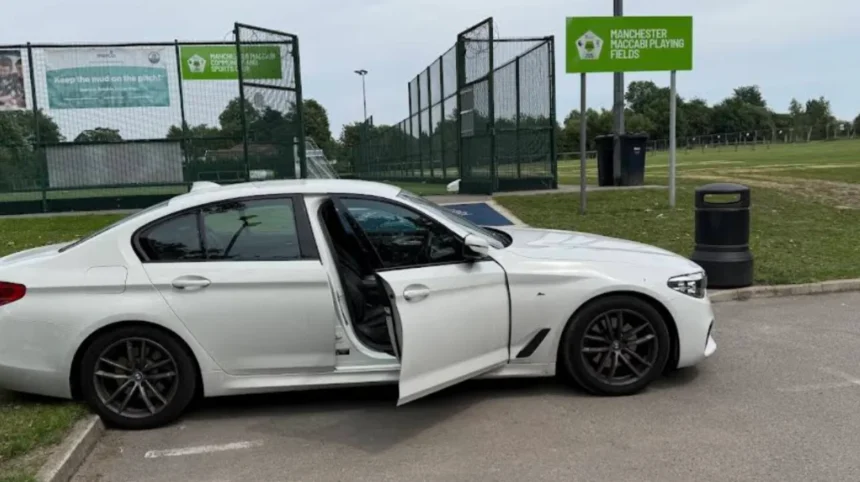
The athletic infrastructure at the Prestwich campus delivers structured training and competitive spaces for multiple indoor and outdoor disciplines. The outdoor complex features two distinct medium-sized third-generation artificial grass pitches equipped with high-intensity commercial floodlit systems. These synthetic installations feature long-pile carpet technology optimized for high-frequency usage by amateur and semi-professional football organizations. The grounds also contain dedicated natural grass pitches configured specifically for small-sided youth football matches, including five-versus-five formats.
The indoor sports pavilion accommodates diverse sports leagues, martial arts training, and specialized physical mobility classes. The main air-conditioned gymnasium hosts regular competitive table tennis tournaments, netball fixtures, and regional rounders club training sessions. The club provides specialized self-defense academies, boxing training, and women-only fitness programs designed to lower barriers to physical exercise. The facility manages structured scheduling across these disciplines to ensure balanced distribution between youth development and adult recreational leagues.
The structural design of the campus prioritizes universal access and includes comprehensive adaptations for individuals with physical disabilities. The facility incorporates designated disability parking bays, step-free access throughout the clubhouse, and fully compliant disability social zones. Specially adapted changing rooms and washroom facilities support inclusive sports programs tailored for adaptive athletes. The physical infrastructure undergoes regular inspections to verify compliance with the Equality Act 2010 and local building regulations.
How Does the Club Foster Wider Community Integration?
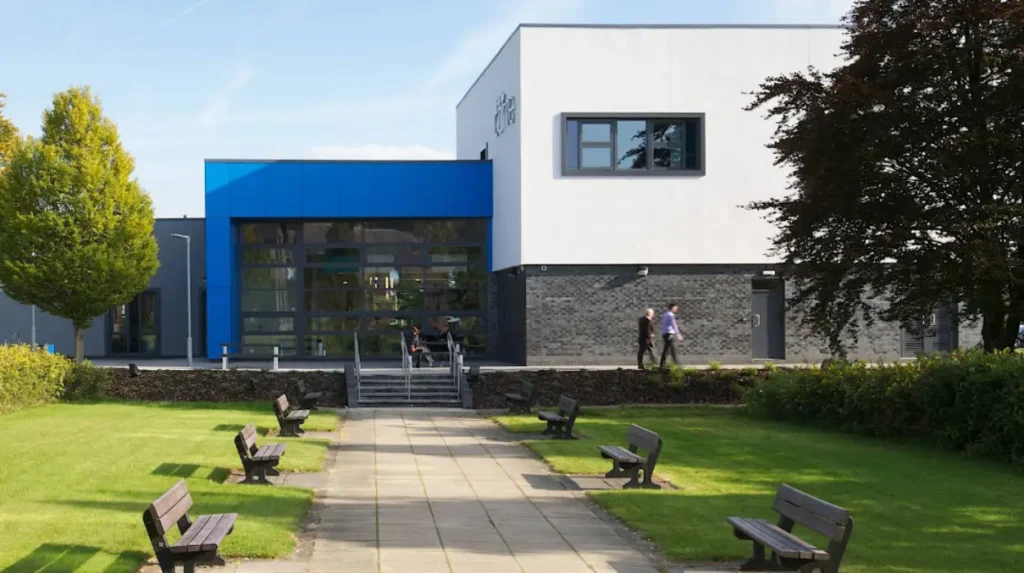
Manchester Maccabi Community & Sports Club functions as a multi-cultural civic hub that extends services well beyond its core athletic membership. The site records regular weekly attendance exceeding one thousand unique participants utilizing the sports and social infrastructure. The programmatic scope spans the complete demographic lifecycle, beginning with early-years toddler groups and extending to specialized senior citizen clubs. The inclusion of non-athletic workshops, such as photography, stitching, and flower arranging, diversifies the weekly user base.
The institution maintains formal collaborative partnerships with major regional public bodies to deliver community safety and educational initiatives. The Greater Manchester Police utilizes the facilities for public outreach events, localized training, and youth engagement programs. Local public schools and faith-based community groups maintain block-booking contracts for the synthetic pitches to support urban physical education. These cross-sector relationships position the club as an integrated asset within the broader framework of the Bury South parliamentary constituency.
The organizational mission balances Jewish cultural continuity with a strict open-door policy welcoming individuals from all backgrounds. The presence of the certified Kosher Bistro provides a necessary space for observant individuals while remaining open to the general public. The club also engages in international humanitarian support, including volunteer programs that assist foreign students with English language acquisition. This dual approach combines targeted cultural preservation with active civic integration across the Greater Manchester populace.
What Are the Long-Term Impacts and Future Relevance of the Club?
The long-term impact of the club centers on addressing public health challenges related to physical inactivity within urban communities. Public health data indicates that approximately twenty-five percent of the regional population engages in less than thirty minutes of physical exercise per week. The provision of low-cost, accessible athletic infrastructure directly mitigates these trends by encouraging sustained participation in group sports. The localized delivery model reduces geographic barriers to entry for residents in the Sedgley ward and surrounding areas.
The financial model of the club has shifted toward a sustainable, asset-backed structure designed to withstand future economic fluctuations. The asset valuation of the charity, encompassing fixed tangible assets and modern playing surfaces, exceeded one point eight million pounds by 2025. This capital foundation allows the trustees to secure competitive operational terms and reinvest surpluses directly into community programming. The organization remains independent of volatile municipal funding streams through its diversified revenue model.
The future relevance of the institution relies on continuous adaptation to changing local demographic needs and sports facility standards. The transition toward high-durability synthetic pitches reflects a broader regional requirement for all-weather infrastructure capable of intense weekly utilization. The club continues to expand its digital booking systems and community outreach networks to maximize facility occupancy rates. This ongoing evolution ensures that the Manchester Maccabi installation remains a critical element of Greater Manchester infrastructure for coming decades.
Frequently Asked Questions
Can non-members book the sports facilities at Manchester Maccabi?
Yes, the sports facilities are completely open to the general public and external organizations. Individuals can book the floodlit 3G artificial grass pitches and indoor spaces via formal block-booking contracts or single-session reservations. All booking procedures require upfront payment and adhere to a strict forty-eight-hour cancellation policy.
Where is the Manchester Maccabi Community & Sports Club located?
The permanent campus is situated at Brooklands on Bury Old Road in Prestwich, bearing the postcode M25 0EG. This location sits within the Sedgley ward of the Metropolitan Borough of Bury in Greater Manchester. The site features excellent transport links due to its close geographical proximity to junctions 17 and 18 of the M60 motorway.
What are the operational hours for the club facilities?
The club facilities are open to members and the general public from Sunday through Thursday between 09:00 and 22:00. The entire campus remains completely closed on Fridays and Saturdays in accordance with traditional religious observances. The administrative offices operate regular schedules from Monday through Thursday between 09:00 and 17:30.
Is the bistro on the site accessible to anyone?
The on-site Bistro and lounge area are fully accessible to both club members and external visitors during standard operational hours. The food and beverage service functions under the strict religious supervision of the Manchester Beth Din to ensure full Kosher compliance. The venue provides a dedicated social space used regularly by diverse local civic groups.
What specific youth activities does the club provide?
The club provides an extensive array of youth programming including early-years baby and toddler social groups. Athletic development includes structured junior football training on the small-sided grass pitches and competitive indoor table tennis sessions. The organization also hosts specialized youth workshops covering non-sporting disciplines such as photography and self-defense.