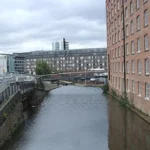
Ashton-under-Lyne is a historic market town located within the Metropolitan Borough of Tameside in Greater Manchester, England. The settlement developed into a major industrial center during the Industrial Revolution due to rapid expansion in cotton spinning and coal mining.
- What can visitors experience at the historic Ashton Market?
- What exhibits and heritage are found at Portland Basin Museum?
- How can visitors enjoy nature and leisure at Stamford Park?
- What historical landmarks and architectural sites define Ashton-under-Lyne?
- What are the best transportation options to reach Ashton-under-Lyne?
- Frequently Asked Questions
The geographic name Ashton derives from the Old English term aesccun, which translates directly to a settlement near ash trees. The suffix under Lyne refers to the historic proximity to the Pennine hill ridge known as the Leoni division. Archaeological investigations demonstrate that human activity in the region dates back to the Bronze Age, with significant evidence of Roman occupation along trade routes connecting Manchester to Yorkshire. During the Anglo-Saxon period, Ashton developed into a nucleated farming hamlet governed by local feudal manorial lords.
The medieval period established the foundational economic layout of Ashton-under-Lyne through royal charters and agricultural expansion. King Edward I granted a charter in 1284 allowing the town to hold an annual fair and a weekly open market. The Assheton family controlled the local manor for centuries, exercising administrative authority and civil control over the regional population. Agricultural production dominated the local economy until the early eighteenth century, when small-scale textile production began to shift household labour toward domestic weaving and yarn preparation.
The arrival of the Industrial Revolution transformed Ashton-under-Lyne from a quiet rural manor into a densely populated manufacturing municipality. The construction of the Ashton Canal in 1792 provided direct inland water transportation connecting local textile mills directly to regional coal reserves and regional urban markets. Steam power accelerated factory development, prompting rapid inward migration of workers seeking industrial employment. By the mid-nineteenth century, Ashton contained over seventy active cotton mills, cementing its regional reputation as a primary manufacturing center across the northwest of England.
Twentieth-century shifts in global trade led to the gradual decline of heavy manufacturing and traditional textile processing throughout the region. Decades of industrial restructuring prompted municipal authorities to transition local economic infrastructure toward retail, public administration, cultural tourism, and service sector industries. Historic industrial buildings have undergone urban regeneration, preserving Victorian civil architecture while repurposing physical structures for community use. Today, Ashton-under-Lyne functions as a key commercial hub for Tameside, balancing rich heritage preservation with regional infrastructure connectivity.
What can visitors experience at the historic Ashton Market?
Ashton Market stands as one of the oldest and largest open-air and indoor trading markets in the North West of England. Visitors can explore fresh regional food stalls, artisan goods, local bakeries, and traditional flea market traders daily.
The market establishment dates back to its official medieval charter granted in 1284, making it a foundational institution of local commerce. The central Victorian Market Hall was constructed in 1828 to consolidate regional trade under a single administrative municipal roof. In 2004, a major fire destroyed significant structural portions of the historic indoor building, prompting a comprehensive restoration project. The rebuilt Market Hall opened in 2008, combining historic brick architectural facades with modern indoor retail infrastructure, climate control, and digital payment systems.
The indoor Market Hall houses over forty independent retail vendors operating across structured commercial aisles. Local traders supply fresh meats, fish, regional cheeses, baked pastries, and traditional Lancashire pantry staples like backstone muffins. Specialist vendors sell apparel, haberdashery goods, hardware items, and home electronics. The interior layout features accessible pedestrian walkways and seating zones designed to support prolonged shopping visits for older residents and regional tourists.
The adjacent outdoor market space operates continuously throughout the week, featuring shifting operational themes depending on the calendar day. On specific scheduled days, such as Tuesdays and Sundays, the outdoor plaza transitions into a traditional flea market and antique venue. Independent vendors sell second-hand collectibles, vintage clothing, rare books, and household surplus items. The outdoor perimeter also hosts seasonal farmers markets that feature regional agricultural produce harvested across Greater Manchester and Lancashire farms.
Ashton Market functions as an economic engine for Tameside by supporting small business owners and preserving historical trading customs. The municipal authority manages the facility to ensure compliance with health standards, commercial trade laws, and public accessibility regulations. The market attracts thousands of local residents and regional visitors weekly, maintaining its role as a social gathering venue. Its central location near regional transport interchanges makes it accessible for daily shoppers and travelling heritage enthusiasts.
What exhibits and heritage are found at Portland Basin Museum?
Portland Basin Museum is a free social history museum located inside a restored 19th-century canal warehouse at the junction of three historic canals. The site features reconstructed historical streetscapes, industrial exhibits, and canal transport history.
The museum is housed within the former Ashton Canal Warehouse, built in 1834 by construction firm David Bellhouse & Company for coal and freight transport. The building stands directly at the confluence of the Ashton Canal, Huddersfield Narrow Canal, and Peak Forest Canal. The timber-framed building features three internal canal arms that allowed wooden narrowboats to enter directly for loading freight. The structure operated as a transshipment hub until commercial canal traffic declined during the mid-twentieth century.
The main ground floor display features a life-size reconstructed 1920s street layout showcasing local social history. Visitors walk along paved cobbles past fully dressed historic storefronts, including a traditional grocer, a haberdashery, a working class parlor, and a chip shop. Soundscapes and original historical objects simulate daily life in Tameside during the interwar era. The exhibition highlights domestic work, working class living conditions, and civic life in industrial Lancashire towns.
The upper floors showcase Tameside’s industrial heritage, highlighting coal mining, heavy engineering, cotton spinning, and hat making. Displays include restored textile machinery, industrial ironwork, mining equipment, and historical transportation vehicles. Interactive educational zones, such as the Nuts and Bolts play area, provide hands-on learning experiences designed for younger children. The museum also features rotating temporary exhibitions that explore local medical history, fine arts, and community oral histories.
Outside the warehouse structure, visitors can explore the historic canal basin and water transport infrastructure. The site features stone aqueducts, canal locks, and wooden towpaths used for heritage walks and seasonal boat trips. The facility operates under the management of Tameside Metropolitan Borough Council and offers free public admission. On-site amenities include a souvenir gift shop, accessible parking, and the Bridge View Cafe.
How can visitors enjoy nature and leisure at Stamford Park?
Stamford Park is an award-winning Victorian public park situated between Ashton-under-Lyne and Stalybridge. The park offers formal flower gardens, ornamental boating lakes, children’s play areas, multi-use sports fields, and quiet wooded walking trails.
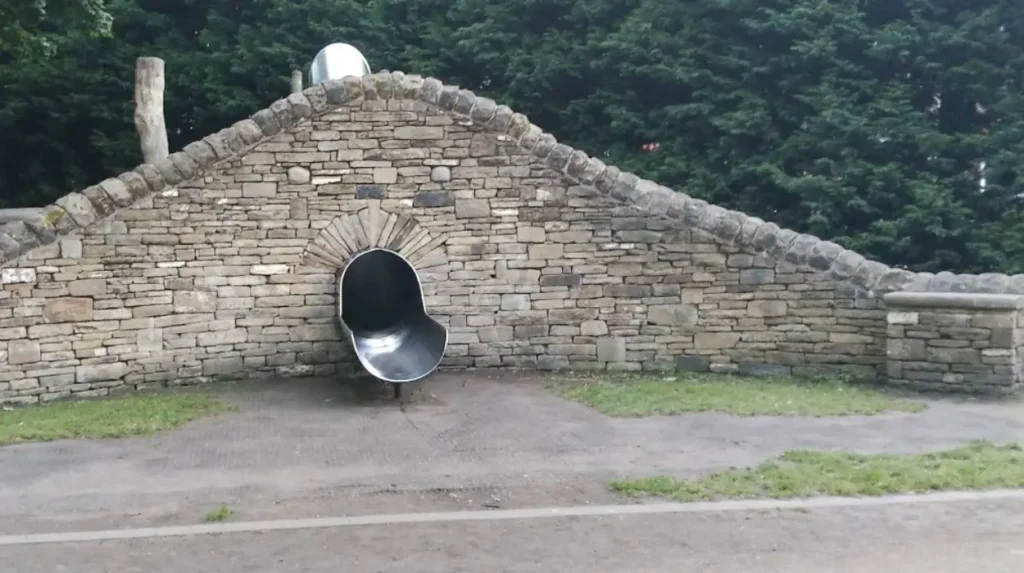
Stamford Park opened officially in 1873 after local working-class residents organized campaigns to secure green spaces for industrial mill workers. Land was acquired from the Earl of Stamford, who previously maintained the territory as a private deer park. Landscape designers structured the park according to classic Victorian urban park planning standards, integrating manicured botanical displays with open recreational grounds. The site holds Green Flag Status, reflecting ongoing excellence in environmental maintenance, historical preservation, and public utility access.
The lower grounds feature formal floral displays, restored Victorian glasshouses, and paved walking paths bordered by mature trees. Central water features include an ornamental lake that accommodates wild waterfowl, decorative fountains, and small pedal-boating facilities during spring and summer months. Historical monuments stand throughout the grounds, including stone statues and memorial structures dedicated to civic leaders who advocated for public health reform. The park layout supports passive recreation, casual walking, botanical photography, and quiet outdoor relaxation.
The upper park section provides active sports infrastructure, featuring tarmac tennis courts, bowling greens, and open football pitches. Modern play facilities include an adventure playground designed with swings, climbing frames, zip lines, and interactive water fountains for summer play. A miniature railway operates along a dedicated track on weekends, offering short family train rides through the wooded areas. The park grounds also connect directly to broader regional hiking networks leading toward the countryside of the Tameside valley.
Visitors can access refreshments at the restored park pavilion cafe, which provides indoor seating, hot beverages, and fresh snacks. The park authority maintains flat, accessible footpaths throughout the main grounds to accommodate wheelchair users and pushchairs. Stamford Park hosts community gatherings, seasonal brass band performances, and guided nature walks throughout the operational year. Free public access and central parking facilities make it a popular outdoor destination for families, fitness enthusiasts, and nature visitors.
What historical landmarks and architectural sites define Ashton-under-Lyne?
Ashton-under-Lyne contains several preserved architectural landmarks, including St Michael and All Angels Parish Church, Ashton Town Hall, and historic canal bridges. These sites showcase medieval stonework, civic Victorian design, and early industrial civil engineering.
St Michael and All Angels Parish Church serves as the primary medieval architectural landmark in the town center. Originally constructed during the fifteenth century, the grade I listed church features Perpendicular Gothic stonework, decorative gargoyles, and a tall stone bell tower. The interior contains rare stained glass panels depicting the biblical story of Saint Helena, dating back to 1480. The surrounding churchyard contains historic stone ledger graves of prominent local families who managed early manorial land holdings and industrial textile enterprises.
Ashton Town Hall stands as a prominent symbol of nineteenth-century civic pride and municipal governance. Built in 1840 using classical Neoclassical architectural principles, the building features tall Corinthian columns, stone friezes, and grand internal assembly rooms. The hall historically hosted municipal council debates, judicial magistrate proceedings, and major public civic gatherings. Located adjacent to the central market square, the Town Hall forms part of a protected conservation area intended to preserve the historic town centre skyline.
Industrial civil engineering landmarks span across the town’s historic canal networks and old railway lines. The Portland Basin Aqueduct, constructed in 1835, carries canal water directly across the River Tame using three large stone masonry arches. Stone lock keepers’ cottages, iron swivel bridges, and cast-iron boundary posts survive along the Ashton Canal towpaths. These historic structures demonstrate the engineering methods developed during Britain’s canal era to move heavy materials like coal and cotton efficient through urban centers.
Additional notable landmarks include former textile mills repurposed for residential or commercial use, such as Cavendish Mill and Wharf Mill. These multi-story brick structures feature external engine houses, iron window frames, and structural cast-iron internal columns characteristic of late Victorian industrial architecture. The preservation of these sites ensures that the structural evolution of Ashton-under-Lyne remains visible across its modern urban landscape. Guided walking tours often cover these architectural landmarks throughout the year.
What are the best transportation options to reach Ashton-under-Lyne?
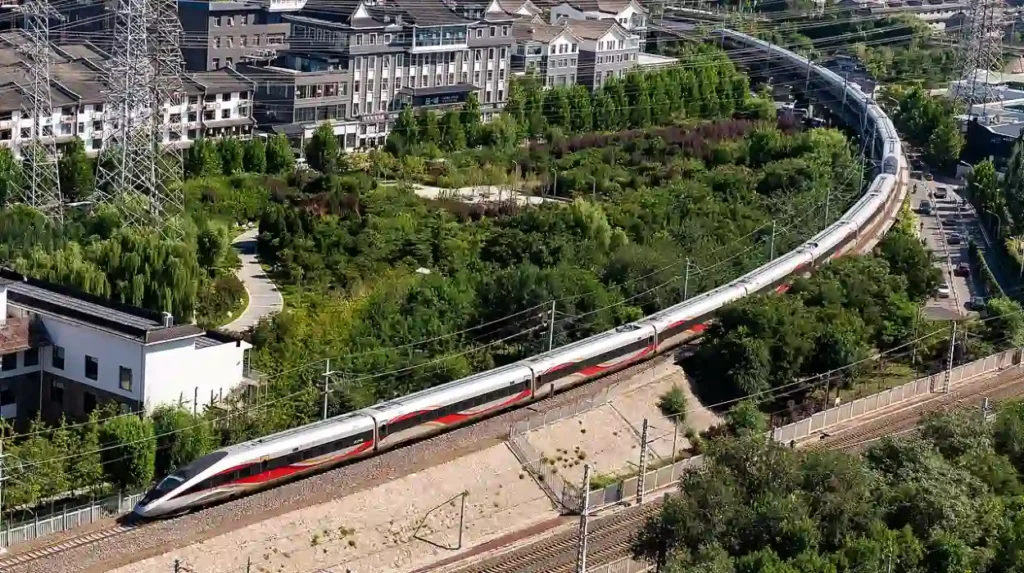
Ashton-under-Lyne is accessible via multiple transport modes, including direct Metrolink tram lines, National Rail train services, regional bus networks, and major highway connections. The town features a central transport interchange connecting all public transit modes directly.
The Ashton-under-Lyne Transport Interchange opened in 2020, unifying bus and tram terminals into a single modern facility. Located in the town center, the interchange provides indoor waiting concourses, real-time passenger travel displays, ticket vending machines, and step-free level boarding areas. Bus operators run frequent routes linking Ashton directly to neighbouring Tameside towns, including Hyde, Stalybridge, and Glossop, as well as central Manchester destinations. The integrated layout simplifies transfers between local bus routes and regional light rail services.
The Manchester Metrolink light rail system terminates directly at the Ashton-under-Lyne stop within the central interchange. Trams operate every twelve minutes along the Ashton line, providing direct transit to Manchester city center, Etihad Campus, Piccadilly Station, and MediaCityUK. Metrolink services offer step-free access for passengers with mobility devices or luggage, making tram travel a popular option for regional commuters and visiting tourists. Tickets can be purchased via contactless payment terminals located at platform stations.
National Rail train services operate from Ashton-under-Lyne railway station, situated a short walk from the central market square. Northern Trains provides regular passenger train services along the Huddersfield Line, connecting Ashton directly to Manchester Victoria station in under ten minutes. Eastbound trains run toward Stalybridge, Huddersfield, and West Yorkshire, offering rail access to the regional trans-Pennine rail network. The railway station features waiting shelters, step-free access ramps, and digital arrival screens.
For visitors arriving by road, Ashton-under-Lyne connects directly to Junction 23 of the M60 motorway network. The A635 dual carriageway provides direct vehicular access to central Manchester and eastern Pennine routes leading toward Saddleworth. The town center features several pay-and-display car parks, multi-story parking garages, and dedicated electric vehicle charging stations located near shopping areas. Extensive canal towpaths and regional cycling routes also allow long-distance cyclists and walkers to enter the town safely off-road.
Frequently Asked Questions
What are the main attractions to visit in Ashton-under-Lyne?
The primary attractions include the historic Ashton Market Hall, the Portland Basin Museum, and Stamford Park. Visitors can also explore medieval architecture at St Michael and All Angels Church or walk along historic canal paths.
Is entry to the Portland Basin Museum free for visitors?
Yes, admission to the Portland Basin Museum is completely free for all visitors throughout the year. The museum features interactive industrial exhibits, streetscapes, and family-friendly activities without charging an entrance fee.
How far is Ashton-under-Lyne from central Manchester?
Ashton-under-Lyne is located approximately six miles east of central Manchester. The town is easily reached in under fifteen minutes by direct train, Metrolink tram, or highway via the M60 motorway network.
What days are open for the flea market at Ashton Market?
The outdoor market hosts popular flea and antique market days every Tuesday and Sunday. Independent traders offer vintage items, second-hand collectibles, and rare household goods during these specific weekly market sessions.
Are there good walking routes along the canals in Ashton-under-Lyne?
Yes, the Portland Basin serves as a major intersection for three historic canal paths. Walkers can follow paved towpaths along the Ashton Canal toward Manchester or along the Huddersfield Narrow Canal toward the Pennine hills.