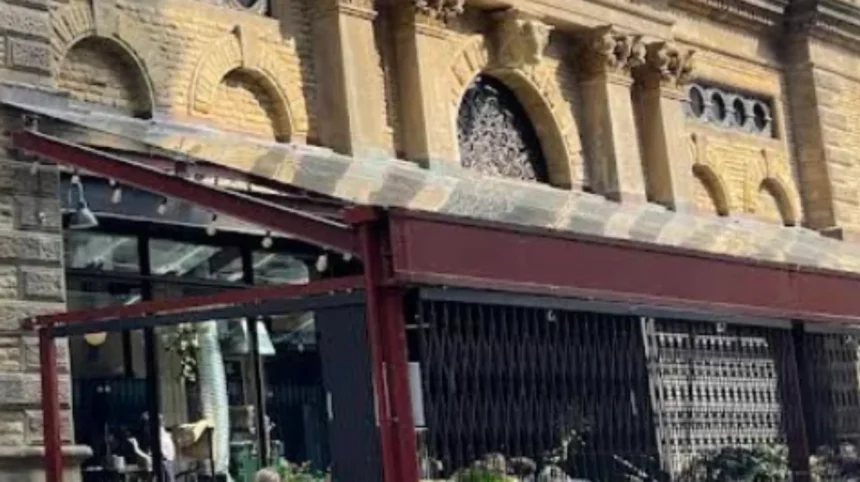
To understand the modern identity of Manchester is to understand the Northern Quarter. Nestled between the high-street dominance of the Arndale Centre and the sleek, modern glass of NOMA, the Northern Quarter (NQ) stands as a testament to the power of organic, grassroots urban evolution. However, the Northern Quarter regeneration is not a finished chapter in a history book; it is a living, breathing process that has transformed a once-declining textile district into a globally recognized hub for digital innovation, independent retail, and cultural expression.
- From Cottonopolis to Decline: The Industrial Foundations
- The 1990s Strategy: The Birth of a Creative District
- Pedestrianisation and the Public Realm: A New Vision for 2026
- The Business Improvement District (BID) and Economic Sustainability
- Residential Growth: Balancing Homes with Heritage
- The Northern Gateway: Expanding the Footprint
- Challenges Ahead: Maintaining the “Independent” Spirit
- A District in Perpetual Motion
In 2026, the district finds itself at a pivotal crossroads. As Manchester’s city-centre population is projected to hit 250,000 by 2030, the Northern Quarter is undergoing a “second wave” of regeneration. This new era balances the preservation of its gritty, red-brick Victorian heritage with the urgent need for sustainable, pedestrian-first urban planning and high-density residential growth. For the Manchester Mirror audience, understanding this shift is essential to grasping how the city intends to grow without losing its soul.
From Cottonopolis to Decline: The Industrial Foundations
Before the term “regeneration” was ever applied to these streets, the Northern Quarter was the engine room of “Cottonopolis.” During the 19th century, the area was a dense network of weaving sheds, towering warehouses, and bustling wholesale markets. Smithfield Market, once the largest of its kind in the region, served as the primary source of food and produce for the rapidly expanding industrial population.
The decline of the British textile industry in the mid-20th century hit the Northern Quarter particularly hard. By the 1970s and 1980s, the grand warehouses that once stored the world’s cotton were largely derelict. The construction of the Arndale Centre in 1975 effectively “cut off” the district from the main retail core, leading to a period of economic stagnation. However, this period of neglect provided the low-rent environment necessary for the area’s first phase of organic Northern Quarter regeneration.
The 1990s Strategy: The Birth of a Creative District
The true turning point for the area came in the early 1990s. While other parts of Manchester were being rebuilt following the 1996 IRA bomb through top-down corporate investment, the Northern Quarter took a different path. In 1993, Manchester City Council commissioned the first formal Northern Quarter Regeneration Strategy, published in 1995.
This strategy was revolutionary because it did not suggest “slum clearance” or the demolition of historic fabric. Instead, it focused on:
- Heritage Preservation: Recognizing that the Victorian warehouses were the area’s greatest asset.
- Independent Growth: Fostering a “village” feel that encouraged artists, musicians, and independent entrepreneurs.
- Public Art: Introducing iconic installations like the “Big Horn” sculpture on Tib Street to define the area’s quirky character.
The success of Afflecks Palace—which opened in 1982 but became a cultural titan in the 90s—served as the anchor for this movement. It proved that there was a massive market for “alternative” Manchester, paving the way for record stores, vintage boutiques, and the legendary nightlife that defines the NQ today.
Pedestrianisation and the Public Realm: A New Vision for 2026
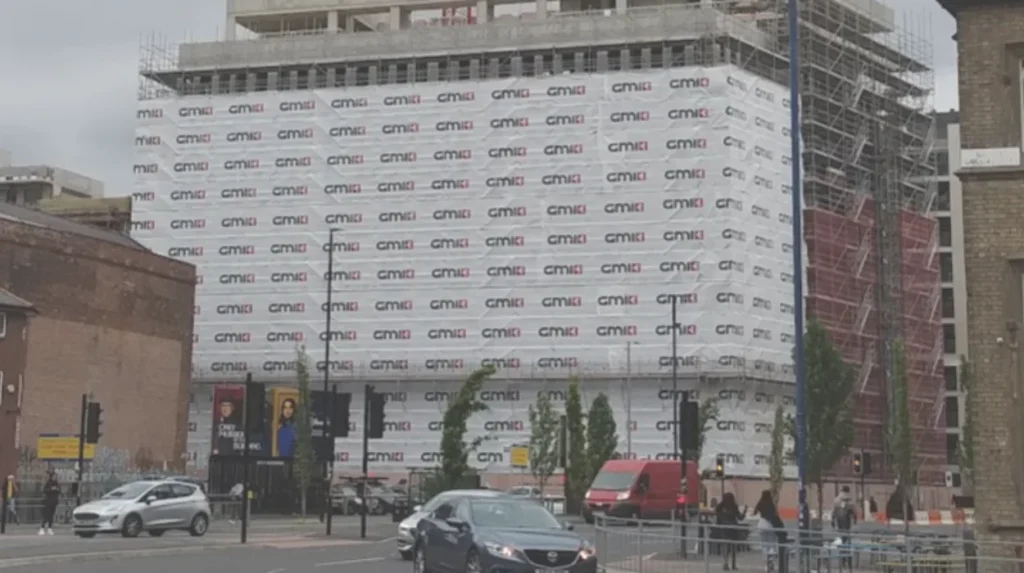
If the 1990s were about saving the buildings, the 2020s are about reclaiming the streets. A central pillar of current Northern Quarter regeneration efforts is the transformation of the public realm. The COVID-19 pandemic acted as an unexpected catalyst for this change, as the temporary pedestrianisation of Stevenson Square and Thomas Street proved so popular with residents and businesses that it became a permanent fixture of city planning.
As of 2026, the permanent pedestrianisation of Stevenson Square has been completed, featuring new paving, sustainable drainage systems (SuDS), and increased greenery. This shift is not just about aesthetics; it is an economic strategy. By removing vehicle traffic, the city has created a “European-style” outdoor dining culture that has significantly boosted footfall for local hospitality businesses.
The move toward a “walkable city” aligns with the Manchester Local Plan, which seeks to reduce carbon emissions and prioritize active travel. For the Northern Quarter, this means wider footpaths, better cycling infrastructure, and a reduction in “rat-running” traffic that once plagued the narrow side streets.
The Business Improvement District (BID) and Economic Sustainability
One of the most significant recent developments in the Northern Quarter regeneration story is the formal proposal and ballot for a Northern Quarter Business Improvement District (BID), which gained significant momentum in early 2026. This initiative marks a shift from purely council-led regeneration to a business-led model.
The proposed BID aims to:
- Enhance Cleaning and Security: Providing dedicated teams to maintain the district’s unique but often grimy aesthetic.
- Strategic Marketing: Promoting the NQ as a distinct destination for international tourists and investors.
- Event Funding: Supporting local festivals and street markets that highlight the area’s independent spirit.
By 2027, the BID is expected to generate a collective levy from businesses with a rateable value over £27,000, ensuring that the area has a dedicated budget to manage its own growth. This move is seen as vital for maintaining the district’s “independent” edge in the face of increasing commercial pressure from larger chains.
Residential Growth: Balancing Homes with Heritage
A common criticism of urban regeneration is the “gentrification” that often follows success. In the Northern Quarter, this tension is most visible in the residential sector. In 2025 and 2026, over 300 new homes were approved for the district, reflecting a broader trend of high-density city-centre living.
The challenge for the Northern Quarter regeneration framework is ensuring that new developments do not erase the character of the area. Recent projects have focused on “in-fill” development—building on derelict plots or car parks—rather than demolishing existing structures. The rise of “Build to Rent” (BTR) schemes has brought a new demographic of young professionals to the area, driving demand for the digital and creative jobs located in nearby NOMA and the Mayfield district.
However, the Manchester City Council is also facing pressure to ensure “genuinely affordable” housing. The 2026 Housing Strategy emphasizes maintaining secure tenancies to foster stable communities, preventing the Northern Quarter from becoming a transient “hotel district.”
The Northern Gateway: Expanding the Footprint
The regeneration of the Northern Quarter is no longer happening in a vacuum. It is now the southern anchor of the “Northern Gateway” (also known as Victoria North), one of the largest regeneration projects in the UK. This £4 billion masterplan aims to deliver 15,000 new homes along the Irk Valley over the next two decades.
The Northern Quarter acts as the cultural gateway to this new northward expansion. By connecting the NQ to Collyhurst and beyond via “green arteries” and improved transport links at Victoria Station, the city is effectively extending the vibrancy of the city centre further out than ever before. This connectivity ensures that the Northern Quarter regeneration remains a catalyst for wider regional economic growth.
Challenges Ahead: Maintaining the “Independent” Spirit
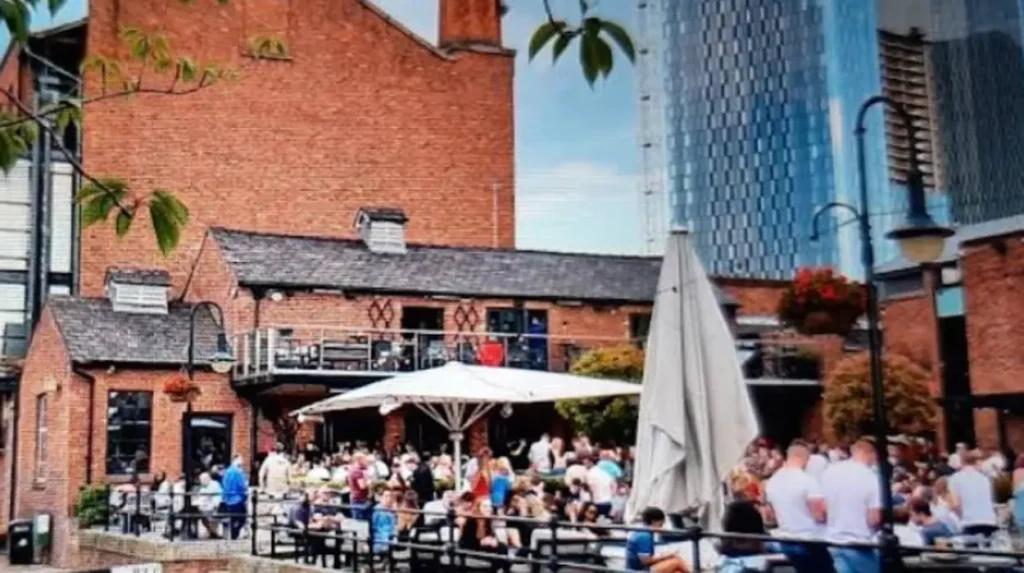
As we look toward the late 2020s, the biggest threat to the Northern Quarter’s success is its own popularity. The very qualities that made the area attractive—its grit, its independent shops, and its bohemian atmosphere—are at risk as property values soar.
The “M4” postcode consistently delivers some of the highest rental yields in Manchester, hovering around 6%. While this is great news for investors, it poses a challenge for the small gallery owners and independent coffee shops that built the area’s reputation. The ongoing Northern Quarter regeneration must therefore be a balancing act. It requires a planning framework that protects small business units from being amalgamated into large corporate spaces.
A District in Perpetual Motion
The story of Northern Quarter regeneration is a testament to Manchester’s ability to reinvent itself. From the smoking chimneys of the Victorian era to the neon signs of the modern nightlife scene, the area has always been a place where people come to create, trade, and innovate.
In 2026, the Northern Quarter is more than just a collection of streets; it is a blueprint for how modern cities can grow sustainably while honoring their past. Through pedestrianisation, business-led management via the BID, and a commitment to heritage, the Northern Quarter remains the beating heart of Manchester’s “Original Modern” spirit.
What are the 4 quarters of Manchester?
Manchester is traditionally divided into the Northern Quarter (the creative heart), the Medieval Quarter (home to the Cathedral and Chetham’s), the Learning Quarter (the university district along Oxford Road), and Spinningfields (the modern financial and luxury retail hub).
What is Manchester’s best kept secret?
While many point to the underground tunnels, the city’s true “secret” is the Manchester Craft and Design Centre in the Northern Quarter. Tucked inside a restored Victorian fish market, it houses working studios where world-class artists create and sell their wares directly to the public.
What is the coolest neighbourhood in Manchester?
The Northern Quarter consistently holds this title due to its concentrated mix of street art, independent record stores like Piccadilly Records, and its “New York-style” red-brick aesthetic that attracts both Hollywood film crews and global trendsetters.
Where do footballers go to eat in Manchester?
You will often find Premier League stars at high-end establishments like The Ivy Asia or Australasia in Spinningfields, though many are increasingly spotted at the exclusive Sexy Fish in Deansgate for its private dining and opulent atmosphere.
Where do celebrities go to eat in Manchester?
Celebrities frequently gravitate toward San Carlo on King Street West, a long-standing “see and be seen” Italian hotspot, or 20 Stories, where the rooftop views and sophisticated menu make it a prime location for the city’s visiting VIPs.