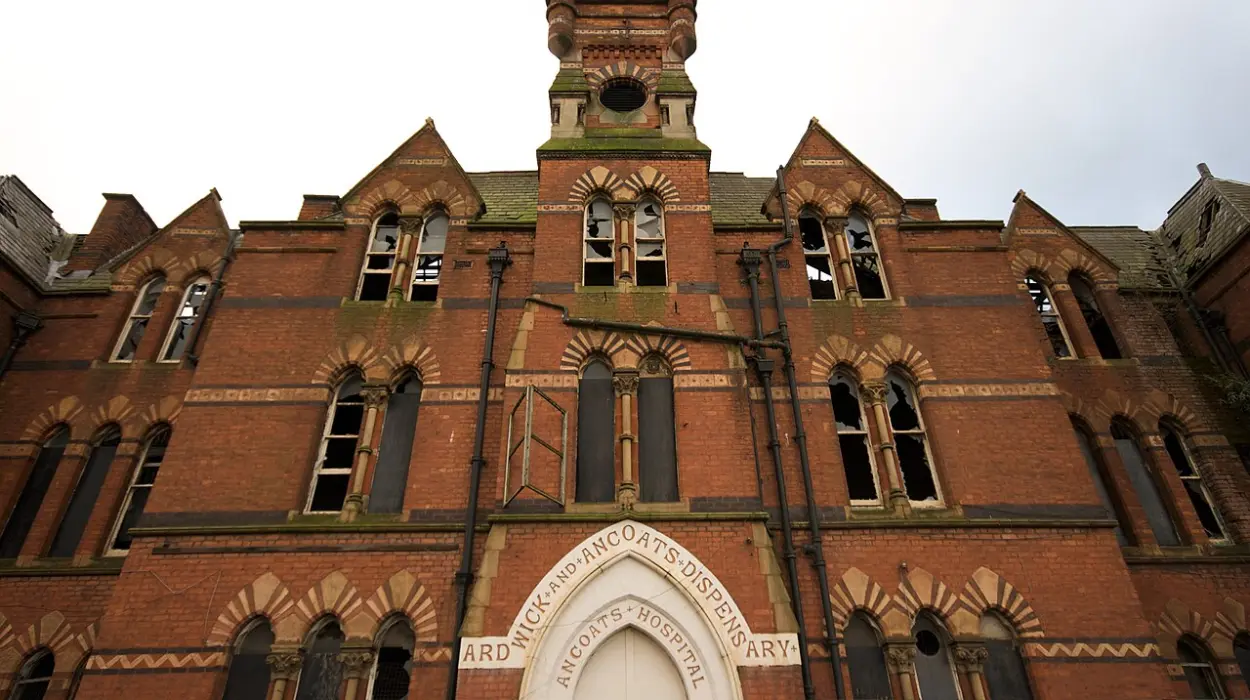
Manchester’s rich industrial heritage is woven into the fabric of its neighborhoods, with landmarks like the Ancoats Dispensary standing as testaments to the city’s resilient past. Efforts to save this iconic structure highlight a broader movement to protect cultural assets amid urban regeneration.
- Origins of Ancoats Dispensary in Industrial Manchester
- Architectural Marvel and Expansion Phases
- Peak Years: A Beacon of Community Care
- Decline and Closure Amid Changing Times
- Why Saving Ancoats Dispensary Matters Today
- The Ancoats Dispensary Trust: Guardians of History
- Challenges Facing Preservation Efforts
- Architectural Highlights Worth Saving
- Community Impact and Modern Relevance
- Government and Official Support Pathways
- Vision for a Restored Future
- How You Can Help Save Ancoats Dispensary
- Lessons from Ancoats for Manchester’s Heritage Landscape
Origins of Ancoats Dispensary in Industrial Manchester
The story of Ancoats Dispensary begins in 1828 amid the smoke and clamor of Manchester’s Industrial Revolution. Established as the Ardwick and Ancoats Dispensary on Great Ancoats Street, it addressed the urgent healthcare needs of workers in one of the world’s busiest manufacturing hubs. At a time when cotton mills and factories dominated the landscape, the poor faced long journeys to the overburdened Manchester Infirmary, often losing wages and time in the process. Local philanthropists and medical professionals founded the dispensary to provide accessible out-patient care right in the heart of Ancoats, a densely populated area teeming with Irish immigrants and Lancashire families drawn by factory jobs.
This initiative reflected broader debates on charity and public health in early 19th-century Britain. Dispensaries like this one aimed to curb dependency on alms while offering medicines and consultations without beds, focusing on treatments for ailments common in mill towns—respiratory issues from cotton dust, injuries from machinery, and malnutrition-related illnesses. By 1869, growing demand prompted a relocation to Mill Street, where expanded facilities marked the shift toward inpatient services.
Architectural Marvel and Expansion Phases
The current Mill Street building, completed between 1872 and 1874, showcases Victorian philanthropy in brick and stone. Designed by architects Lewis and Crawcroft, the structure was built to accommodate 50 beds funded by the Brackenbury legacy, though financial constraints delayed full use until 1879. Manchester City Council now recognizes it as a Grade II listed building, praising its robust design that blended functionality with grandeur—red brick facades, arched windows, and a symmetrical layout evoking institutional pride.
In 1875, the dispensary evolved into a provident model under the Manchester and Salford Provident Dispensaries Association, introducing means-testing to combat perceived charity abuse. Patients paid minimal fees for treatments, midwifery, and home visits, making healthcare sustainable for working-class families. Officially renamed Ancoats Hospital and Ardwick and Ancoats Dispensary—commonly shortened to Ancoats Hospital—it became a cornerstone of community welfare. Over decades, extensions added operating theaters, X-ray facilities, and specialist wards, adapting to medical advances like antiseptics and radiology.
Peak Years: A Beacon of Community Care
By the early 20th century, Ancoats Hospital thrived as a vital safety net. During World War I, it treated wounded soldiers alongside local patients, while the interwar period saw expansions to handle tuberculosis outbreaks and maternal health crises exacerbated by urban poverty. Records show thousands of outpatients annually, with the hospital pioneering affordable care models that influenced the National Health Service (NHS) formation in 1948.
The facility’s role extended beyond medicine; it hosted health education classes, vaccination drives, and even social events, fostering community bonds in Ancoats—a neighborhood synonymous with grit and innovation. Notable figures, including surgeons trained at Manchester’s medical schools, advanced orthopedics and emergency care here, contributing to the city’s reputation as a medical pioneer. At its height in the mid-20th century, the hospital symbolized hope amid post-war reconstruction, serving a population hit hard by economic shifts as mills declined.
Decline and Closure Amid Changing Times
Economic downturns and healthcare reforms spelled trouble by the 1980s. Deindustrialization hollowed out Ancoats, reducing the local population and straining resources. The hospital, despite mergers with nearby facilities, struggled with outdated infrastructure and funding shortfalls. In 1989, it closed its doors, ending 161 years of service. The site stood vacant, vulnerable to vandalism and decay, as Manchester pivoted toward regeneration—transforming Ancoats into a trendy district of apartments and cafes.
Post-closure, the building housed temporary uses like artist studios, but neglect took its toll. Peeling paint, collapsed roofs, and urban explorers’ intrusions highlighted the urgency of intervention. By the 2010s, as property values soared, developers eyed the site for lucrative redevelopment, sparking fears of demolition.
Why Saving Ancoats Dispensary Matters Today
Preserving Ancoats Dispensary is more than conserving bricks—it’s safeguarding Manchester’s narrative of compassion amid industrialization. As a Grade II listed structure, it embodies the dispensary movement that predated the welfare state, offering lessons on accessible healthcare in unequal societies. In an era of NHS pressures and health disparities, its story resonates, reminding residents of grassroots solutions to public health challenges.
The site’s location in New Islington, part of Ancoats’ revival, positions it perfectly for adaptive reuse. Unlike demolition, restoration could integrate it into the neighborhood’s cultural fabric, boosting tourism and local pride. Heritage experts argue that such buildings enhance urban identity, drawing parallels to saved mills now housing museums or offices.
The Ancoats Dispensary Trust: Guardians of History
Enter the Ancoats Dispensary Trust, formed to champion restoration. Established post-closure, the group has campaigned tirelessly, securing grants and rallying support from Historic England and Manchester City Council. Their vision: transform the building into a heritage center with community spaces, exhibition halls, and perhaps a cafe—blending education with revenue generation.
The Trust’s efforts gained traction in the 2020s, with petitions, public meetings, and partnerships amplifying the “Save Ancoats Dispensary” call. Volunteers have documented the site’s condition through surveys and photos, building a case for funding via lottery bids and crowdfunding. Their work underscores community-led preservation, involving locals in storytelling events that revive memories of the hospital’s heyday.
Challenges Facing Preservation Efforts
Restoration isn’t straightforward. Estimated costs run into millions, covering structural repairs, asbestos removal, and modern compliance like fire safety. Competing with luxury developments in booming Ancoats complicates matters, as private investors prioritize profit over history. Planning permissions demand balancing authenticity with usability, navigating regulations from heritage bodies.
Yet precedents abound: nearby Ancoats mills repurposed as lofts show viability. Economic arguments favor preservation—heritage sites generate jobs, attract visitors, and stabilize property values. Critics of demolition point to lost opportunities, like the cultural void left by razed landmarks elsewhere in Manchester.
Architectural Highlights Worth Saving
The Mill Street facade alone justifies protection. Its Gothic Revival elements—pointed arches, corbelled brickwork, and inscribed foundation stones—evoke 1870s optimism. Inside, original features like tiled corridors, iron balconies, and period fittings survive, offering glimpses of Victorian medicine. Restoring these could create immersive exhibits on Ancoats’ history, from cholera epidemics to wartime resilience.
Comparatively, the building’s intactness surpasses many peers; unlike heavily altered sites, it retains its core form, making revival feasible. Architects familiar with heritage projects suggest minimal intervention—roof repairs, window restoration, and seismic upgrades—to honor its legacy.
Community Impact and Modern Relevance
Ancoats today buzzes with young professionals and families, but its working-class roots risk erasure without anchors like the Dispensary. Saving it fosters inclusivity, providing spaces for health workshops, youth programs, and elder reminiscence groups. In a post-pandemic world, its pandemic-response history—from flu wards to vaccination clinics—holds fresh relevance.
Local campaigns have mobilized diverse voices: descendants of patients, historians, and urban planners. Events like guided tours and pop-up exhibits build momentum, turning preservation into a participatory movement. Success here could inspire saves elsewhere in Greater Manchester, from Salford dispensaries to Stockport workhouses.
Government and Official Support Pathways
Manchester City Council has listed the site and offered in-principle backing, while national bodies like Historic England provide grants for at-risk Grade II assets. Government strategies on levelling up emphasize heritage-led regeneration, aligning with bids for Levelling Up Fund allocations. Academic papers on urban heritage underscore economic multipliers—every £1 invested yields £2.30 in returns via tourism and skills training.
Official sources highlight tax incentives for conversions, reducing financial hurdles. Collaborations with universities like Manchester Metropolitan could yield research hubs, merging preservation with education on public health history.
Vision for a Restored Future
Imagine Ancoats Dispensary reborn: ground floor galleries chronicling its timeline, upper levels as co-working spaces or clinic archives. A memorial garden could honor contributors, while digital installations bring patient stories to life via AR apps. This model mirrors successes like the People’s History Museum, blending static displays with dynamic programming.
Sustainability features—solar panels, green roofs—would modernize it without compromising character, appealing to eco-conscious funders. Revenue from events, rentals, and merchandise ensures longevity, creating a self-sustaining hub.
How You Can Help Save Ancoats Dispensary
Public involvement is crucial. Signing petitions on the Ancoats Dispensary Trust website, donating via their platforms, or attending consultations amplifies the cause. Social media campaigns with #SaveAncoatsDispensary build visibility, pressuring developers and officials. Volunteering for clean-ups or research aids practical progress.
Local businesses could sponsor exhibits, while schools incorporate the story into curricula. Every action—from sharing articles to lobbying councillors—contributes to victory. Manchester’s heritage thrives on collective will, as seen in past triumphs like the Castlefield Viaduct revival.
Lessons from Ancoats for Manchester’s Heritage Landscape
The Dispensary fight encapsulates tensions in regenerating industrial cities: progress versus patrimony. Its potential save reinforces Ancoats’ identity as “Manchester’s first industrial suburb,” educating on health equity’s evolution. Policymakers could draw blueprints here for protecting other at-risk sites amid housing booms.
Ultimately, preserving Ancoats Dispensary honors forebears who built resilience into Manchester’s DNA. As regeneration accelerates, this beacon ensures their legacy endures, inviting generations to reflect on a past that shaped the present.