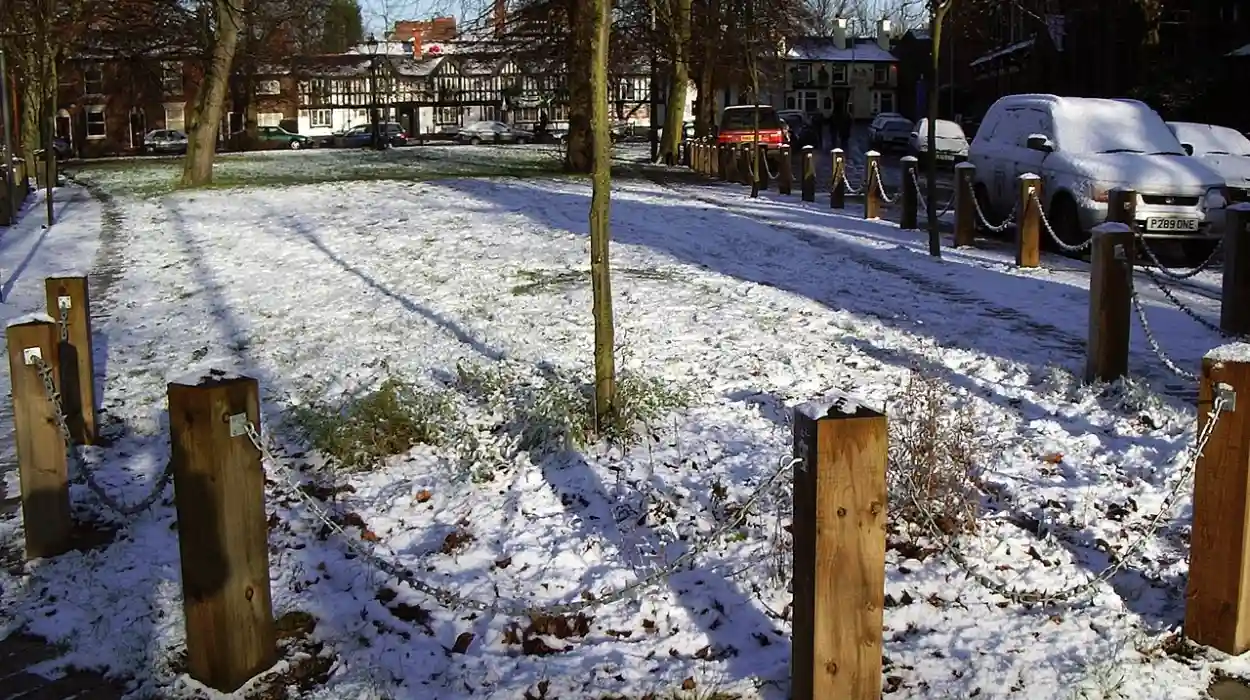
Chorlton Precinct stands as a poignant symbol of Manchester’s post-war urban development, capturing the ambitions and eventual struggles of mid-20th-century architecture in the UK’s industrial heartland. Built in the 1970s amid a wave of concrete modernism, this shopping centre in Chorlton-cum-Hardy was designed to serve the growing suburban population with convenience and modernity. Over decades, it became a bustling hub for locals, but by the 21st century, decline set in as retail shifted and maintenance lagged, leaving empty units and a sense of lost vitality.
- Historical Roots of Chorlton and Its Precinct
- The Rise and Fall of Chorlton Precinct
- Current Challenges Facing the Site
- Community-Led Initiatives Taking Shape
- Proposed Plans for Affordable Housing
- Visions for Vibrant Independent Shops
- Architectural and Design Innovations
- Economic and Social Benefits for Chorlton
- Sustainability at the Core of Revival
- Timeline and Next Steps for Implementation
- Lessons from Similar UK Regenerations
- Why Chorlton Precinct Matters to Manchester
Today, revival efforts are gaining momentum, driven by residents who envision a transformed Precinct blending affordable homes with lively independent shops. This community push reflects broader UK trends in regenerating forgotten high streets, prioritizing sustainability and social housing amid a national affordability crisis. As Manchester evolves, Chorlton Precinct’s story offers lessons in balancing heritage preservation with forward-thinking urban renewal.
Historical Roots of Chorlton and Its Precinct
Chorlton-cum-Hardy’s transformation from rural township to suburban enclave provides essential context for understanding the Precinct’s origins. In medieval times, the area was part of Manchester’s ancient parish, known for its oak forests cleared by Saxon settlers around 610 AD. By the 19th century, it remained a quiet agricultural village with hamlets like Chorlton Green, where farms dotted the landscape and the River Mersey marked its southern edge.
The arrival of horse-drawn buses in 1864 and the London Midland Railway in 1880 spurred rapid growth, turning Chorlton into a desirable commuter spot three miles southwest of Manchester city centre. Electric trams in 1907 further connected it, fostering village centres around Beech Road and the railway station. Post-World War II, the precinct emerged as part of the city’s push for modern retail spaces, constructed in the early 1970s with brutalist concrete designs typical of the era’s welfare state architecture. It symbolized progress, housing everyday shops that served families in this evolving suburb.
This historical shift from farmland to concrete commerce underscores why the Precinct now evokes nostalgia. Old photographs from Manchester Libraries’ archives reveal a once-thriving space with market stalls and community gatherings, contrasting sharply with its current faded state.
The Rise and Fall of Chorlton Precinct

Opened amid economic optimism, Chorlton Precinct quickly became integral to daily life in Chorlton-cum-Hardy. Its design featured open-air walkways, a mix of national chains and local traders, and easy access for pram-pushing parents and pensioners. In the 1970s and 1980s, it buzzed with activity, from butchers and bakers to newsagents, mirroring the UK’s broader precinct boom inspired by American-style malls.
Decline began in the 1990s as out-of-town superstores and online shopping eroded footfall. By the 2010s, dereliction was evident: leaking roofs, anti-social behaviour, and chain closures left a ghost-town feel. Ownership changes and economic pressures exacerbated issues, with the site owned by private developers who struggled to invest amid retail apocalypse trends. Local reports highlight how this mirrored national high street woes, with over 10,000 UK shops shuttering yearly by 2020.
The Precinct’s plight resonated deeply in Chorlton, a bohemian enclave known for its artisanal cafes on Beech Road and green spaces like Chorlton Meadows. Residents lamented the loss of a community anchor, sparking grassroots campaigns for change.
Current Challenges Facing the Site
Today, Chorlton Precinct grapples with multifaceted decay that hampers its potential. Structurally, the 50-year-old concrete suffers from weathering, with crumbling facades and outdated utilities failing modern standards. Economically, high business rates and low consumer spending deter tenants, while the site’s location—sandwiched between vibrant Beech Road and residential streets—limits large-scale redevelopment without community buy-in.
Socially, issues like litter, vandalism, and isolation affect nearby families, contrasting Chorlton’s appeal as a family-friendly suburb with excellent schools and parks. Affordability looms large: Manchester’s housing crisis sees average prices exceed £350,000, pricing out young families and key workers. Nationally, the UK faces a shortfall of 4.3 million homes by 2031, amplifying calls for brownfield sites like the Precinct to deliver social housing.
Environmentally, the site misses opportunities for green retrofits, such as solar panels or rain gardens, amid Manchester City Council’s net-zero goals by 2038. These challenges demand a holistic revival strategy rooted in local needs.
Community-Led Initiatives Taking Shape
Local activism has been pivotal in pushing for revival, with groups like the Chorlton Precinct Action Team forming to lobby Manchester City Council. Petitions gathered thousands of signatures demanding mixed-use redevelopment, emphasizing resident input over profit-driven schemes. Consultations in 2022-2023 revealed overwhelming support for affordable homes above shops, creating a “15-minute city” where essentials are walkable.
Key players include ward councillors and the Chorlton Good Neighbours network, partnering with housing associations like One Manchester. Funding bids target Levelling Up grants and Greater Manchester Combined Authority pots, aiming for £20-30 million in phased works. These efforts echo successful regenerations like Altrincham’s market revival, proving community voice drives sustainable outcomes.
Proposed Plans for Affordable Housing
Central to the vision are 100-150 affordable homes integrated into the Precinct’s upper levels and infill sites. Designs propose converting empty retail voids into one- and two-bedroom flats, with 60% at social rent levels—crucial as Manchester’s waiting list tops 15,000 households. Shared ownership models would aid first-time buyers, aligning with the government’s affordable homes programme targeting 1.5 million by 2029.
Architectural plans, sketched in council documents, feature modular builds for speed and cost-efficiency, incorporating energy-efficient glazing and insulation to cut bills by 30%. Ground-floor retention of shops ensures no net loss of retail space, fostering live-work harmony. This approach draws from precedents like London’s Elephant Park, where brownfield housing revitalized communities without displacing commerce.
Visions for Vibrant Independent Shops
Revitalizing shops forms the Precinct’s beating heart, with plans for 20-25 units prioritizing independents over chains. Pop-up spaces and low-rent incentives would attract Chorlton’s creative scene—think artisanal bakeries, zero-waste grocers, and vinyl stores complementing nearby Beech Road’s vibe. A central plaza with seating and events space aims to host markets and live music, boosting dwell time and spend.
Infrastructure upgrades include better lighting, cycle parking, and EV chargers to draw eco-conscious shoppers. Partnerships with Manchester’s Markets team could introduce seasonal stalls, mirroring the success of Levenshulme Market. Economically, this could generate 200 jobs, supporting local supply chains and reducing reliance on city centre trips.
Architectural and Design Innovations
Modern designs blend brutalist heritage with contemporary flair, preserving iconic concrete arches while adding timber cladding and green walls. Parametric modelling ensures flood-resilient layouts, vital given Chorlton’s Mersey proximity. Public realm enhancements feature permeable paving and native planting, creating a “pocket park” that links to Chorlton Green Conservation Area.
Inclusive design prioritizes accessibility: step-free access, wide aisles, and sensory gardens for all ages. Digital integration like app-based wayfinding and shop directories would enhance user experience, positioning the Precinct as a smart urban node.
Economic and Social Benefits for Chorlton
Revival promises a £50 million economic injection over a decade, via construction, jobs, and increased rates. Socially, affordable homes would diversify demographics, countering gentrification pressures as Beech Road rents soar. Enhanced connectivity to Metrolink and cycling routes supports Manchester’s 2040 transport strategy, cutting car use by 20%.
Crime reduction through natural surveillance and youth programs would foster pride, with schools like Chorlton High benefiting from apprenticeships. This holistic uplift positions Chorlton as a model for suburban renewal, attracting families amid Manchester’s population boom.
Sustainability at the Core of Revival
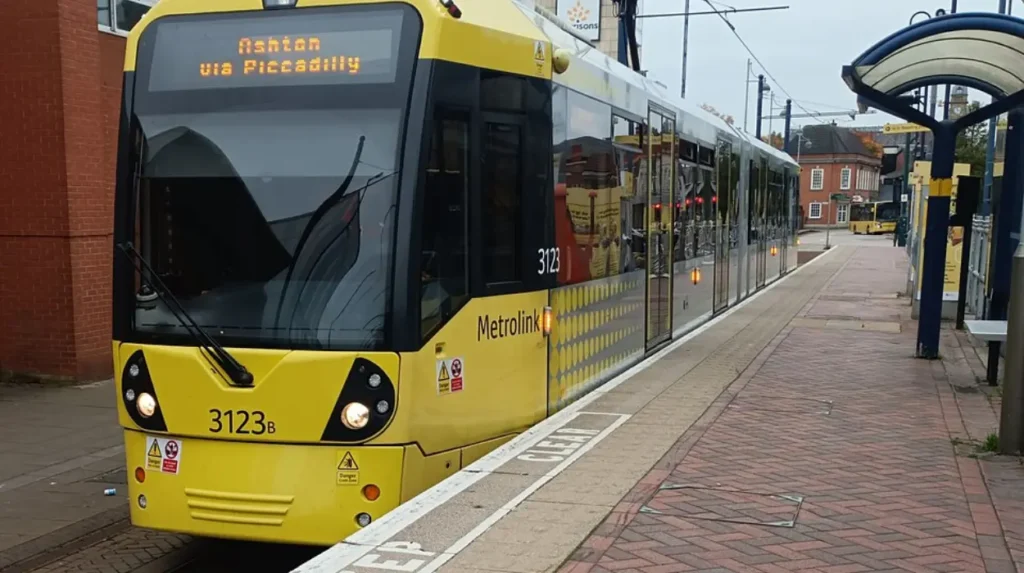
Green credentials define the plans: photovoltaic arrays on roofs could power 70% of homes, with heat pumps replacing gas boilers. Waste heat from shops warms residential spaces, slashing emissions. Biodiversity nets, like swift bricks and wildflower roofs, align with Manchester’s Bee Network for pollinators.
Circular economy principles repurpose existing concrete, minimizing landfill. Rainwater harvesting and greywater recycling address water scarcity, future-proofing against climate shifts. These measures not only meet BREEAM standards but inspire neighbouring sites.
Timeline and Next Steps for Implementation
Phased rollout starts with 2026 demolition of derelict wings, followed by housing in 2027-2028. Shops reopen progressively by 2029, with full activation by 2030. Milestones include planning approval in mid-2026 and ground-breaking post-funding confirmation. Community oversight via a precinct trust ensures accountability.
Risks like funding delays are mitigated through public-private partnerships, with council pre-lets securing viability. Regular updates via town halls keep momentum alive.
Lessons from Similar UK Regenerations
Chorlton draws inspiration from successes like Sheffield’s Castlegreen, where precinct housing added 300 homes and revived trade. Failures, such as Hull’s failed mall, highlight community engagement’s necessity. Manchester’s own Strangeways regeneration offers local blueprints, proving mixed-use triumphs in affordable delivery.
These cases affirm that resident-led plans outperform top-down approaches, yielding 25% higher occupancy rates.
Why Chorlton Precinct Matters to Manchester
In Greater Manchester’s narrative of reinvention, Chorlton Precinct embodies resilience. Its revival tackles housing shortages head-on while nurturing the indie spirit that defines the suburb. For residents, it promises a vibrant, equitable future; for the city, a scalable template amid urban pressures.
As plans advance, Chorlton’s story inspires hope, turning concrete relic into community cornerstone.