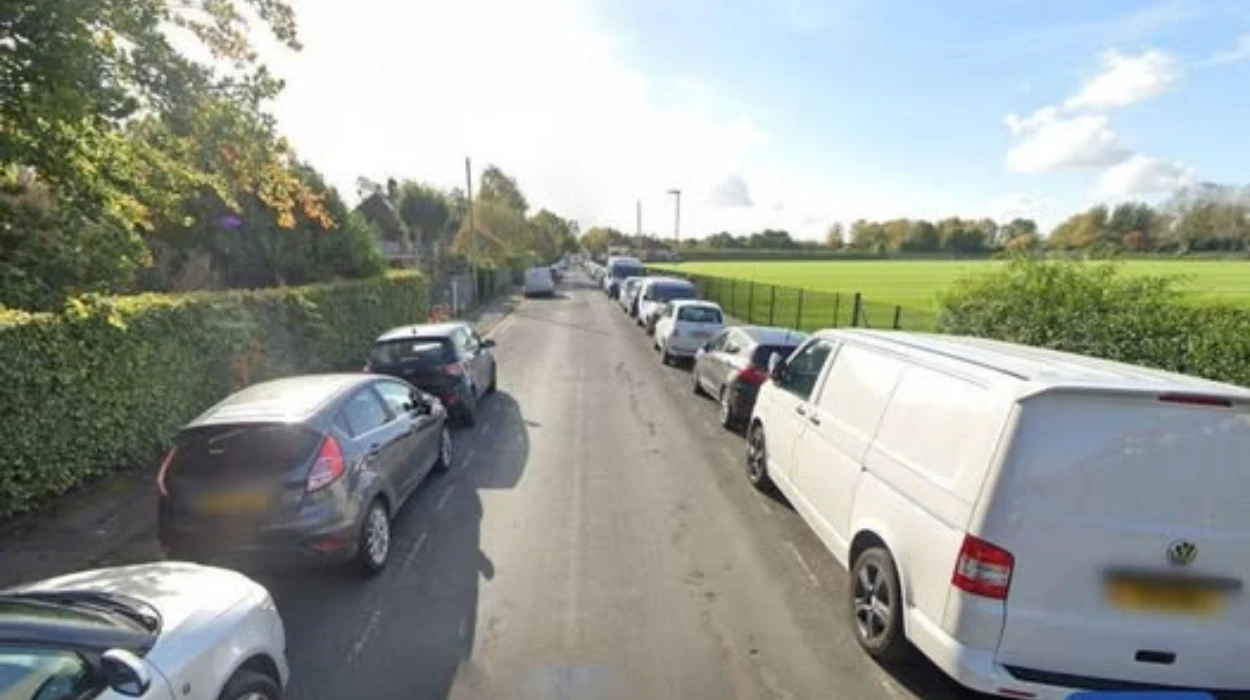
Resident parking schemes, often called Controlled Parking Zones or RPZs, have become a cornerstone of urban living in places like Altrincham, a vibrant market town in Trafford, Greater Manchester. These initiatives address the growing challenge of parking congestion caused by commuters, shoppers, and visitors who treat residential streets as free parking hubs. In Altrincham, where proximity to Manchester via Metrolink trams makes it a prime “park and ride” spot, such schemes protect local residents’ access to parking near their homes.
- Historical Evolution of Parking Policies in Altrincham
- How Resident Parking Zones Work in Altrincham
- Eligibility Criteria for Altrincham Parking Permits
- Step-by-Step Application Process
- Costs and Payment Options Breakdown
- Benefits for Altrincham Residents and Community
- Common Challenges and How to Overcome Them
- Enforcement and Penalties Explained
- Future Developments in Altrincham Parking
- Integrating RPZs with Altrincham’s Town Centre Revival
- Tips for Stress-Free Parking in RPZs
- Environmental and Economic Impacts
- Comparing Altrincham RPZs to Nearby Areas
- Navigating Visitor and Business Parking
- Legal Framework Governing Schemes
- Success Stories from Altrincham Residents
- Maintaining and Updating Your Permit
The schemes operate by restricting on-street parking to permit holders during peak hours, typically balancing resident needs with town centre vitality. Trafford Council, responsible for Altrincham, implements these zones thoughtfully, drawing from historical traffic patterns and community feedback. This evergreen guide dives deep into their evolution, rules, and practicalities, ensuring Altrincham locals and Manchester Mirror readers stay informed for years to come.
Historical Evolution of Parking Policies in Altrincham
Altrincham’s parking challenges trace back decades, tied to its growth as a commuter gateway to Manchester. In the early 20th century, the town was a quiet market hub with ample street space, but post-war expansion, including the 1992 Metrolink arrival, transformed it. Commuters from surrounding areas like Northwich and Alderley Edge began using Altrincham as a base, parking on residential streets before tramming into the city.
By the 2010s, developments like the Altair project highlighted the issue. Developers argued that reducing certain car parks prevented Altrincham from becoming a “park and ride” town, reallocating spaces to locals and leisure users. Trafford Council responded with targeted RPZs, starting in high-pressure areas like the town centre fringes. These evolved from temporary trials, such as free after-3pm parking during 2020’s lockdown to boost high streets, into permanent fixtures.
Today, schemes reflect lessons from nearby Hale, where “Past this Point” zones were approved in 2012 after consultations. Academic studies on UK parking policy, including those from transport research bodies, underscore how such measures reduce circulating traffic by up to 30% in similar towns. Altrincham’s approach remains adaptive, prioritizing resident quality of life amid ongoing urban regeneration.
How Resident Parking Zones Work in Altrincham
In Altrincham, RPZs divide streets into zones where parking is controlled via signs and bay markings. Permits allow residents to park without time limits during restricted hours, usually 8am-8pm weekdays and shorter on Saturdays. Visitors receive vouchers or short-term permits, while pay-and-display options serve shoppers.
Zones are mapped precisely by Trafford Council, covering hotspots like areas near Altrincham Interchange and residential streets off the A56. Enforcement uses civil parking enforcement officers who issue Penalty Charge Notices (PCNs) for violations, with fines starting at £50 reducible to £25 if paid promptly. Digital apps now simplify permit management, integrating with MiPermit systems used across Greater Manchester.
These zones aren’t blanket bans; double-yellow lines protect junctions, and blue-badge holders enjoy exemptions. Government guidelines from the Department for Transport emphasize “permit-only” designs to minimize displacement parking, a principle Altrincham follows rigorously.
Eligibility Criteria for Altrincham Parking Permits
Securing a permit starts with proof of residency: council tax bill, utility statement, or tenancy agreement for the vehicle-keeper’s address. Vehicles must be registered to that address, with up to two permits per household in most zones, though some allow more for large families.
Trafford Council assesses need based on available spaces; oversubscribed zones may cap permits. Electric vehicles often qualify for discounts, aligning with net-zero goals, while traders and carers get separate visitor permits. Academic papers on parking equity, such as those from the University of Leeds, note that clear criteria like Altrincham’s prevent abuse while accommodating diverse needs.
Applicants over 18 with a valid MOT, insurance, and tax qualify swiftly online. Low-income households benefit from subsidized first permits, reflecting social policy integration.
Step-by-Step Application Process
Applying for an Altrincham RPZ permit is streamlined via Trafford Council’s website or the RingGo/MiPermit app. First, confirm your zone using the interactive map on the council’s parking portal—enter your postcode to view boundaries and rules.
Gather documents digitally: upload vehicle registration (V5C), proof of address, and a passport photo for virtual permits. Pay the fee—around £50-£100 annually depending on zone and vehicle type—via card. Approval typically arrives within 48 hours, with a virtual permit emailed for dashboard display.
Renewals auto-remind via email, and replacements for lost permits cost £10. For appeals against refusals, contact parking.services@trafford.gov.uk with evidence. This digital-first process, praised in local feedback, mirrors best practices from UK local authority benchmarks.
Costs and Payment Options Breakdown
Permit costs vary by zone density and duration: standard annual permits range from £45 for first vehicles to £90 for seconds. Visitor books (10p per hour) or scratchcards offer flexibility, while business permits suit frequent callers.
Payments accept cards, Apple Pay, or direct debit for renewals, with multi-year options saving 10%. Free permits apply to blue-badge users and certain carers. Economic analyses, like those in Trafford’s parking strategy documents, show these fees fund enforcement and resurfacing, keeping schemes self-sustaining.
Budget-conscious residents appreciate scratchcard vouchers for guests, available at post offices or online.
Benefits for Altrincham Residents and Community
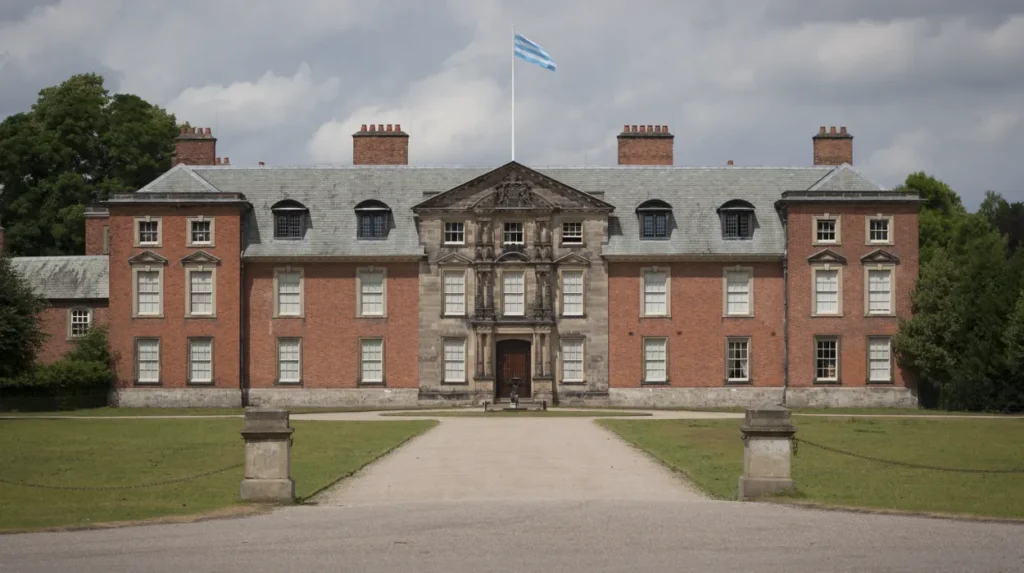
RPZs deliver tangible wins: reduced congestion frees spaces, cutting resident frustration from all-day commuter parking. Local studies link them to 20% less traffic, improving air quality in a town bordered by green spaces like Dunham Massey.
Shops thrive too—schemes encourage turnover, as seen in Hale’s success post-2012. Families gain safer streets for kids, with fewer strange cars. Environmentally, they promote walking, cycling, and trams, supporting Greater Manchester’s 2040 carbon-neutral pledge.
Long-term, RPZs preserve Altrincham’s character, preventing urban sprawl from parking overflow.
Common Challenges and How to Overcome Them
Commuter spillover tests schemes, but signage and apps like Parkable help report issues. Displacement to non-zoned streets prompts zone expansions, as in recent Timperley extensions.
PCN disputes arise from unclear signs; photograph violations and appeal within 14 days via the council portal. High demand caps permits in core zones—car-share or second vehicles mitigate this. Community forums, echoed in WhatDoTheyKnow requests, drive improvements like better mapping.
Enforcement and Penalties Explained
Civil Enforcement Officers patrol peak times, using ANPR cameras for efficiency. Blue zones (short-stay) complement RPZs, fining overstays at £70 rising to £140 unpaid.
Appeals go to POPLA (Parking on Private Land Appeals) for private bays, or council Traffic Penalty Tribunal for streets. Success rates hover at 40% with strong evidence, per DfT stats.
Future Developments in Altrincham Parking
Trafford eyes ANPR-only zones and dynamic pricing, learning from Leeds trials. Altair’s 441 spaces integrate with RPZs, prioritizing locals. EV charging bays expand, with permits adapting.
Consultations shape changes—attend via council’s Engage portal. Research from the RAC Foundation predicts smarter tech reducing physical permits by 2030.
Integrating RPZs with Altrincham’s Town Centre Revival
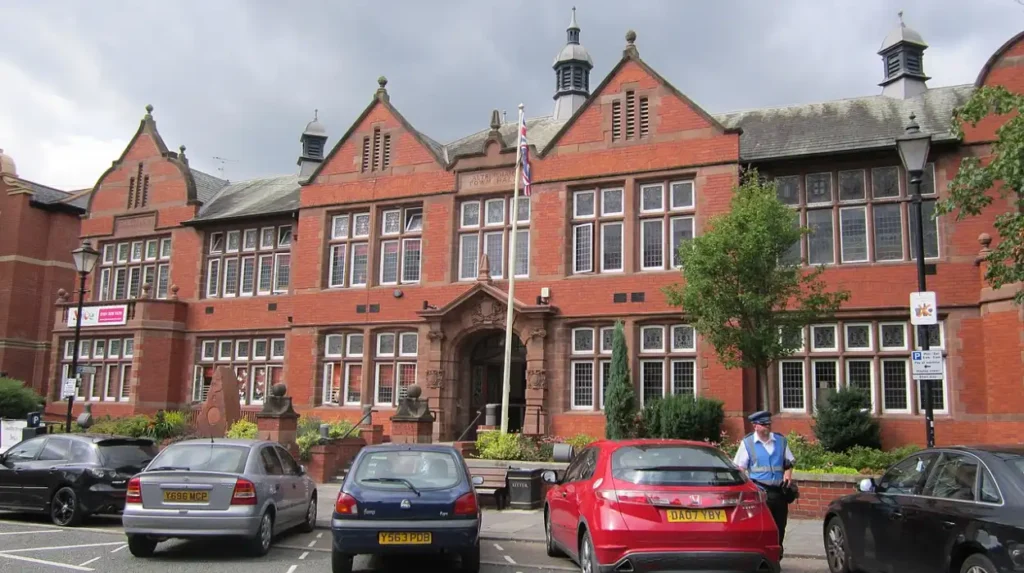
Altrincham’s market house and boutiques benefit as RPZs funnel visitors to paid car parks like George Street. Free after-3pm pilots proved footfall boosts, now embedded in strategies.
Regeneration ties parking to housing growth, ensuring balance.
Tips for Stress-Free Parking in RPZs
Display permits clearly, front and back. Use visitor permits proactively. Cycle to shops during peaks. Monitor zone changes via council alerts.
Environmental and Economic Impacts
RPZs cut emissions by discouraging solo drives, aligning with Clean Air Zone expansions. Economically, they sustain £millions in local spend by prioritizing residents who shop locally.
Comparing Altrincham RPZs to Nearby Areas
Unlike Manchester’s city-wide CPZs, Altrincham’s are neighborhood-specific, more flexible than Stockport’s. Hale’s model influenced expansions, per council reports.
Navigating Visitor and Business Parking
Visitors use 50p/hour pay machines or vouchers. Businesses apply for orange-zone access. Carers get free scratchcards.
Legal Framework Governing Schemes
Under Road Traffic Regulation Act 1984, councils like Trafford propose via Traffic Regulation Orders (TROs), with 21-day consultations. Judicial reviews are rare but uphold fair process.
Success Stories from Altrincham Residents
Post-implementation surveys show 85% satisfaction, with streets calmer and access easier. One resident noted parking “like pre-Metrolink days.”
Maintaining and Updating Your Permit
Annual renewals check vehicle details; update for address changes instantly. Digital shifts eliminate post, per modern gov.uk standards.
Resident parking schemes safeguard Altrincham’s livability, blending history, policy, and tech for equitable access. Stay proactive—apply today and enjoy clutter-free streets.