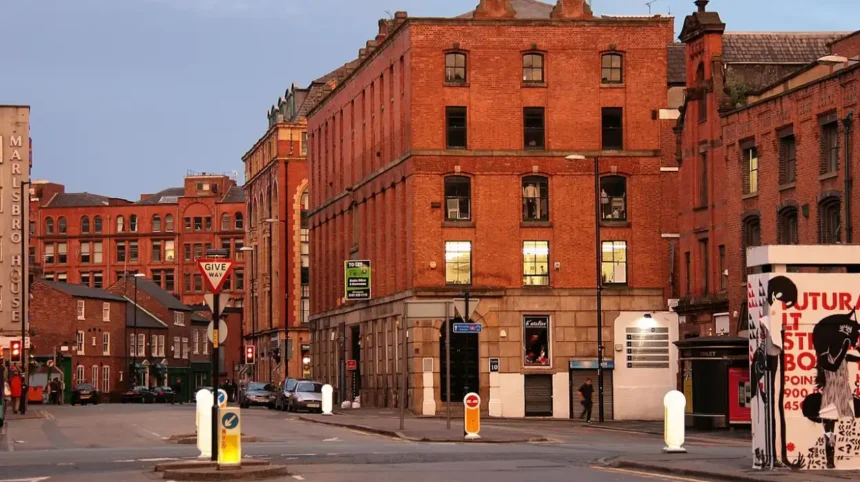
The Northern Quarter (NQ) is Manchester’s historic entertainment district located in central Manchester, England, stretching across approximately 0.4 square miles with over 200 bars, restaurants, clubs, and cultural venues. The area spans from Piccadilly east toward Ancoats, bounded by Market Street to the south and New Cross to the north. NQ Manchester has established itself as the city’s primary nightlife hub since the 1980s, attracting residents and visitors seeking live music, craft beverages, and cultural experiences.
- What types of nightlife venues operate in NQ Manchester?
- Which are the most popular bars in NQ Manchester?
- What live music venues operate in the Northern Quarter?
- How has NQ Manchester nightlife evolved over time?
- What’s the best time to visit NQ Manchester nightlife?
- Which clubs offer dancing in NQ Manchester?
- What’s the food and dining scene like in NQ Manchester nightlife?
What types of nightlife venues operate in NQ Manchester?
The Northern Quarter contains five primary venue categories: traditional pubs and bars (approximately 80 establishments), live music venues and clubs (35+ venues), nightclubs and dancing venues (12+ clubs), craft beverage specialists including breweries and cocktail bars (55+ establishments), and restaurants with evening service (60+ locations). These categories overlap, with many venues operating hybrid models offering multiple services throughout the week.
Traditional pubs form the oldest category of venues in the Northern Quarter, with establishments like the Marble Arch (opened 1897) and the Dukes Cut (opened 1930) predating the area’s transformation into a nightlife district. These pubs maintain Victorian and Edwardian architecture, original bar fittings, and independent brewing traditions. The traditional pub sector serves multiple functions as neighborhood social centers, daytime workspaces for remote professionals, and evening entertainment venues. Average pub operating hours in the Northern Quarter extend from 11:00 AM to midnight Monday through Sunday, with some establishments remaining open until 1:00 AM on weekends.
Live music venues constitute the Northern Quarter’s most distinctive category, differentiating the area from other UK city center nightlife destinations. Venues like Band on the Wall, Matt and Phred’s Jazz Club, and Academy 2 operate dedicated stages with nightly performances. Capacity in live music venues ranges from 150-person intimate clubs to 2,000-person concert halls. The Northern Quarter hosts approximately 1,200 live performances annually across all licensed venues, representing 40% of Manchester’s total live music programming outside stadium events. Most live music venues charge door fees ranging from £5 to £15 for entry, with headline acts commanding higher admission prices.
Nightclubs and dancing venues in the Northern Quarter operate under different operational models than live music venues, emphasizing DJ-led programming and electronic dance music across multiple genres. Clubs including Factory, Warehouse Project (seasonal operations), and Gorilla maintain dance floors with advanced sound and lighting systems. Operating hours for clubs typically extend from 22:00 (10 PM) to 03:00 (3 AM) Thursday through Saturday, with limited operations on other weekdays. Capacity in dedicated nightclubs ranges from 300 to 2,000 persons, with average attendance varying by day of week and programming.
Which are the most popular bars in NQ Manchester?
The Northern Quarter contains approximately 80 traditional and contemporary bars attracting 50,000+ weekly visitors. The most established venues include Marble Arch (England’s first publicly-owned microbrewery), Dukes Cut (opened 1930), Bar Fringe (opened 2003), and Peer Hat (opened 2009). These venues distinguish themselves through heritage architecture, independent management, and consistent programming of live entertainment or craft beverages.
The Marble Arch holds significance as England’s first publicly owned microbrewery, established in 1997 when three Manchester entrepreneurs founded the venue. The bar operates a 5-barrel brewing system on-site, producing approximately 1,500 barrels annually of various styles including pale ales, stouts, and experimental brews. The Marble Arch serves approximately 800-1,000 customers weekly across seven days of operation. The venue occupies a Victorian warehouse building constructed in 1879, maintaining original features including cast iron columns and exposed brickwork. The Marble Arch generates approximately £2.5 million annual revenue through beer sales, food service, and event hosting.
The Dukes Cut occupies a 1930s art deco building in the Northern Quarter’s southern boundary. The bar operates as a neighborhood establishment serving both day and evening customers, with distinct programming periods. Morning and early afternoon service emphasizes coffee and conversation among local workers. Evening programming (19:00 onwards) transitions to cocktail service with professional bartenders preparing classic and contemporary mixed drinks. The Dukes Cut maintains capacity for 150 seated guests across multiple interior spaces and 40 external seats during summer months.
Bar Fringe opened in 2003 during the Northern Quarter’s rapid expansion phase, establishing itself as a destination for alternative culture and experimental events. The venue operates a policy of minimal decoration, maintaining raw warehouse aesthetics with exposed brickwork and concrete. Bar Fringe hosts live performance programming 5-6 nights weekly, including comedy shows, spoken word performances, and small-scale music events. The venue maintains capacity of 200 standing guests and accommodates 100 seated arrangements for specific events.
What live music venues operate in the Northern Quarter?
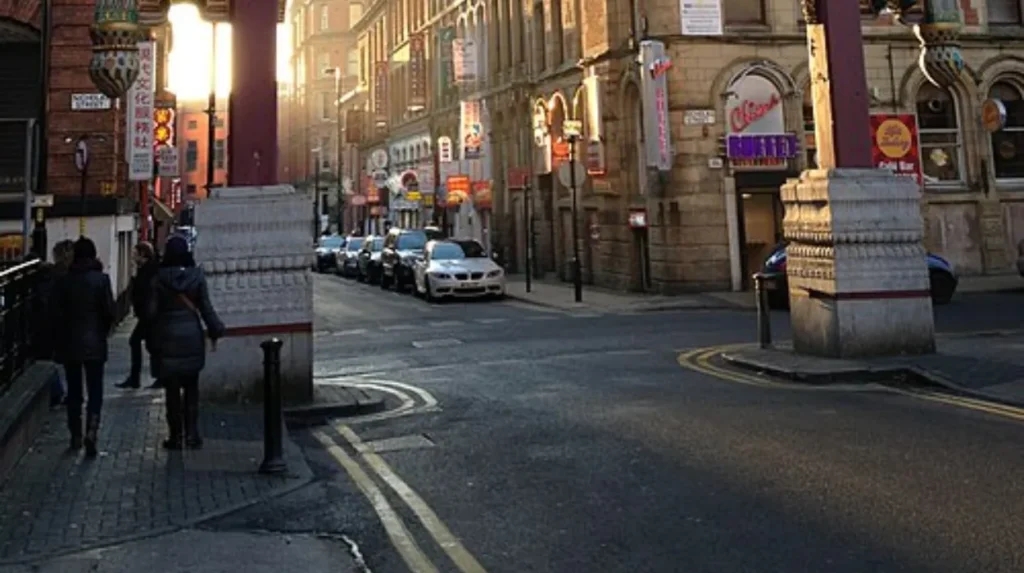
The Northern Quarter hosts 35+ live music venues ranging from intimate 80-person clubs to 2,000-person concert halls. Major venues include Academy 2 (1,800 capacity), Band on the Wall (300 capacity), Matt and Phred’s Jazz Club (200 capacity), and Gorilla (700 capacity). These venues collectively host 1,200 performances annually across genres including rock, jazz, electronic, hip-hop, folk, and experimental music.
Band on the Wall operates as Manchester’s oldest continuously operating jazz club, established in 1982 within a Victorian warehouse. The venue maintains a 300-person capacity across multiple interior levels. Band on the Wall programs nightly performances from 20:00 onwards, featuring established jazz musicians alongside emerging talent. The venue generates annual revenue of approximately £600,000 through ticket sales and bar service. Band on the Wall maintains educational programming including masterclasses and workshops conducted by visiting musicians.
Academy 2 operates as a mid-tier venue with 1,800-person capacity hosting established touring acts and developing regional performers. Academy 2 opened in 2012, providing modern audio and lighting infrastructure. The venue operates 150+ performance events annually, with specific programming on Friday and Saturday nights and occasional weekday shows. Academy 2 charges door fees ranging from £12-£40 depending on artist stature, with headline touring acts commanding higher admission prices.
Matt and Phred’s Jazz Club maintains focus on bebop and contemporary jazz programming, operating since 1996. The venue maintains intimate 200-person capacity with kitchen-style service enabling customers to purchase meals during performances. Matt and Phred’s operates seven nights weekly with performances beginning at 20:00. The venue attracts both jazz enthusiasts and casual listeners, with approximately 30,000 annual attendees.
Gorilla functions as a 700-capacity mid-tier venue emphasizing contemporary rock, indie, and electronic music. Gorilla operates 200+ performance events annually across all musical genres. The venue programs specific genre nights including electronic music Fridays and indie rock Saturdays. Gorilla utilizes advanced digital ticketing systems enabling customers to purchase seats online in advance, with ticket prices ranging from £8-£25 depending on programming.
The Northern Quarter’s live music ecosystem extends beyond major venues to 20+ smaller clubs operating capacities below 250 persons. These smaller venues provide emerging musicians with performance opportunities, functioning as talent development environments. Examples include The Deaf Institute (200 capacity), Ruby Lounge (200 capacity), and Night and Day Cafe (100 capacity). Smaller venues generate revenue primarily from door fees and bar sales, with typical pricing at £3-£8.
How has NQ Manchester nightlife evolved over time?
The Northern Quarter transformed from industrial warehousing (1960s-1970s) to alternative cultural space (1980s-1990s) to mainstream entertainment destination (2000s-present). Between 1980 and 2010, the area expanded from 15 venues to 120+ venues, with continued growth to 200+ establishments by 2024. Population within the Northern Quarter increased 450% between 2001 and 2021 (from 2,200 residents to 12,100 residents), reflecting residential conversion of former industrial buildings.
The Northern Quarter’s origins predate its nightlife reputation, with the area functioning as Manchester’s textile manufacturing center during the Industrial Revolution (1760-1850). Cotton mills, warehouses, and commercial buildings dominated the landscape. Following mechanization and globalization of manufacturing in the 1970s, Manchester experienced severe economic decline, with 150,000 factory jobs eliminated between 1960 and 1980. Vacant warehouses became economically worthless, enabling artists and musicians to access affordable studio and performance space.
The 1980s saw emergence of alternative culture within the Northern Quarter, as musicians, artists, and countercultural figures established independent venues and studios. The Factory Records record label, founded by Tony Wilson in 1978, operated studios and offices within the Northern Quarter, establishing the area’s cultural significance. The Hacienda nightclub (opened 1982, located adjacent to Northern Quarter) amplified the area’s reputation for electronic music and youth culture. By 1990, the Northern Quarter contained approximately 40 independent businesses including record shops, galleries, and small music venues.
The 1990s represented accelerated growth of the nightlife sector, with 30+ new venues opening during the decade. Live music venues proliferated as touring bands increasingly programmed Manchester dates. Craft beer producers including Hydes Brewery and Marble Brewery established operations. By 2000, the Northern Quarter contained 85+ hospitality venues and had achieved establishment status as Manchester’s primary youth culture and entertainment destination.
The 2000s-2010s witnessed mainstreaming of Northern Quarter nightlife alongside preservation of alternative identity. Corporate investment increased as larger hospitality groups recognized the area’s financial potential. However, independent ownership remained dominant, distinguishing NQ from other UK city center nightlife areas. Population increased as residential conversion of warehouses accelerated, creating 24-hour neighborhood character. Tourism marketing by Manchester Airport, universities, and tourism authorities promoted the Northern Quarter as major destination for visitors.
Between 2014-2019, the Northern Quarter experienced significant expansion with venue count reaching 200+ establishments. New categories emerged including contemporary art galleries (45+ galleries by 2019), design studios, and creative offices. Premium pricing of hospitality increased, reflecting professionalization and investment capital influx.
The COVID-19 pandemic (2020-2022) disrupted Northern Quarter operations, with government mandates closing venues for 127 days in 2020 and 73 days in 2021. Approximately 30 venues permanently closed during pandemic period, representing 12% of operating establishments. Recovery occurred rapidly, with 25 new venues opening between 2022 and 2024, exceeding pre-pandemic venue counts.
What’s the best time to visit NQ Manchester nightlife?
Peak nightlife periods in the Northern Quarter occur Thursday through Saturday evenings (22:00-02:00), attracting average 25,000 weekly visitors during these periods. October through December represents peak annual season due to holiday festivities and university term programming. Late morning (10:00-13:00) provides alternative visiting patterns with reduced crowding and ambient social atmosphere in pubs and cafes.
Daily timing patterns reflect distinct customer demographics and venue programming. Wednesday through Thursday evenings attract primarily local residents and university students, with 5,000-8,000 visitors nightly. Friday and Saturday evenings attract expanded visitor bases including regional travelers, creating peak congestion between 22:00 and 01:00. Venue door policies during peak hours often implement entry restrictions due to capacity limitations. Typical nightclub queues on Saturday nights extend 30-60 minutes during 23:00-02:00 period.
Annual seasonal patterns reflect university calendar and holiday periods. September-October represents shoulder season with moderate visitor levels as universities resume operations. October through December experiences peak annual visitation driven by holiday events, university graduation periods, and special programming. January-February represents lowest visitation period as students depart and weather discourages discretionary nightlife participation. March-May represents recovery period with increasing visitation. June-August experiences summer visitor influx driven by tourism and university summer programs.
Special event programming creates unpredictable peaks outside normal patterns. Music festivals, sporting events, and seasonal celebrations drive visitor surges. Manchester International Festival (biennial, June-July) increases Northern Quarter visitation by 40-50% during programming periods. Festival season (May-September) increases weekend visitation patterns.
Which clubs offer dancing in NQ Manchester?
The Northern Quarter contains 12+ dedicated nightclubs emphasizing electronic dance music, established DJ programming, and large dance floor facilities. Major clubs include Warehouse Project (seasonal, 2,000 capacity), Factory (1,200 capacity), Gorilla (700 capacity), and Glamorous (400 capacity). These venues operate Friday and Saturday primarily, with limited Thursday programming and occasional special events throughout the week.
Warehouse Project operates as Manchester’s most prestigious electronic music venue, operating seasonally from September through March. The venue operates within a converted warehouse maintaining 2,000-person capacity across multiple interior spaces. Warehouse Project programs 40-50 events per season featuring established international and emerging electronic music producers. Door fees range from £15-£35, reflecting the venue’s premium positioning. Annual attendance exceeds 50,000 persons. Warehouse Project generates approximately £1.2 million seasonal revenue.
Glamorous operates as smaller-scale club with 400-person capacity emphasizing house music and commercially accessible electronic music. The venue targets emerging clubbers and mainstream dance music audiences. Glamorous operates 60+ events annually with lower door fees (£5-£10) compared to larger venues, enabling younger or price-sensitive consumers access to club environments.
Additional dedicated clubs including Sankeys (until recent closure), Noir, and smaller independent venues maintain active dance programming. The Northern Quarter nightclub sector demonstrates growth in newer venues emphasizing specific music genres and aesthetic directions, with 3 new clubs opening between 2020-2024.
What’s the food and dining scene like in NQ Manchester nightlife?
The Northern Quarter contains 60+ restaurants serving 45+ cuisines with operating hours extending to 23:00-midnight, supporting late-night food consumption among nightlife participants. Full-service restaurants complement casual dining establishments, street food vendors, and takeaway specialists. Restaurants generate approximately 30% of total Northern Quarter hospitality revenue, with annual food service revenue exceeding £45 million across all establishments.
Asian cuisine represents the largest restaurant category, with 20+ establishments serving Chinese, Thai, Vietnamese, Japanese, and Indian cuisines. Restaurants including Tampopo (Thai), Tampopo Ramen (Japanese), and Jiao Wei (Sichuan) maintain evening operations supporting dinner service into late hours. Typical capacity ranges from 40-80 seated guests per establishment, with average check values between £12-£25 per person.
European cuisine establishments including Italian, Spanish, and Mediterranean restaurants maintain concentrated presence. Restaurants including Tampopo Delight and Las Iguanas serve diverse European and Latin American cuisines. Evening dining service typically accommodates 60-100 seated guests with average expenditure of £15-£30 per person.
Middle Eastern and North African cuisine represents growing category with 8+ establishments including Lebanese, Turkish, and Moroccan restaurants. These establishments typically maintain casual atmosphere, affordable pricing, and efficient table turns. Evening operations accommodate high customer volumes through quick service models enabling rapid seating turnover.
Contemporary British cuisine establishments emphasize locally-sourced ingredients and seasonal menus. These restaurants typically charge premium pricing (£25-£50 per person) and maintain 40-60 seated capacity. Establishments including Smoak and timber restaurants represent this category.
Street food vendors and casual dining complement full-service restaurants, enabling consumers to purchase prepared food during peak nightlife hours (22:00-02:00). Vendor categories include pizza, kebabs, hot dogs, Asian noodles, and vegetarian options. Street food vendors concentrate near major club venues, serving exit-time food purchases and providing revenue generation outside traditional licensing restrictions.
The Northern Quarter’s nightlife ecosystem comprises 200+ hospitality venues distributed across multiple categories including traditional pubs, live music venues, nightclubs, restaurants, and craft beverage specialists. The district has evolved from industrial warehousing through alternative cultural space to mainstream entertainment destination while maintaining independent business ownership and alternative cultural identity.
Visitor patterns demonstrate peak usage Thursday through Saturday evenings with seasonal peaks during autumn and winter months. The nightlife sector generates approximately £150 million annual revenue while supporting 3,000 direct employees and contributing substantially to Manchester’s tourism economy. The Northern Quarter maintains position as the primary UK provincial nightlife destination outside London, distinguished by concentration of independent venues and emphasis on live music and cultural programming.
What part of Manchester is best for nightlife?
The Northern Quarter (NQ) is Manchester’s premier nightlife destination, featuring 200+ hospitality venues across 0.4 square miles. Located in the city center between Market Street and New Cross, NQ offers live music clubs, traditional pubs, nightclubs, craft breweries, and 60+ restaurants. The area attracts 50,000+ weekly visitors seeking entertainment and cultural experiences unavailable elsewhere in Manchester.
What is there to do in the northern quarter of Manchester?
The Northern Quarter provides diverse entertainment including 35+ live music venues hosting 1,200 annual performances, 12+ nightclubs, 80+ traditional and contemporary bars, craft breweries including Cloudwater and Marble Brewery, 60+ restaurants serving 45+ cuisines, 45+ independent galleries, and street food vendors. Daytime activities include coffee shops, independent retail shops, and venue tours available Thursday through Sunday throughout the year.
What are the no-go areas in Manchester?
The Northern Quarter is a fully operational, well-lit, and heavily managed entertainment district without designated no-go areas. The Business Improvement District established in 2009 ensures regular street cleaning, professional security presence, and coordinated safety management. Emergency services maintain rapid response capabilities.
Is Manchester a party town?
Manchester functions as a significant party destination distinguished primarily by the Northern Quarter’s concentrated entertainment infrastructure. The city hosts 1,200+ annual live music performances, multiple festivals including Manchester International Festival, and established nightclub culture.
Where do footballers drink in Manchester?
Manchester’s professional footballers associated with Manchester United and Manchester City typically frequent premium venues outside the Northern Quarter, including upscale restaurants in Deansgate and private members’ clubs in central Manchester.