Altrincham, a vibrant market town in Greater Manchester, has long been cherished for its historic charm, bustling markets, and family-friendly neighborhoods. However, beneath this appealing facade, residents increasingly grapple with noise pollution and antisocial behaviour that disrupt daily life. These issues, ranging from blaring music at odd hours to public disturbances, affect communities across areas like Timperley, Hale, and the town center. Antisocial behaviour, often defined as actions causing harassment, alarm, or distress, has become a persistent concern, eroding the quality of life for many.
- Defining Noise and Antisocial Behaviour in Local Context
- Historical Roots of Community Disturbances in Altrincham
- Common Causes Driving Noise and Antisocial Issues
- Health and Well-Being Impacts on Altrincham Residents
- Legal Framework Governing Complaints in Greater Manchester
- Step-by-Step Guide to Reporting Incidents Effectively
- Role of Local Authorities and Police in Altrincham
- Community-Led Initiatives Tackling Disturbances
- Long-Term Prevention Strategies for a Quieter Future
- Case Studies: Successful Interventions in Altrincham
- Technological Tools and Innovations for Residents
- Building Resilient Neighborhoods Through Awareness
What makes these problems particularly frustrating in Altrincham is their prevalence in both residential suburbs and commercial zones. Late-night parties, rowdy gatherings, and even everyday nuisances like frequent loud visitors contribute to sleep deprivation and heightened stress levels. Local authorities recognize noise as a leading complaint, often linked to broader antisocial patterns that intimidate vulnerable residents, including the elderly and families with young children. This article delves deeply into the root causes, real-world impacts, reporting mechanisms, and long-term strategies tailored to Altrincham’s unique context, empowering residents to reclaim tranquility.
Defining Noise and Antisocial Behaviour in Local Context
Noise pollution in Altrincham manifests in various forms, from persistent banging and DIY projects during unsociable hours to amplified music from house parties or vehicles. Antisocial behaviour encompasses a wider spectrum, including shouting, swearing, vandalism, graffiti, littering, and animal-related disturbances like incessant barking. Legally, these are classified under the Anti-Social Behaviour, Crime and Policing Act 2014, which empowers councils and police to intervene when conduct “causes harassment, alarm, or distress” to others.
In Altrincham’s semi-urban setting, these issues amplify due to dense housing near busy spots like the Metrolink station and Dunham Massey parklands. Frequent visitors at night, often tied to student populations or nightlife spillover from Manchester, exacerbate noise levels. Unlike isolated incidents, repeated occurrences create a cumulative effect, turning minor annoyances into chronic problems that local housing associations and the Trafford Council must address routinely. Understanding these definitions is crucial, as they guide whether a complaint falls under environmental health for noise or community safety teams for broader antisocial acts.
Historical Roots of Community Disturbances in Altrincham
Altrincham’s evolution from a medieval market hub to a modern commuter town has shaped its vulnerability to such behaviours. Dating back to the 13th century, the town’s market square has always drawn crowds, but post-industrial growth in the 19th century brought denser populations and early signs of urban friction. By the 20th century, suburban expansion in areas like Broadheath introduced noise from factories and traffic, precursors to today’s residential complaints.
More recently, the influx of young professionals and renters following Altrincham’s regeneration—highlighted by the £1.5 billion Trafford Waters development—has intensified pressures. Economic shifts, including the rise of remote work post-2020, led to more home-based activities spilling into neighborhoods, boosting reports of DIY noise and gatherings. Historical records from Trafford Council archives note spikes in complaints during economic downturns, when unemployment correlated with petty disturbances, underscoring how socioeconomic factors perpetuate these cycles. This historical lens reveals that while Altrincham’s affluence offers resources for solutions, longstanding patterns demand proactive, community-rooted responses.
Common Causes Driving Noise and Antisocial Issues
Several interconnected factors fuel noise and antisocial behaviour in Altrincham. Primarily, demographic shifts play a role: the town’s appeal to young families and professionals attracts transient populations less attuned to suburban norms, leading to unmanaged parties and vehicle revving. Nightlife proximity to Manchester’s curry mile influences late-night returns, with amplified car stereos echoing through quiet streets like those near the Navigation Inn.
Rept0n1x
Environmental contributors include poor urban planning in hotspots like the town center, where mixed-use developments blend residential and commercial spaces, amplifying sounds from pubs and takeaways. Seasonal events, such as summer festivals at Stamford Park, occasionally spill over into prolonged disturbances. Socioeconomic undercurrents, like youth boredom in estates around Timperley, manifest as vandalism or shouting matches, while animal nuisances stem from unregulated pet ownership in denser housing. These causes are not isolated; they intersect, creating hotspots where a single loud event cascades into neighborhood-wide unrest.
Health and Well-Being Impacts on Altrincham Residents
The toll of persistent noise and antisocial behaviour extends far beyond immediate irritation, profoundly affecting physical and mental health. Chronic exposure to loud disturbances disrupts sleep patterns, leading to heightened risks of hypertension, cardiovascular issues, and weakened immune responses. In Altrincham, where many residents value the town’s green spaces for respite, this constant backdrop fosters anxiety and depression, particularly among shift workers and parents.
Socially, these issues erode community cohesion, breeding fear and isolation—elderly residents in Hale Barns report avoiding evening walks due to intimidation from groups loitering. Children suffer indirectly, with studies linking noise pollution to impaired concentration and developmental delays. Economically, property values dip in affected areas, deterring families and straining local services. Trafford Council’s health reports highlight a 20-30% uptick in stress-related GP visits correlated with ASB peaks, emphasizing the need for swift interventions to safeguard vulnerable groups.
Legal Framework Governing Complaints in Greater Manchester
Altrincham’s residents benefit from robust UK legislation tailored to these nuisances. The Environmental Protection Act 1990 addresses statutory noise nuisances, allowing councils to issue abatement notices with fines up to £5,000 for non-compliance. For antisocial behaviour, Community Protection Notices under the 2014 Act target ongoing issues like littering or frequent disturbances, while Criminal Behaviour Orders address severe cases involving violence or threats.
In Trafford, local bylaws complement national laws, prohibiting excessive noise from 11 PM to 7 AM. Police powers include dispersal orders for youth gatherings, and housing providers enforce tenancy agreements against disruptive tenants. Evidence gathering, such as noise logs or dashcam footage, strengthens cases, with courts able to seize equipment like stereos. This framework ensures Altrincham authorities act decisively, balancing resident rights with fair enforcement.
Step-by-Step Guide to Reporting Incidents Effectively
Timely and accurate reporting forms the cornerstone of resolution in Altrincham. Begin by documenting incidents: note dates, times, durations, and descriptions, supplemented by audio/video evidence where safe. For immediate threats, dial 101 for non-emergencies or 999 if danger looms; Greater Manchester Police prioritizes ASB via online portals.
Next, contact Trafford Council’s Environmental Health team for noise via their 24/7 ASB hotline (0161 912 3119) or the Tellme service app, which logs complaints anonymously. Housing association tenants should notify providers first, as they mediate internal resolutions. Persistent cases trigger multi-agency responses, including visits from Community Safety Partnerships. Follow up weekly, as councils must respond within set timelines, often deploying noise monitors for verification. This structured approach maximizes intervention speed and success rates.
Role of Local Authorities and Police in Altrincham
Trafford Council and Greater Manchester Police collaborate through the Community Trigger policy, compelling reviews of unresolved complaints after three reports in six months. Dedicated ASB officers patrol hotspots like Altrincham Retail Park, issuing warnings and fixed penalty notices up to £100. Noise teams use professional monitoring equipment to substantiate claims objectively.
Partnerships with housing groups like Your Housing amplify efforts, evicting chronic offenders and installing CCTV in problem areas. Annual reports show a 15% drop in validated ASB incidents following targeted operations, such as summer dispersal zones near parks. Residents contribute via Neighborhood Watch schemes, fostering intelligence-led policing that deters repeat offences effectively.
Community-Led Initiatives Tackling Disturbances
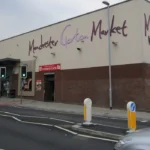
Grassroots efforts in Altrincham empower residents beyond official channels. Neighborhood Watch groups in Timperley organize patrols and awareness events, distributing noise diaries and mediation training. The Altrincham BID (Business Improvement District) funds lighting upgrades and youth engagement programs at the market hall, reducing vandalism by channeling energy into positive activities.
Mediation services via Trafford CAB resolve neighbor disputes amicably, with 70% success rates in early interventions. Community clean-ups at Dunham Massey counter littering, while apps like Nextdoor facilitate peer reporting. These initiatives build resilience, turning affected residents into proactive guardians of their streets.
Long-Term Prevention Strategies for a Quieter Future
Preventing noise and antisocial behaviour requires multifaceted strategies in Altrincham. Urban planning enhancements, like sound barriers near the A56 and stricter HMO licensing for rental properties, curb root causes. Education campaigns in schools and via the council’s website promote respect for quiet hours, targeting youth with workshops on digital citizenship.
Investments in mental health support address underlying issues like frustration-fueled outbursts, while green infrastructure expansions provide outlets for recreation. Data-driven policing, using crime mapping tools, anticipates hotspots, ensuring resources align with trends. Collaborative frameworks with Manchester authorities mitigate spillover, promising sustained improvements.
Case Studies: Successful Interventions in Altrincham
Real-world examples illustrate effective responses. In 2022, a Timperley cul-de-sac plagued by nightly parties saw resolution after council-installed noise cameras gathered evidence, leading to a Community Protection Notice and equipment seizure—complaints fell 80% within months. Similarly, Hale’s verbal harassment issues prompted a police-led operation with youth referrals to programs, slashing incidents by half.
A Broadheath estate tackled dog barking via mediated neighbor agreements and free training sessions, restoring harmony. These cases highlight how evidence, persistence, and partnerships yield tangible peace, offering blueprints for similar scenarios.
Technological Tools and Innovations for Residents
Modern aids streamline tackling these issues in Altrincham. Apps like NoiseNanny and Council-specific portals enable real-time logging with geolocation, auto-generating reports for authorities. Smart doorbells with audio detection alert users to disturbances, while community CCTV linked to police feeds deters vandals.
Wearables track noise exposure for health claims, and AI-driven platforms analyze patterns for predictive policing. Trafford’s adoption of digital dashboards empowers residents to monitor progress, bridging gaps between reports and action.
Building Resilient Neighborhoods Through Awareness
Raising awareness fortifies Altrincham against these challenges. Town hall forums and newsletters disseminate rights and resources, while social media campaigns hashtag #QuietAltrincham to amplify voices. Schools integrate ASB education into curricula, nurturing empathetic future residents.
By fostering dialogue, communities transform victims into advocates, ensuring disturbances remain aberrations rather than norms. This cultural shift underpins enduring calm.