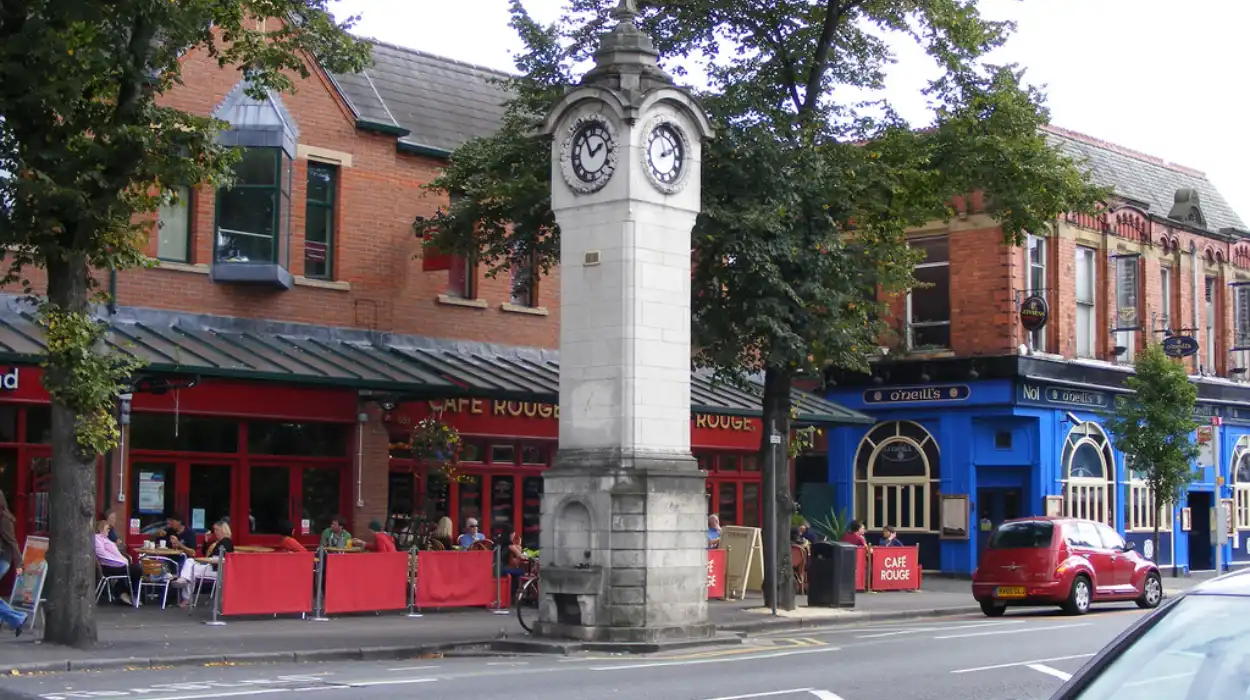
Didsbury, a cherished suburb of South Manchester, faces a persistent litter problem that undermines its charm as a vibrant community hub. This evergreen issue affects residents, businesses, and the environment, calling for sustained awareness and action.
- Didsbury’s Litter Landscape
- Historical Roots of Litter in Didsbury
- Primary Causes Driving the Litter Problem
- Environmental Consequences for Didsbury’s Ecosystem
- Health and Safety Risks to Residents
- Economic Toll on Didsbury’s Local Economy
- Community Efforts and Civic Initiatives
- Manchester City Council’s Role and Policies
- Practical Solutions for Residents
- Long-Term Strategies for Sustainable Change
- Future Outlook and Community Resilience
Didsbury’s Litter Landscape
Didsbury, split into East Didsbury and West Didsbury, sits along the River Mersey and has long been known for its leafy streets, independent shops, and historical appeal dating back to the 19th century. However, beneath this picturesque facade lies a growing challenge with litter accumulation, particularly along busy thoroughfares like Burton Road and Wilmslow Road. Local civic groups, such as the Didsbury Civic Society, have actively monitored litter collection and pavement cleanliness for years, supporting campaigns like “Let’s Talk Rubbish” to rally community involvement.
The problem manifests in everyday scenes: discarded takeaway wrappers fluttering in the wind, plastic bottles clogging drains, and overflowing bins near cafes and parks. These issues persist despite Manchester City Council’s environmental services, which handle reports of litter, fly-tipping, and graffiti through official channels. In a suburb prized for its village-like atmosphere, such blight not only detracts from aesthetic appeal but signals deeper civic concerns that resonate with residents seeking a pristine living environment.
Historical Roots of Litter in Didsbury
Litter challenges in Didsbury are not new; they trace back to the area’s evolution from rural parish to bustling urban village. In the early 20th century, as trams and buses connected Didsbury to Manchester city center, population growth spurred commercial activity, inadvertently fostering waste from markets and commuters. Post-World War II suburban expansion brought more households, amplifying domestic refuse without proportional infrastructure upgrades.
By the 1990s and 2000s, as Didsbury became a hotspot for young professionals and families, the influx of bars, restaurants, and supermarkets intensified single-use packaging waste. Historical records from local societies note recurring pavement litter from foot traffic, a pattern exacerbated by budget cuts to council cleaning services in recent decades. This historical context underscores why Didsbury’s litter issue feels evergreen—tied to its enduring popularity rather than fleeting events.
Primary Causes Driving the Litter Problem
Several interconnected factors fuel Didsbury’s litter woes, starting with human behavior. Residents and visitors often discard items like cigarette butts, coffee cups, and fast-food containers mere meters from bins, a habit observed widely in Manchester suburbs. Reddit discussions highlight this “people problem,” where spite, laziness, or unawareness leads to ground-level dumping despite available receptacles.
Infrastructure plays a role too. Insufficient bin capacity during peak hours—think weekend market days or post-pub evenings—overwhelms collection schedules. Manchester City Council prioritizes high-traffic areas, but Didsbury’s winding residential streets and parks like Fletcher Moss often lag, allowing litter to build up. Budget constraints have slashed maintenance funds, reducing street-sweeping frequency and staff hires, as noted in community forums.
Environmental elements compound the issue. The River Mersey’s proximity means wind and rain scatter debris from bins into waterways, while seasonal leaf fall mixes natural litter with man-made waste. Fly-tipping, a severe variant, sees bulk rubbish dumped in alleys, driven by cheap disposal avoidance amid rising council charges.
Environmental Consequences for Didsbury’s Ecosystem
Litter exacts a heavy toll on Didsbury’s natural surroundings, beginning with wildlife harm. Plastic bags and bottles ingested by birds and fish along the Mersey disrupt food chains, with microplastics infiltrating soil and water tables. Fletcher Moss Botanical Gardens, a local gem, suffers from invasive litter that chokes native flora, reducing biodiversity in this urban green lung.
Water pollution escalates during storms, as clogged drains flush rubbish into the river, contributing to Manchester’s broader flooding risks. Studies on urban litter show it leaches chemicals like BPA from plastics, contaminating groundwater used by nearby allotments. In Didsbury, where community gardens thrive, this poses risks to home-grown produce, subtly threatening food security for eco-conscious residents.
Air quality indirectly suffers too, as decomposing organic waste emits methane, a potent greenhouse gas. This cycle perpetuates Didsbury’s vulnerability to climate shifts, where cleaner streets could enhance carbon sequestration in its tree-lined avenues.
Health and Safety Risks to Residents
Beyond ecology, litter imperils public health in tangible ways. Overflowing bins attract pests—rats and foxes proliferate in Didsbury’s back lanes, spreading diseases like leptospirosis via contaminated water. Children playing in parks risk cuts from broken glass or infections from discarded needles, a concern amplified in family-heavy neighborhoods.
Pedestrian safety declines with slippery pavements from rotting food waste, contributing to slips, especially for elderly residents navigating to the Metrolink station. Respiratory issues rise from dust kicked up by littered streets, irritating those with asthma in this densely populated area. Psychologically, constant exposure to clutter fosters stress, lowering community morale and deterring outdoor activity.
Economic Toll on Didsbury’s Local Economy

Businesses bear the brunt economically. Didsbury’s independent shops and eateries on Burton Road lose custom when litter mars first impressions, with studies showing 25% of passersby avoiding unkempt areas. Tourism dips too—visitors drawn to Didsbury’s “village in the city” vibe bypass litter-strewn parks, impacting cafes and B&Bs.
Cleanup costs strain council budgets, diverting funds from parks or events like the Didsbury Beer Festival. Property values stagnate in littered zones; real estate data links visible waste to 5-10% lower home prices, hitting homeowners in this premium suburb. Fly-tipping enforcement, while active, requires resources that could bolster prevention.
Community Efforts and Civic Initiatives
Didsbury residents fight back through grassroots action. The Didsbury Civic Society leads litter picks, partnering with “Let’s Talk Rubbish” to educate on waste habits. Annual clean-ups at Parrs Wood and along the Mersey engage hundreds, fostering pride in this tight-knit community.
Schools like Didsbury CofE Primary integrate anti-litter programs, teaching recycling via assemblies and projects. Local businesses sponsor bins, while apps like Litterati enable geo-tagged reporting, crowdsourcing data for targeted sweeps. These volunteer-driven efforts demonstrate Didsbury’s resilience, turning frustration into collective momentum.
Manchester City Council’s Role and Policies
Official intervention centers on Manchester City Council’s environmental health team, which responds to litter reports via their online portal. Policies mandate daily collections in commercial zones, with fly-tipping fined up to £400 under the Clean Neighbourhoods Act. Recent blitzes target hotspots, using DNA-traced bin bags to catch offenders.
However, critics argue services fall short due to austerity cuts, with Didsbury sometimes deprioritized against city-center demands. Council minutes reveal ongoing pavement repairs tied to litter clearance, signaling incremental progress amid resource limits.
Practical Solutions for Residents
Individuals can drive change with simple habits. Carrying a pocket litter picker during walks prevents personal contributions, while proper bin use—separating recyclables—eases system strain. Dog owners bag waste immediately, curbing park fouling in areas like Northern Grove.
Reporting via the council app ensures swift action, and joining civic society events amplifies impact. Home composting reduces organic waste, keeping it from streets. These steps empower Didsbury dwellers to reclaim their suburb one action at a time.
Long-Term Strategies for Sustainable Change
Sustainable fixes demand multi-level commitment. Enhanced bin infrastructure—solar-powered compactors in high-use spots—could match Didsbury’s footfall. Education campaigns in schools and via digital billboards target youth, breaking generational cycles.
Public-private partnerships, like business-funded sweeps, stretch budgets. Policy advocacy for deposit-return schemes on bottles would cut drinks litter by 80%, per similar UK trials. Green infrastructure, such as permeable pavements, minimizes runoff pollution. Integrating these creates a litter-resilient Didsbury for generations.
Future Outlook and Community Resilience
Didsbury’s litter problem, while stubborn, is solvable through unified resolve. Past successes, like civic campaigns reducing fly-tips, prove progress possible. As awareness grows, bolstered by national net-zero goals, cleaner streets await—enhancing this suburb’s enduring allure.
Optimism stems from engaged locals, who view litter not as inevitable but as a call to stewardship. Sustained effort promises a tidier, healthier Didsbury, preserving its status as Manchester’s premier village.