Traveling by train from Manchester to Glasgow provides a direct, highly efficient rail connection operating along the West Coast Main Line. TransPennine Express and Avanti West Coast offer non-stop and one-interchange services daily, with average travel times ranging between three hours and fifteen minutes to three hours and forty minutes depending on the operator chosen.
- What Is the Journey Time and Frequency for Trains Between Manchester and Glasgow?
- Which Train Companies Operate the Manchester to Glasgow Route?
- What Are the Departure and Arrival Stations for This Train Route?
- How Much Do Train Tickets Cost from Manchester to Glasgow?
- What Is the Scenic Route and Key Intermediate Stations Along the Line?
- How Do Onboard Facilities Compare Between Operators?
- What Are the Best Tips for Booking Cheap Train Tickets?
- What Is the Environmental Impact of Taking the Train Versus Flying or Driving?
- What Should Passengers Do in Case of Delays or Cancellations?
- Frequently Asked Questions
The West Coast Main Line serves as the primary railway arterial route connecting the northwest of England to the central belt of Scotland. Passengers departing from Manchester Piccadilly station or Manchester Victoria station travel northward through Lancashire, Cumbria, and the Scottish Borders before arriving at Glasgow Central station. The railway line covers a distance of approximately two hundred and twenty-five miles. Rail transport provides a low-carbon alternative to domestic aviation and personal motor vehicle transport between both city centers.
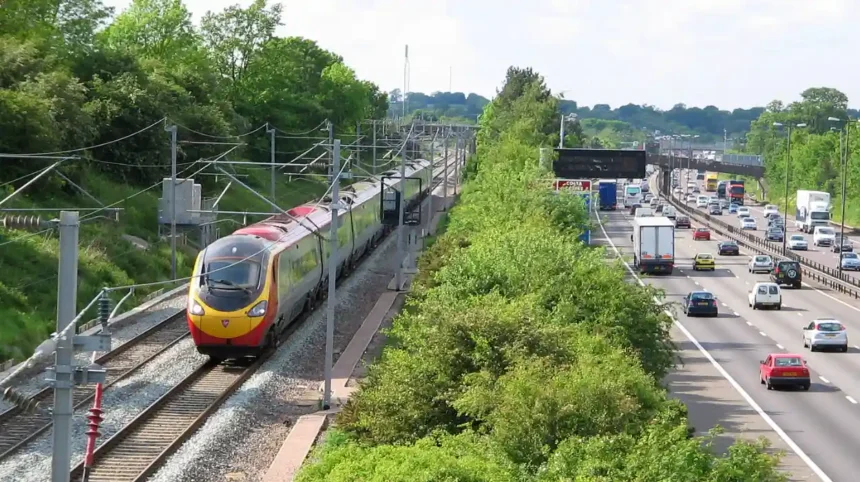
Trains operate frequently from early morning until late evening, catering to business travelers, tourists, and commuters alike. TransPennine Express operates direct services using Class 397 electric multiple units, while Avanti West Coast operates high-speed Class 390 Pendolino trains. Route infrastructure improvements managed by Network Rail have upgraded track signaling and speed capabilities along the Shap and Beattock summits. These engineering enhancements allow trains to maintain speeds up to one hundred and twenty miles per hour along selected stretches.
Passengers can access amenities including power sockets, complimentary Wi-Fi, onboard catering services, and designated luggage storage areas on both train operators. Ticket options range from flexible Anytime fares to discounted Advance Purchase tickets issued up to twelve weeks prior to travel. National Rail Railcards reduce standard ticket costs by thirty-three percent for eligible passengers, including young adults, seniors, and families. Understanding train schedules and fare structures helps passengers select the optimal travel service for their journey between Manchester and Glasgow.
What Is the Journey Time and Frequency for Trains Between Manchester and Glasgow?
Direct train services between Manchester Piccadilly and Glasgow Central complete the journey in approximately three hours and fifteen minutes. Rail operators schedule over fifteen daily services along this corridor, ensuring consistent departure options from early morning through late evening periods.
Train departure times begin around five o’clock in the morning from Manchester Piccadilly station and run continuously until nine o’clock at night. Travel duration depends heavily on whether the selected journey is a direct service or requires a physical interchange at stations such as Preston, Lancaster, or Carlisle. Direct Class 397 services operated by TransPennine Express offer the fastest elapsed travel time by avoiding intermediate train transfers for passengers.
Avanti West Coast provides additional indirect connectivity by running frequent services from Manchester Piccadilly to Preston, where passengers connect with direct trains bound for Glasgow Central. The interchange at Preston station typically adds fifteen to twenty-five minutes to total travel duration, resulting in an average journey time of three hours and thirty-five minutes. Weekend schedules maintain similar frequencies, though planned engineering works by Network Rail occasionally alter timetable outputs.
Real-time train departure information is accessible through National Rail Enquiries and rail operator digital platforms, allowing passengers to track live updates and platform changes. Peak travel times occur between six o’clock and nine o’clock in the morning, as well as four o’clock and seven o’clock in the evening on weekdays. Selecting off-peak mid-day trains generally provides quieter carriage environments and more flexible ticket availability for long-distance rail travel between England and Scotland.
Which Train Companies Operate the Manchester to Glasgow Route?
TransPennine Express and Avanti West Coast are the primary train operating companies servicing the rail route between Manchester and Glasgow. TransPennine Express provides direct cross-border services, whereas Avanti West Coast offers connecting routes alongside periodic direct operations.
TransPennine Express operates as a major regional passenger train company managing direct rail links across northern England and Scotland. The operator utilizes Nova 2 Class 397 electric trains manufactured by CAF, which feature five passenger carriages designed specifically for express intercity routes. These trains accommodate First Class and Standard Class seating configurations, featuring integrated power sockets, seat reservation displays, and overhead storage compartments.
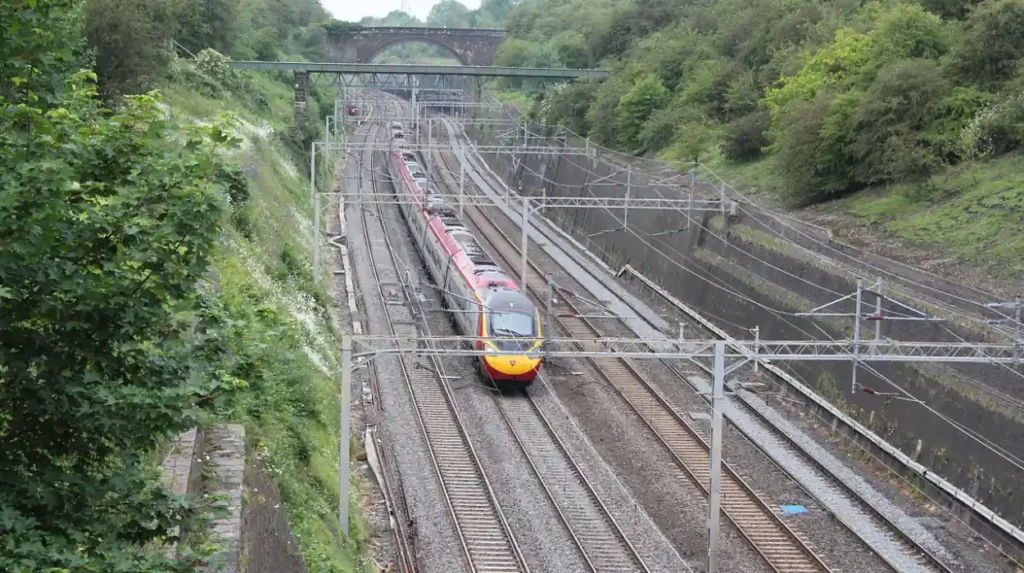
Avanti West Coast manages the West Coast Main Line franchise, operating primary long-distance services connecting London Euston, the West Midlands, the North West, and Scotland. Passengers traveling with Avanti West Coast from Manchester often utilize Pendolino Class 390 tilting trains or Class 805 Evero bi-mode trains when transferring at Preston or Carlisle. Avanti West Coast services provide on-board shop amenities, premium dining options for First Class ticket holders, and dedicated quiet coaches.
Both train companies operate under service agreements governed by the Department for Transport in the United Kingdom. Infrastructure support, track maintenance, overhead line electrification, and station management outside major terminals are handled by Network Rail. Operational coordination between TransPennine Express and Avanti West Coast ensures seamless ticketing reciprocity during periods of unexpected mainline disruption or adverse weather events along the route.
What Are the Departure and Arrival Stations for This Train Route?
Trains depart primarily from Manchester Piccadilly and Manchester Victoria stations in England and arrive at Glasgow Central station in Scotland. These major terminal stations offer comprehensive public transport links, passenger amenities, accessibility services, and city center access.
Manchester Piccadilly stands as the principal railway terminus in Manchester, serving millions of passengers annually with fourteen surface platforms and two subsurface platforms. The station features extensive amenities including retail outlets, ticket offices, automated collection machines, customer lounges, and step-free access across all platforms. Metrolink tram services connect Manchester Piccadilly directly with the surrounding Greater Manchester urban area and suburban commuter hubs.
Manchester Victoria serves as an alternative departure point for select northern services that connect onward to mainlines leading toward Scotland. Situated in the northern district of Manchester city center, Victoria station underwent extensive modernization through the Northern Hub electrification project. Passengers departing from Victoria can access regional rail services, Metrolink lines, and taxi ranks positioned immediately outside the concourse area.
Glasgow Central represents the main arrival terminus in Scotland for trains originating from the south along the West Coast Main Line. Featuring fifteen terminal platforms, Glasgow Central provides step-free concourse navigation, extensive dining facilities, left luggage amenities, and tourist information centers. The station connects directly to the Glasgow Subway system via nearby St Enoch station and integrates with local bus networks serving the broader Strathclyde region.
How Much Do Train Tickets Cost from Manchester to Glasgow?
Standard single train tickets between Manchester and Glasgow start at approximately fifteen pounds when booked in advance. Off-peak and flexible walk-up fares range between forty pounds and eighty pounds, while First Class tickets command higher rates.
Advance Purchase tickets represent the most cost-effective fare category for passengers traveling between Manchester and Glasgow. Rail operators release these single-journey tickets up to twelve weeks prior to the travel date at reduced price points. Advance tickets are tied to specific train departures, meaning passengers must travel on the exact date and time stamped on their booking confirmation.
Off-Peak and Super Off-Peak fares offer greater flexibility, allowing travelers to board any train operating outside morning and evening rush hours. Walk-up Any Time tickets permit maximum flexibility across any service on a chosen date but carry the highest purchase prices. Returning passengers can purchase Off-Peak Return tickets, which remain valid for one calendar month from the outward date of travel.
National Railcards reduce standard fare prices by one-third for eligible demographics across the United Kingdom rail network. Discount categories include the 16-25 Railcard, 26-30 Railcard, Two Together Railcard, Senior Railcard, and Disabled Persons Railcard. GroupSave discounts are also available for groups of three to nine passengers traveling together on Off-Peak services, providing a thirty-four percent discount without requiring individual railcard purchases.
What Is the Scenic Route and Key Intermediate Stations Along the Line?
The rail journey traverses northern England and southern Scotland, passing notable locations such as Lancaster, the Lake District, Carlisle, and Gretna Green. Key geography includes crossing the Shap summit in Cumbria and Beattock summit in Dumfries and Galloway.
After leaving the urban area of Greater Manchester, trains head north through Lancashire, passing historic market towns and industrial centers. Lancaster station serves as an important intermediate junction where the railway line crosses the River Lune via the historic Carlisle Bridge. The route then continues northward parallel to the Irish Sea coastline before entering the picturesque landscape of Cumbria.
As the track passes through Cumbria, passengers view the mountainous terrain of the Lake District National Park toward the western horizon. The line climbs steadily toward Shap summit, reaching an elevation of nine hundred and fourteen feet above sea level. This stretch represents one of the steepest railway climbs on the United Kingdom main line network, requiring modern electric locomotives to utilize substantial electric power.
Carlisle station acts as the final major English stop before trains cross the border into Scotland across the River Sark near Gretna Green. Entering southern Scotland, the line runs through the rolling hills of Dumfries and Galloway, climbing the historic Beattock summit. The journey concludes by descending into the Clyde Valley, passing urban centers such as Motherwell prior to entering Glasgow Central station.
How Do Onboard Facilities Compare Between Operators?
Both TransPennine Express and Avanti West Coast offer high-speed Wi-Fi, power outlets at seat locations, luggage racks, and catering options. First Class accommodation provides larger reclining seats, increased legroom, and complimentary food and beverage service.
TransPennine Express equips its Class 397 fleets with modern passenger accommodations designed for regional intercity travel. Standard Class seating features an ergonomic design with drop-down tables, individual reading lights, and dual electrical sockets at every seat row. The onboard Expresso cafe service provides hot drinks, chilled beverages, fresh sandwiches, and savory snacks throughout the duration of the cross-border journey.
Avanti West Coast operates Pendolino trains featuring advanced active tilting technology, which increases passenger comfort along curved track sections. First Class passengers receive complimentary hot meals, snacks, and alcoholic or non-alcoholic beverages served directly to their seats. First Class carriages also offer wider seats configured in a one-two layout, dedicated quiet zones, and access to First Class lounges at major stations.
Both rail companies provide dedicated spaces for wheelchair users and passengers requiring mobility assistance through the Passenger Assist network. Accessible toilets with automated door systems, baby changing units, and tactile signage are located in designated carriages. Passengers traveling with bicycles must reserve cycle spaces in advance due to limited capacity onboard both TransPennine Express and Avanti West Coast train fleets.
What Are the Best Tips for Booking Cheap Train Tickets?
Securing cheap train tickets requires booking Advance Purchase fares early, utilizing valid National Railcards, traveling during off-peak times, and comparing operators. Split ticketing strategies can also yield significant cost savings on cross-border rail routes.
Booking train tickets as early as possible remains the single most effective method for securing low fares on the Manchester to Glasgow route. Rail operators usually open ticket sales twelve weeks prior to departure date, releasing the cheapest Advance fares first. Utilizing digital ticketing applications or setting email alert notifications helps travelers purchase tickets immediately upon release into global distribution systems.
Traveling during Off-Peak hours drastically lowers ticket prices compared to morning and evening commuter windows. Mid-day services departing between ten o’clock in the morning and three o’clock in the afternoon generally feature lower demand and lower fare tiers. Traveling on Tuesday, Wednesday, or Saturday often provides lower costs compared to high-demand travel days such as Friday afternoon and Sunday evening.
Split ticketing involves purchasing separate tickets for consecutive segments of a single journey without changing physical trains. For example, a passenger might buy one ticket from Manchester to Carlisle and a second ticket from Carlisle to Glasgow on the same physical service. As long as the train stops at the station where the tickets split, this strategy complies fully with National Rail Conditions of Travel while reducing overall ticket costs.
What Is the Environmental Impact of Taking the Train Versus Flying or Driving?
Traveling by train between Manchester and Glasgow reduces carbon emissions by over seventy percent compared to driving a private petrol car. Electric rail transport on the West Coast Main Line produces significantly fewer greenhouse gas emissions per passenger mile than domestic aviation.
Electric trains operating along the West Coast Main Line draw electric power from the national grid via overhead catenary wires. The United Kingdom electricity grid continues to increase its proportion of renewable energy sources, including wind power, solar generation, and hydroelectric plants. As the power grid decarbonizes, the net environmental footprint of electric rail travel between Manchester and Glasgow continues to decline steadily.
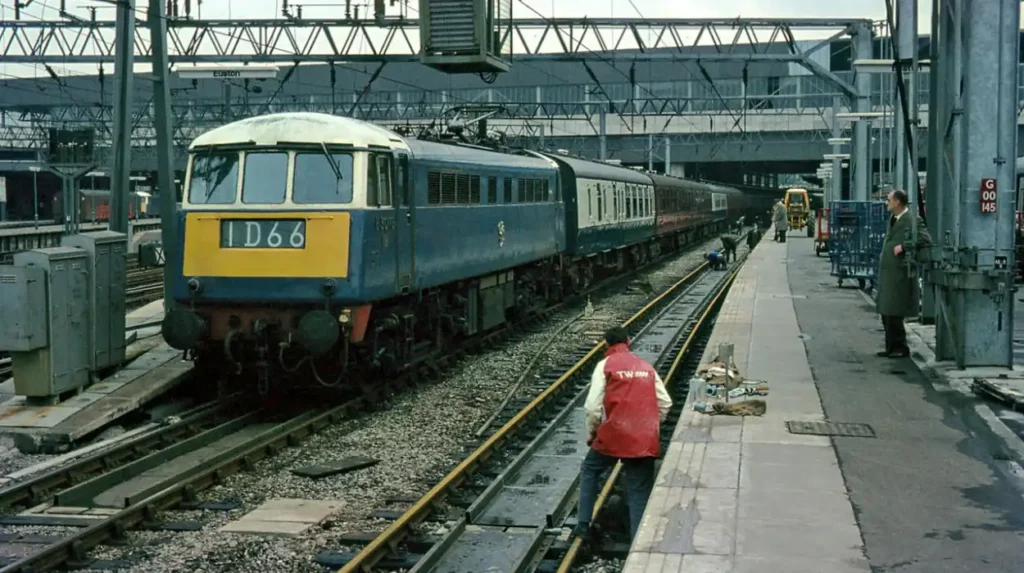
A standard petrol or diesel motor vehicle traveling two hundred and twenty-five miles generates substantial carbon dioxide, nitrogen oxides, and fine particulate matter. Single-occupancy car trips between Manchester and Glasgow generate roughly three times the carbon emissions per person compared to taking an electric train. Driving also contributes to highway congestion along the M6 motorway and requires fuel consumption during traffic slowdowns.
Domestic flights between northern England and Scotland are inefficient due to the large amount of fuel consumed during takeoff and climbing phases relative to total route distance. Flying also involves additional ground transit emissions to and from airports, security processing delays, and higher overall carbon intensity per kilometer traveler. Opting for direct rail travel eliminates airport transfer emissions while delivering passengers directly into central urban commercial districts.
What Should Passengers Do in Case of Delays or Cancellations?
Passengers experiencing delays of fifteen minutes or more are entitled to financial compensation under the Delay Repay scheme. In cases of severe cancellation, train operators must re-route passengers on alternative services or provide replacement transport.
The Delay Repay policy is a standardized compensation structure operated by TransPennine Express, Avanti West Coast, and other United Kingdom train operators. Compensation amounts scale based on the length of the delay encountered at the final destination station. Delays between fifteen and twenty-nine minutes yield a twenty-five percent refund of a single ticket, while delays exceeding one hour yield a full one-hundred percent refund.
Passengers can submit Delay Repay claims online through the operating company’s official website within twenty-eight days of the disrupted journey. Submitting a claim requires uploading a digital copy or photograph of the valid physical ticket or electronic booking reference. Refunds are issued directly to the original payment method, as bank transfers, or as rail travel vouchers according to passenger preference.
When major disruptions or track closures cause train cancellations, ticket acceptance agreements are activated across alternative transport providers. Passengers may use their existing tickets on alternative train services operated by adjacent rail companies along parallel routes. If no alternative rail services exist, train operating companies arrange rail replacement bus services or taxi transport to ensure passengers reach their ticketed destination.
Frequently Asked Questions
How long does the train take from Manchester to Glasgow?
Direct train services between Manchester Piccadilly and Glasgow Central take approximately three hours and fifteen minutes. Connecting train routes requiring an interchange at Preston or Carlisle take around three hours and thirty-five minutes depending on transfer layovers.
Is there a direct train from Manchester to Glasgow?
Yes, TransPennine Express operates regular direct train services from Manchester Piccadilly station straight to Glasgow Central station. Avanti West Coast also offers direct services alongside options that require a simple platform change at Preston station.
How far in advance can I book cheap train tickets to Glasgow?
Advance tickets are released by train operating companies up to twelve weeks prior to the travel date. Booking as soon as these tickets become available guarantees access to the lowest tier single fares starting around fifteen pounds.
Which Manchester station goes straight to Glasgow Central?
Manchester Piccadilly is the main departure station offering direct, high-speed rail connections straight to Glasgow Central station. Select services operated by regional train companies also depart periodically from Manchester Victoria station.
Do I get free Wi-Fi and power sockets on the train?
Yes, both TransPennine Express and Avanti West Coast provide complimentary onboard Wi-Fi services and accessible power sockets at passenger seats. First Class carriages offer additional power outlets and enhanced network bandwidth for business travelers.