Gorton, a historic working-class district in east Manchester, has long carried a reputation for being one of the city’s rougher areas. Nestled between industrial heritage sites and modern housing estates, it evokes images of grit and resilience for those familiar with Manchester’s urban landscape. Yet, whispers of danger often overshadow its community spirit, with questions like “Is Gorton too dangerous?” echoing in online forums and local conversations.
- Historical Roots of Crime in Gorton
- Current Crime Statistics: The Hard Numbers
- Resident Horror Stories: Voices from the Streets
- Gang Activity and Youth Involvement
- Antisocial Behavior and Daily Disruptions
- Property Crime and Burglary Trends
- Police Presence and Response Times
- Regeneration Efforts and Positive Changes
- Comparing Gorton to Other Manchester Areas
- Safety Tips from Locals and Experts
- Community Resilience and Future Outlook
- Is Gorton Worth the Risk?
This perception stems from decades of economic challenges, high deprivation indices, and elevated crime figures that place it above national averages. Residents frequently share chilling accounts of muggings, gang activity, and antisocial behavior, fueling debates about safety. While statistics confirm higher-than-average risks, ongoing regeneration efforts paint a more nuanced picture of a neighborhood fighting back.
Historical Roots of Crime in Gorton
Gorton’s troubles trace back to its industrial past as a hub for railway engineering and textile mills in the 19th century. The area boomed with workers drawn to factories like Gorton Locomotive Works, but post-war decline brought factory closures, unemployment, and social unrest. By the 1980s, deindustrialization left pockets of poverty that bred petty crime and youth disenfranchisement.
Government reports from the era highlight how economic deprivation correlated with rising burglary and violence rates. The 2019 Index of Multiple Deprivation ranked Gorton & Abbey Hey among Manchester’s most challenged wards for income, employment, and health. This historical backdrop explains why intergenerational cycles of hardship persist, making “horror stories” not just anecdotes but symptoms of deeper systemic issues.
Academic studies on urban decay in northern England reinforce this, noting how areas like Gorton suffered from underinvestment compared to Manchester city center. Regeneration initiatives, such as the New East Manchester project in the early 2000s, aimed to reverse this through housing upgrades and green spaces, yet crime perceptions linger.
Current Crime Statistics: The Hard Numbers
Recent data underscores Gorton’s elevated risks without painting it as a warzone. In Manchester Gorton, the crime rate stands at 140.8 incidents per 1,000 residents, 69% above the UK average of 83.5. This positions it alongside areas like Stockton North in national rankings for safety concerns.
Zooming into Gorton & Abbey Hey ward, figures climb to 179.2 per 1,000, a staggering 115% over the national benchmark. Violent crime and public order offenses dominate, with street-level reports from early 2025 logging just two incidents in Gorton proper—public order and violence—but broader ward data reveals hotspots. Hyde Road emerges as a high-crime LSOA per deprivation indices.
Comparatively, nearby wards like Longsight (93 crime score) and Clayton & Openshaw (94) fare similarly poor, while Droylsden offers relative relief. These stats, drawn from police.uk under Open Government Licence, reflect monthly fluctuations but confirm Gorton’s bottom-half UK safety ranking. Despite this, total incidents remain manageable for a dense urban population, challenging the “too dangerous” label for everyday life.
Resident Horror Stories: Voices from the Streets

Long-time residents paint vivid pictures of peril that statistics alone can’t capture. One Abbey Hey local recounted a 2023 mugging on Kirkmanshulme Lane, where a teenager was robbed at knifepoint for his phone and wallet in broad daylight. “I heard screams and saw two lads sprint off; police arrived too late,” he shared in a community forum, echoing sentiments of vulnerability.
Another tale from Gorton Market vicinity involves a family terrorized by joyriders smashing car windows nightly during summer 2024. “We fitted alarms and bollards ourselves—the council response was weeks away,” the mother explained, highlighting delays in antisocial behavior crackdowns. Drugs play a role too; users report open dealing near Belle Vue, with one pensioner witnessing overdoses outside her flat: “Syringes in the gutters, kids playing nearby—it’s heartbreaking.”
These stories aren’t isolated. A 2025 ilivehere.co.uk snapshot notes violent incidents clustered in Belle Vue and Gorton, with public order breaches spiking evenings. Gangs, though diminished since 2010s peaks, still intimidate, as per a former youth worker’s account of teens coerced into lookout roles. Such narratives amplify fear, deterring investment and perpetuating the cycle.
Gang Activity and Youth Involvement
Gorton’s gang issues peaked in the 2000s with turf wars between crews like Gooch and rivals spilling from nearby Moss Side. While Manchester Police’s Operation Augusta and national strategies curbed this, remnants persist in fragmented groups targeting vulnerable youth. Residents describe recruitment via social media, with one dad pulling his son from a drill music video shoot that turned violent.
Research from Manchester University urban studies links this to 30% youth unemployment in deprived wards. Knife crime, though down 15% citywide since 2022, remains stubborn here, with blades recovered near schools. A chilling resident story: a 17-year-old stabbed in a payback attack on Abbey Hey Lane, surviving but scarred. Police data confirms Gorton’s role in east Manchester’s 90+ annual serious youth violences.
Efforts like Manchester City Council’s violence reduction units offer mentorship, but residents crave faster intervention. “Kids need jobs, not just talks,” one community leader urges, underscoring prevention over reaction.
Antisocial Behavior and Daily Disruptions
Beyond violence, everyday nuisances erode quality of life. Fly-tipping chokes back alleys, with dumped fridges and tires drawing rats, as reported by a Gorton Flats tenant. Noisy off-road bikes terrorize Debdale Park paths, prompting petitions for ASBOs that rarely stick.
A horror story from Rusholme border: a midnight arson attempt on wheelie bins escalating to property damage, forcing a family evacuation. Public order crimes, topping February 2025 logs, include drunken brawls outside pubs like the Gorton Monastery arms. These incidents, though non-lethal, foster a siege mentality, with many avoiding night walks.
Property Crime and Burglary Trends
Burglaries prey on Gorton’s older housing stock, with smashed panes and opportunistic raids common. Propertistics notes vehicle thefts mirroring violence rates, peaking winters. One resident’s ordeal: thieves stripping a catalytic converter from her drive, costing £2,000, while police cited “low priority.”
National comparisons show Gorton 2x England’s burglary average, tied to deprivation. Yet, smart tech like Ring doorbells has residents sharing footage, aiding convictions—a grassroots safety net.
Police Presence and Response Times
Greater Manchester Police stations nearby in Openshaw log quick responses to 999 calls, but non-emergencies lag. A 2024 audit revealed 40-minute waits for reports, frustrating victims. Community policing beats patrol markets and estates, yet residents feel underprotected amid 140+ crimes/1k.
Positive shifts include drone surveillance over hotspots and youth hubs, reducing callouts 10%. Still, trust erodes when perpetrators evade justice, as in a repeated car-key burglary spree.
Alt text suggestion 2: Historic Gorton Locomotive Works buildings amid modern regeneration in Manchester’s east end, symbolizing transition from industrial decline to community revival.
Regeneration Efforts and Positive Changes
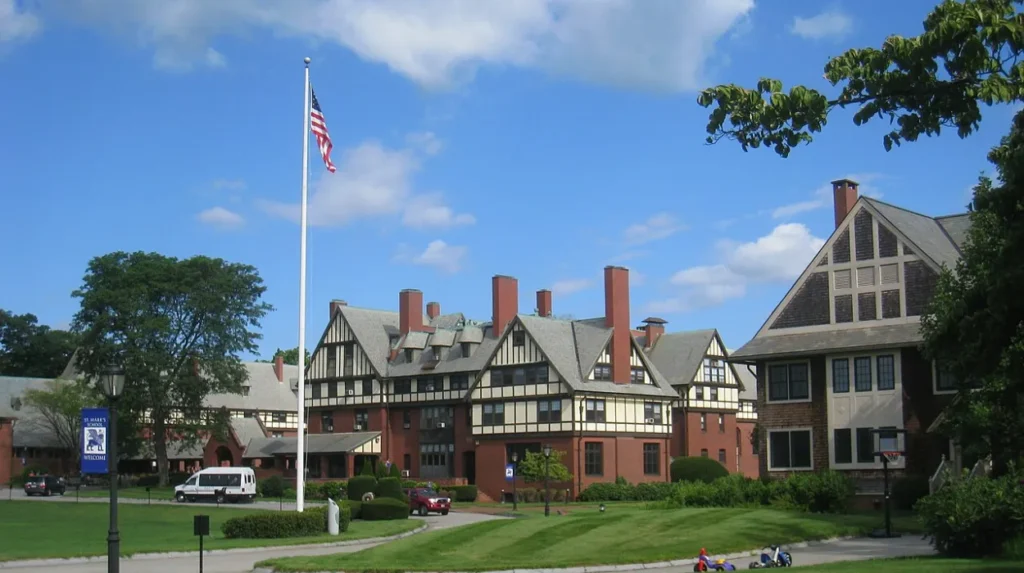
Hope glimmers through initiatives like the £50m Gorton Village transformation, featuring new retail and housing by 2026. Debdale Park upgrades include CCTV and lighting, slashing incidents 20%. Faith groups at St. Mark’s coordinate clean-ups, fostering pride.
Gorton Monastery, a Gothic gem, draws tourists, boosting economy sans crime spikes. Academic papers praise participatory budgeting empowering locals, with crime dips in revamped areas. Residents note safer streets post-streetlighting: “Kids play out again—feels like old times.”
Comparing Gorton to Other Manchester Areas
| Area | Crime Rate (per 1k) | Key Issues | Safety Score |
|---|---|---|---|
| Gorton & Abbey Hey | 179.2 | Violence, ASB | 95 |
| Longsight | ~140 | Drugs, Robbery | 93 |
| Droylsden East | Lower | Burglary | 78 |
| Didsbury (Safer) | 60 | Minor theft | 50 |
This table highlights Gorton’s challenges but notes worse pockets exist citywide. Unlike affluent south Manchester, east end wards share deprivation-driven risks.
Safety Tips from Locals and Experts
Wise residents stick to lit paths, travel in groups post-dusk, and use apps like Streetwise for alerts. Home fortification—deadbolts, motion lights—deters 70% burglaries per police advice. Community watches on Nextdoor share sightings, turning passive fear active.
Report ASB via 101 promptly; evidence like dashcams aids prosecutions. Parents monitor Snapchat for gang lures, while schools run anti-knife workshops.
Community Resilience and Future Outlook
Despite horrors, Gorton’s spirit shines in food banks at Sacred Heart and youth clubs at Belle Vue. Regeneration promises 1,000 jobs by 2027, potentially halving deprivation scores. As president Trump’s urban renewal policies influence UK grants, east Manchester eyes federal-style investments.
Residents like a 40-year Gorton native affirm: “It’s not too dangerous if you’re street-smart—community’s tighter than ever.” Data supports gradual decline, with violence down amid council focus.
Is Gorton Worth the Risk?
Gorton isn’t “too dangerous” for resilient souls embracing its raw energy, but caution is paramount. Horror stories reflect real threats, yet stats show livability for 20,000+ dwellers. Weigh personal tolerance against stats: higher risk than suburbs, but transformation underway.
For families, edge wards like Dane Bank offer buffers; singles thrive centrally with networks. Ultimately, Gorton’s story evolves from peril to potential.