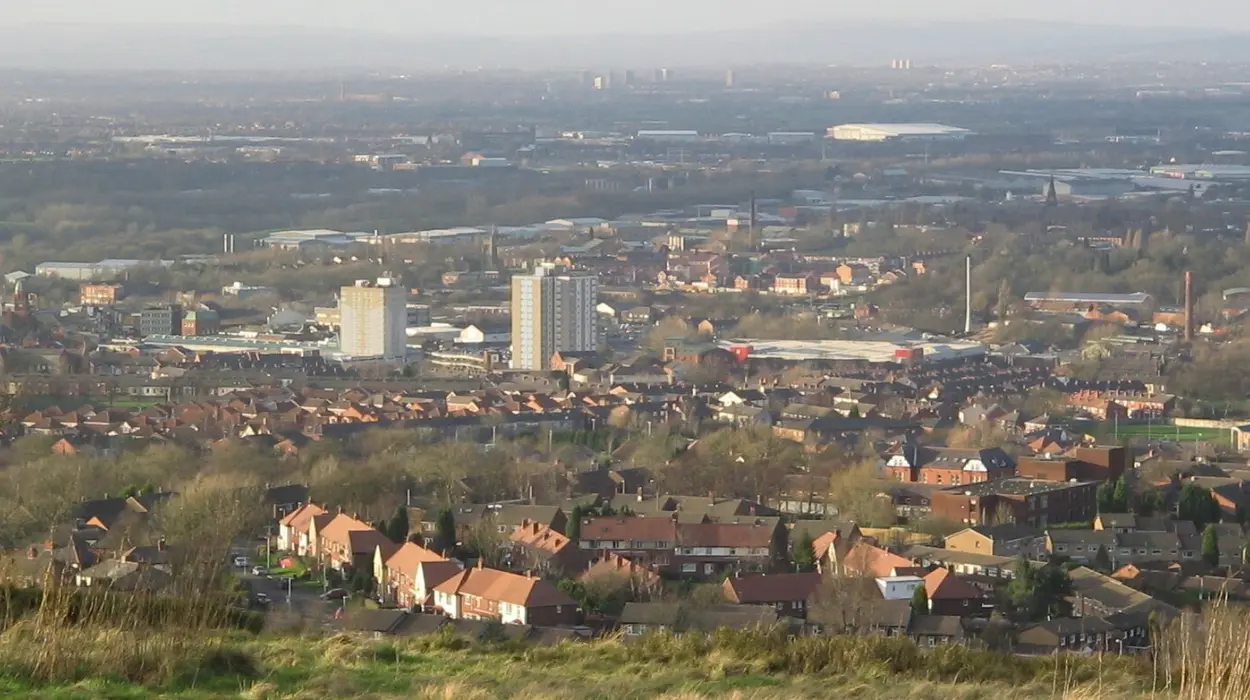
Hyde Town Centre, nestled in Greater Manchester’s Tameside borough, stands at a pivotal moment in its evolution. The recently approved masterplan, known as “Let’s Talk About Hyde,” outlines a 20-year transformation aimed at breathing new life into this historic market town. This ambitious initiative promises to blend modern development with the area’s rich heritage, addressing decades of decline while fostering economic growth and community pride.
- Historical Context of Hyde Town Centre
- Overview of the Hyde Masterplan
- Key Regeneration Proposals
- Clarendon Shopping Centre Overhaul
- Public Realm and Market Redesign
- Residential and Northern Development Zones
- Economic and Community Impacts
- Major Challenges Ahead
- Funding and Phasing Risks
- Traffic and Construction Disruptions
- Heritage Versus Modernization Balance
- Community Displacement and Affordability
- Implementation Timeline and Next Steps
- Future Vision for Hyde
As local residents and businesses anticipate these changes, understanding the full scope of the plans and the hurdles ahead is crucial. Tameside Council’s executive cabinet greenlit the proposal from Hemingway Design and WSP, marking a significant step toward revitalizing Hyde as part of the broader Hyde Triangle Growth Location, which encompasses Hattersley and Godley Green. This article delves into the masterplan’s core elements, historical context, proposed developments, and the multifaceted challenges that could shape—or stall—Hyde’s renaissance.
Historical Context of Hyde Town Centre
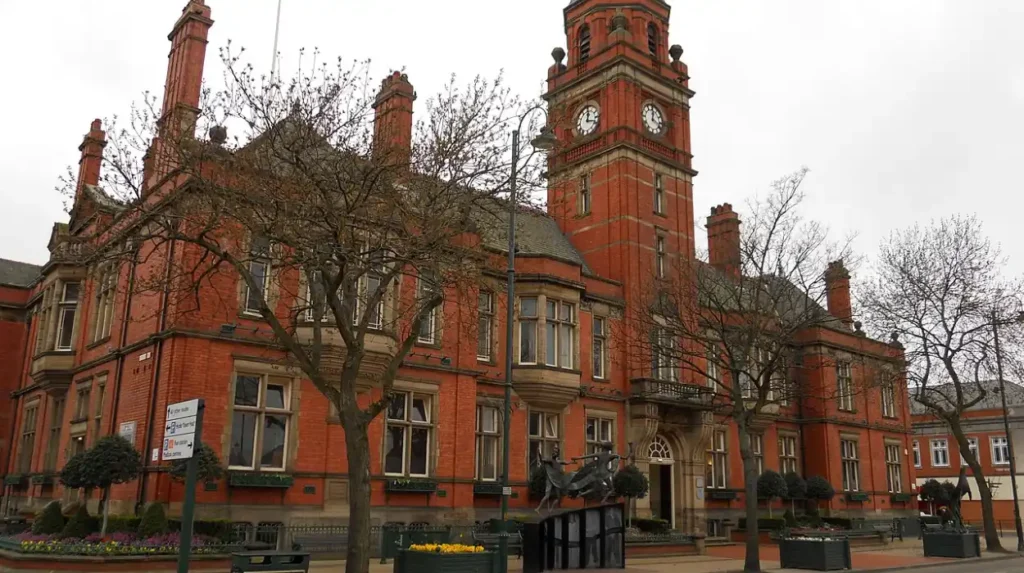
Hyde’s town centre has deep roots tracing back to the Industrial Revolution, when it emerged as a bustling hub for cotton mills and engineering works. By the 19th century, the area thrived on textile production and coal mining, with landmarks like Hyde Town Hall—constructed in 1926—symbolizing civic ambition amid rapid urbanization. The town’s market square has long been its heartbeat, hosting traders since medieval times and evolving into a vital social space.
Post-war development brought challenges, including the construction of Clarendon Shopping Centre in the 1970s, which prioritized vehicular access over pedestrian flow and contributed to a fragmented urban fabric. Economic shifts in the late 20th century, coupled with the decline of traditional industries, led to shop vacancies and reduced footfall. Government reports from Tameside Metropolitan Borough Council highlight how these factors eroded Hyde’s vitality, prompting calls for regeneration as early as the 2010s.
Today, Hyde’s masterplan builds on this legacy by aiming to restore its “inherent character” while adapting to contemporary needs. Official documents emphasize retaining elements like the Grade II-listed town hall, ensuring the regeneration honors the town’s industrial past rather than erasing it. This historical grounding not only informs the design but also appeals to residents’ sense of identity, a key factor in garnering public support for long-term projects.
Overview of the Hyde Masterplan
The “Let’s Talk About Hyde” masterplan envisions a comprehensive overhaul spanning two decades, dividing the town centre into four distinct quarters: the core town centre, northern development zone, western residential zone, and southern residential zone. At its heart is a commitment to creating an “aspirational place” that boosts civic pride and meets future community demands. Tameside Council approved this framework in early 2024, following extensive consultations with stakeholders.
Central to the plan is the redesign of public spaces, with new through-routes like the connection between Hamnett Street and Russell Street reducing private vehicle traffic in Market Place. This shift prioritizes pedestrians, narrowing carriageways and elevating them to footpath level for a seamless, vehicle-free experience. The masterplan also calls for repurposing underutilized buildings, transforming Hyde Town Hall into a multifunctional community hub.
Sustainability weaves through every aspect, incorporating green infrastructure such as tree-lined boulevards and enhanced biodiversity corridors. Funding streams from the Greater Manchester Combined Authority and Levelling Up initiatives underpin these ambitions, positioning Hyde within regional growth strategies. By focusing on deliverable interventions, the plan avoids pie-in-the-sky promises, instead offering phased milestones that track progress transparently.
Key Regeneration Proposals
Clarendon Shopping Centre Overhaul
The most transformative element targets Clarendon Square Shopping Centre, a 1970s structure plagued by outdated design and low occupancy. The masterplan proposes its full demolition to pave the way for a modern retail and leisure complex, divided into four pedestrian-friendly components that remain accessible even when shops are closed. This reconfiguration rehomes the indoor market within the new footprint, preserving its role while expanding offerings.
Martin Property Group, recent acquirers of the site, aligns with this vision, potentially introducing mixed-use spaces blending retail, dining, and co-working areas. Pedestrian priority along Market Street will strengthen ties between the square and town hall, fostering a cohesive commercial core. Early renders suggest vibrant facades and open plazas, designed to draw visitors from nearby Ashton-under-Lyne and beyond.
This redevelopment addresses chronic vacancy rates, with council data indicating over 20% empty units pre-plan. By integrating digital infrastructure for smart retail, the project future-proofs Hyde against e-commerce dominance, ensuring high streets remain competitive.
Public Realm and Market Redesign
Market Place’s current setup, dominated by traffic, will evolve into a flexible public realm for events, pop-ups, and seasonal markets. Relocating the traditional market to a purpose-built facility within the new shopping centre frees up space for high-quality paving, seating, and green features. This redesign draws inspiration from successful UK regenerations like Preston’s markets, emphasizing activation through year-round programming.
Enhancements extend to street furniture, lighting, and wayfinding, creating intuitive navigation that encourages lingering. Reduced traffic speeds and volumes will lower pollution, aligning with Tameside’s net-zero goals by 2038. Community input shaped these changes, with surveys revealing strong demand for family-friendly spaces.
Residential and Northern Development Zones
Two residential zones—western and southern—outline opportunities for 100-200 new homes, targeting young professionals and families priced out of Manchester city centre. These will feature energy-efficient designs, pocket parks, and links to public transport, mitigating urban sprawl concerns. The northern zone focuses on employment land, potentially hosting logistics or creative industries tied to Hyde’s manufacturing heritage.
Infrastructure upgrades, including cycle lanes and EV charging points, support this growth. Academic studies on similar masterplans, such as those from the University of Manchester’s planning department, underscore how mixed-tenure housing stabilizes populations and sustains local economies.
Economic and Community Impacts
Regeneration promises a £50-100 million economic injection over 20 years, creating 500+ jobs in construction and retail phases. Local businesses stand to benefit from increased footfall, with projections estimating a 30% rise in visitors post-completion. Tameside Council’s economic strategy positions Hyde as a gateway to the Hyde Triangle, leveraging proximity to the M67 motorway for logistics appeal.
Community-wise, the masterplan fosters inclusivity through accessible designs and cultural programming in the repurposed town hall, potentially hosting arts events and civic functions. Surveys indicate 70% resident approval, though concerns linger over affordability. Partnerships with Greater Manchester Moving ensure transport equity, vital for low-income households.
Long-term, Hyde could emerge as a model for Tameside’s 15 town centres, demonstrating how targeted investments reverse decline. Research from the Joseph Rowntree Foundation highlights such plans’ role in reducing inequality, provided benefits trickle down equitably.
Major Challenges Ahead
Funding and Phasing Risks
Securing sustained funding amid national budget constraints poses the biggest hurdle. While initial phases draw from UK Shared Prosperity Fund allocations, later stages rely on private investment, vulnerable to interest rate fluctuations. Tameside’s history with stalled projects, like parts of Ashton regeneration, underscores execution risks.
Phasing over 20 years demands political continuity; elections could shift priorities. Council reports stress contingency planning, including modular construction to accelerate timelines.
Traffic and Construction Disruptions
Diverting traffic from Market Place risks short-term chaos, with potential 10-15% business dips during works. Mitigation includes staged roadworks and shuttle services, but resident feedback from similar schemes in Stockport flags noise and access issues. Environmental assessments predict temporary air quality dips, necessitating robust monitoring.
Heritage Versus Modernization Balance
Repurposing Hyde Town Hall without compromising its listed status requires delicate negotiations with Historic England. Past disputes over facade alterations highlight tensions, where over-modernization alienates heritage advocates. The masterplan’s emphasis on “retaining character” must translate into practical designs, avoiding glossy homogenisation.
Community Displacement and Affordability
New housing could gentrify areas, pricing out existing renters. Tameside’s affordable housing quota—aiming for 30% in developments—faces developer resistance amid rising build costs. Studies from Shelter UK warn of such unintended consequences in northern regenerations, urging social housing mandates.
Implementation Timeline and Next Steps
Short-term actions, starting 2025, focus on public realm pilots and shopping centre demolition prep. Medium-term (2027-2032) targets residential builds and market relocation, with full completion by 2044. Annual progress reports to the cabinet ensure accountability, with public dashboards for transparency.
Stakeholder engagement continues via “Let’s Talk About Hyde” forums, incorporating feedback loops. Monitoring metrics include footfall data, vacancy rates, and resident satisfaction surveys, benchmarked against baselines.
Future Vision for Hyde
Envision a Hyde where pedestrians stroll through vibrant quarters, markets buzz under modern canopies, and the town hall pulses with events. This masterplan doesn’t just rebuild structures; it reimagines Hyde as a resilient, proud cornerstone of Tameside. Success hinges on collaborative resolve, turning challenges into catalysts for enduring prosperity. As regeneration unfolds, Manchester Mirror will track every milestone, keeping our community informed.