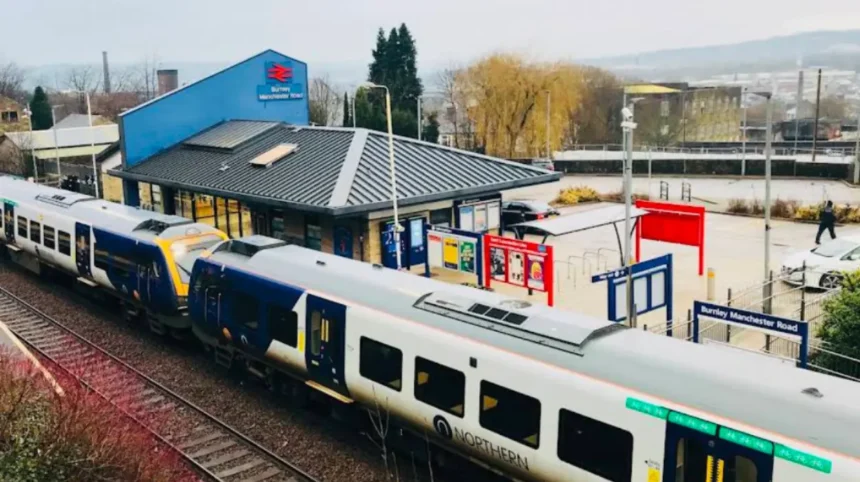
The Manchester to Burnley rail corridor is a primary passenger railway connection operating in North West England. It links the urban center of Greater Manchester to the historic industrial town of Burnley in Lancashire. Northern Trains operates the vast majority of direct and connecting passenger services along this route. The geographical journey spans approximately twenty-five miles northward across the West Pennine Moors region. Trains depart primarily from Manchester Victoria Station and arrive at either Burnley Manchester Road Station or Burnley Central Station. Route operations rely on modern diesel multiple unit trains running on traditional tracks. Infrastructure oversight falls under Network Rail, which maintains the signals, track switches, and physical station platforms. The continuous operation of this line supports regional employment, daily commuting, educational travel, and local economic connectivity.
- What Is the History of the Manchester Burnley Railway Connection?
- What Are the Key Stations and Journey Times Between Manchester and Burnley?
- How Can Passengers Buy Tickets and Save Money on Manchester Burnley Trains?
- What Are the Schedule Frequency and Timetable Options for This Route?
- What Is the Future Outlook and Economic Impact of the Manchester Burnley Rail Link?
- Frequently Asked Questions
- What is the fastest train travel time between Manchester and Burnley?
- Which train company operates the Manchester to Burnley route?
- Are there direct trains from Manchester Piccadilly to Burnley?
- How much does a train ticket from Manchester to Burnley cost?
- Does the Manchester to Burnley train run on Sundays?
The route functions as a vital arterial link between southern Lancashire and the Greater Manchester economy. Operations run daily from early morning until late evening, providing consistent transport choices. Passengers utilize two primary physical corridors depending on the specific train operator and scheduled stops. The primary direct route utilizes the Todmorden Curve, a restored section of track that shortened travel times. An alternative route operates via Rochdale and Todmorden before heading north toward Burnley Manchester Road. Connecting services may route passengers through Blackburn or Preston, requiring an interchange between individual trains. The mechanical power for these train lines relies predominantly on Class 195 and Class 158 diesel trains. Network Rail continuously monitors signal health along the line to prevent regional timetable delays.
What Is the History of the Manchester Burnley Railway Connection?
The rail connection between Manchester and Burnley was established during the nineteenth century to serve industrial transport demands. Built during the peak of the British Industrial Revolution, the railway originally moved coal and manufactured cotton textiles. The Manchester and Leeds Railway company developed early portions of the network during the 1840s decade. Over decades, track networks expanded under the Lancashire and Yorkshire Railway company to improve regional trade. A critical historical section, the Todmorden Curve, was closed in 1972 due to reduced rail traffic. This closure forced all passenger services to take longer detour routes through Blackburn or Rochdale. Decades later, local authorities recognized the strategic economic need to restore direct rail travel options.
A major revival project culminated in May 2015 with the official reopening of the Todmorden Curve. The project cost over fourteen million pounds and received funding from local municipal councils. Rebuilding this track link enabled direct passenger journeys between Manchester Victoria and Burnley Manchester Road. Travel times dropped from over eighty minutes down to under forty-five minutes for direct trips. The restoration brought immediate increases in daily passenger volume between Lancashire and Greater Manchester centers. Historical stations along the route underwent modern upgrades to handle increasing numbers of commuters. Today, the revived connection stands as a successful example of regional rail infrastructure investment. The line continues to preserve historical transportation heritage while delivering high-speed modern transit efficiency.
What Are the Key Stations and Journey Times Between Manchester and Burnley?
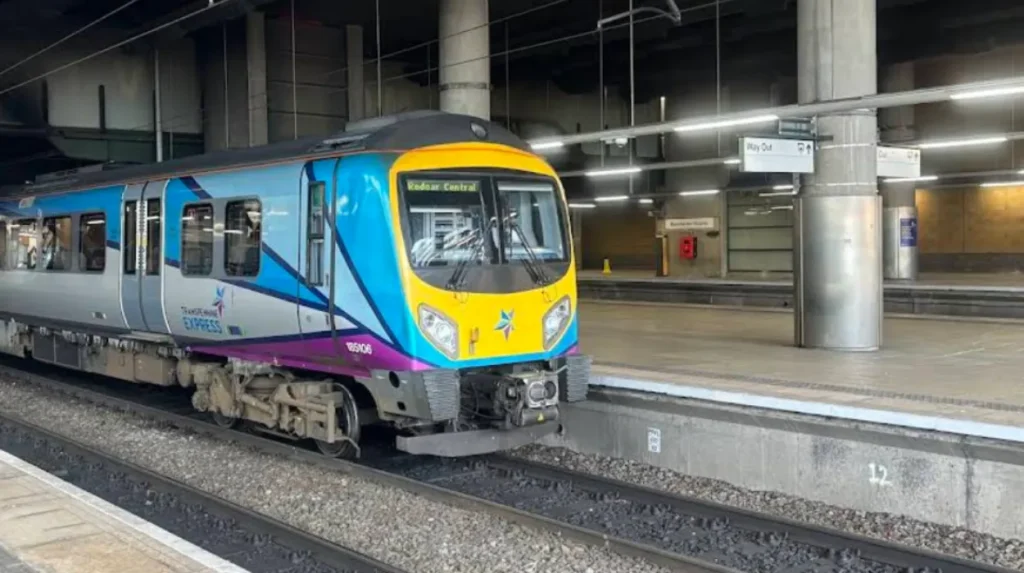
The primary departure terminal in Manchester is Manchester Victoria Station, situated in the northern city center. Passengers board Northern Trains services from designated platforms that serve northbound Lancashire routes systematically every hour. Intermediate stops along the primary direct journey typically include stations such as Rochdale and Todmorden. The direct route terminates at Burnley Manchester Road Station, located near the southern edge of Burnley. Secondary services travel further to Burnley Central Station, which sits closer to the town center. Total journey duration for direct services averages forty-five minutes depending on specific track signals. Stopping services that require train changes at Blackburn or Preston take sixty to ninety minutes. Station facilities along the line offer ticket vending machines, waiting rooms, and basic passenger amenities.
Manchester Victoria Station provides comprehensive urban transit links, including direct access to the Metrolink tram network. Travelers connecting from southern Manchester can transfer via city center Metrolink lines or walk between stations. Burnley Manchester Road Station features modern passenger shelters, step-free access ramps, and secure passenger parking areas. Burnley Central Station serves local stopping trains running along the East Lancashire Line toward Colne town. Intermediate stops like Rochdale provide additional transit connections across the eastern Greater Manchester borough transport grid. Station dwell times are strictly managed to keep trains operating on precise timetable schedules throughout. Real-time arrival screens display dynamic transit updates for all arriving and departing passenger trains daily.
How Can Passengers Buy Tickets and Save Money on Manchester Burnley Trains?
Train tickets for the Manchester to Burnley route can be purchased online or at stations. National Rail Enquiries, Northern Trains, and third-party retailers sell advance tickets and walk-up fares systematically. Fares vary based on travel timing, ticket flexibility, standard class options, and advance booking windows. Peak travel times occur during morning and evening rush hours, resulting in higher standard ticket prices. Off-peak tickets offer substantial savings for travelers moving outside of traditional business commuting hours daily. Passengers can also purchase Anytime tickets, which allow total travel flexibility on any operational train. Season tickets provide discounted rates for regular daily commuters traveling between these two urban destinations. Railcards offer additional thirty-three percent discounts for eligible young adults, seniors, and family groups.
Purchasing tickets well before the travel date typically yields the lowest available advance single fares online. GroupSave discounts apply automatically when three to nine passengers travel together during off-peak operational hours. Passengers can display digital e-tickets on smartphones or print physical tickets at station automated machines. Unplanned travel during peak hours requires paying standard peak single or return fare prices directly. Automated ticket barriers at Manchester Victoria require valid barcodes or smartcards for platform access authorization. Concessionary travel passes apply to local elderly or disabled residents according to regional transit regulations. Penalty fares exist for passengers boarding trains without obtaining a valid ticket prior to departure.
What Are the Schedule Frequency and Timetable Options for This Route?
Direct trains between Manchester Victoria and Burnley Manchester Road operate on a consistent hourly basic schedule. Early morning services begin running around six in the morning to accommodate early morning industrial commuters. Evening operations typically run until past ten at night, offering consistent returns from central Manchester. Weekend timetables adjust slightly, with reduced morning frequency on Sundays across the Northern Trains network. Passengers should check live railway timetables during bank holidays or planned network maintenance periods routinely. Northern Trains publishes seasonal timetable updates twice annually to adjust for shifting regional travel patterns. Special direct services occasionally run during high-demand local events or major regional holiday periods.
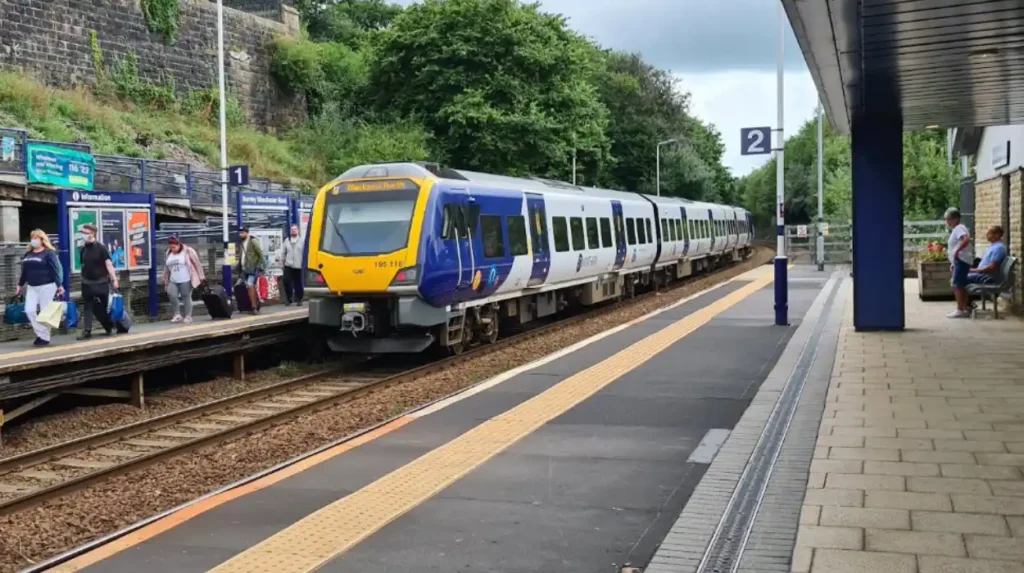
Timetables are published months in advance on National Rail Enquiries and official transport operator websites online. Schedule adjustments occur during scheduled rail engineering work, which often happens over selected weekend nights. Replacement bus services operate whenever track maintenance closes sections between Rochdale, Todmorden, or Burnley stations. Real-time updates are accessible through mobile travel apps, displaying potential signal delays or platform changes. High-frequency peak hour trains ensure commuters rarely wait long if a specific service experiences delays. Passengers traveling to Burnley Central must review connecting times at Blackburn or Burnley Manchester Road carefully. Detailed physical timetables remain posted on display boards at every intermediate station along the route.
What Is the Future Outlook and Economic Impact of the Manchester Burnley Rail Link?
The Manchester to Burnley rail link drives economic growth by connecting East Lancashire workers to Manchester opportunities. Seamless public transit links encourage business investment, housing growth, and regional workforce movement across county borders. Local government authorities continuously advocate for infrastructure improvements, including potential line electrification and platform extensions. Electrification would reduce transit carbon emissions, increase train capacity, and enable faster acceleration speeds overall. Increased train frequencies remain a priority for transport planners seeking to reduce vehicular traffic on highways. The rail line supports green transit initiatives aimed at reducing regional carbon footprints significantly by 2030. Continued investment ensures that the historic rail link remains a cornerstone of North West infrastructure.
Future development plans focus on integrating regional rail with broader Northern Powerhouse Rail infrastructure initiatives systematically. Upgrading signaling systems along the East Lancashire network will increase overall train track line capacity substantially. Improved train reliability encourages more car drivers to choose public transit for daily intercity commuting needs. Regional educational institutions benefit as students commute easily between Burnley campuses and Manchester universities daily. Commercial developments near Burnley Manchester Road Station demonstrate the positive urban regeneration impact of transit links. Local tourism also benefits, with travelers using the line to explore the scenic West Pennines. The long-term economic viability of both urban centers remains closely tied to efficient rail links.
Frequently Asked Questions
What is the fastest train travel time between Manchester and Burnley?
The fastest direct train service takes approximately forty-five minutes from Manchester Victoria to Burnley Manchester Road. Trains requiring transfers at Blackburn take between sixty and ninety minutes depending on connection times.
Which train company operates the Manchester to Burnley route?
Northern Trains operates the primary passenger services between Manchester Victoria and Burnley stations. They provide both direct hourly trains and indirect connecting options across the regional network.
Are there direct trains from Manchester Piccadilly to Burnley?
Most direct services depart from Manchester Victoria Station rather than Manchester Piccadilly Station. Passengers at Piccadilly can take a short Metrolink tram or walk to Victoria to catch direct trains.
How much does a train ticket from Manchester to Burnley cost?
Off-peak single tickets generally cost between seven and twelve pounds when booked in advance. Peak fares and walk-up tickets cost more, though Railcard holders receive standard discounts.
Does the Manchester to Burnley train run on Sundays?
Yes, passenger trains operate on Sundays, though service frequency is reduced compared to weekday schedules. Travelers should consult live timetables online before traveling on Sunday mornings or late evenings.