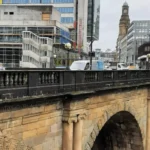
The narrative of the North is often written in the red brick of its industrial past. For Oldham, that story was once defined by its status as the “cotton spinning capital of the world.” At its zenith in the early 20th century, the borough housed over 16 million spindles—more than many entire nations combined. However, as the clatter of the looms faded throughout the late 1900s, the town, like many of its neighbors across Greater Manchester and West Yorkshire, faced the daunting challenge of post-industrial identity.
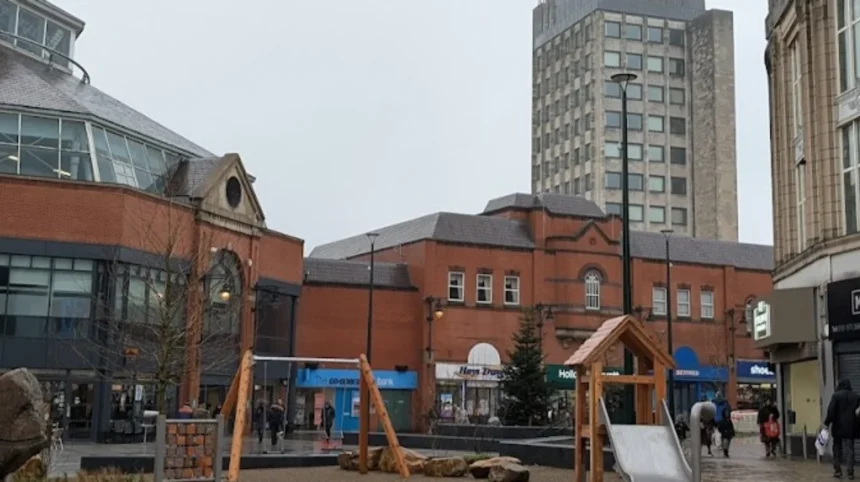
The Spindles Town Square redevelopment is not merely a renovation of a 1990s shopping center; it is a bold, strategic pivot that addresses the fundamental shifts in how we live, work, and shop in the 21st century. By moving away from a retail-only model to a multi-functional community hub, Oldham Council is providing a template for “Creating a Better Place.” This ambitious strategy is now being cited by urban planners and regional leaders as a blueprint for the “Northern Powerhouse” to move beyond the decline of the high street and into a sustainable, vibrant future.
From Retail Reliance to Diversified Urban Living
For decades, the health of a northern town was measured by the footfall in its primary shopping mall. When Oldham Council took the decisive step to acquire Spindles Town Square in October 2020, it marked a shift in philosophy. The transition from private ownership to local authority control allowed for a “purpose over profit” approach. The goal was no longer just to fill vacant shop units with temporary discount stores but to fundamentally restructure the town’s core.
The centerpiece of this transformation is the consolidation of retail. Recognizing that the rise of e-commerce has permanently altered the retail landscape, the project has condensed the shopping offer to the ground floor. This creates a more concentrated, energetic “retail loop” that links the high street directly with the heart of the center. This strategy acknowledges a hard truth that many towns are slow to accept: smaller, higher-quality retail footprints are more sustainable than sprawling, half-empty malls.
By freeing up the upper floors, the council has created space for essential modern infrastructure. The upper mall has been repurposed into roughly 75,000 square feet of high-spec office space, including “The Hive”—a co-working hub designed specifically for entrepreneurs and small businesses. This move brings workers back into the town center, providing a consistent Tuesday-to-Thursday footfall that supports local cafes and services, independent of traditional weekend shopping surges.
The New Tommyfield Market and the Preservation of Heritage
A northern town is often defined by its market. In Oldham, Tommyfield Market has been a cornerstone of local life since the 19th century, famously cited as the site of the first-ever fried potato chip sold in Britain. However, the existing market hall had become outdated and expensive to maintain.
The Spindles revamp integrates a brand-new, split-level market hall into the former TJ Hughes unit. This is a masterstroke of “adaptive reuse.” Rather than demolishing and rebuilding—which carries a heavy carbon cost—the project utilizes the existing structure of the shopping center to house the new market. The lower level connects directly to Parliament Square, creating a seamless flow between indoor stalls and outdoor public space.
This new market, simply branded as “The Market,” is designed to be the culinary and social heart of the town. With a dedicated food and drink court and spaces for live cooking demonstrations and pop-up events, it transitions from a place where you simply buy groceries to a destination where you spend time. The relocation also frees up the old market site on Henshaw Street for a massive new six-acre “Tommyfield Park,” introducing much-needed green space into the urban center.
Creating a Cultural and Event Destination
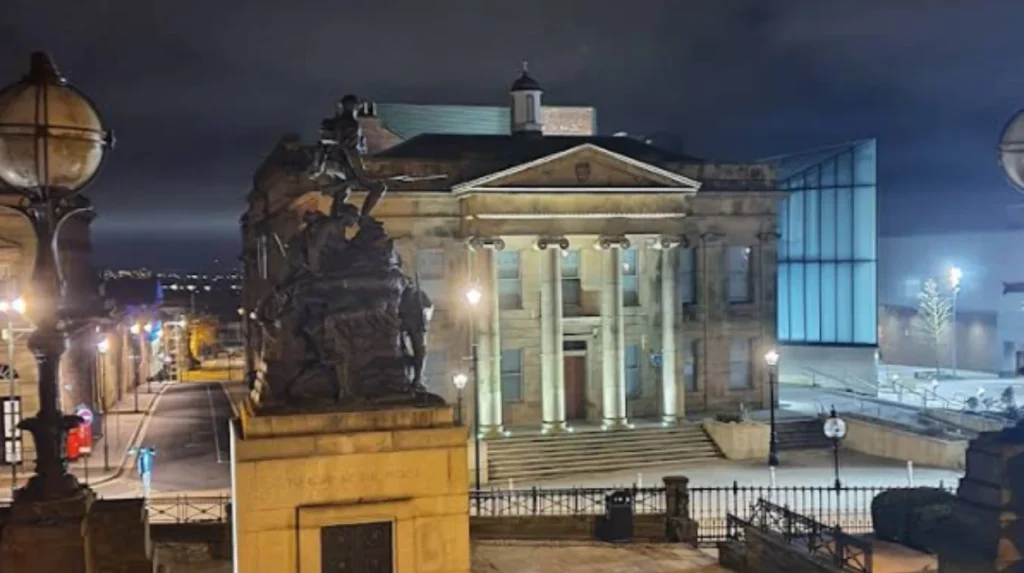
One of the most innovative aspects of the Spindles redevelopment is the inclusion of “The Loom”—a dedicated event and conference space capable of hosting up to 1,000 people. For too long, northern towns have lost out on the “experience economy” to the neighboring city centers of Manchester and Leeds. By building a high-capacity venue with rooftop views and modern facilities, Oldham is reclaiming its right to host major cultural events, from concerts to private functions.
Furthermore, the integration of the borough’s archives and collections into a public-facing center within Spindles is a significant cultural win. It moves the town’s history out of dusty basements and into the heart of the community. Residents can now engage with their heritage—researching family trees or viewing historical maps—in the same building where they do their banking or meet for coffee. This “civic integration” ensures that the town center serves more than just a commercial purpose; it becomes a repository of local identity.
Sustainability and the Green New Deal
The Oldham blueprint is underpinned by the council’s “Green New Deal,” aiming for the borough to be carbon neutral by 2030. Redeveloping Spindles is a key part of this environmental commitment. The decision to repurpose an existing building rather than build a new one on the outskirts significantly reduces the “embodied carbon” of the project.
Beyond the construction phase, the center is undergoing extensive decarbonization works. This includes the installation of energy-efficient systems and a focus on active travel. With 100 new bicycle spaces and a location perfectly situated between the King Street and Central Metrolink stops, the development encourages residents to ditch the car. The project demonstrates that urban regeneration in the North doesn’t have to mean more parking lots; it can mean better connectivity and a smaller environmental footprint.
Economic Impact and the 15-Year Vision
The economic projections for the Spindles revamp are substantial. Upon full completion in 2026, the project is expected to support approximately 800 full-time jobs. However, the true value lies in its role as a “catalyst.” By creating a successful, multi-use hub, the council has attracted private sector partners like Muse to deliver the next phase of the vision: 2,000 new homes across the town center.
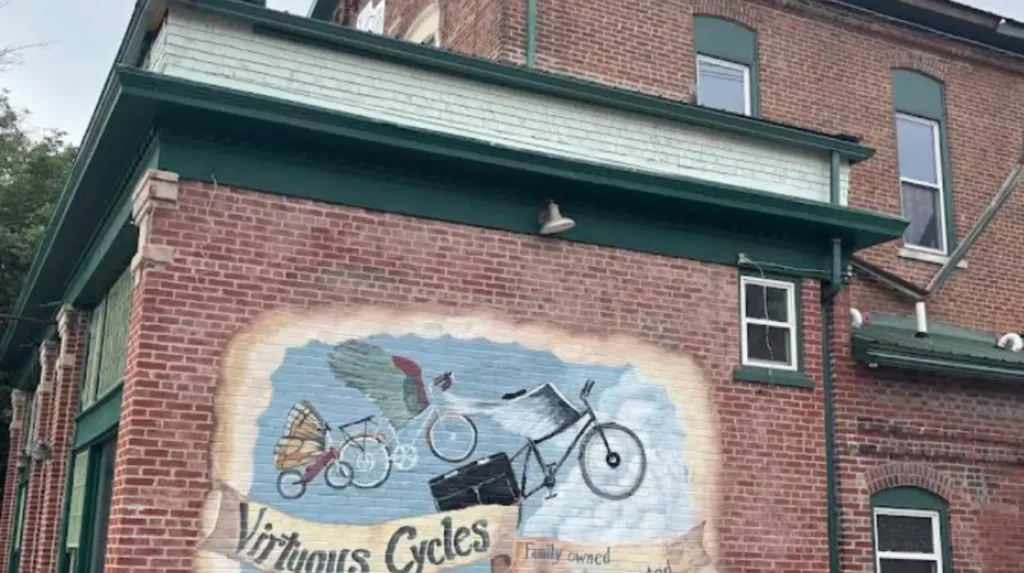
This “homes-first” approach is the final piece of the blueprint. By bringing 2,000 households into the heart of Oldham, the council is creating a captive audience for the new market, the offices, and the leisure facilities. This creates a “virtuous cycle” of investment. The Spindles project has already won national recognition, including the BCO Innovation Award in 2025, proving that the North can lead the way in creative urban design.
Why This Matters for the Rest of the North
Oldham’s journey provides several vital lessons for other towns facing similar declines:
- Public Leadership: Local authorities must be willing to take an active role in property ownership to steer regeneration toward community needs rather than just short-term profit.
- Mixed-Use is Mandatory: Retail alone is no longer enough to sustain a town center. Integrating offices, markets, archives, and event spaces is the only way to ensure 24/7 footfall.
- Brownfield First: Protecting the greenbelt by repurposing existing urban structures is both environmentally responsible and culturally significant.
- Heritage Integration: A successful revamp doesn’t erase the past; it celebrates it. Using names like “The Loom” and “Spindles” keeps the town’s industrial soul alive while looking forward.
As we look toward the 2030s, the Spindles Town Square redevelopment stands as a testament to what is possible when a town refuses to be defined by its decline. It is a blueprint of hope, innovation, and practical urbanism that other northern towns would be wise to follow.
Is Oldham Civic Centre being demolished?
The majority of the Oldham Civic Centre and the adjacent Queen Elizabeth Hall are slated for demolition to make way for up to 800 new homes and green spaces. However, the iconic 15-storey Civic Tower is planned to be preserved and repurposed into a high-end hotel with approximately 126 rooms.
What are the nicest areas of Oldham?
For those seeking a village feel, Greenfield and Uppermill in Saddleworth remain the most prestigious, offering picturesque Pennine views and a direct rail link to Manchester. Families often favor Royton and Shaw for their blend of independent shops, modern housing, and excellent Metrolink connections.
How many immigrants are in Oldham?
According to the most recent comprehensive data (Census 2021), approximately 17.8% of Oldham’s residents were born outside the UK, an increase from 13.2% in 2011. The largest non-UK born communities originate from Pakistan (5.3%) and Bangladesh (3.3%), contributing to the borough’s rich multicultural fabric.
Where do most Indians live in Manchester?
Within the wider Manchester area, the Indian community is most concentrated in Bolton (which has one of the highest Indian populations in the North West) and South Manchester suburbs like Didsbury, Withington, and Chorlton. In the city center, the New Islington and Ancoats areas have also seen a rise in professional Indian residents.
Is Oldham up and coming?
Oldham is widely considered “up and coming” due to the £285 million “Creating a Better Place” strategy, which is currently delivering 2,000 new homes and a revitalized town center. With the successful repurposing of Spindles and the upcoming £70 million SportsTown at Boundary Park.