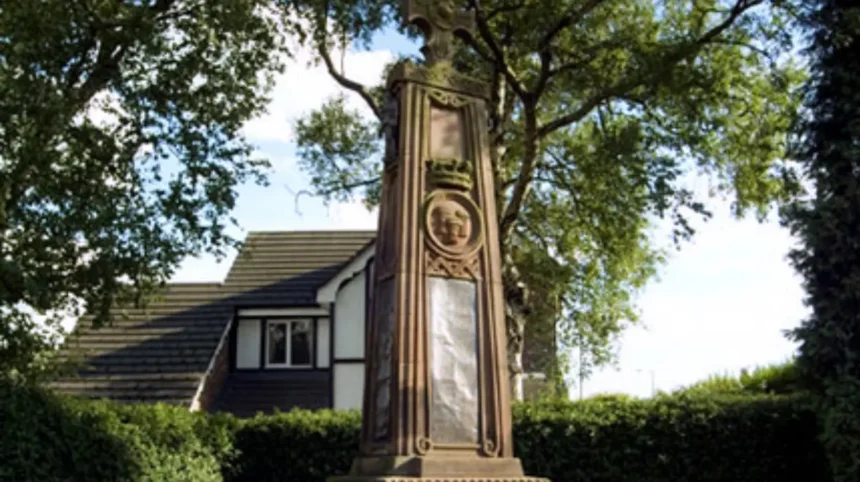
Hulme biodiversity improvements refer to structured environmental initiatives that increase plant diversity, wildlife habitats, and ecological resilience within Hulme, a dense inner-city ward in Manchester. These improvements enhance ecosystem services, urban sustainability, and community well-being through planned green infrastructure development.
- How did biodiversity initiatives in Hulme develop over time?
- What are the key components of Hulme biodiversity improvements?
- How do Hulme biodiversity projects improve urban ecosystems?
- What specific projects are included in Hulme biodiversity improvements?
- How do these improvements impact local communities in Hulme?
- What role does Manchester City Council play in these initiatives?
- How do Hulme biodiversity improvements support climate change mitigation?
- What challenges affect biodiversity improvements in Hulme?
- What is the future outlook for Hulme biodiversity improvements?
- Is Hulme becoming greener or still lacking parks?
- What is the 4700 Trees project and how does it help the environment?
- Can residents get involved in Hulme biodiversity or gardening projects?
- What is the Hulme Urban Green Space (HUGS) project and why is it important?
- Do urban greening projects like those in Hulme actually improve wildlife?
Hulme biodiversity improvements are part of broader urban regeneration strategies led by Manchester City Council and local organizations. Hulme is located in south Manchester and has undergone major redevelopment since the 1990s. Historically dominated by dense housing and limited greenery, the area now integrates ecological planning into urban design. Biodiversity improvements focus on increasing species richness, restoring natural habitats, and improving environmental quality.
Urban biodiversity refers to the variety of plant and animal species within a city environment. In Hulme, this includes native trees, pollinator-friendly plants, birds, and small mammals. These initiatives align with the Manchester Biodiversity Strategy, which aims to increase green cover and ecological connectivity across the city. The importance lies in mitigating urban heat, improving air quality, and supporting mental health through access to nature.
These improvements also contribute to climate adaptation. Green spaces absorb rainfall, reduce flooding risk, and lower temperatures. Hulme serves as a model for integrating biodiversity into high-density urban settings, demonstrating how ecological systems can coexist with residential infrastructure.
How did biodiversity initiatives in Hulme develop over time?
Biodiversity initiatives in Hulme developed from post-industrial regeneration efforts in the 1990s, evolving into structured ecological programs by the 2010s, including tree planting schemes, community green projects, and habitat restoration aligned with Manchester’s environmental policies.
Hulme experienced significant urban decline during the late 20th century due to industrial changes and poor housing conditions. Large-scale redevelopment began in the 1990s, focusing initially on housing and infrastructure. Environmental considerations were limited at that stage. By the early 2000s, urban planning began incorporating green space development.
The shift toward biodiversity-focused initiatives accelerated after 2010. Manchester City Council introduced environmental frameworks emphasizing sustainability and ecological resilience. Hulme became a priority area due to its limited natural habitats and high population density. Programs such as urban tree planting and community gardening were introduced.
By 2020, biodiversity improvements became more structured and measurable. Projects included the planting of over 4,700 trees across Manchester, with Hulme receiving a significant share. Community-led initiatives also expanded, involving residents in planting native species and maintaining green spaces. These efforts reflect a transition from basic regeneration to ecological urban planning.
What are the key components of Hulme biodiversity improvements?
The key components include native tree planting, pollinator-friendly landscaping, habitat creation, community engagement programs, and sustainable urban drainage systems, all designed to increase biodiversity, improve ecosystem services, and enhance environmental resilience in Hulme.
Native tree planting forms the foundation of biodiversity improvements. Species such as oak, birch, and rowan are selected because they support local wildlife. Trees provide shelter, food sources, and carbon absorption. Pollinator-friendly landscaping includes wildflowers like lavender, daisies, and clover, which support bees and butterflies.
Habitat creation focuses on building ecological niches. Examples include bird boxes, insect hotels, and small wetlands. These structures encourage species diversity and support urban wildlife populations. Sustainable urban drainage systems manage rainwater through permeable surfaces and green areas, reducing flood risks.
Community engagement is another essential component. Local residents participate in planting activities, educational workshops, and maintenance programs. This involvement ensures long-term sustainability and awareness. Together, these components create an integrated system that enhances both biodiversity and urban living conditions.
How do Hulme biodiversity projects improve urban ecosystems?
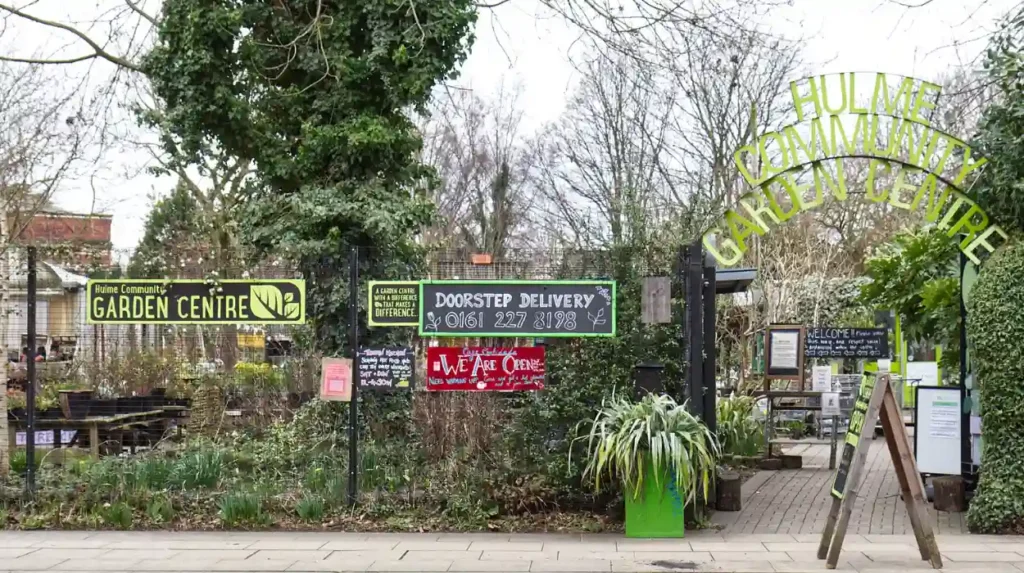
Hulme biodiversity projects improve urban ecosystems by increasing species diversity, enhancing soil quality, supporting pollination, reducing pollution, and creating interconnected green corridors that strengthen ecological balance within the built environment.
Urban ecosystems depend on biological diversity to function effectively. In Hulme, biodiversity projects introduce a wider range of plant and animal species. This diversity stabilizes ecosystems by ensuring that multiple species perform essential roles such as pollination and decomposition.
Soil quality improves through organic matter from plants and reduced chemical usage. Healthy soil supports vegetation growth and water retention. Pollinators such as bees and butterflies benefit from increased flowering plants, ensuring plant reproduction and food chain stability.
Green corridors connect isolated green spaces, allowing wildlife movement across the area. These corridors reduce habitat fragmentation, which is a common issue in urban environments. Pollution reduction occurs as plants absorb carbon dioxide and filter airborne particles. These combined effects create a more resilient and sustainable urban ecosystem in Hulme.
What specific projects are included in Hulme biodiversity improvements?
Specific projects include the Hulme Urban Green Space initiative, My Wild Neighbourhood program, and city-wide tree planting campaigns, all aimed at increasing vegetation cover, supporting wildlife habitats, and engaging local communities in environmental stewardship.
The Hulme Urban Green Space initiative focuses on transforming unused land into functional ecological areas. These spaces include planted gardens, walking paths, and small habitats. The My Wild Neighbourhood program encourages residents to create biodiversity-friendly spaces in their own surroundings.
Tree planting campaigns are a major component. Thousands of trees have been planted across Manchester, including Hulme, to increase canopy cover and improve air quality. Additional projects include planting over 1,000 flower bulbs in collaboration with community groups.
Educational programs are also implemented. Schools and local organizations participate in workshops about biodiversity and sustainability. These projects demonstrate a multi-layered approach combining infrastructure, community involvement, and environmental education.
How do these improvements impact local communities in Hulme?
Hulme biodiversity improvements impact local communities by enhancing physical health, improving mental well-being, increasing access to green spaces, fostering social cohesion, and providing educational opportunities related to environmental sustainability.
Access to green spaces has a direct effect on physical health. Residents engage in outdoor activities such as walking and cycling. Improved air quality reduces respiratory issues. Mental well-being benefits from exposure to natural environments, which reduces stress and improves mood.
Social cohesion increases through community participation in environmental projects. Residents collaborate on planting and maintenance activities, building stronger local connections. Educational opportunities arise through workshops and school programs, teaching sustainable practices.
Economic benefits also exist. Improved environmental quality can increase property values and attract investment. These impacts demonstrate that biodiversity improvements extend beyond ecology, influencing multiple aspects of community life in Hulme.
What role does Manchester City Council play in these initiatives?
Manchester City Council plays a central role by planning, funding, and implementing biodiversity strategies, coordinating community programs, and aligning Hulme projects with broader environmental policies aimed at sustainability and climate resilience.
The council develops strategic frameworks such as the Manchester Biodiversity Strategy. These frameworks set targets for tree planting, habitat creation, and carbon reduction. Funding is allocated for specific projects, including green space development and maintenance.
Coordination involves working with local organizations, schools, and community groups. The council ensures that projects meet environmental standards and deliver measurable outcomes. Monitoring systems track progress, including species diversity and green coverage.
Policy alignment ensures that Hulme initiatives contribute to city-wide goals. These include reducing carbon emissions and improving climate resilience. The council’s role is essential for integrating biodiversity improvements into urban planning and ensuring long-term sustainability.
How do Hulme biodiversity improvements support climate change mitigation?
Hulme biodiversity improvements support climate change mitigation by increasing carbon sequestration, reducing urban heat island effects, improving water management, and enhancing resilience against extreme weather through expanded green infrastructure.
Trees and plants absorb carbon dioxide, reducing greenhouse gas concentrations. Increased vegetation in Hulme contributes to this process. Urban heat island effects occur when built environments trap heat. Green spaces lower temperatures by providing shade and releasing moisture.
Water management improves through permeable surfaces and vegetation. These systems absorb rainfall, reducing flooding risks. Climate resilience increases as ecosystems adapt to changing conditions. Diverse plant species ensure that some can survive extreme weather.
These improvements align with global climate goals and local environmental strategies. Hulme demonstrates how urban areas can actively contribute to climate change mitigation through biodiversity-focused planning.
What challenges affect biodiversity improvements in Hulme?
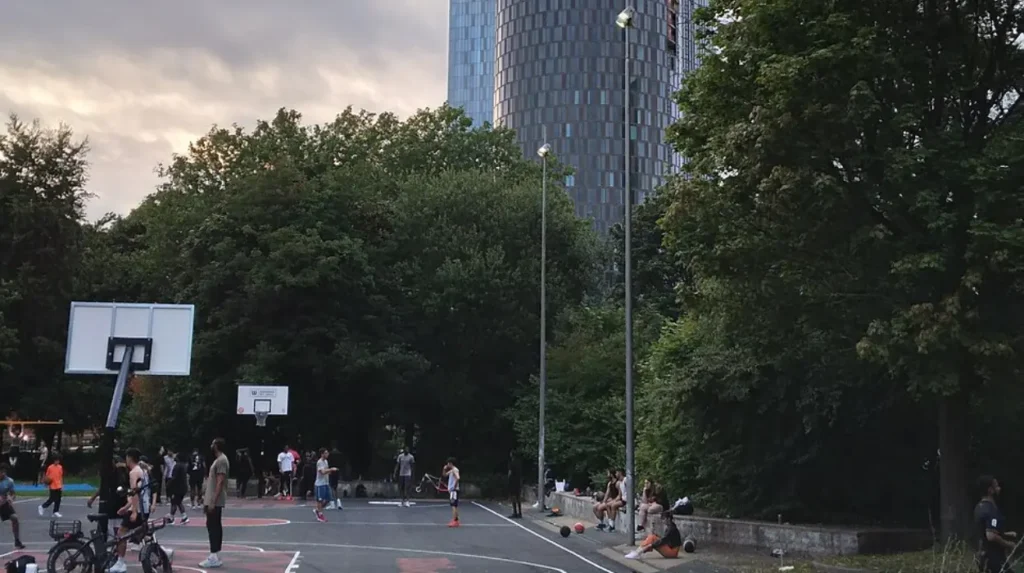
Challenges include limited space, urban development pressure, maintenance requirements, funding constraints, and the need for continuous community engagement to sustain long-term biodiversity outcomes in a densely populated environment.
Limited space restricts the scale of biodiversity projects. Hulme’s dense housing leaves fewer areas for large green spaces. Urban development pressure competes with environmental initiatives, prioritizing housing and infrastructure.
Maintenance is essential for sustainability. Plants, habitats, and drainage systems require regular care. Funding constraints can limit project expansion and long-term management. Community engagement must remain consistent to ensure participation and awareness.
Despite these challenges, strategic planning and collaboration help overcome limitations. Hulme continues to balance development with environmental priorities, demonstrating adaptability in urban biodiversity management.
What is the future outlook for Hulme biodiversity improvements?
The future outlook includes expanded green corridors, increased community-led projects, integration of smart environmental technologies, and continued alignment with sustainability goals to enhance biodiversity and urban resilience in Hulme.
Future plans focus on expanding connectivity between green spaces. Green corridors will link parks, streets, and residential areas. Community-led projects will grow, empowering residents to take ownership of local environments.
Smart technologies such as environmental sensors will monitor air quality, soil conditions, and biodiversity levels. Data-driven approaches will improve planning and efficiency. Integration with broader sustainability goals ensures that Hulme remains aligned with climate strategies.
Long-term outcomes include increased biodiversity, improved quality of life, and stronger ecological resilience. Hulme is positioned as a leading example of urban biodiversity improvement within Manchester and beyond.
Is Hulme becoming greener or still lacking parks?
Hulme is actively becoming greener through projects like Manchester City Council initiatives and community schemes. While it historically had limited green space, new developments like HUGS and tree planting are increasing coverage. The goal is to move toward 25% green space in the coming years. Progress is visible but still ongoing.
What is the 4700 Trees project and how does it help the environment?
The 4700 Trees project focuses on planting thousands of native trees across Hulme to improve biodiversity and air quality. These trees provide habitats for birds and insects while reducing urban heat. Community groups help plant and maintain them, ensuring long-term survival. It also supports carbon reduction and flood control.
Can residents get involved in Hulme biodiversity or gardening projects?
Yes, local residents can actively participate through initiatives like My Wild Neighbourhood and activities at Hulme Community Garden Centre. People can join planting events, workshops, and school programs. These projects encourage hands-on involvement in improving local green spaces. It’s designed to be community-led.
What is the Hulme Urban Green Space (HUGS) project and why is it important?
HUGS is a major project creating new public green spaces in Hulme by 2025. It transforms unused land into habitats with native plants, walking paths, and wildlife-friendly features. The aim is to boost biodiversity by at least 10% while improving air quality. It also provides residents with better outdoor spaces.
Do urban greening projects like those in Hulme actually improve wildlife?
Yes, projects in Hulme have shown increases in pollinators and bird species by up to 20–30%. Efforts linked to the Nature of Hulme project help create connected habitats across the area. Native planting and tree coverage support more species long-term. These changes also improve human well-being and local ecosystems.