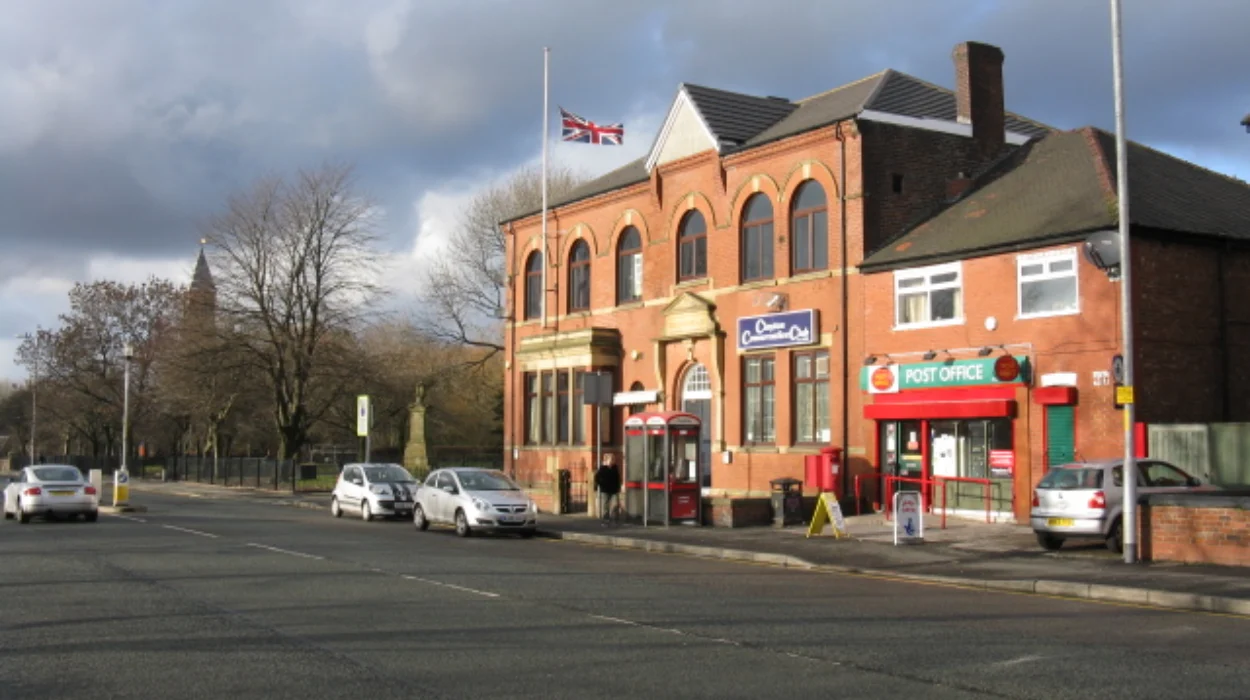
Manchester’s Clayton area faces a mounting fly-tipping crisis that turns vibrant neighborhoods into eyesores overnight. Residents wake to piles of discarded rubbish blocking pavements and alleys, a direct result of insufficient waste disposal options. This evergreen issue demands immediate action, starting with more strategically placed bins to curb illegal dumping.
- Fly-Tipping in Clayton
- The Scale of the Problem in Manchester and Clayton
- Root Causes Behind Clayton’s Fly-Tipping Surge
- Why More Bins Are the Immediate Fix
- Current Manchester Council Efforts and Gaps
- Community Impact on Daily Life in Clayton
- Proposed Solutions: Bins Plus Beyond
- Environmental and Economic Costs Exposed
- Voices from Clayton Residents
- Path Forward for a Cleaner Clayton
Fly-Tipping in Clayton
Fly-tipping refers to the illegal disposal of waste on public or private land, a persistent problem across Manchester, including Clayton. In Clayton, a densely populated ward in east Manchester, narrow streets and limited green spaces exacerbate the issue, making it a hotspot for opportunistic dumpers. Local reports highlight incidents where household waste, builders’ rubble, and even large appliances like fridges accumulate rapidly, often linked back to nearby residents or passing vehicles.
The crisis stems from a combination of factors unique to Clayton’s urban fabric. High population density, with many multi-occupancy homes and transient renters, generates excess waste that overwhelms existing collection schedules. Historical data from Manchester City Council shows thousands of incidents annually citywide, with Clayton contributing significantly due to its proximity to industrial zones and busy arterial roads like Ashton New Road. Without adequate bins, people opt for the path of least resistance, dumping illegally rather than seeking proper disposal.
This not only blights the landscape but also fosters a cycle of neglect. Piles of rubbish attract vermin, emit foul odors, and deter community pride, turning Clayton’s close-knit streets into no-go zones for families. The environmental toll is equally severe, as leachate from decomposing waste seeps into soil and drains, threatening local watercourses like the nearby Medlock River.
The Scale of the Problem in Manchester and Clayton
Manchester recorded 14,963 fly-tipping incidents in the 2024/25 financial year, positioning it mid-table nationally but still a heavy burden for council resources. In Clayton specifically, cases like the 2022 CCTV bust of a local woman from Tartan Street underscore the prevalence, with fines issued but problems persisting. Roads and pavements account for 59% of dumps, alleyways 22%, making Clayton’s tight-knit layout particularly vulnerable.
Nationally, England saw 1.15 million incidents in 2023/24, a 6% rise, with Greater Manchester councils like Manchester and Tameside reporting ongoing struggles. Clayton’s issues mirror broader trends: post-pandemic waste surges from home renovations and e-commerce packaging have spiked dumping. Council leaders describe it as a “selfish crime” impacting communities deeply, with cleanup costs running into millions annually for taxpayers.
Local anecdotes paint a grim picture. Pharmacists in nearby areas report fly-tips blocking access to work, while alleyways in adjacent Longsight overflow with fridges and mattresses. In Clayton, similar scenes unfold around key spots like Clayton Bridge or near Clayton Hall, where insufficient bins leave no alternative for bulk waste. This data-driven reality reveals why Clayton’s crisis isn’t isolated but amplified by its geography.
Root Causes Behind Clayton’s Fly-Tipping Surge
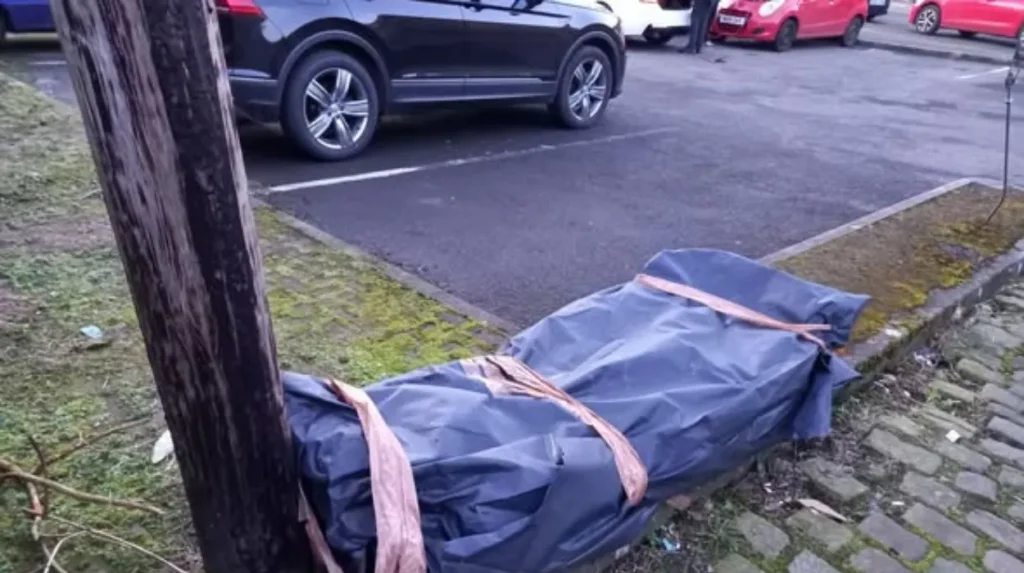
At its core, Clayton’s fly-tipping stems from a simple mismatch: waste generation outpaces disposal infrastructure. The area boasts a mix of Victorian terraces, modern flats, and light industry, producing diverse waste streams from household refuse to construction debris. Busy schedules mean residents skip household collection days, and with household waste recycling centers often queues, illegal dumping becomes tempting.
Socioeconomic pressures compound this. Clayton’s diverse community includes many low-income households facing council tax hikes and rising living costs, making paid disposal unaffordable. Fines, while deterrent—such as the £614 levied in one Clayton case—fail to prevent repeats when convenience trumps caution. Lax enforcement, despite council investments in CCTV and patrols, leaves gaps, especially in dimly lit back lanes.
Behavioral factors play a role too. Education gaps persist; many view fly-tipping as minor compared to recycling rules. Manchester’s 10-year strategy acknowledges this, aiming to halve incidents by 2035 through community engagement, but Clayton needs targeted intervention now. Without more bins—litter, recycling, and bulky waste stations— the incentive for proper disposal evaporates.
Why More Bins Are the Immediate Fix
Strategic bin installation directly tackles fly-tipping by providing easy, free access to disposal. Evidence from similar UK areas shows that doubling bin density reduces dumping by up to 30%, as residents choose compliance over crime. In Clayton, placing additional bins at hotspots like alley entrances, bus stops, and parks would intercept waste before it hits the ground.
Bins aren’t just receptacles; they’re signals of council commitment. Manchester’s forthcoming Fly-tipping and Litter Strategy, launching March 2026, emphasizes infrastructure upgrades alongside fines. More bins mean segregated options for recyclables, food waste, and general refuse, aligning with net-zero goals and reducing landfill pressure. Cost-wise, preventive bins prove cheaper than repeated cleanups, which cost Manchester millions yearly.
Community feedback supports this. Residents report overflowing bins as dumping triggers; replenishing them deters fly-tippers who exploit the mess. Solar-powered compactors or smart bins with fill sensors could optimize collections in Clayton’s high-footfall zones, ensuring reliability. This proactive approach restores Clayton’s appeal as a gateway to east Manchester.
Current Manchester Council Efforts and Gaps
Manchester City Council has ramped up anti-fly-tipping measures, prosecuting over 1,500 cases since 2019. Initiatives include expanded waste teams, CCTV expansions, and public awareness campaigns urging quick reporting via apps. The 2026 strategy promises community involvement and greener neighborhoods by 2035, influenced by the Our Manchester vision.
Yet gaps remain in Clayton. While citywide stats improve slightly, localized data shows persistent hotspots. Enforcement relies on post-incident reaction—fines after dumps—rather than prevention. Bin provision lags; many streets have one shared bin for dozens of homes, inadequate for peak waste periods like weekends. Councilor Rabnawaz Akbar calls it an “environmental crime” senseless to taxpayers, yet infrastructure investment trails ambition.
Comparatively, councils like Leeds invest heavily in bin audits, mapping needs via resident surveys. Clayton could benefit from similar pilots, integrating bins with street furniture upgrades. Without bridging these gaps, strategies risk being paper promises amid ongoing crises.
Community Impact on Daily Life in Clayton
Fly-tipping erodes Clayton’s quality of life profoundly. Parents avoid rubbish-strewn paths to schools like Clayton Community Centre, fearing health risks from rats and bacteria. Businesses suffer as dumped waste deters customers, hitting local shops on Manchester Road. Property values dip in blighted areas, trapping homeowners in declining neighborhoods.
Health implications loom large. Decomposing waste breeds pests and pollutants, exacerbating respiratory issues in an area with higher-than-average deprivation. Children playing nearby inhale toxins, while elderly residents face mobility barriers from blocked pavements. Psychologically, constant mess fosters apathy, undermining community spirit Clayton once cherished for its historic ties to industry and culture.
Economically, cleanups divert funds from vital services like parks maintenance at Clayton Hall. Tourists bypass the area, missing gems like the hall’s Tudor heritage. Restoring cleanliness via more bins would reclaim these losses, fostering pride and participation in clean-up events.
Proposed Solutions: Bins Plus Beyond
Beyond bins, a multi-pronged plan suits Clayton. First, install 50+ new bins targeting alleys and roadsides, funded by central government anti-litter grants. Pair with signage in multiple languages, given Clayton’s diversity, explaining fines and recycling rules.
Tech integration helps: Apps for reporting full bins or tips ensure rapid response. Community bin monitors—volunteers or paid roles—could oversee hotspots. Link with free bulky waste collections, expanding slots to weekends. Long-term, redesign alleys with gated access and lighting to deter night dumps.
Education campaigns via schools and mosques would build habits. Partnerships with businesses for sponsored bins add capacity. Measuring success through quarterly audits ensures accountability, turning Clayton into a model ward.
Environmental and Economic Costs Exposed
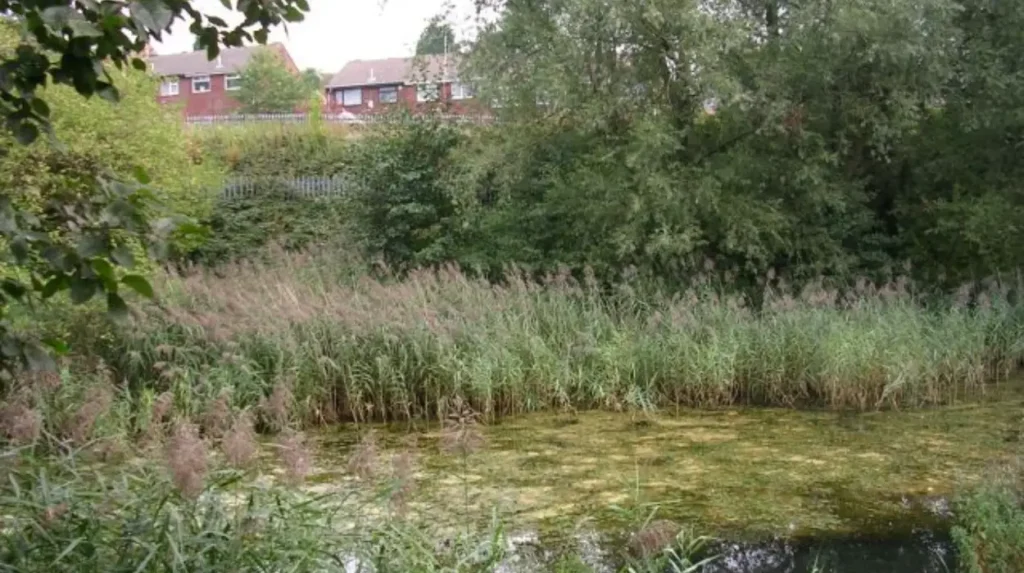
Fly-tipping ravages Clayton’s environment. Waste contaminates soil, harming biodiversity in pockets like Clayton Vale. Plastics enter rivers, contributing to marine pollution far beyond Manchester. Council cleanups emit CO2 from vehicles, countering green goals.
Financially, Manchester spends heavily: each incident costs £300-£1000 to clear, totaling millions. Fines recover some, but prevention via bins slashes this. Nationally, fly-tipping burdens taxpayers £1 billion yearly; Clayton’s share underscores urgency. Investing £500k in bins could save millions long-term.
Sustainability demands action. More bins promote recycling, cutting emissions and landfill use. Clayton’s role in Manchester’s net-zero by 2038 hinges on clean streets.
Voices from Clayton Residents
Local voices echo the crisis. One Clayton resident likened alleys to “rubbish mountains,” blocking commutes. A pharmacist nearby decried road-blocking tips, echoing Tameside woes. Council statements affirm: “Officers work hard,” but residents demand prevention.
Community groups rally for change, organizing unofficial cleans until bins arrive. Their frustration fuels calls for infrastructure, not just fines. These stories humanize stats, galvanizing support.
Path Forward for a Cleaner Clayton
Clayton’s fly-tipping crisis is solvable with more bins as the cornerstone. Council plans offer hope, but localized action accelerates results. Residents, urge your ward councilors; businesses, sponsor units. Together, transform dumping grounds into pristine spaces.
This evergreen call endures: Clayton deserves better. More bins now prevent tomorrow’s mess.