


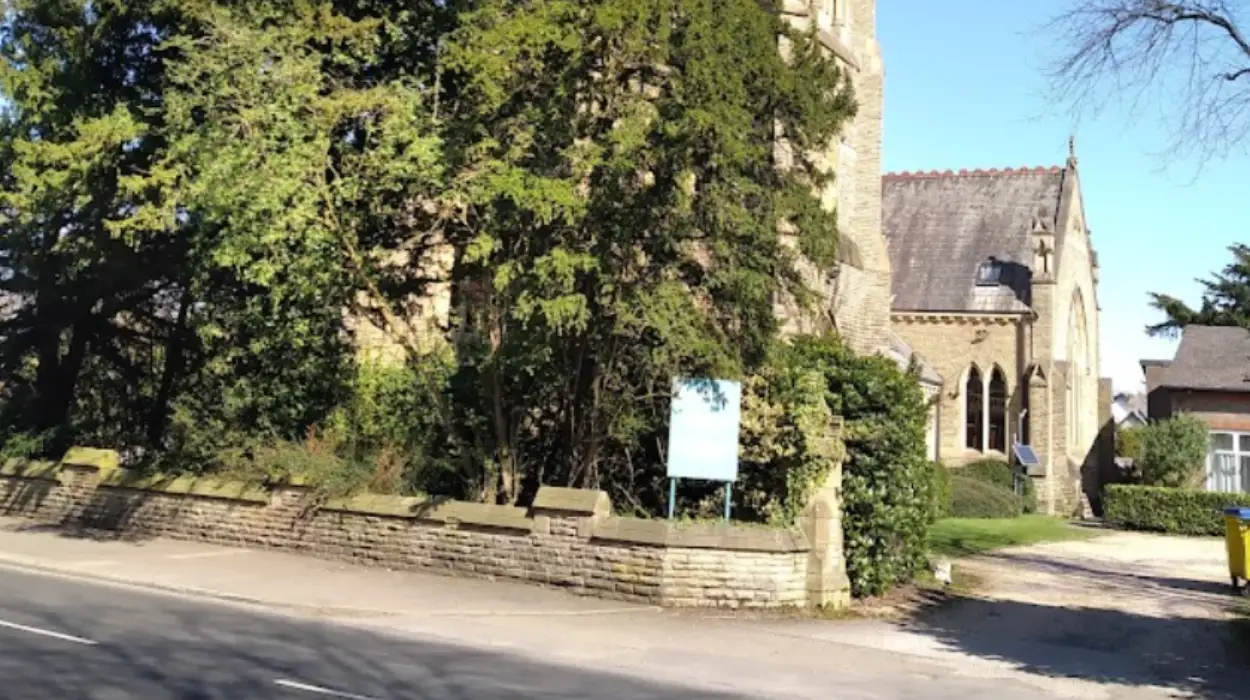
Didsbury, a picturesque suburb south of Manchester city centre, faces a range of civic challenges that threaten its cherished character. The Didsbury Civic Society, a registered charity founded in 1966, plays a pivotal role in advocating for residents amid these pressures. This article delves into the society’s key issues, drawing from historical context, official plans, and community campaigns to provide an evergreen overview for locals and interested readers.
Didsbury’s Rich Historical Context
Didsbury’s story begins as a small 13th-century hamlet within the Manor of Withington in historic Lancashire. By the 18th century, it stood as an independent township, relatively insulated from external influences, until the Jacobite army crossed the River Mersey here during their 1745 march. This event marked early ties to broader British history, evolving into a desirable residential area with Victorian villas and green spaces.
The suburb’s growth accelerated in the 19th century, attracting German merchants and Huguenot families like the Souchays, who built grand residences such as Eltville House. Fletcher Moss Parsonage, now a botanical garden, gained notoriety as a haunted site before becoming a preserved heritage spot in 1902. These landmarks underscore Didsbury’s appeal, now protected partly through conservation areas like Didsbury St James, designated in 1970 to safeguard its townscape of level grounds sloping to the Mersey flood plain.
Today, this heritage fuels civic pride but also sparks conflicts as modern development encroaches. The Civic Society, covering Didsbury East, West, and parts of Burnage wards, represents over 300 members in consultations spanning from Palatine Road to the River Mersey.
The Role of Didsbury Civic Society
Established in the mid-1960s to halt high-rise demolitions in central Didsbury, the society has grown into a non-political watchdog. It vets planning applications, enhances conservation areas, supports heritage events, and collaborates with groups on street and park maintenance. Membership, at £15 annually, funds events like Heritage Open Days and social trips to sites such as Blackpool Winter Gardens.
The society’s three-year Didsbury Plan focuses on sustaining quality of life, bolstering retail viability, and addressing environmental concerns. It attends Traders’ Association and ward coordination meetings to influence parking, crime, and green issues. Recent activities include maintaining Jubilee Gardens—opened in 2002 with £30,000 in grants—and preserving murals on East Didsbury railway bridge, alongside archiving photos from the late 1800s.
Through these efforts, the society bridges residents, councillors, and Manchester City Council, ensuring community voices shape Didsbury’s future.
Planning Disputes and Development Pressures

Planning battles dominate Civic Society agendas, with frequent opposition to proposals altering the suburb’s low-density feel. For instance, extensions at 53 Kingston Road and additional parking at The Towers drew resident and councillor-backed resistance from the society. Similarly, Beaver Road School expansions prompt consultations to minimize impacts.
High-profile controversies include the Blackbird Yard scheme off Parrs Wood Lane, where 75 apartments faced rejection by the Manchester Council after hundreds of objections over traffic. An inspector’s approval overturned this, frustrating locals who cited poor evidence from developers Dandara. East Didsbury Community Group echoed concerns about congestion in this “wrong build in the wrong place.”
Southway Housing Group’s 76 affordable homes off The Boulevard also sparked 182 objections and councillor claims of overdevelopment. Manchester Metropolitan University (MMU) developments by P.J. Livesey Group incorporated society feedback like no front parking and lorry routes avoiding the village but vigilance persists during construction. These disputes highlight tensions between housing needs and preserving Didsbury’s suburban charm, as outlined in council area policies protecting woodlands at Heyscroft Park and Palatine Road.
Traffic Congestion and Parking Woes
Didsbury’s narrow streets and village centre buzz with shoppers, commuters, and school runs, exacerbating congestion. The Didsbury Plan notes high bus volumes causing noise, pollution, road damage, and underused double-deckers at off-peak times. Areas around MMU suffer severe parking competition, prompting council-MMU liaison for solutions.
Pavement parking emerges as a major grievance, endangering pedestrians, wheelchair users, prams, and school walking buses. Idling engines worsen air quality, especially in extreme weather, while illegal street parking clogs gullies. Society proposals include by-laws against pavement parking prioritized for the centre, leafletting offenders, and long-term traffic reduction for a greener village.
Pedestrian and cyclist safety improvements target major roads, per council policies, but resident feedback stresses enforcement gaps. These persistent issues underscore calls for integrated transport to ease daily strains.
Environmental Concerns and Litter Challenges
Litter, graffiti, and fly-posting plague Didsbury, prompting society monitoring of collections, pavement repairs. The society’s environmental remit extends to clean-to-green initiatives, aligning with ward climate plans enhancing parks like Marie Louise Gardens and Didsbury Park.
Green space preservation is vital; policies protect Mersey Valley woodlands between Fletcher Moss and Millgate Fields for wildlife, while developing Millgate Fields for recreation. Didsbury Park’s Asset of Community Value status celebrates volunteer efforts but warns of development vulnerabilities without permanent safeguards. Blackburn pocket park development includes murals raising conservation awareness.
These efforts combat urban pressures, fostering biodiversity amid suburban growth.
Homelessness and Social Welfare Issues
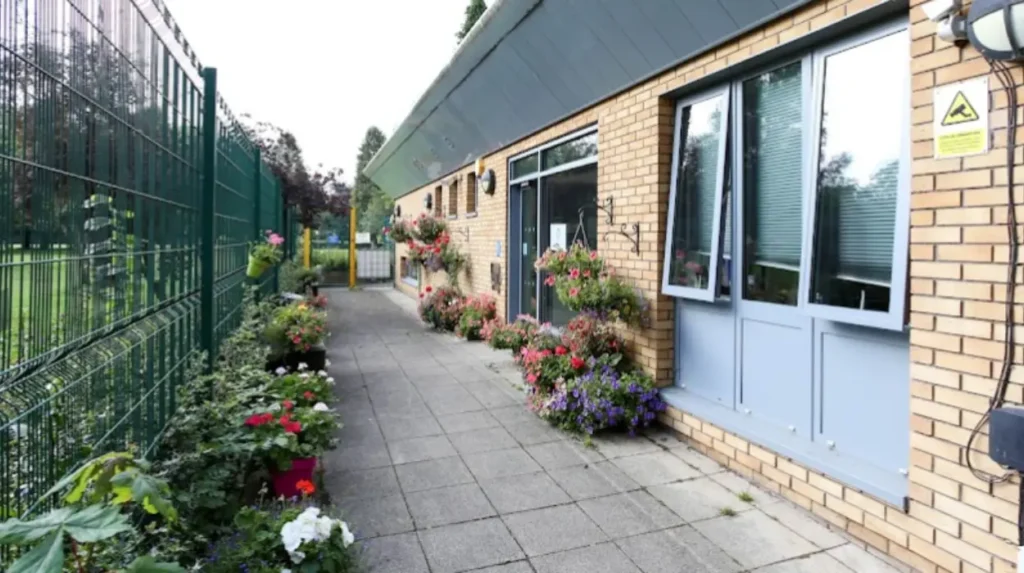
Homelessness troubles Didsbury residents, with the Civic Society highlighting it as a significant concern and directing help via dedicated links. Visible in the village, it sparks community unease, intersecting with broader Manchester challenges. Groups like Didsbury Good Neighbours offer befriending and activities for older residents, complementing civic advocacy.
The society’s non-commercial stance amplifies calls for support services, tying into quality-of-life goals. While not the core focus, addressing it humanizes civic work, urging coordinated council responses.
Preservation of Heritage and Conservation Areas
Didsbury St James Conservation Area, spanning nine kilometers south of the centre, preserves sloping terrains and Mersey-adjacent fields. The society supports Heritage Open Days, Pride events (drawing 6,371 visitors), and cenotaph restorations like the Garden of Contemplation. Initiatives preserve ghost signs at Costa Coffee and archive films.
Council policies shield visually key woodlands and promote informal recreation sites. Amid threats, these preserve Didsbury’s identity—from Jacobite crossings to Victorian legacies—as a haven from Manchester’s intensity.
Community Engagement and Future Outlook
The Civic Society fosters unity through events like library anniversary visits and trips to Astley Hall. Collaborations with Friends groups maintain Cavendish and Parsonage Gardens. The Didsbury Plan envisions reduced through-traffic, vibrant retail, and protected heritage.
Ongoing challenges demand resident involvement; membership and consultations empower change. As pressures mount, the society’s vigilant advocacy ensures Didsbury evolves sustainably, balancing progress with its timeless appeal.
What are the demographics of Didsbury, Manchester?
Didsbury has a mixed demographic including young professionals, families, and students due to its proximity to universities and the city centre. The area is known for relatively high household incomes, a strong professional workforce, and a diverse but mainly middle-class population.
What is the most posh area in Manchester?
One of the most upscale areas in Manchester is Hale Barns, known for luxury homes and wealthy residents. Within the city itself, areas like Didsbury and Altrincham are also considered very affluent.
What is the community like in Didsbury?
The community in Didsbury is often described as friendly, active, and community-focused. Local groups such as the Didsbury Civic Society help preserve heritage, support local events, and encourage residents to engage in neighbourhood improvements.
What is the poshest part of Cheshire?
Areas like Alderley Edge and Prestbury are widely considered the poshest parts of Cheshire. They are famous for luxury properties, celebrity residents, and high property values.
What is the richest street in Manchester?
Some of the most expensive streets in the Manchester area are in nearby affluent suburbs, such as Broadway. Homes there can reach multi-million-pound prices due to large estates and exclusive neighbourhood status.
