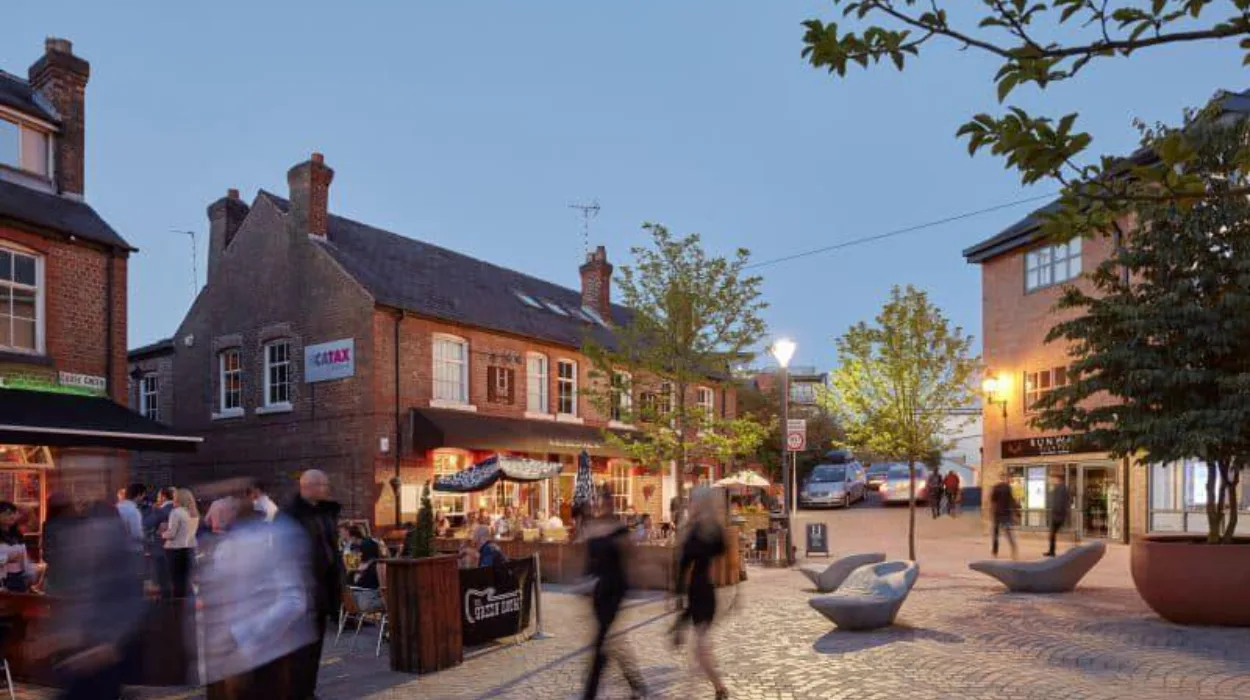
Cycling has surged in popularity across the UK, particularly in suburban areas like Altrincham, where commuters seek eco-friendly alternatives to cars amid rising fuel costs and environmental concerns. Nestled in Trafford, Greater Manchester, Altrincham offers a blend of leafy residential streets, bustling markets, and proximity to Manchester city centre, making it a prime spot for cyclists of all levels. However, with its mix of narrow roads, heavy foot traffic, and unpredictable weather, ensuring cycling safety remains paramount for riders to enjoy these benefits without risk.
- Why Cycling Safety Matters in Altrincham
- Key Cycling Infrastructure in Altrincham
- Essential Bike Maintenance for Safe Rides
- Navigating Traffic: Rules and Best Practices
- Weather-Proof Cycling Strategies
- Safe Route Planning for Commuters
- Protecting Yourself: Gear and Visibility
- Sharing Paths with Pedestrians and Runners
- Local Cycling Training and Clubs
- Bike Theft Prevention in Altrincham
- Health and Mental Benefits of Safe Cycling
- Future Improvements for Altrincham Cycling
- Common Mistakes to Avoid
Why Cycling Safety Matters in Altrincham
Altrincham’s growth as a cycling hub stems from initiatives like Transport for Greater Manchester’s (TfGM) Bee Active program, which promotes safer routes through dedicated lanes and skills training. Despite these advances, local data highlights persistent challenges: wet pavements from frequent rain, busy junctions near the Metrolink station, and interactions between cyclists, pedestrians, and vehicles at spots like the A56. Prioritising safety not only reduces accidents but also encourages more residents to cycle, easing traffic congestion and improving air quality in this vibrant town.
High-friction surfaces installed on shared paths and crossings have proven effective in preventing slips, especially during Manchester’s damp winters. These textured road treatments enhance grip for bike tyres, mirroring pedestrian safety upgrades around schools and shopping districts. For Altrincham cyclists, understanding these features means adapting riding habits to leverage infrastructure designed for mutual safety.
Key Cycling Infrastructure in Altrincham
Altrincham’s cycling network benefits from Trafford Council’s investment in protected lanes and quietways, connecting residential areas to amenities like the Altrincham Market House and Dunham Massey Park. The town’s position on National Cycle Route 62 provides a scenic, low-traffic alternative for longer journeys toward Sale and beyond. Recent upgrades include widened pavements with cycle-friendly markings near Ashley Station, reducing conflict points for shared users.
Notable spots include the high-friction surfacing at pedestrian crossings along Goose Green, where cyclists must yield to enhance visibility. Bus stops along Manchester Road now feature anti-skid zones, allowing safe dismounts in wet conditions. These elements form a cohesive system, but riders must familiarise themselves with signage to navigate seamlessly, particularly at traffic-calmed areas with speed humps that demand cautious braking.
Essential Bike Maintenance for Safe Rides
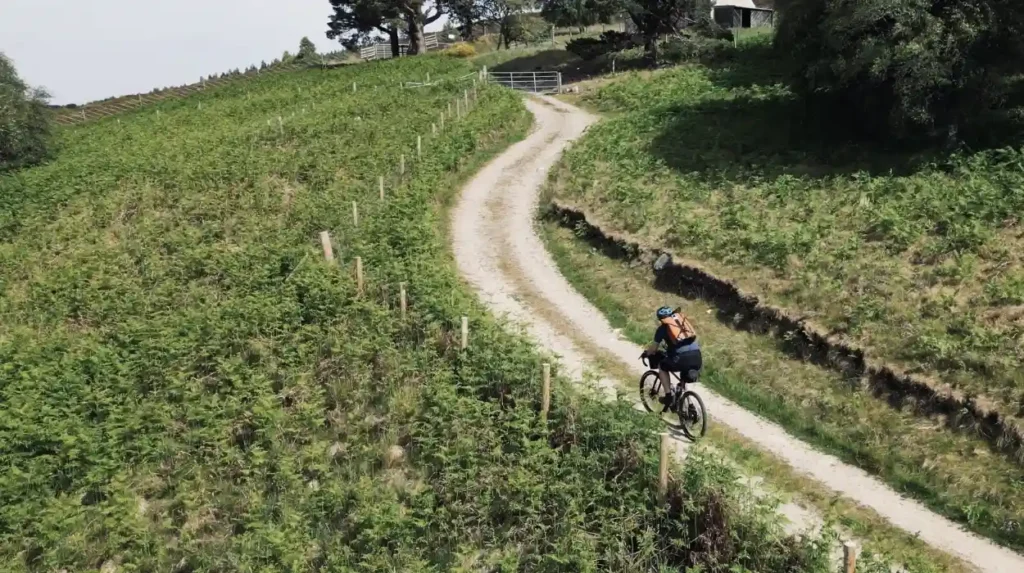
A well-maintained bicycle forms the foundation of cycling safety in Altrincham, where hilly terrain around Timperley and sudden showers test equipment durability. Regular checks on brakes, tyres, and lights prevent mechanical failures that could lead to collisions on shared paths. Inflate tyres to the recommended PSI weekly, as underinflation increases puncture risk on gravel-strewn routes near the Bridgewater Canal.
Local services like Halfords in nearby Stretford offer free bike health checks, focusing on chain lubrication crucial for Altrincham’s variable weather. Inspect gears for smooth shifting before tackling inclines toward Bowdon, and replace worn brake pads to ensure responsive stopping on descents. These habits extend bike lifespan while minimising roadside hazards, keeping rides predictable and secure.
Navigating Traffic: Rules and Best Practices
Altrincham’s roads demand vigilant adherence to Highway Code rules, especially at junctions like the busy Navigation Road roundabout. Cyclists legally count as vehicles, granting right-of-passing priority, but yielding to pedestrians on shared paths prevents disputes. Signal intentions early with arm gestures, particularly when filtering through queues near the A560 during rush hour.
Positioning matters: ride about a door’s width from parked cars to avoid sudden openings, a common issue along leafy Altrincham streets. At roundabouts, maintain primary position in lanes to deter close overtakes, and use lights after dusk on dimly lit paths to Hale. These practices align with TfGM’s cycling courses, which teach confident road-sharing tailored to local conditions.
Weather-Proof Cycling Strategies
Manchester’s climate poses unique safety hurdles for Altrincham cyclists, with rain making surfaces slick and winds gusting along exposed canal towpaths. Opt for wet-weather tyres with deeper treads during autumn downpours, and slow speeds by 20% on damp roads to counter reduced traction. High-friction cycle paths near Altrincham Retail Park exemplify engineering solutions, gripping even in heavy rain.
Layer clothing with reflective elements for low visibility, and fit mudguards to prevent spray obscuring rear lights. Monitor forecasts via the Met Office app, avoiding peak winds that buffet riders on open stretches toward Lymm. These adaptations ensure year-round usability of Altrincham’s network, turning weather challenges into manageable routines.
Safe Route Planning for Commuters
Mapping optimal paths elevates cycling safety in Altrincham, bypassing high-risk arterials like the A56 in favour of backroads through Broadheath. Apps like Komoot or TfGM’s journey planner highlight quietways skirting residential zones, ideal for school runs or market visits. Prioritise routes with continuous pavements, such as those linking to the Transpennine Trail, minimising road exposure.
For city-bound commutes, join the Metrolink at Timperley for hybrid trips, locking bikes securely at stations with CCTV. Time rides to dodge school peak hours near Wellington School, using parallel paths instead. This strategic approach maximises safety while integrating cycling into daily routines seamlessly.
Protecting Yourself: Gear and Visibility
High-visibility gear transforms Altrincham cyclists from overlooked to conspicuous amid pedestrian crowds at the weekly market. Helmets meeting Snell or KASK standards absorb impacts on falls-prone junctions, while padded gloves cushion hands during unexpected stops. Reflective vests and ankle bands amplify presence during evening spins around John Leigh Park.
Carry a toolkit with multi-tool, spare tube, and pump for self-reliance on longer outings to Dunham Massey. Bell usage alerts pedestrians on shared-use paths, fostering courteous coexistence. Investing in quality accessories not only boosts personal safety but reinforces cycling’s positive image locally.
Sharing Paths with Pedestrians and Runners
Altrincham’s popularity for leisure paths amplifies shared-space dynamics, requiring proactive courtesy to avert mishaps. Pass pedestrians with a wide berth and verbal announcement like “on your right,” maintaining momentum on undulating terrain near the Bollin Valley. Slow to walking pace near benches and dog-walkers, especially in Stamford Park’s busier sections.
Respect directional signage on canal towpaths, yielding to oncoming traffic at narrow bridges. During events like the Altrincham Food Festival, dismount in thronged areas to prioritise pedestrian flow. These interactions build community goodwill, ensuring paths remain welcoming for all users.
Local Cycling Training and Clubs
TfGM’s Bee Active courses equip Altrincham novices with route-planning and traffic-confidence skills, held at accessible venues like the Leisure Centre. Seamons Cycling Club organises marshalled rides emphasising road rules, perfect for building group safety awareness on club circuits. These programs address common fears, from lorry navigation to night riding.
Participating fosters networks for buddy systems, invaluable for solo riders on remote legs toward Knutsford. Clubs stress pre-ride briefs on hazards like potholes post-winter, aligning with council repair schedules. Engaging locally hones skills specific to Altrincham’s topography and traffic patterns.
Bike Theft Prevention in Altrincham
Bike theft plagues urban cyclists, with Altrincham seeing incidents of opportunistic snatches near stations. Use Sold Secure Gold-rated D-locks chaining frame and wheel to immovable stands, avoiding tyre-only fixes spotted in community reports. Register bikes on BikeRegister for recovery aid, and etch frames via Trafford Police schemes.
Opt for well-lit, CCTV-covered racks at the Interchange or Market House over isolated spots. Invest in trackers like Apple AirTags hidden discreetly for post-theft location. These measures safeguard investments, sustaining confidence in daily cycling.
Health and Mental Benefits of Safe Cycling
Safe cycling in Altrincham yields profound wellness gains, burning calories on moderate routes while slashing stress via greenway escapes. Consistent riding strengthens cardiovascular health, countering sedentary lifestyles prevalent in suburban settings. Mental clarity emerges from endorphin releases during scenic spins through Hale’s conservation area.
Community rides enhance social bonds, combating isolation in commuter towns. Structured safety adherence builds resilience, translating to everyday confidence. Embracing these rewards motivates sustained habits, amplifying personal and communal vitality.
Future Improvements for Altrincham Cycling
Trafford Council pursues ambitious expansions, including segregated lanes along the A56 corridor to segregate flows. Consultations shape 2026 upgrades prioritising school zones and retail links, informed by resident feedback. High-friction extensions to underpasses promise all-weather reliability.
Collaborations with TfGM aim for seamless integration with e-bike hire schemes, broadening access. Monitoring via cycle counters at key points guides data-driven enhancements. These evolutions position Altrincham as a cycling exemplar, blending safety with sustainability.
Common Mistakes to Avoid
Overconfidence leads many Altrincham cyclists to ignore primary positioning at mini-roundabouts, inviting unsafe overtakes. Neglecting lights post-sunset on winter commutes heightens rear-end risks amid foggy conditions. Skipping route recon exposes novices to unexpected hills or closures near construction sites.
Relying solely on phone mounts distracts at junctions; secure devices pre-ride. Overpacking panniers destabilises handling on gusty days. Correcting these pitfalls through mindful habits elevates ride security markedly.
Cycling safety in Altrincham thrives on informed preparation, from infrastructure savvy to personal vigilance. Riders embracing these principles unlock the town’s full potential as a cyclist’s haven, fostering healthier, greener commutes.