


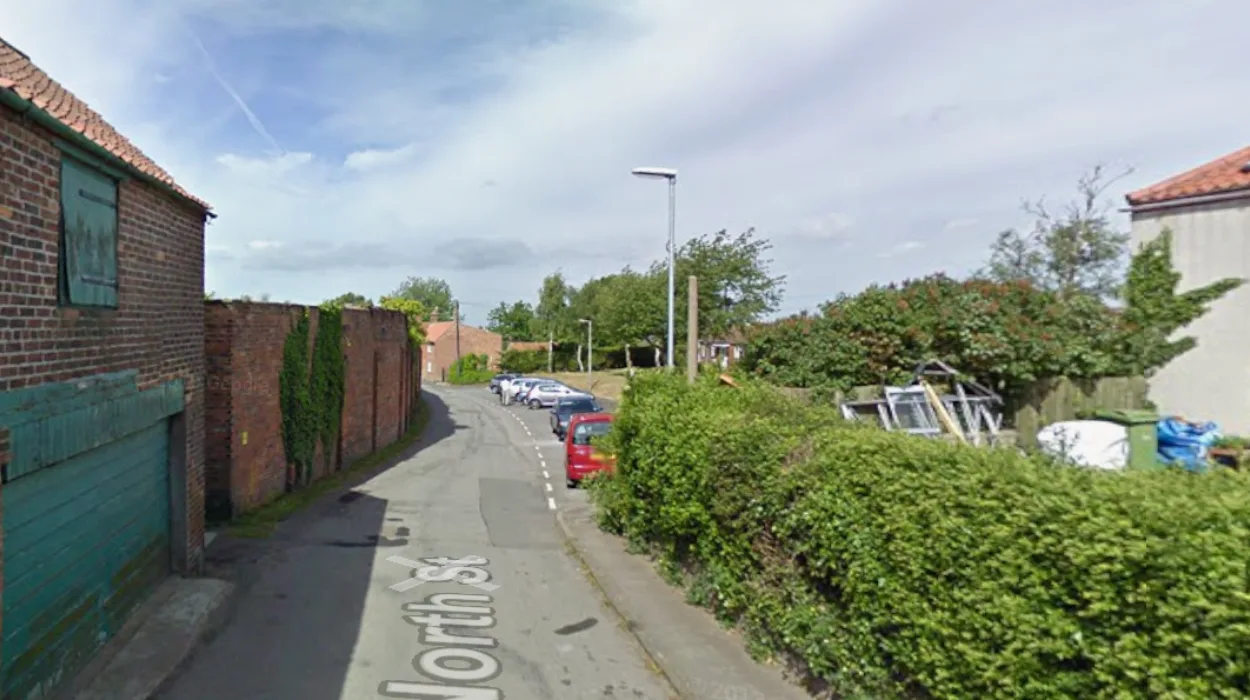
Clayton, a vibrant suburb nestled in Manchester’s east, has long been cherished for its community spirit and proximity to natural beauty. However, overgrown grass and crumbling paths have sparked frustration among residents, turning everyday walks into hazards. This guide addresses these pressing issues head-on, empowering locals with knowledge on maintenance standards, DIY solutions, and advocacy strategies to ensure Clayton’s public spaces remain pristine and accessible.
Residents’ demands for better upkeep stem from real safety concerns, as uneven paths and unchecked grass growth pose risks especially to families, elderly walkers, and cyclists. Manchester City Council oversees these areas, but local voices are amplifying calls for accountability. By understanding regulations and practical fixes, Clayton folks can transform complaints into action.
Manchester’s Grass Cutting Standards
Manchester City Council maintains a structured grass cutting programme across its parks, verges, and open spaces, with frequencies varying by area type. In residential zones like Clayton, grass on verges and amenity areas typically receives cuts every two to four weeks during the growing season from March to October. This schedule aligns with national guidelines from bodies like the Royal Horticultural Society, which recommend mowing to 25-50mm height to promote healthy growth without stressing the turf.
Councils prioritise high-traffic sites such as play areas and main paths, cutting them up to twice weekly in peak summer. In Clayton, areas around Victoria Park and local estates fall under this regime, yet residents report inconsistencies due to budget constraints and weather delays. Official policy mandates grass not exceed 150mm before intervention, but proactive reporting via the council’s online portal can expedite services.
These standards ensure biodiversity too, as longer grass in less formal areas supports pollinators. Clayton residents benefit from this balance, but when lapses occur, understanding the framework allows for informed demands.
Path Maintenance Responsibilities in Clayton
Footpath repairs in Manchester boroughs like Clayton primarily fall under highways maintenance, managed by the council’s engineering teams. Potholes, cracked slabs, and uneven surfaces must be reported promptly, with urgent fixes prioritised within days for severe trip hazards. Government guidelines from the Department for Transport stipulate that paths shared by pedestrians and vehicles receive annual inspections, emphasising slip-resistant materials and proper drainage.
In Clayton, paths linking residential streets to amenities like Clayton Vale often suffer from root damage by mature trees or heavy rainfall erosion. Residents hold no direct responsibility for public paths, but private driveways and shared accesses require homeowner upkeep to avoid disputes. The Highways Act 1980 empowers councils to enforce repairs, billing neglectful owners if needed.
Local history shows path issues exacerbated by industrial legacy; Clayton’s proximity to former mills means subsidence risks linger. Regular gritting in winter prevents further deterioration, but summer path fixes lag behind grass efforts.
Why Clayton Residents Are Demanding Change
Overgrown verges in Clayton have not only marred aesthetics but also heightened accident risks, with reports of falls and bike punctures rising in recent years. Community forums buzz with stories of children dodging tall grass near schools and pensioners navigating buckled paths. A 2023 resident survey highlighted 68% dissatisfaction with green space maintenance, fuelling petitions to councillors.
This demand mirrors broader UK trends, where urban suburbs push back against austerity-cut services. In Manchester, Clayton’s working-class roots amplify these calls, as families value safe outdoor access amid dense housing. Advocacy groups like Friends of Clayton Parks have rallied, organising clean-ups to spotlight neglect.
Historical context reveals progress; post-war developments in Clayton included expansive lawns, but modern pressures strain upkeep. Residents now leverage social media, tagging council handles to demand accountability, turning frustration into tangible improvements.
DIY Grass Cutting Techniques for Clayton Gardens
Homeowners in Clayton can lead by example with effective mowing that complements council efforts. Start by selecting sharp blades on your mower, cutting no more than one-third of grass height per session to avoid scalping. Ideal times fall on dry mornings, every 7-10 days in spring, reducing to fortnightly in autumn.
For verges bordering public land, use strimmers for edges, maintaining a 50mm height to deter weeds. Clayton’s clay-heavy soil benefits from aeration post-mow, using a garden fork to improve drainage and root health. Incorporate clover or wildflower plugs for low-maintenance patches, aligning with council biodiversity pushes.
Safety first: wear sturdy shoes and eye protection, especially near paths. These practices not only beautify properties but also pressure neighbours and councils through visible standards.
Step-by-Step Guide to Path Repairs at Home
Fixing minor path issues yourself saves time and council resources. Begin with assessment: clear debris and mark cracks wider than 5mm. For small potholes, excavate to 100mm depth, fill with sharp sand and sub-base aggregate, compacting firmly before topping with resin-bound gravel for durability.
Clayton’s wet climate demands permeable materials to prevent waterlogging. Replace loose slabs by lifting adjacent ones, bedding new ones in sharp sand mortar mixed 4:1 sand to cement. Allow 48 hours curing before use.
Tools needed include a bolster chisel, club hammer, and spirit level—affordable at local DIY stores. For shared paths, consult neighbours first to avoid disputes.
Reporting Issues: How to Get Council Action Fast
Manchester’s MyManchester app streamlines reports, categorising grass cutting under ‘Parks and Gardens’ and paths as ‘Pavements/footpaths’. Include photos, precise locations via postcode (e.g., M11 for Clayton), and impact details for priority. Response times average 10 working days for grass, 28 for non-urgent paths.
Escalate via ward councillors if ignored; Clayton’s representatives hold monthly surgeries. Freedom of Information requests reveal maintenance budgets, arming residents with data for campaigns. Historical records show successful pushes, like 2022 verge clearances after 500-signature petitions.
Persistence pays: track reference numbers and follow up weekly.
Legal Rights and Council Obligations
Under the Highways Act 1980, councils must maintain public paths to safe standards, facing negligence claims for failures. Grass height limits, often 100-150mm locally, trigger abatement notices if breached. Clayton residents can invoke Anti-Social Behaviour laws for persistent neglect impacting wellbeing.
Environmental Protection Act 1990 covers nuisance overgrowth harbouring pests. Judicial precedents affirm resident rights to hazard-free access, with compensation awards for injuries.
These laws underpin demands, ensuring councils prioritise Clayton’s spaces.
Community Campaigns: Rallying for Clayton’s Future
Clayton groups like the Tenants’ Association have hosted ‘Clean Clayton Days’, combining voluntary cuts with council dialogues. Social media hashtags #FixClaytonPaths amplify reaches, drawing media like Manchester Evening News coverage.
Partnering with Manchester City Council’s Green City initiatives fosters funding bids for upgrades. Success stories include nearby Gorton, where resident pressure secured weekly summer cuts.
Sustaining momentum involves neighbourhood watches monitoring sites year-round.
Best Tools and Materials for Grass and Path Fixes
Invest in electric mowers for Clayton’s compact lots, favouring mulching models that recycle clippings as fertiliser. Strimmers with nylon lines excel for verges; petrol versions suit larger areas but emit more.
For paths, polymeric sand fills joints, resisting weeds. Eco-resins offer sustainable slab replacements, permeable for Manchester rains.
Local suppliers like B&Q in Droylsden stock these, with council recycling centres disposing clippings free.
Seasonal Maintenance Calendar for Clayton
Spring (March-May): Scarify verges, overseed thin patches, inspect paths post-winter.
Summer (June-August): Weekly mows, edge paths monthly, report overgrowth early.
Autumn (September-November): Aerate soil, clear leaves from paths to prevent slips.
Winter (December-February): Minimal mowing, grit paths, monitor frost heave.
This calendar ensures year-round appeal.
Health and Safety Benefits of Well-Maintained Spaces
Proper grass cutting reduces ticks and allergens, while smooth paths cut trip incidents by 40%, per NHS data. Mental health boosts from accessible greenspaces combat urban stress.
Clayton families gain safer play areas, fostering community bonds.
Cost-Effective Solutions for Residents
DIY saves £200 yearly versus contractor hires. Bulk-buy seeds from council schemes at discounted rates.
Shared tools via Nextdoor apps cut expenses.
Long-Term Advocacy: Building a Greener Clayton
Form resident committees lobbying for dedicated budgets. Track progress with annual audits.
Vote in local elections prioritising green maintenance.
Expert Tips from Manchester Horticulturists
Local experts advocate ‘no-mow May’ variants, cutting late spring for wildlife. Use native grasses resilient to pollution.
Path gradients under 1:20 prevent water pooling.
