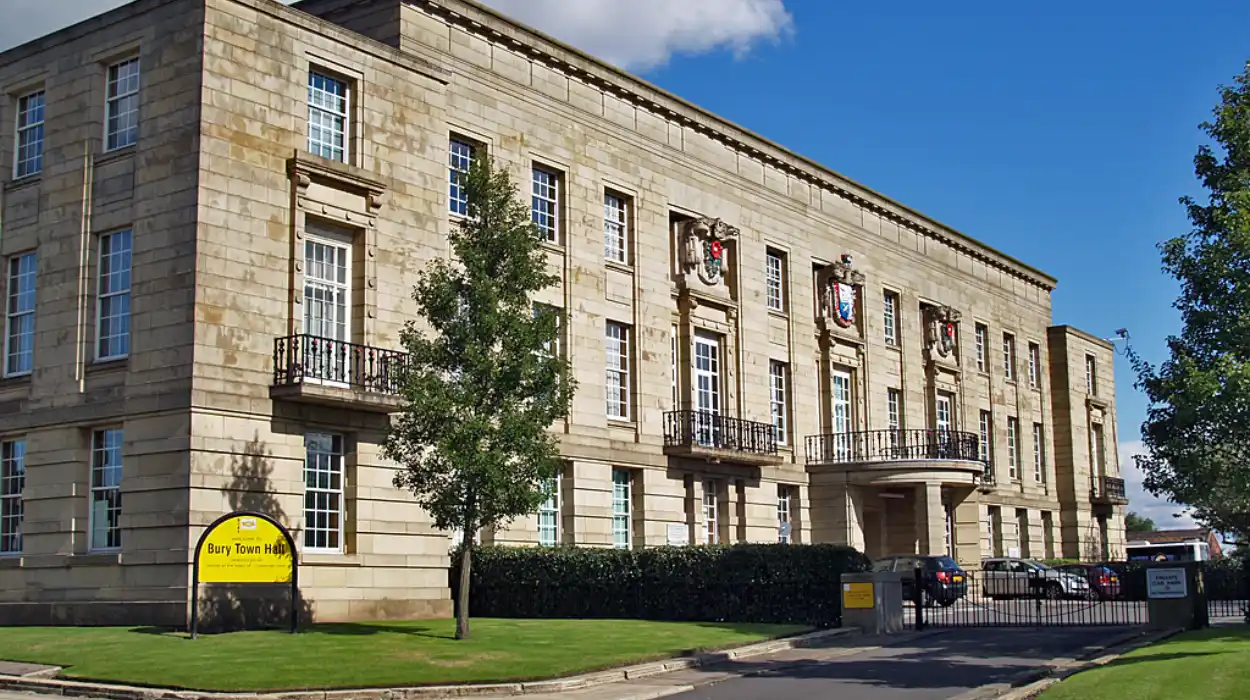
Bury Council has long been a focal point of public discontent in Greater Manchester, with recurring scandals drawing sharp criticism from residents, campaigners, and oversight bodies. From mishandled child safeguarding cases to allegations of unlawful property disposals, the council’s decisions have sparked widespread debate about accountability and transparency in local government. This article delves into the major controversies that have placed Bury Council under fire, examining their roots, consequences, and the broader implications for community trust.
- Historical Context of Bury Council’s Governance
- The 2017 Safeguarding Scandal
- Land Sales and Section 123 Breaches
- GDPR Violations and Cover-Up Allegations
- Planning and Development Controversies
- Financial Mismanagement Claims
- Impact on Residents and Businesses
- Official Responses and Reforms
- Broader Lessons for Local Governance
- Ongoing Developments and Community Voice
Historical Context of Bury Council’s Governance
Bury Metropolitan Borough Council, established in 1974 under local government reorganization, oversees a diverse area in Greater Manchester that includes the towns of Bury, Ramsbottom, Tottington, and Radcliffe. The council manages essential services such as housing, education, social care, and planning, serving a population exceeding 190,000. Historically, Bury has grappled with post-industrial decline, budget pressures from central government cuts, and the challenges of regenerating town centers amid shifting retail landscapes. These pressures have often amplified governance issues, turning routine decisions into flashpoints for controversy.
In the early 2010s, Bury Council navigated financial strain by approving ambitious regeneration projects, including the £3.1 billion Bury Growth Deal aimed at infrastructure and housing development. However, optimism soured as projects faced delays and cost overruns, fostering resident skepticism. By the mid-2010s, isolated incidents began eroding public confidence, setting the stage for more significant scandals that would dominate headlines.
The 2017 Safeguarding Scandal
One of the most damaging episodes occurred in 2017 when Bury Council’s chief executive, alongside two senior officers, was suspended amid allegations of procedural failures in a child safeguarding case. The incident involved claims that proper protocols were not followed, raising serious questions about the council’s child protection mechanisms. This suspension highlighted systemic vulnerabilities in social services, where timely interventions are critical.
The fallout was swift and severe. An independent investigation revealed lapses in communication and decision-making, prompting resignations and a review of safeguarding practices across Greater Manchester councils. Residents expressed outrage, viewing the episode as a betrayal of vulnerable families. The council responded by implementing new training protocols and external audits, but the damage to its reputation lingered, with local media labeling it a “damning indictment” of leadership failures.
This scandal underscored broader national concerns about local authority child protection, echoing similar issues in nearby Trafford and Oldham. For Bury, it marked the beginning of a pattern where internal mismanagement fueled external firestorms.
Land Sales and Section 123 Breaches
More recently, Bury Council has faced accusations of breaching Section 123 of the Local Government Act 1972, which mandates that public assets be sold at “best consideration” – essentially market value – to prevent undervalued disposals that could benefit private interests. Internal emails, obtained through Freedom of Information requests, reportedly showed council officers acknowledging potential violations while proceeding with sales of green belt and development land for as little as £1 in some instances.
Campaigners, particularly from local green belt protection groups, alleged that outdated valuations from two years prior were used without open-market assessments, allowing properties to be sold below worth. One high-profile case involved multiple sites where planning permissions were swiftly approved post-sale, raising suspicions of cronyism. Residents argued that these actions not only eroded public assets but also threatened green spaces vital to community well-being.
The council defended its actions by citing economic necessities and legal advice, but critics pointed to a lack of transparency. Independent advisors were accused of omitting key details about protected land status, further fueling claims of incompetence or deliberate deceit. These controversies peaked around 2025, with social media and local forums amplifying calls for investigations.
GDPR Violations and Cover-Up Allegations

Compounding the land sale issues, Bury Council has been accused of breaching the General Data Protection Regulation (GDPR) by repeatedly missing deadlines for Subject Access Requests (SARs). In one account, a resident pursuing details on their case received partial information after initial delays, only for a second request to go unanswered beyond legal timelines. This pattern suggested an attempt to conceal internal discussions admitting to Section 123 breaches.
The Information Commissioner’s Office (ICO) became involved, scrutinizing the council’s data handling practices. Critics speculated that withheld documents might reveal deeper irregularities, such as communications with developers or overlooked legal risks. Bury Council’s response emphasized resource constraints, but this did little to quell perceptions of evasion. The episode highlighted tensions between public accountability and administrative efficiency, with GDPR non-compliance risking fines up to 4% of annual turnover.
These data scandals have intertwined with property disputes, creating a narrative of systemic opacity that residents find particularly galling in an era of digital transparency expectations.
Planning and Development Controversies
Bury Council’s planning department has been at the epicenter of multiple disputes, often accused of favoring development over community interests. The Head of Planning faced backlash for allegedly misleading reports on green belt protections, omitting that certain laws did not apply to safeguarded land. This led to approvals for housing on contentious sites, sparking protests from environmental groups.
In 2025, videos and social media exposés detailed how council officers pushed through permissions after nominal land sales, bypassing rigorous best-value checks. Residents in areas like Radcliffe and Unsworth voiced fears over lost green spaces, traffic congestion, and strained services. The council’s reliance on a single, outdated valuation firm drew further ire, with calls for competitive tendering processes.
These planning rows reflect national debates on housing targets versus local democracy, but in Bury, they have personalized the council’s “under fire” status. Public meetings have grown heated, with accusations of “greed and incompetence” dominating discourse.
Financial Mismanagement Claims
Financial scrutiny has intensified amid austerity measures, with Bury Council borrowing heavily for regeneration while services face cuts. Critics highlight a £1 land sale as emblematic of poor fiscal stewardship, arguing it deprives taxpayers of revenue needed for schools and roads. Section 123 breaches, if proven, could trigger audits by the District Auditor, potentially uncovering wider irregularities.
The council’s Medium-Term Financial Strategy outlines balancing budgets through asset sales, but opponents contend this prioritizes short-term gains over long-term sustainability. In 2025, Reddit threads and Facebook groups dissected council minutes, revealing internal doubts ignored in favor of proceeding. This has eroded trust, with voter turnout in by-elections dipping amid apathy.
Impact on Residents and Businesses
The cumulative effect of these scandals weighs heavily on Bury’s 190,000 residents. Families reliant on social care fear repeat safeguarding lapses, while environmentalists mourn vanishing green belts. Businesses in town centers report declining footfall, attributing it partly to negative press tarnishing the area’s image.
Property values in disputed development zones fluctuate, creating uncertainty for homeowners. Local elections have seen independent candidates surge on anti-council platforms, signaling deep disillusionment. For Manchester Mirror readers across Greater Manchester, these issues resonate as cautionary tales of local power dynamics.
Official Responses and Reforms
Bury Council has issued statements reaffirming commitment to legality, with vows to review sale processes and enhance GDPR compliance. Following the safeguarding scandal, mandatory training was rolled out, and planning advisors now face stricter oversight. The ICO investigation remains ongoing as of early 2026, with potential enforcement actions looming.
Leadership changes, including new chief executives, aim to restore credibility. Partnerships with the Greater Manchester Combined Authority seek external validation for major projects. Yet, campaigners demand independent inquiries, arguing internal reviews lack teeth.
Broader Lessons for Local Governance

Parrot of Doom
Bury Council’s travails mirror challenges facing UK councils nationwide: shrinking budgets, complex regulations, and heightened public scrutiny via social media. Section 123 and GDPR enforcements serve as reminders that procedural adherence is non-negotiable. For residents, these episodes underscore the importance of FOI requests and community activism in holding power accountable.
In Greater Manchester, Bury’s struggles contrast with more stable neighbors like Trafford, prompting regional discussions on best practices. Ultimately, rebuilding trust requires not just compliance but proactive engagement – town halls, transparent reporting, and genuine resident input.
Ongoing Developments and Community Voice
As of February 2026, investigations into recent arson incidents and property probes continue, with Greater Manchester Police collaborating on related inquiries. Social media remains abuzz, with forums like Reddit’s r/manchester dissecting council motives. Residents urge sustained pressure to prevent recurrence.
Bury’s story is far from over, but its “under fire” status compels reflection on governance essentials: integrity, responsiveness, and foresight. For Manchester Mirror audiences, staying informed empowers collective action.