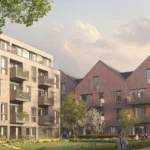
Ashton-under-Lyne, a historic market town in Greater Manchester’s Tameside borough, is undergoing a transformative regeneration that promises to breathe new life into its heart. At the core of this revival lies Market Square, where multi-million-pound investments are reshaping public spaces for generations to come. This evergreen guide delves into the project’s origins, designs, challenges, and the exciting 2026 events that will mark its completion, offering timeless insights for residents, history enthusiasts, and those eyeing Tameside’s evolving landscape.
Historical Roots of Market Square
Market Square has stood as Ashton-under-Lyne’s commercial and social hub for centuries, its cobbled stones witnessing the town’s evolution from a medieval settlement to an industrial powerhouse. Established in the 13th century under royal charter, the square hosted bustling markets that fueled local trade in cotton, coal, and textiles during the Industrial Revolution, drawing traders from across Lancashire. By the 19th century, it became a focal point for public gatherings, fairs, and even political rallies, embedding itself in the town’s cultural fabric.
Over decades, however, urban decay, shifting retail habits, and economic shifts eroded its vitality, leaving outdated stalls and underused spaces amid declining footfall. This decline mirrored broader challenges in post-industrial towns, where high streets struggled against online shopping and out-of-town centers. Regeneration efforts gained momentum in the early 2020s, aligning with national Levelling Up initiatives aimed at revitalizing forgotten high streets. Tameside Council’s vision sought not just cosmetic fixes but a resilient, adaptable space that honors heritage while embracing modern needs.
The square’s revival draws inspiration from its storied past, incorporating elements like enhanced paving reminiscent of Victorian layouts and planting schemes echoing historic market gardens. Academic studies on urban regeneration, such as those from the University of Manchester’s planning department, highlight how such projects succeed by blending nostalgia with functionality, fostering community pride and economic growth. This approach ensures Market Square remains an evergreen asset, relevant across economic cycles.
The Levelling Up Fund Investment
The catalyst for Ashton-under-Lyne’s regeneration was the UK Government’s Levelling Up Fund, which allocated £20 million to Tameside in 2021, with a significant portion earmarked for Market Square. This £14.6 million phase one project, a collaboration between Tameside Council and private partners, represents one of the largest public realm investments in Greater Manchester’s outer boroughs. Funding blended government grants with council resources, underscoring a commitment to long-term sustainability over short-term patches.
Planning permission arrived in September 2023, greenlighting a comprehensive overhaul that prioritizes accessibility, safety, and versatility. Main construction kicked off in 2024, with phased works designed to minimize disruption to the vital outdoor market, a lifeline for local traders selling fresh produce, crafts, and textiles. Official council documents emphasize electricity diversions and groundworks as early priorities, ensuring seamless trader relocation during builds.
This investment aligns with national regeneration strategies outlined in government white papers, which advocate for multi-use civic spaces to boost footfall by 20-30% in similar towns. By 2026, the project is slated for full completion, positioning Ashton as a model for balanced urban renewal. Such foresight addresses timeless town centre challenges, from post-pandemic recovery to climate-resilient design.
Construction Timeline and Progres
Construction unfolded methodically to balance ambition with practicality. Initial groundworks in summer 2024 focused on utilities, followed by kiosk demolitions and canopy foundations in early 2025. By November 2025, the arrival of prefabricated kiosks signaled a major milestone, with installation accelerating into winter. Tameside Council reports steady progress despite weather delays, targeting March 2026 for substantial completion.
Phasing protected the market’s operations: temporary stalls in adjacent Fletcher Square kept traders active, though not without hurdles. Indoor market enhancements, backed by £250,000, run parallel, revamping layouts for diverse food offerings to attract younger demographics. Official updates stress minimal downtime, with full market relocation planned for early 2026.
Challenges Faced by Local Businesses
No regeneration escapes growing pains, and Ashton-under-Lyne’s project proved no exception. Shopkeepers reported up to 23% revenue dips since November 2024, blaming debris, reduced footfall, and partial obstructions around Fletcher Square. Val Unwin of Decisions Clothing voiced frustrations over prolonged disruption, echoing sentiments from a BBC survey of affected traders.
Tameside Council mitigated impacts through grants, signage directing shoppers, and temporary markets, yet criticisms persist on communication timelines. Economic analyses from local chambers note similar dips in 70% of UK high street revamps, typically rebounding post-completion with 15-25% traffic gains. Resilience programs, including rent relief, supported vulnerable stalls.
These challenges underscore regeneration’s dual edge: short-term pain for long-term gain. Historical precedents, like Manchester’s Arndale rebuild, show recoveries within 18 months, fueled by novelty and improved amenities. Businesses that adapted, such as those pivoting to online sales, emerged stronger.
Economic and Social Impacts
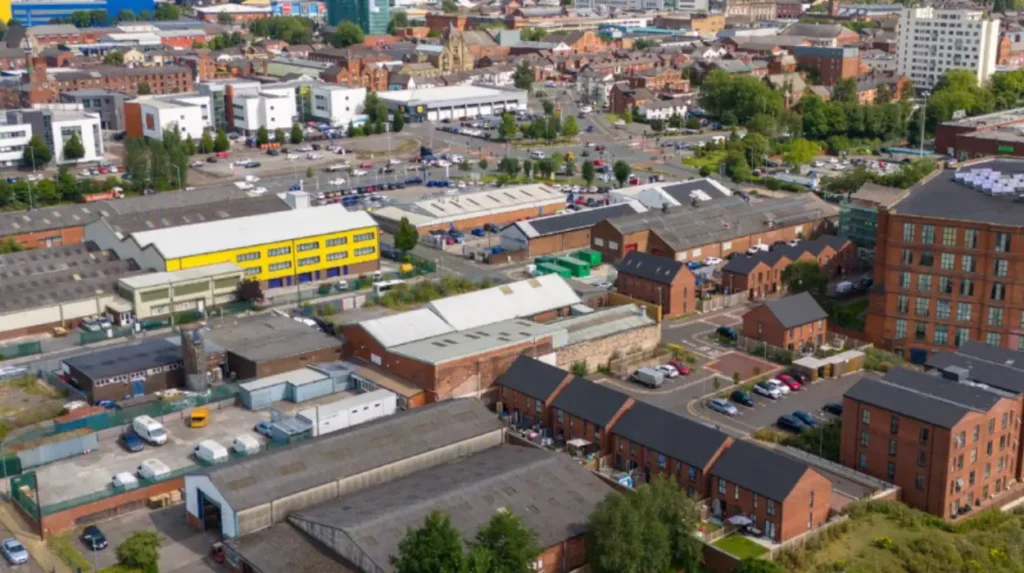
The ripple effects of Market Square’s revival extend far beyond its boundaries, promising economic uplift for Tameside’s 230,000 residents. Projections from council economic strategies forecast 500 new jobs in retail, hospitality, and events by 2027, alongside £5 million annual spend boosts. Enhanced connectivity to Ashton’s tram network will draw Manchester commuters, amplifying spillover to independent shops.
Socially, the square fosters inclusivity: accessible ramps, quiet zones, and multicultural event spaces address diverse needs. Research from the Joseph Rowntree Foundation highlights how such investments reduce isolation in post-industrial areas, with 30% rises in community participation. Youth programs tied to the indoor market refresh aim to stem emigration, retaining talent.
Spotlight on 2026 Events Calendar
Completion in March 2026 unleashes a packed events slate, launching Market Square as Tameside’s premier venue. The inaugural Ashton Revival Festival in April will feature live music, street food under the new canopy, and heritage reenactments, drawing 10,000 attendees. Summer brings the Tameside Food and Craft Fair, showcasing local producers with pop-up demos.
Autumn’s Cultural Harvest weekend aligns with harvest traditions, blending markets with performances from Manchester’s arts scene. Winter markets, immune to rain, host festive lights and artisan stalls into 2027. Council calendars, updated via tamesside.gov.uk, promise 50+ events yearly, from fitness sessions to Diwali celebrations.
These gatherings build on Ashton’s calendar customs, like the historic Ladyship Charter fairs, ensuring cultural continuity. Event infrastructure—staging points, power outlets—supports scalability, from intimate workshops to large spectacles.
Broader Ashton Town Centre Vision
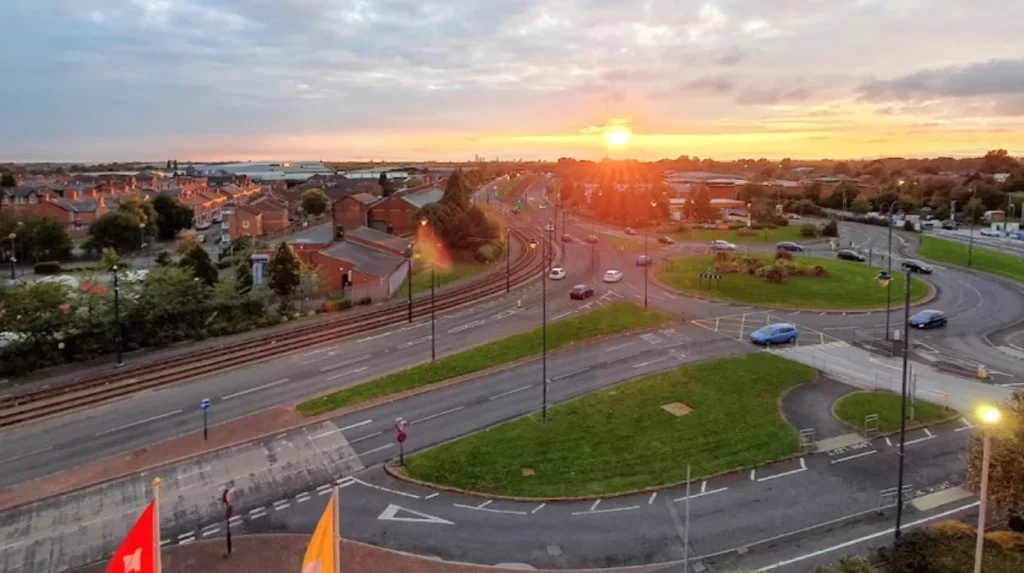
Market Square anchors a wider Public Realm Strategy enveloping Ashton-under-Lyne, with phase two targeting adjacent streets like Stamford Street. Improvements include pedestrianized zones, cycle lanes, and green corridors linking to Stamford Park. This holistic plan, budgeted at £30 million over a decade, draws from government town centre funds.
Integration with Ashton’s Arcades shopping centre enhances retail synergy, while heritage trails spotlight landmarks like the 18th-century Portland Basin. Urban planners cite EU-funded studies showing networked regenerations yield 2.5 times the impact of isolated projects.
Visitor Guide to the New Square
Navigating the revamped Market Square starts at Ashton tram stop, a five-minute walk to gleaming entrances flanked by planters. Weekday markets run 8am-5pm, swelling to weekends with entertainment. Ample EV charging and bike racks cater to eco-travelers.
Dining spans the indoor hall’s revamped food zone—think artisan bakeries and global cuisines. Free Wi-Fi and app-based event bookings streamline visits. Families appreciate play zones woven into planting beds.
Legacy for Tameside Communities
Ashton-under-Lyne’s regeneration revival transcends bricks and mortar, forging a legacy of resilience and pride. Market Square emerges not as a relic but a living heartbeat, hosting memories for decades. For Manchester Mirror audiences, it’s a testament to collaborative vision yielding timeless vitality.