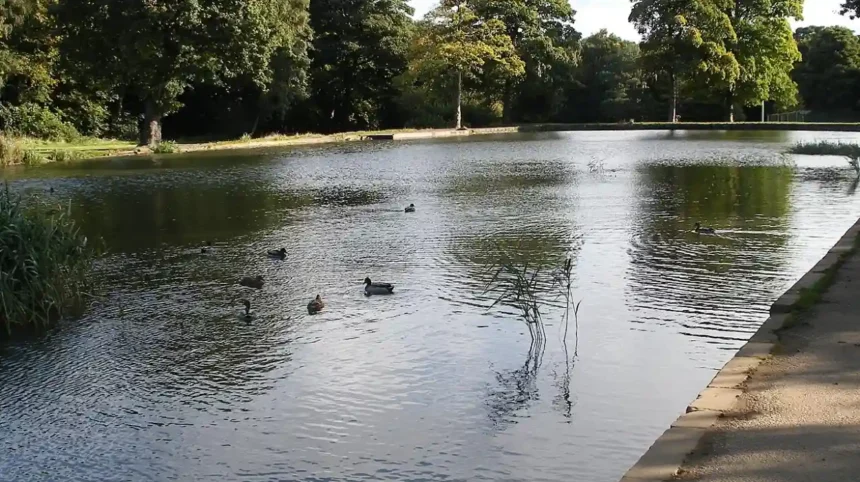
Middleton is a town in the Metropolitan Borough of Rochdale, Greater Manchester, England. Its public parks serve as community gathering points, recreational spaces, and green corridors for residents across all age groups. Anti-social behaviour in Middleton parks refers to conduct that causes harassment, alarm, or distress to members of the public within these open spaces. It includes vandalism, intimidation, drug misuse, alcohol-related disorder, aggressive behaviour, and the deliberate destruction of park infrastructure. This behaviour directly undermines the safety, accessibility, and value of public green spaces for law-abiding residents.
- What Is Anti-Social Behaviour and How Is It Defined in UK Law?
- What Types of Anti-Social Behaviour Occur in Middleton Parks?
- What Are the Main Causes of Anti-Social Behaviour in Public Parks?
- How Does Anti-Social Behaviour in Parks Affect Local Residents?
- What Powers Do Police and Councils Have to Address Park Disorder in Middleton?
- What Community-Led Initiatives Have Helped Reduce Park Anti-Social Behaviour?
- What Evidence Exists That Environmental Design Reduces Park Anti-Social Behaviour?
- What Steps Can Residents Take to Report Anti-Social Behaviour in Middleton Parks?
What Is Anti-Social Behaviour and How Is It Defined in UK Law?
Anti-social behaviour in the UK is formally defined under the Anti-Social Behaviour, Crime and Policing Act 2014 as conduct that has caused, or is likely to cause, harassment, alarm, or distress to any person. This legal definition gives councils and police clear authority to act.
The Anti-Social Behaviour, Crime and Policing Act 2014 replaced earlier legislation and introduced a streamlined set of powers for authorities. Under this Act, agencies can issue Civil Injunctions, Community Protection Notices (CPNs), Public Spaces Protection Orders (PSPOs), and Closure Orders. A Civil Injunction can be granted by a court to prevent individuals aged 10 and above from engaging in anti-social conduct. A Community Protection Notice is issued directly to individuals or organisations to stop behaviour that has a detrimental effect on the quality of life of those in the locality.
Public Spaces Protection Orders allow local councils to restrict specific activities in defined geographic areas, including parks, for a period of up to three years. Rochdale Metropolitan Borough Council holds authority over Middleton’s public parks and has the power to apply all four of these enforcement tools. Breach of a PSPO is a criminal offence carrying a fixed penalty notice of up to 100 pounds or a fine of up to 1,000 pounds on prosecution.
What Types of Anti-Social Behaviour Occur in Middleton Parks?
The most common types of anti-social behaviour reported in Middleton parks include vandalism, drug and alcohol misuse, intimidation of park users, fly-tipping, and damage to play equipment. These incidents are not isolated and form a recurring pattern documented by Greater Manchester Police and local council reports.
Vandalism involves the deliberate defacement or destruction of park property. In Middleton parks, this includes graffiti on park benches, shelter walls, and play structures, as well as the smashing of lighting fixtures and breakage of litter bin units. Drug misuse is a documented problem across several of Rochdale borough’s open spaces. Discarded needles and drug paraphernalia have been found in park areas, presenting a direct public health hazard, particularly for children. Alcohol-related disorder is another persistent issue, with groups consuming alcohol in park spaces and engaging in loud, threatening behaviour that discourages families and elderly residents from using the areas.
Intimidation takes the form of verbal abuse, threatening gestures, and deliberate obstruction of park pathways. Fly-tipping, the illegal disposal of waste in open spaces, is also categorised as anti-social behaviour and contributes to the degradation of park environments. Each of these forms has a compounding effect: when one type of behaviour increases, overall park usage declines, which in turn reduces natural surveillance and allows further disorder to escalate.
What Are the Main Causes of Anti-Social Behaviour in Public Parks?
The root causes of anti-social behaviour in public parks include social deprivation, lack of structured youth provision, inadequate park maintenance, reduced police presence, and the absence of active community oversight. These factors operate together rather than in isolation.
Middleton falls within the Metropolitan Borough of Rochdale, which ranks among the more deprived local authority areas in England. According to the English Indices of Multiple Deprivation, several wards within Rochdale have high rates of unemployment, low educational attainment, and limited access to quality recreational facilities. Deprivation creates conditions where young people have fewer structured activities and are more likely to congregate in parks without purposeful engagement. Research published by the Joseph Rowntree Foundation and studies cited by the Home Office consistently link concentrated deprivation with higher rates of anti-social conduct in public spaces.
The reduction in funded youth services following public sector budget cuts from 2010 onwards removed many structured alternatives for young people in towns like Middleton. Between 2010 and 2020, youth services spending across England fell by approximately 70 percent according to the National Youth Agency. Parks become default gathering points when youth clubs, sports programmes, and community centres close. Additionally, reduced council budgets have meant fewer park wardens, less frequent maintenance, and slower response times to damage, all of which signal to offenders that spaces are unmonitored.
How Does Anti-Social Behaviour in Parks Affect Local Residents?
Anti-social behaviour in Middleton parks reduces physical and mental wellbeing among residents by restricting access to green space, increasing fear of crime, lowering property values in surrounding streets, and diminishing community cohesion. The harm extends beyond those directly affected by individual incidents.
Access to public green space is directly linked to physical health outcomes. The NHS recommends regular physical activity in natural environments, and parks are a primary venue for walking, sport, and children’s play. When residents feel unsafe in parks, they reduce their use of these spaces. A 2020 survey by the Office for National Statistics found that fear of anti-social behaviour was one of the leading reasons people avoided public parks in urban areas. Mental health impacts are equally significant. Green space access is associated with reduced rates of depression, anxiety, and stress. Exclusion from parks due to intimidation or disorder disproportionately affects older residents, disabled individuals, parents with young children, and those without access to private gardens.
Property values in streets adjacent to poorly maintained or disorder-affected parks are demonstrably lower. Research from the University of Exeter found that proximity to well-maintained green space increased residential property values by up to 5 percent, while the reverse effect applied to degraded spaces. Community cohesion suffers when shared spaces are controlled by antisocial groups. The psychological concept of broken windows theory, developed by criminologists James Wilson and George Kelling in 1982, describes how visible disorder signals that an area is uncared for, which invites further neglect and disorder.
What Powers Do Police and Councils Have to Address Park Disorder in Middleton?
Greater Manchester Police and Rochdale Metropolitan Borough Council together hold a range of statutory powers to address anti-social behaviour in Middleton parks. These include dispersal orders, Community Protection Notices, Public Spaces Protection Orders, and partnership enforcement through the council’s Anti-Social Behaviour Team.
Greater Manchester Police can issue Section 35 dispersal directions under the Anti-Social Behaviour, Crime and Policing Act 2014, requiring individuals to leave a defined area for up to 48 hours. Failure to comply is a criminal offence. The dispersal power is particularly relevant for park spaces where groups congregate and intimidate other users. Rochdale Council’s Anti-Social Behaviour Team works alongside the police through a Community Safety Partnership framework. This partnership is a statutory arrangement under the Crime and Disorder Act 1998 requiring councils, police, fire services, and health bodies to collaborate on reducing crime and disorder.
Public Spaces Protection Orders can be used to ban specific activities such as alcohol consumption, dog fouling, or gatherings of certain sizes within defined park boundaries. Rochdale Council has previously used PSPOs in various parts of the borough. Additionally, park rangers employed by the council have enforcement responsibilities, including issuing fixed penalty notices for littering, fly-tipping, and dog control offences. Anti-social behaviour case management also involves working with housing associations where offenders are tenants, as tenancy conditions prohibit conduct causing nuisance or annoyance to the community.
What Community-Led Initiatives Have Helped Reduce Park Anti-Social Behaviour?
Community-led approaches including park friends groups, volunteer patrol schemes, environmental improvement projects, and youth diversion programmes have proven effective in reducing anti-social behaviour in parks across Greater Manchester and comparable areas.
Friends of parks groups are volunteer organisations that take active stewardship of local park spaces. These groups organise regular litter picks, plant community gardens, report damage to councils, and create events that attract positive footfall. High levels of regular, legitimate use are among the most effective deterrents against anti-social behaviour because they reduce opportunities for disorder to go unnoticed. In Rochdale borough, community groups have engaged with the council’s parks service to secure funding for physical improvements including new lighting, resurfaced paths, and restored play equipment, all of which reduce the environmental signals associated with neglect. Youth diversion initiatives run by organisations such as local charities and the Greater Manchester Violence Reduction Unit redirect young people away from antisocial behaviour by offering structured activities, mentoring, and engagement with community projects. The Violence Reduction Unit for Greater Manchester, established in 2019 following the national VRU model, allocates funding to early intervention work in communities with high rates of youth disorder. Street-based youth work, which involves outreach workers engaging with young people in the open spaces they already occupy, has demonstrated measurable reductions in anti-social incidents in pilot programmes across the UK.
What Evidence Exists That Environmental Design Reduces Park Anti-Social Behaviour?
Environmental design changes including improved lighting, open sightlines, removal of concealed areas, active park programming, and regular maintenance reduce anti-social behaviour in parks by applying the principles of Crime Prevention Through Environmental Design (CPTED).
CPTED is a discipline developed in the 1970s by criminologist C. Ray Jeffery and further developed through the work of Oscar Newman on defensible space theory. Its core principle is that the physical design of a space can either encourage or discourage criminal and anti-social behaviour. In the context of parks, CPTED recommendations include ensuring all areas of a park are visible from public pathways, removing dense shrub areas that provide cover for illicit activity, installing adequate lighting along all paths and near play equipment, using robust and vandal-resistant materials for park furniture and fixtures, and maintaining the space to a consistent standard. Research by Nacro, the crime reduction charity, and studies funded by the Home Office confirm that parks with high-quality lighting experience significantly fewer incidents of night-time anti-social behaviour.
Active programming, meaning the regular scheduling of events, fitness classes, community markets, and youth activities in park spaces, increases legitimate use throughout the day and evening. This creates natural guardianship, where the presence of regular users deters antisocial conduct. Councils in Greater Manchester including Rochdale have integrated CPTED principles into park improvement strategies funded through the Levelling Up agenda and the UK Shared Prosperity Fund, both of which allocate resources to environmental regeneration in deprived communities.
What Steps Can Residents Take to Report Anti-Social Behaviour in Middleton Parks?
Residents in Middleton can report anti-social behaviour in parks to Greater Manchester Police, Rochdale Council’s Anti-Social Behaviour Team, and through the council’s online reporting system. Reporting is the primary mechanism through which authorities build the evidence base needed to apply formal enforcement powers.
Anti-social behaviour that is happening at the time of reporting or involves an immediate threat should be reported to Greater Manchester Police. Non-emergency reports can be made through the police 101 service or the Greater Manchester Police online reporting portal. Rochdale Council provides a dedicated anti-social behaviour reporting route for incidents that do not require immediate police attendance but require council action, such as ongoing nuisance from groups in parks, fly-tipping, and damage to park infrastructure. Residents who report incidents consistently over time contribute to a case file that supports the issuing of CPNs, PSPOs, or Civil Injunctions.
Witness statements from affected residents are a formal requirement in the legal process for obtaining some enforcement orders. Community safety wardens employed by the council also conduct regular patrols and accept direct reports from members of the public during those patrols. The My Rochdale online portal allows residents to log reports of anti-social behaviour digitally at any time. Collective reporting by multiple residents about the same location or group of individuals carries more weight in the enforcement process than individual complaints, as it demonstrates a pattern of behaviour affecting a wider section of the community.
Anti-social behaviour in Middleton parks is a documented community issue with identifiable causes, legal frameworks for response, and evidence-based solutions. Addressing it effectively requires coordinated action from Greater Manchester Police, Rochdale Metropolitan Borough Council, community organisations, and local residents. The legal tools already exist. Their effective application depends on consistent reporting, environmental investment, youth provision, and active community participation in the stewardship of shared public spaces.
What is Middleton, Manchester famous for?
Middleton is a historic market town in the Metropolitan Borough of Rochdale, Greater Manchester, known for its textile heritage, medieval parish church, and community green spaces. It is also recognised for its ongoing efforts to tackle anti-social behaviour in public parks through council-led and community-driven initiatives.
Is Middleton a town or city?
Middleton is a town, not a city. It sits within the Metropolitan Borough of Rochdale in Greater Manchester and operates under Rochdale Metropolitan Borough Council, which holds authority over its public parks and community safety enforcement.
What is the average income in Middleton WI?
This question refers to Middleton, Wisconsin, USA, which is unrelated to the subject of this article. This article focuses on Middleton, Manchester, England, where local deprivation levels in the Rochdale borough are a documented contributing factor to anti-social behaviour in public parks.
Is Middleton, WI expensive?
Middleton, Wisconsin is a separate location in the United States and falls outside the scope of this article. The article addresses Middleton in Greater Manchester, England, where public space management, council enforcement, and community safety are the central concerns.
Which state is the strongest financially?
This question does not relate to the article topic. This article covers anti-social behaviour in Middleton parks, Greater Manchester, within the context of UK law, Rochdale Council powers, and Greater Manchester Police enforcement frameworks.