Altrincham, a vibrant market town in Greater Manchester, has long grappled with parking problems that disrupt daily life for residents and visitors alike. Nestled in the borough of Trafford, this historic area boasts a bustling town centre, leafy residential streets, and proximity to Metrolink stations, drawing commuters who treat local roads as free parking zones. These issues, rooted in rapid urban growth and limited infrastructure, create ongoing frustration, from blocked driveways to safety hazards on narrow lanes.
- Historical Roots of Parking Pressures
- Key Areas Affected by Commuter Parking
- Causes Driving the Altrincham Parking Crisis
- Impacts on Residents and Local Businesses
- Trafford Council’s Response and Initiatives
- Challenges in Implementing Effective Solutions
- Practical Solutions for Altrincham Drivers
- Future Outlook and Sustainable Fixes
- Why Altrincham Must Act Now
The problem persists as an evergreen concern because Altrincham’s appeal—its independent shops, grammar schools, and green spaces like John Leigh Park—continues to attract outsiders without matching parking capacity. Residents report vehicles spilling over from town centre car parks onto streets like Oldfield Road and Lawrence Road, turning quiet neighborhoods into chaotic lots during peak hours. This article delves into the history, causes, impacts, and potential remedies, drawing from council reports and local insights to offer timeless guidance.
Historical Roots of Parking Pressures
Altrincham’s parking challenges trace back decades, evolving alongside the town’s transformation from a rural outpost to a commuter hub. In the early 20th century, the arrival of trams and later the Metrolink elevated Altrincham as a gateway to Manchester, spurring residential development without proportional parking provisions. By the 1970s, as car ownership surged across Greater Manchester, streets in North Altrincham began showing signs of strain, with informal parking habits solidifying into chronic overuse.
A pivotal moment came in the 2010s when resident complaints prompted Trafford Council to launch formal surveys. Documents from 2018 reveal how unrestricted sections of roads like Oldfield Road west of Weldon Road became notorious for commuter parking, with vehicle counts peaking during office hours and easing only after 5:30 PM. These early interventions highlighted a pattern: proximity to Altrincham Interchange and the town centre fueled the influx, as drivers sought to avoid paid multi-storey options like Goose Green.
The Church Road area emerged as another flashpoint, with businesses like The Claim Guys Ltd voicing concerns over scarce spaces amid growing commercial activity. Historical council minutes underscore that these problems weren’t isolated but part of a broader legacy of piecemeal urban planning, where post-war housing estates like Medway Crescent lacked foresight for modern traffic volumes. This historical context explains why solutions have been incremental rather than revolutionary.
Key Areas Affected by Commuter Parking
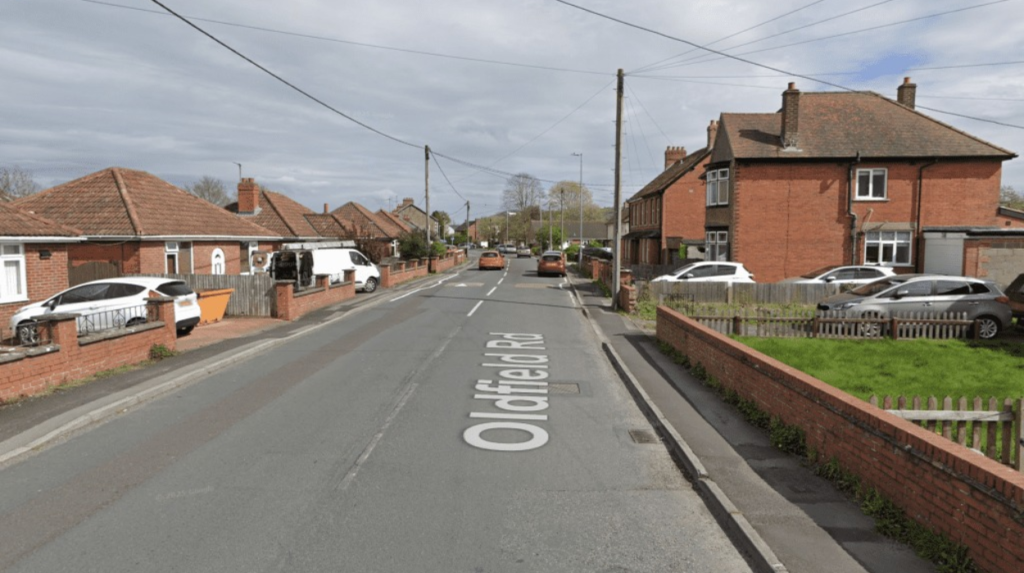
North Altrincham bears the brunt of parking problems, where residential roads double as overflow for town centre visitors and rail users. Oldfield Road, for instance, suffers from vehicles lining both sides, narrowing the carriageway to a single track near bends and John Leigh Park, forcing drivers to yield repeatedly and compromising visibility. Surveys conducted by Trafford Council noted this as one of the worst offenders, with commuter vehicles dominating during weekdays.
Lawrence Road and Weldon Road, primary residential arteries, face similar invasions, blocking access for council and emergency services—a recurring grievance in resident feedback. The Medway Crescent Estate sees counts swell at junctions with Oldfield Road and Swale Drive, as parkers exploit quiet cul-de-sacs to evade restrictions elsewhere. These patterns illustrate a migration effect: when one zone tightens rules, vehicles simply shift to adjacent streets.
Town centre hotspots like Goose Green Multi-Storey and Regent Road exacerbate the issue. In 2019, users reported a flurry of PCNs from Smart Parking operators, sparking outrage over unclear signage and aggressive enforcement targeting legitimate shoppers. Booth Road, north of the A56, contends with dual pressures from commuters and school-run traffic, underscoring how Altrincham’s grammar schools amplify morning and afternoon crunches.
Causes Driving the Altrincham Parking Crisis
At its core, Altrincham’s parking problems stem from a mismatch between demand and supply. The town’s Metrolink connectivity and 15-minute proximity to Manchester Airport draw thousands daily, yet official car parks fill rapidly, pushing drivers onto residential zones. Trafford Council’s 2018 data showed peak occupancy during commutes, with unrestricted roads absorbing the overflow due to their convenience near stations and shops.
Economic factors play a role too: free on-street parking undercuts paid alternatives, encouraging long-stay commuters over short-term visitors. Altrincham’s market revival and indie retail boom, celebrated in local awards, boost footfall but strain spaces around landmarks like the Market House. Add school proximity—Altrincham Grammar for Girls and Boys attract families from afar—and peak-hour blockages become inevitable.
Broader trends amplify this. Greater Manchester’s population growth, coupled with remote work declines post-pandemic, has revived commuter habits. Limited public transport alternatives for last-mile trips leave cars as the default, while narrow Victorian-era streets, designed for horse carts, can’t accommodate modern SUVs. Enforcement gaps, where warnings outpace fines, perpetuate the cycle.
Impacts on Residents and Local Businesses
For Altrincham residents, parking problems translate to daily hassles that erode quality of life. Blocked driveways force alternative parking hunts, sometimes blocks away, while narrow roads heighten accident risks—council surveys cited visibility issues near parks as a prime concern. Emergency access delays pose real dangers, with reports of ambulances struggling through single-file traffic.
Businesses suffer economically. Shop owners on Church Road lament lost custom as customers circle endlessly, opting for out-of-town retail instead. Goose Green incidents in 2019, where fines hit genuine users, damaged trust in paid facilities, prompting boycotts. The ripple extends to property values: streets plagued by all-day parkers feel less desirable, deterring families.
Safety and environment take hits too. Idling vehicles near schools increase pollution, while pedestrian hazards rise on pavements clogged by wing mirrors. Psychologically, the frustration fosters community tension, with “parking wars” anecdotes filling local forums. These multifaceted impacts demand holistic fixes beyond mere signage.
Trafford Council’s Response and Initiatives
Trafford Council has tackled Altrincham parking problems through targeted schemes, starting with the North Altrincham Parking Scheme extension. Launched after 36 objections in 2018, it introduced waiting restrictions on hotspots like Oldfield Road, prioritizing residential permit zones. Surveys validated the need, showing commuter dominance during 9 AM-5 PM, with post-implementation drops in obstruction.
The Booth Road scheme addressed school and town centre spillovers, incorporating resident feedback from consultations. Measures included double yellow lines and limited waiting bays, carefully calibrated to avoid over-restriction. Church Road efforts responded to business pleas, balancing commercial needs with resident relief.
Regent Road Car Park’s temporary closure for regeneration in 2019 highlighted infrastructure upgrades, though it intensified street pressure. Council philosophy emphasizes comprehensive schemes to curb vehicle migration, blending enforcement with education via apps and signage. Success hinges on full implementation, as partial fixes merely displace the issue.
Challenges in Implementing Effective Solutions
Despite progress, council initiatives face hurdles. Objections during 2018 adverts—36 in North Altrincham alone—reflect divided views, with some fearing business harm from restrictions. Vehicle migration remains a thorn, as tightened zones push parkers to untouched streets, perpetuating the whack-a-mole dynamic.
Enforcement strains resources; PCN disputes, like those at Goose Green, erode public faith when operators like Smart Parking deny faults. Budget limits hinder expansions, while post-Brexit inflation squeezes parking revenue for upgrades. Behavioral inertia—commuters ignoring apps for “free” spots—undermines apps like RingGo.
External factors, such as Manchester Airport growth, import more vehicles without local benefits. Climate goals push for reduced car reliance, clashing with resident demands for more spaces amid housing densification.
Practical Solutions for Altrincham Drivers
Residents can navigate parking problems with savvy strategies. Prioritize official apps for real-time spots at Goose Green or Timperley Wednesbury, booking ahead for events. Permit schemes in North Altrincham reward locals—apply via Trafford’s portal for resident bays, easing driveway woes.
Carpool or Metrolink for town runs; the interchange offers seamless links, freeing streets. For schools, drop-off zones and walking buses cut congestion. Businesses benefit from shared spaces or cycle hubs, aligning with Greater Manchester’s green push.
Long-term, advocate via council consultations—feedback shaped Booth Road wins. Tech like ParkMobile predicts availability, while remote work flexes reduce peaks.
Future Outlook and Sustainable Fixes
Looking ahead, Altrincham parking problems demand integrated planning. Trafford’s Local Plan eyes multimodal hubs, blending parking with bike shares and EV chargers. Regeneration like Regent Road promises 500+ spaces, potentially alleviating town centre strain.
Greater Manchester Combined Authority’s Bee Network could slash car dependency via expanded trams and buses. Demand management—dynamic pricing or caps—mirrors successful London models. Community-led audits, as in 2018 surveys, ensure resident voices drive change.
Sustainability shines through: fewer cars mean cleaner air near parks, preserving Altrincham’s charm. With proactive governance, this evergreen issue could evolve into a model of balanced urban living.
Why Altrincham Must Act Now
Persistent parking problems risk tarnishing Altrincham’s reputation as a premier Greater Manchester town. Historical lessons from council schemes prove targeted action works, but delays invite escalation. Residents, businesses, and visitors deserve streets that serve, not stifle, community vitality.
By blending enforcement, infrastructure, and behavior shifts, lasting relief beckons. This isn’t just about spaces—it’s safeguarding a town’s soul amid growth.